How Local Conditions Play In
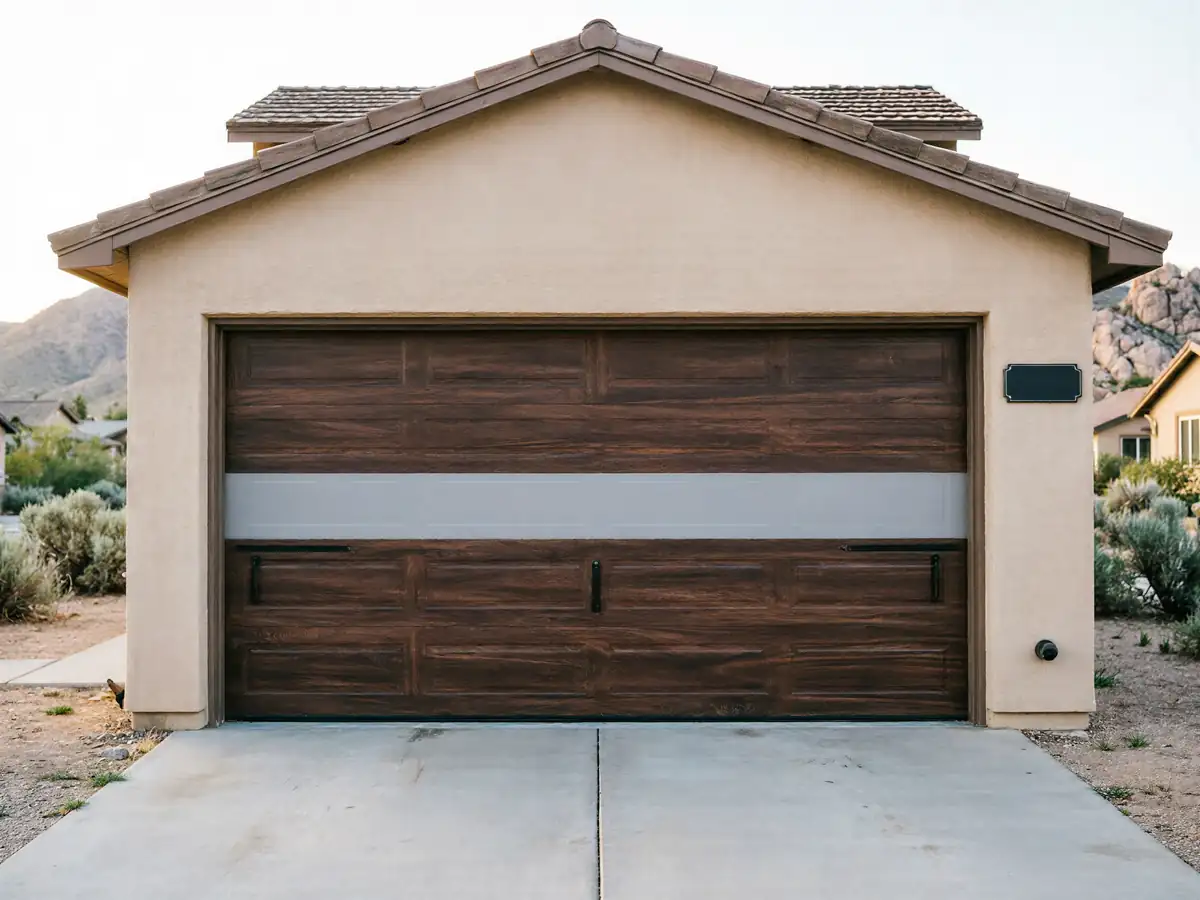
Most of the houses we work on across this service area went up between 1973 and 1999
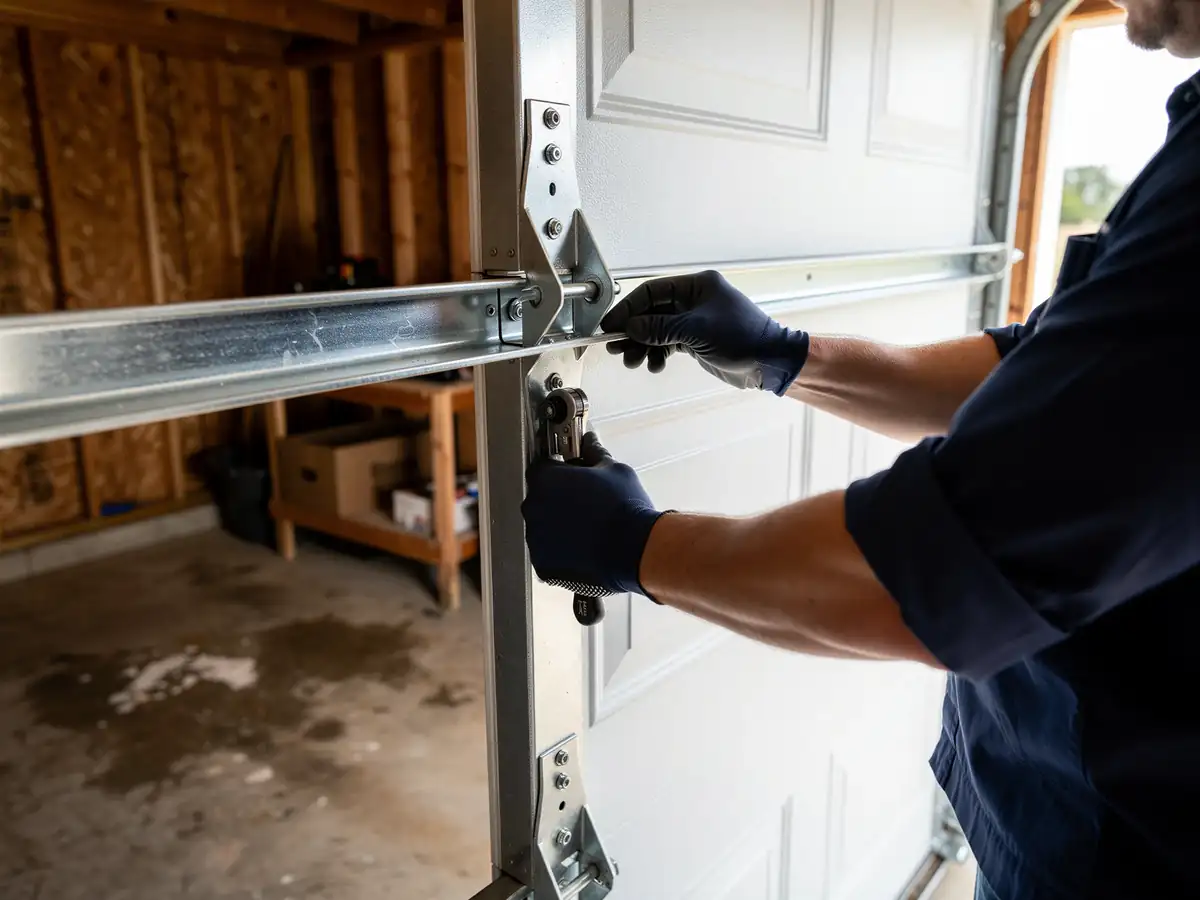
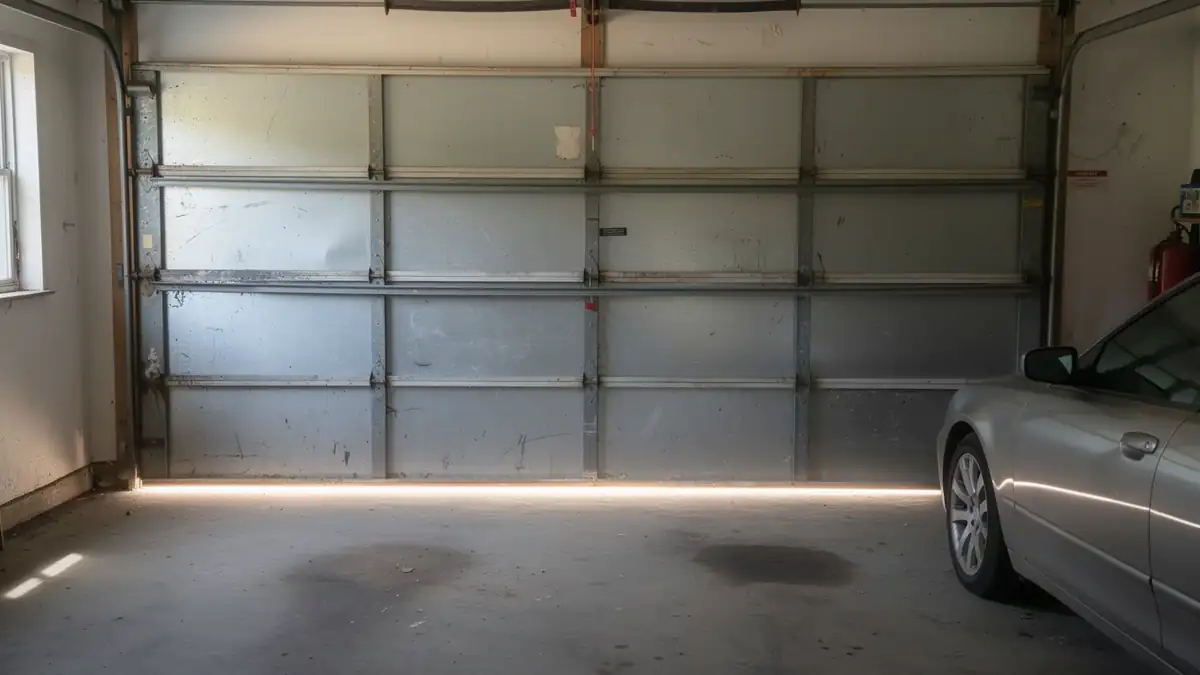
With the median landing right around 1990. That's not a trivia point - it tells you what's bolted to your header right now. Doors and openers from that window were built to a different standard than what's sold today, and a lot of the original hardware is still in place because nobody's had a reason to touch it.
Layer on the climate
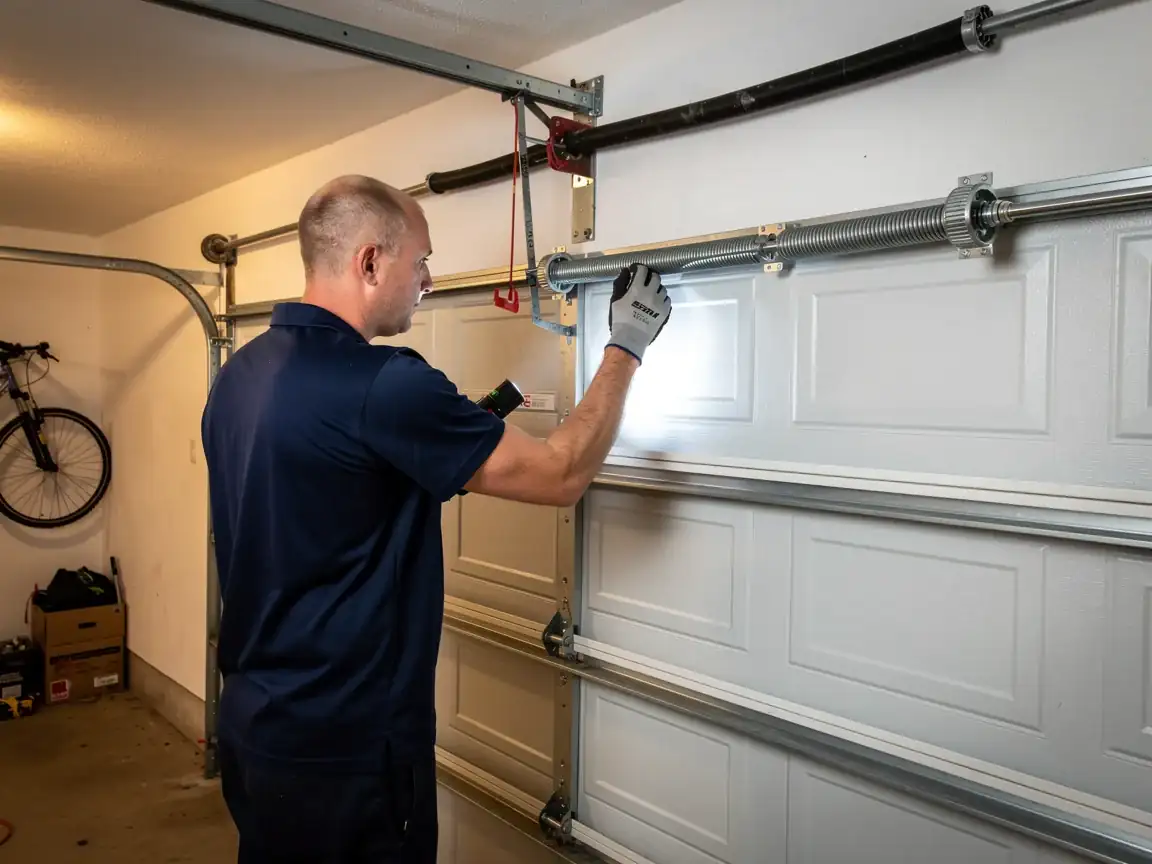
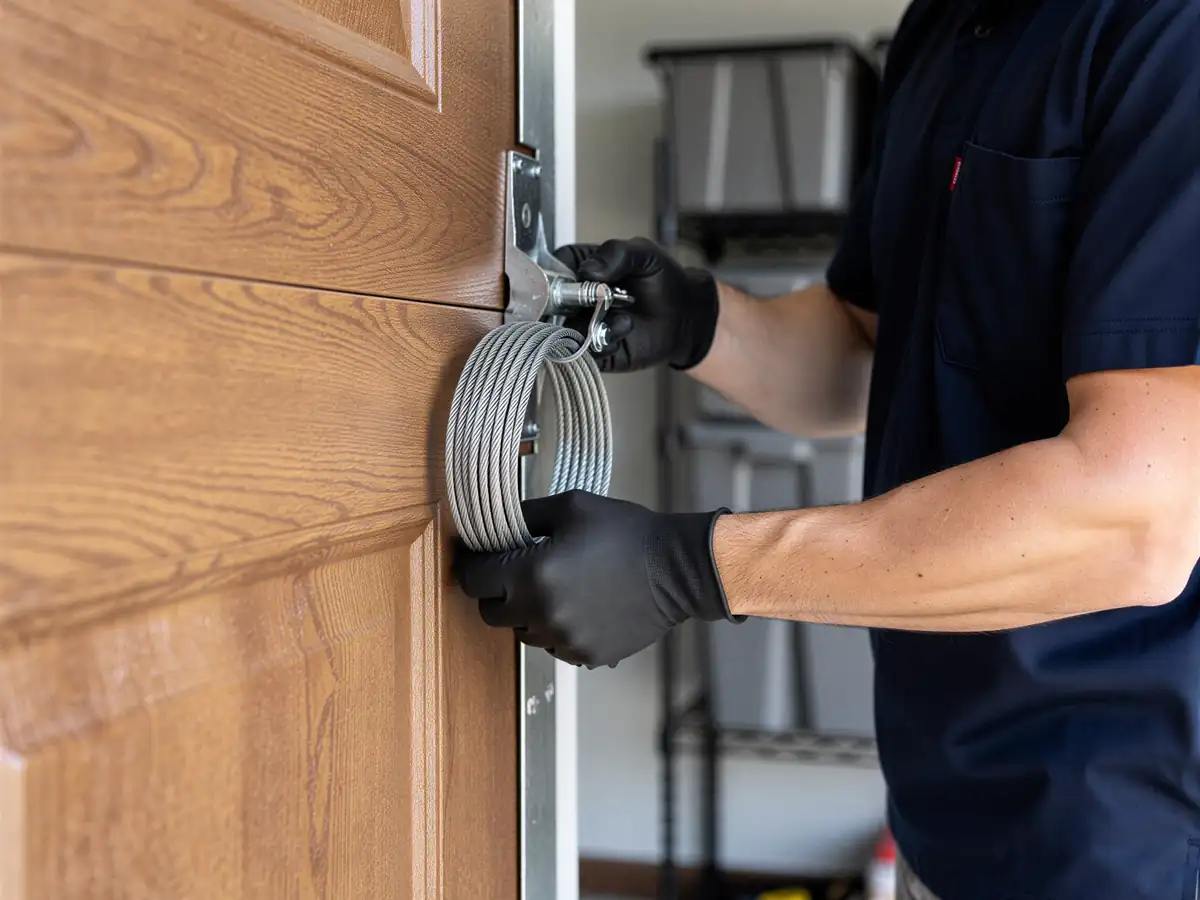
This is a cold-severe band, which means hard freeze-thaw cycles every winter and wide swings between daytime sun and overnight cold. Steel springs and cables don't care about the view - they care about repeated contraction and expansion, and that's exactly what they get here, year after year, on hardware that's already 25 to 50 years old.
- 50 years
Across the 13 named areas we see this pattern
Agua Fria, Arroyo Hondo, Tesuque, La Cienega, Eldorado at Santa Fe, Valencia, Glorieta, Cuyamungue, White Rock, Pojoaque, El Rancho, Los Cerrillos, and Pecos - the housing is close enough in age that the same failure points keep showing up. It's not a coincidence. It's the calendar.
The Situation
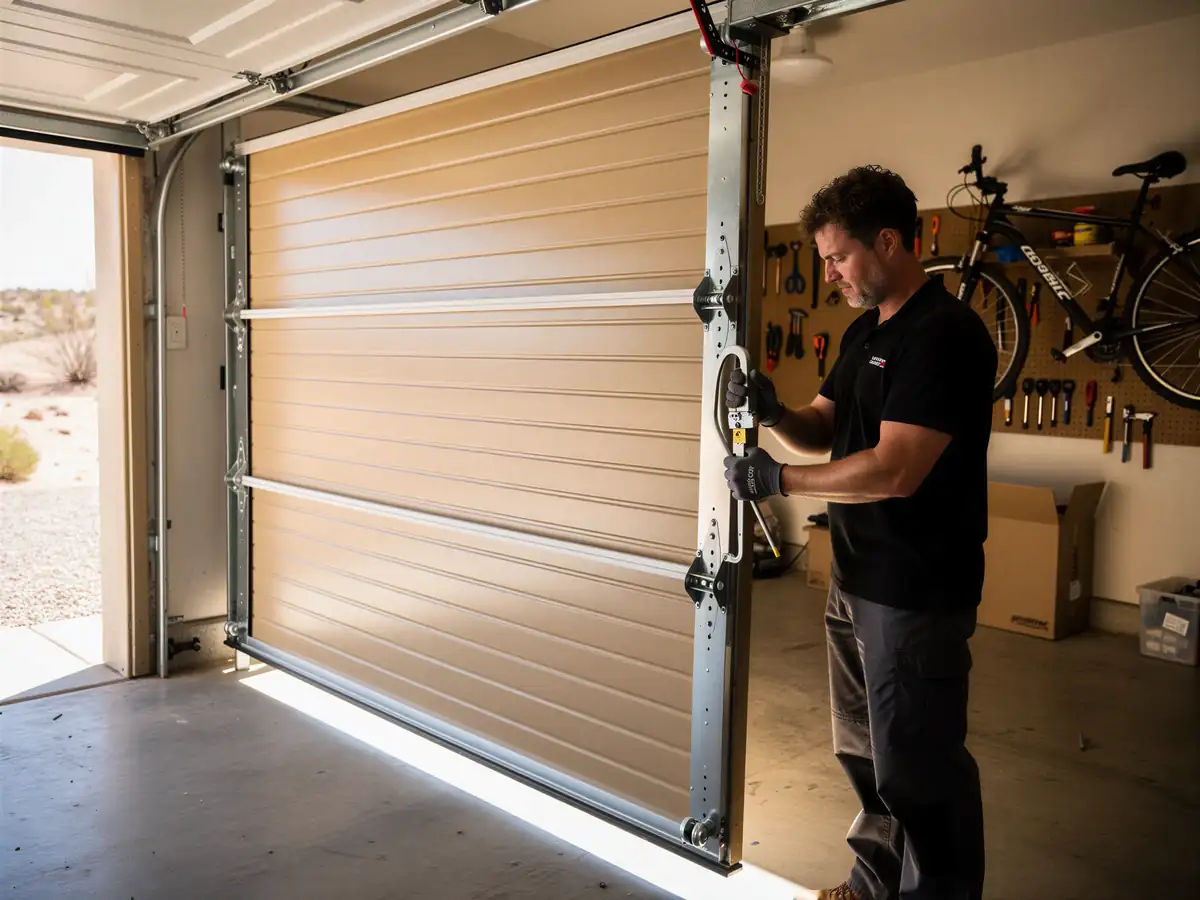
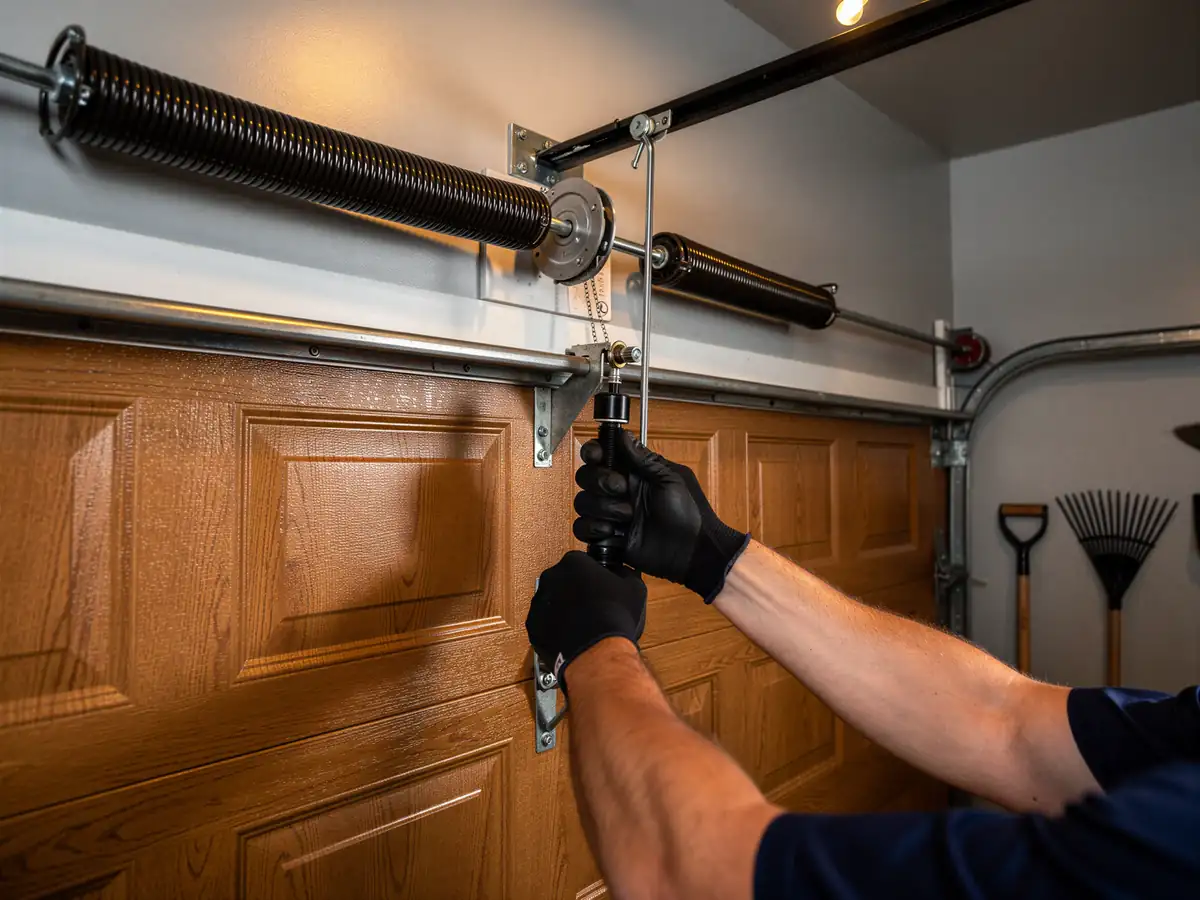
With 10,772 households in the area and 7,486 of those in owner-occupied houses, a big share of what we see is original equipment nobody's replaced because it still opens and closes. A torsion spring rated for 10,000 cycles doesn't announce when it's worn out - it just keeps going until the day it doesn't, usually on a cold morning when the steel is stiffest and under the most load.
Median household income here is $68,432, which tells us most owners are weighing a repair against a replacement, not just writing a check without thinking. That math matters more on a 1980s door than a newer one, because older doors often use hardware sizes and spring winds that don't match what's stocked on a truck today. Sometimes a repair is straightforward. Sometimes the part simply isn't made anymore and you're better off replacing the section or the whole door rather than chasing a match.
The Common Mistake
The mistake we see most is treating a stiff or noisy door as a lubrication problem when it's actually a cold-weather load problem. Someone sprays the track, the door runs a little smoother for two weeks, and they figure it's fixed. Meanwhile the spring is losing tension a little at a time from decades of freeze-thaw cycling, and the opener motor is doing more of the lifting work than it's built for.
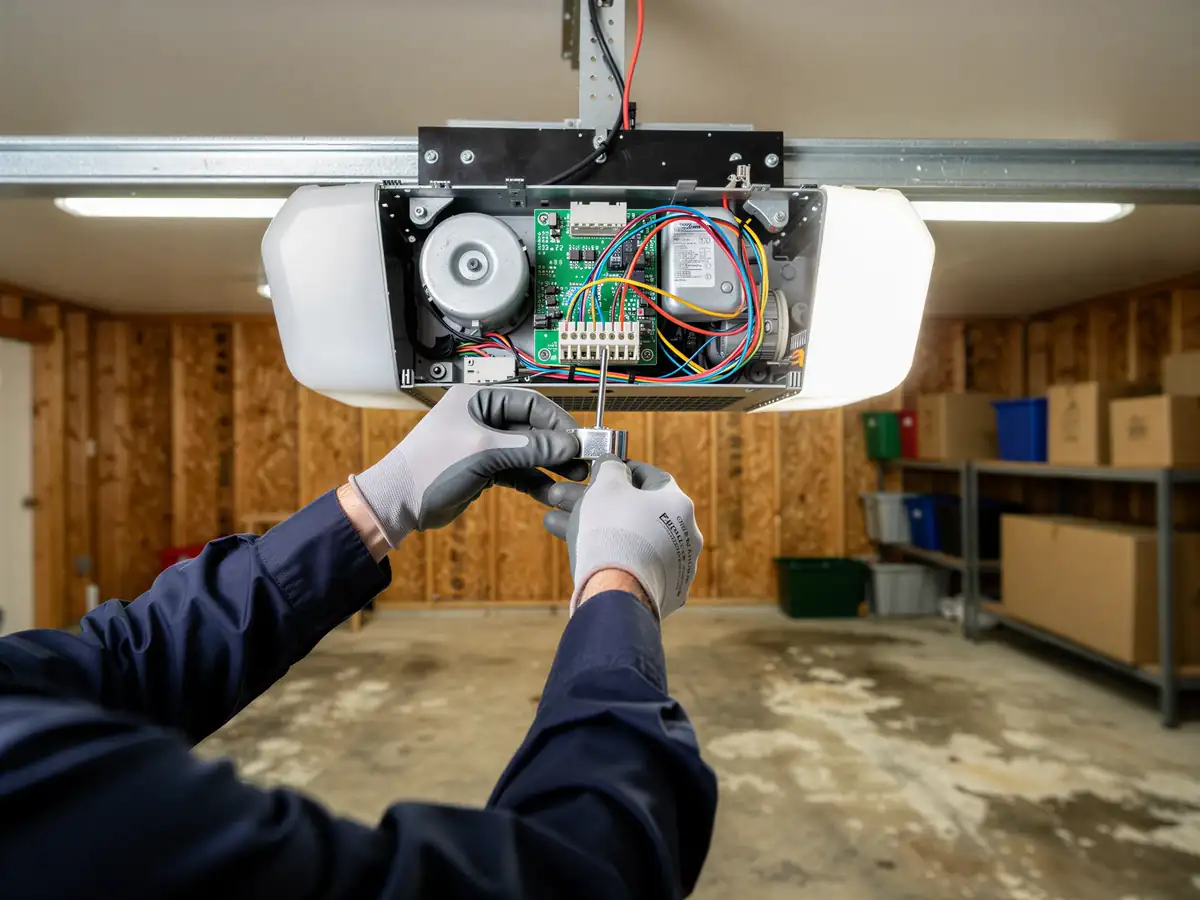
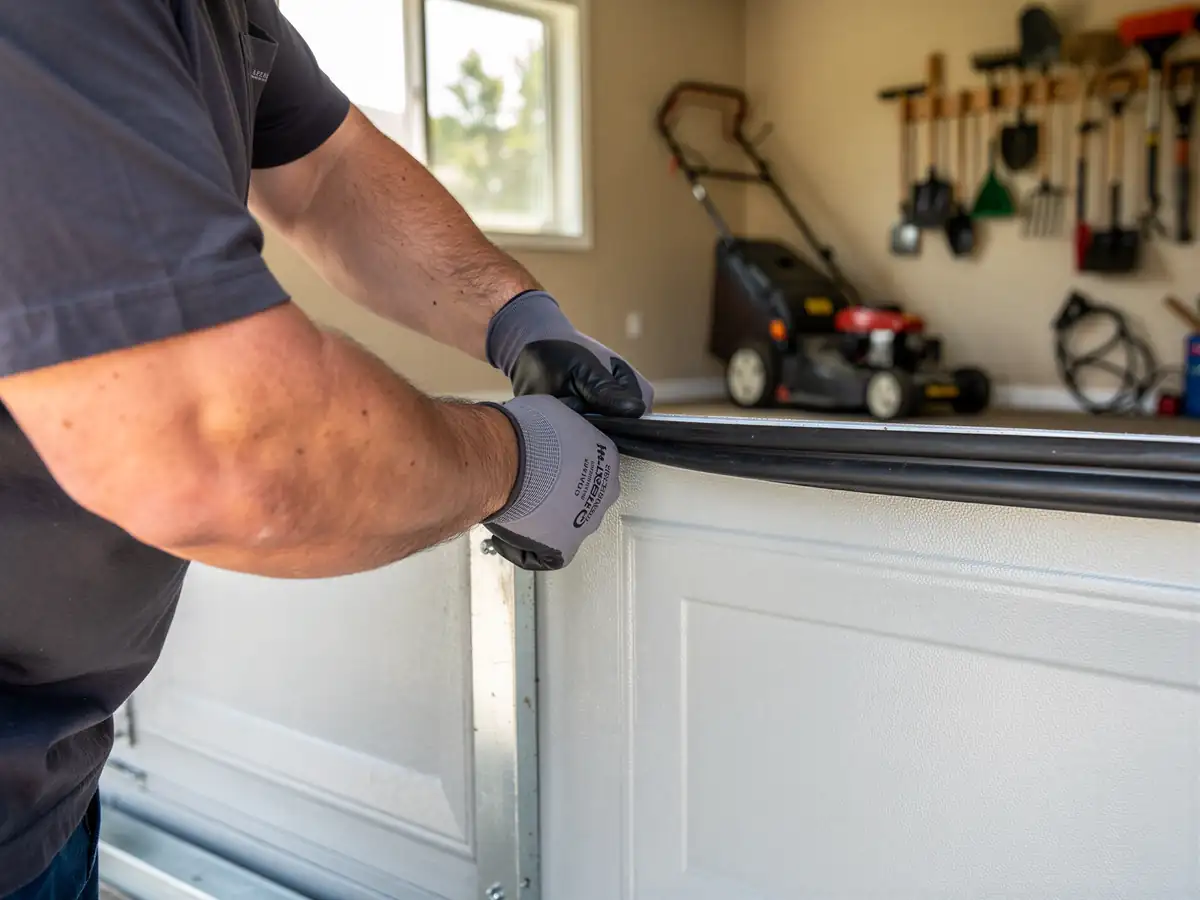
On houses from the 1973-1999 era, we also see owners assume the opener itself is the problem when it's straining to lift a door that's gotten heavier - weather seals swollen with moisture, old panels that have absorbed decades of temperature swings. Replacing the opener without addressing why it's straining just buys you a year, maybe two, before the new motor burns out the same way.
When to Call Someone
Call before the spring breaks, not after
If a door from this era feels harder to lift by hand than it used to, or the opener groans and hesitates on cold mornings, that's the cold-severe climate doing its slow work on aging hardware - get it looked at while it's still a spring job and not an emergency. We don't do a full teardown on every call; if the hardware's original but still within tolerance, we'll say so and tell you what to watch for instead of replacing parts that don't need it yet.
If you're not sure whether what you've got is original 1980s-90s equipment or something already replaced
That's worth finding out before winter, not during it.