How Local Conditions Play In
Santa Fe falls into a cold-severe climate band
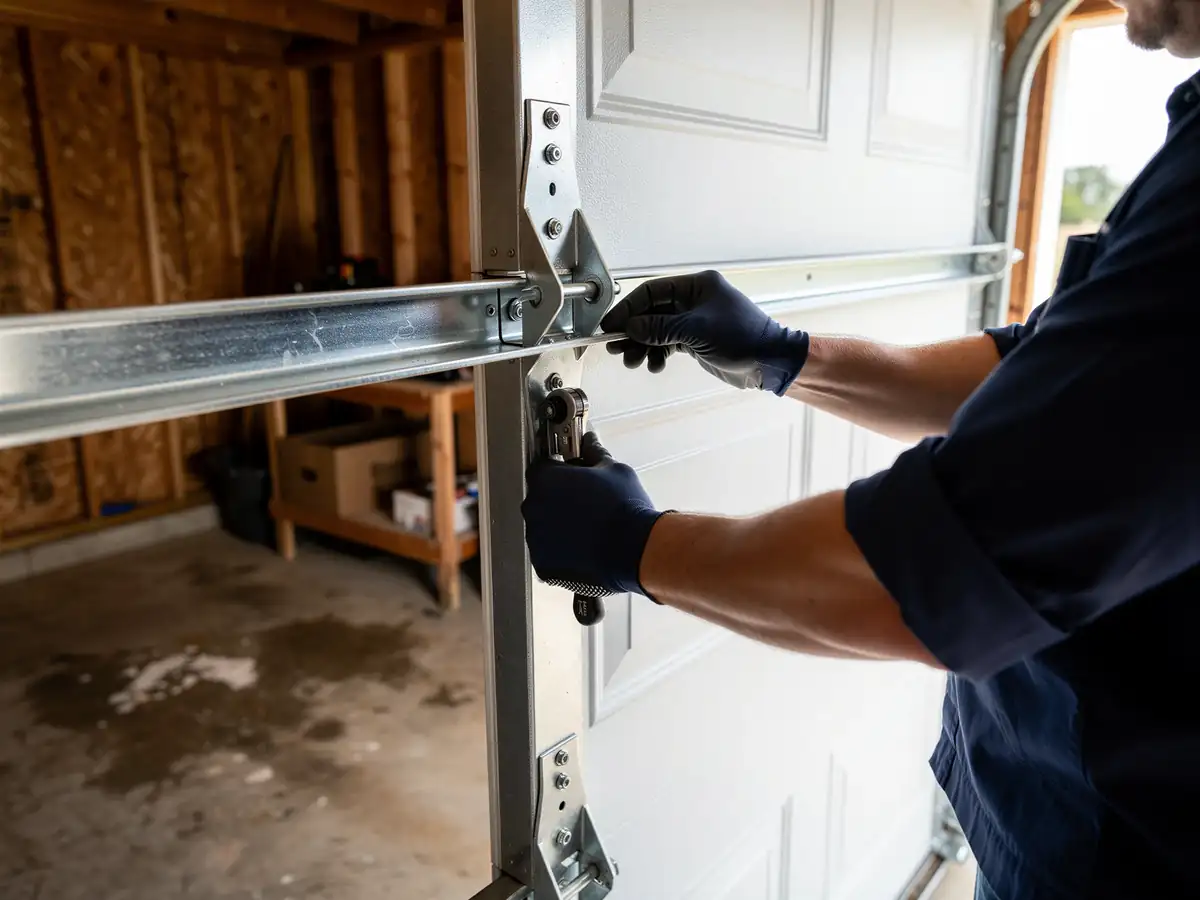
And that matters more for a garage door than most homeowners expect. Steel panels contract in hard overnight cold and expand again by afternoon, and that daily cycling works on welded seams and panel joints over the years. Torsion springs are rated for a certain number of open-close cycles, but cold metal is stiffer and more brittle than warm metal, so a spring in this climate often fails well before it hits that rated number. Rollers and hinges see the same thing - grease thickens, bearings bind, and the extra load gets passed straight to the opener's drive gear.
None of that is unique to any one house
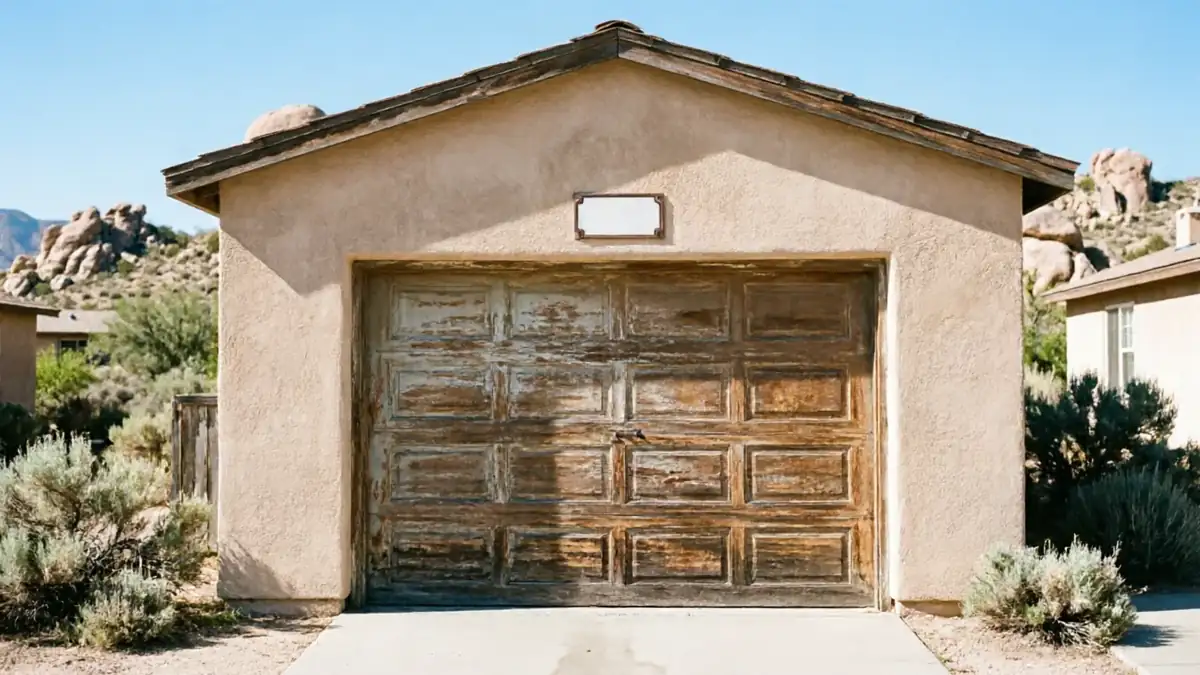
What makes it relevant here is the age of the housing stock itself. Homes built between 1973 and 1999, with the bulk of construction clustering around 1990, are old enough that their original garage door hardware has already absorbed three or four decades of that freeze-thaw cycling. A door that looks fine from the driveway can have springs, cables, and rollers that are quietly near the end of their service life, and cold is usually what finishes the job - often on the coldest morning of the year, which is the worst time to find out.
The Situation
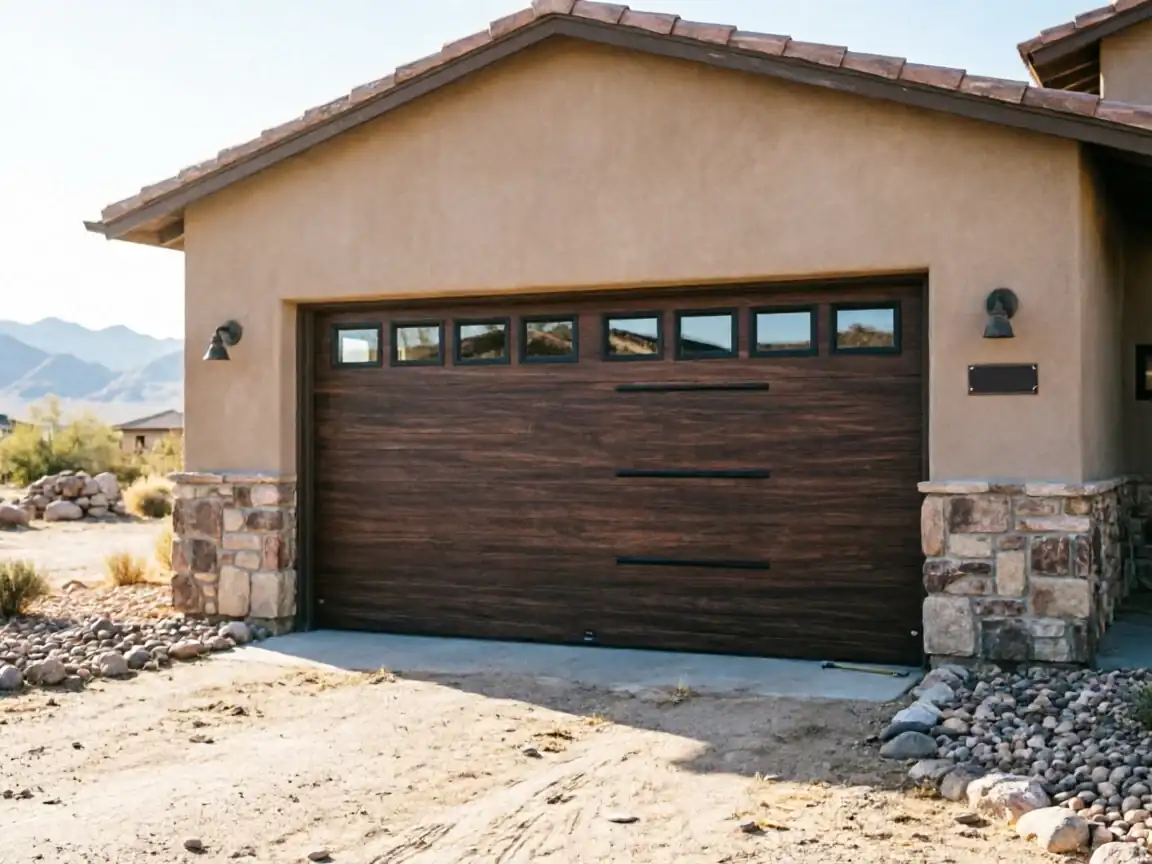
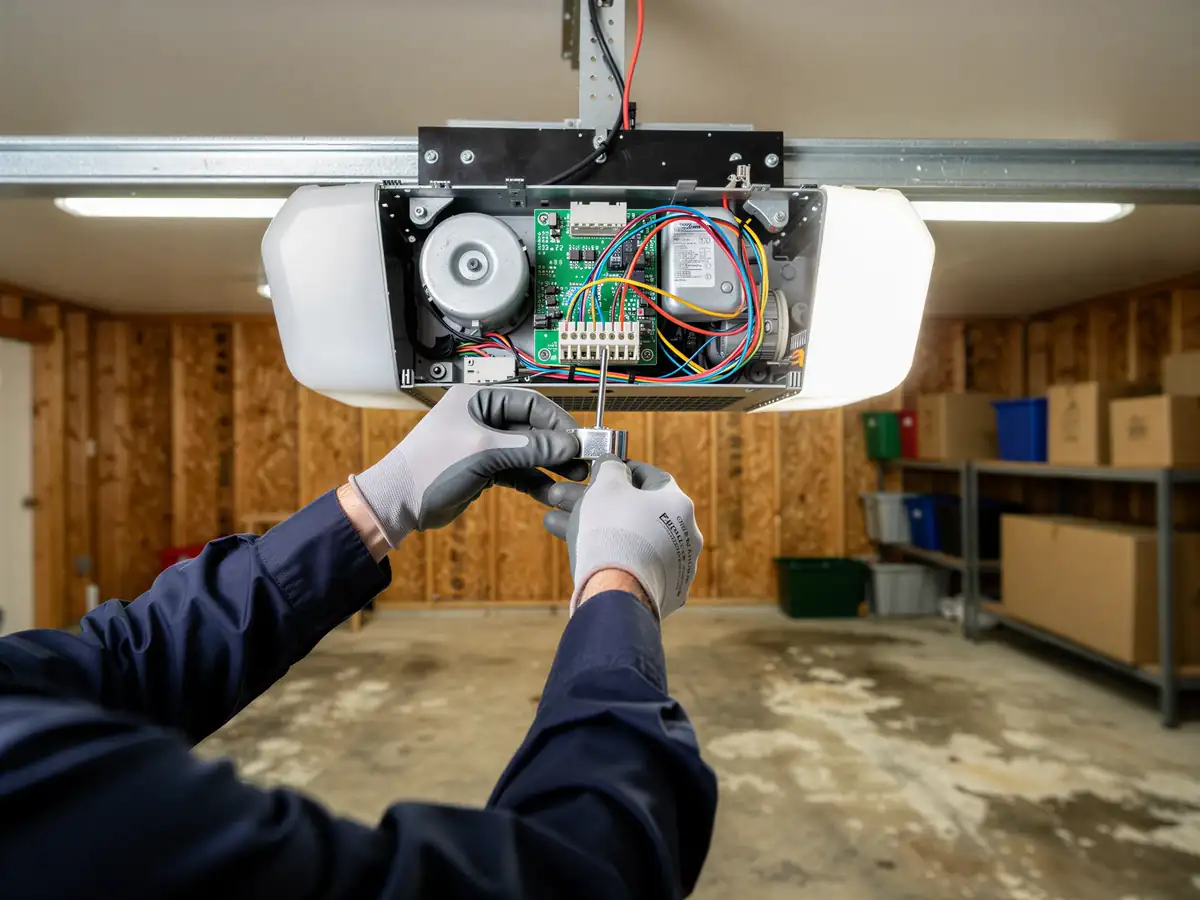
Across the areas we work in - Agua Fria, Arroyo Hondo, Tesuque, La Cienega, Eldorado at Santa Fe, Valencia, Glorieta, Cuyamungue, White Rock, Pojoaque, El Rancho, Los Cerrillos, and Pecos - the housing stock is overwhelmingly 1980s and 90s construction. That's not a guess; it lines up with a median build year around 1990 for the broader service area. Doors and openers from that era were built to a different standard than what's sold today: single-wall steel skins instead of insulated sandwich panels, extension or side-mounted torsion springs that are harder to source parts for now, and chain-drive openers with none of the force-sensing safety features required in newer units.
With 7,486 owner-occupied houses among 10,772 households in this area, a large share of the doors we get called out to are the same generation - not identical, but close enough in age that the failure patterns repeat. A spring that let go on one street often means three more houses nearby are carrying the same worn spring on borrowed time. That's useful to know, because it means a neighbor's recent repair is a decent hint about what your own door is quietly dealing with.
The Common Mistake
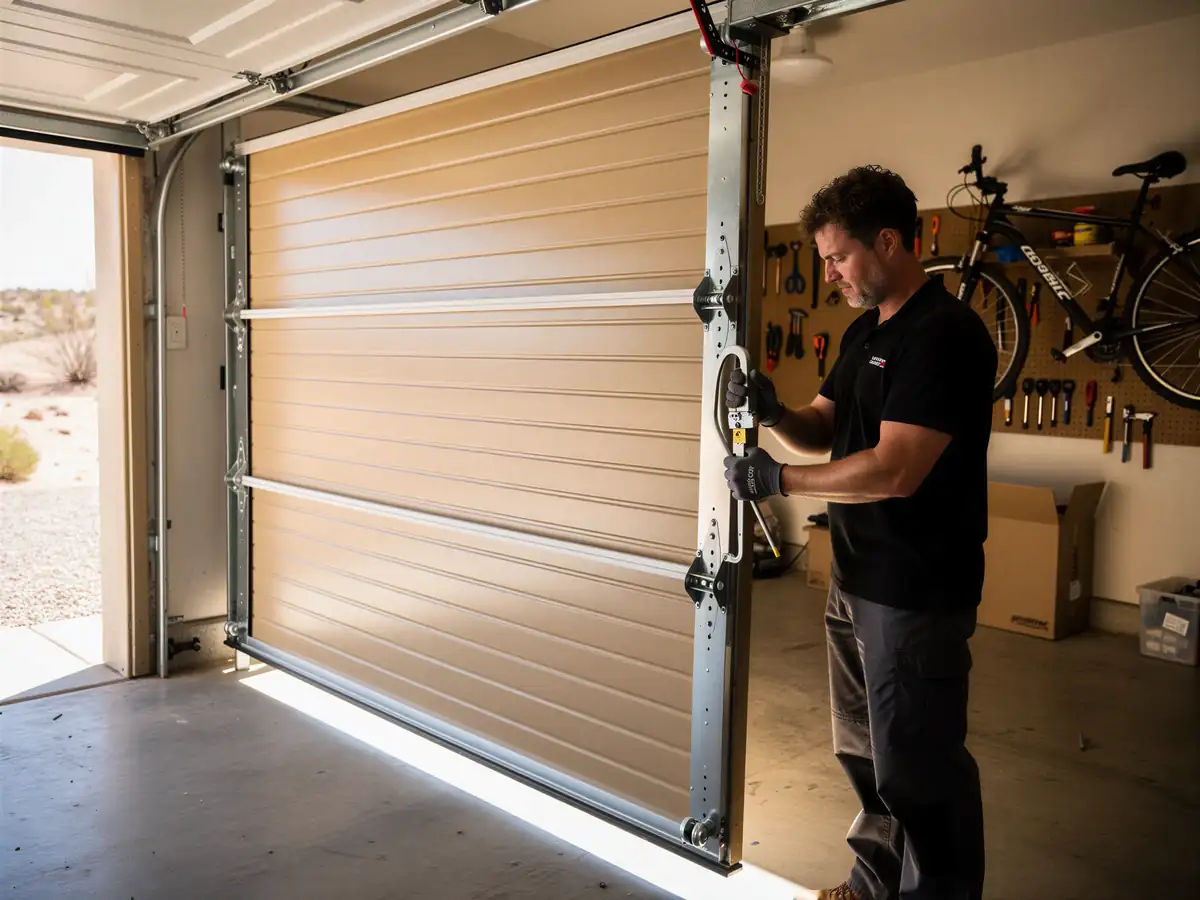
The mistake we see most is treating every garage door problem as a whole-door problem. A door that won't open is usually a spring, a cable, or the opener - not the door itself. If the panels are straight, the track is aligned, and the wood or steel hasn't rusted through, replacing a spring or opener is almost always the cheaper and faster fix, even on a door built decades ago.
The opposite mistake happens too: patching a door that's actually done. If a panel has rusted from the inside out, or the bottom section has absorbed enough moisture cycling that the steel skin is separating from the foam core, no amount of spring or roller work fixes that. At that point you're paying labor to delay a replacement you'll still need.
Here's the honest limit on our end: if a door is old enough that the manufacturer no longer makes matching panels or hardware, we can't always get an exact replacement part quickly, and sometimes not at all. Special-order lead times for discontinued door lines can run long, and that's a real factor in deciding whether repair makes sense or whether it's time to replace the whole unit instead of chasing parts for one that's effectively obsolete.
When to Call Someone
Call before the door fails completely, not after
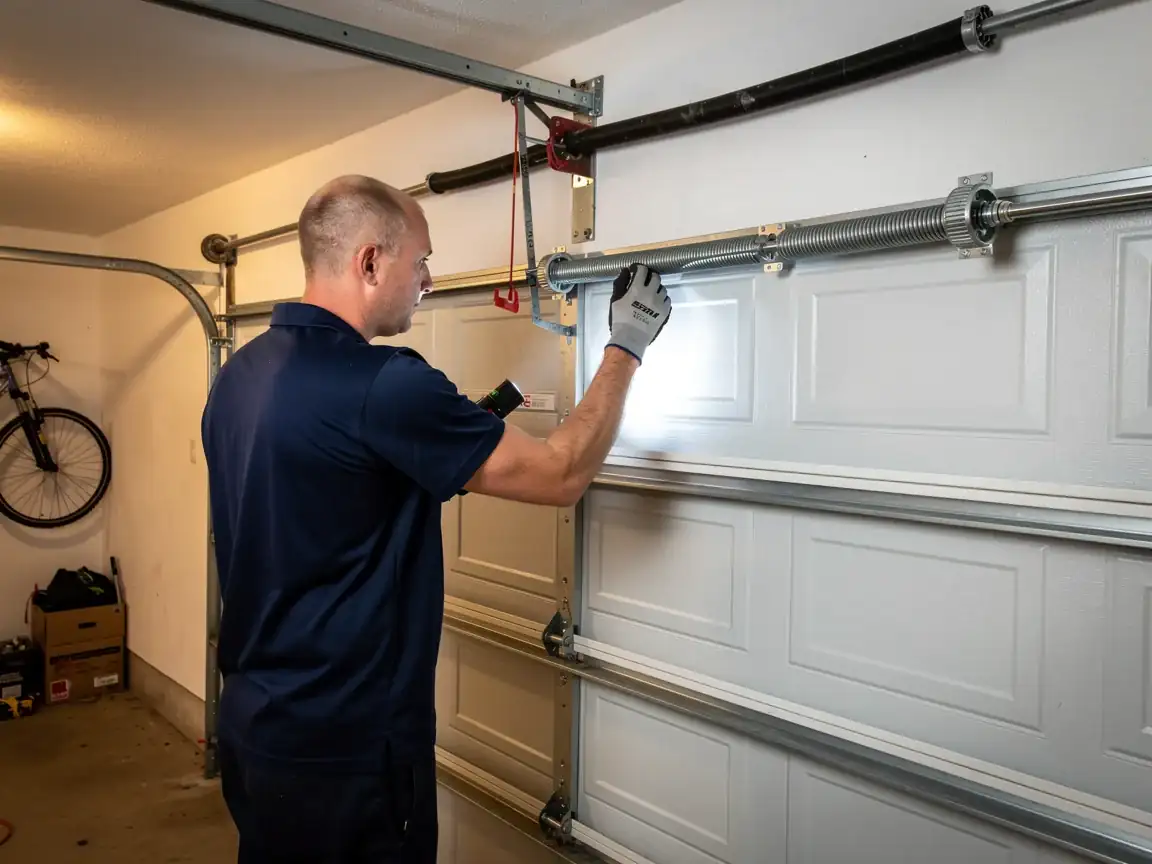
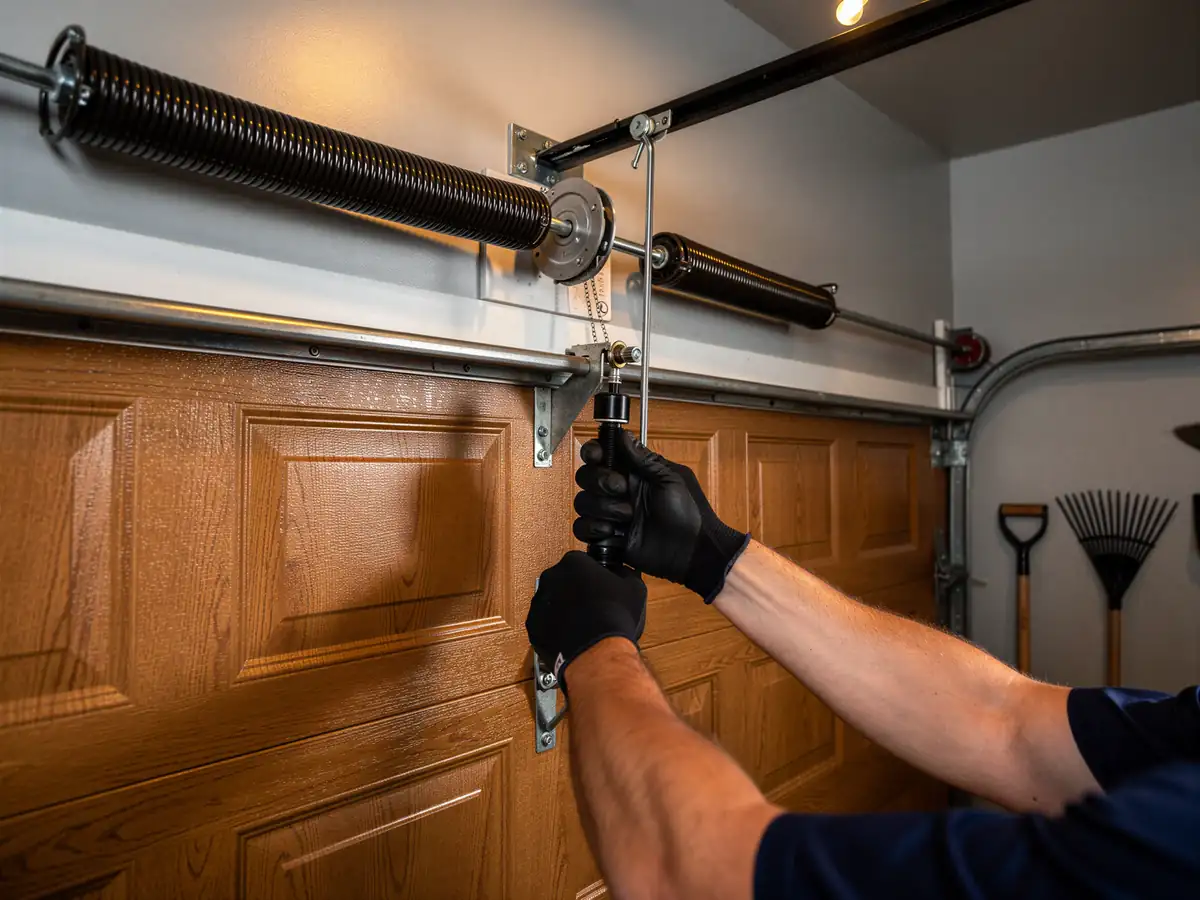
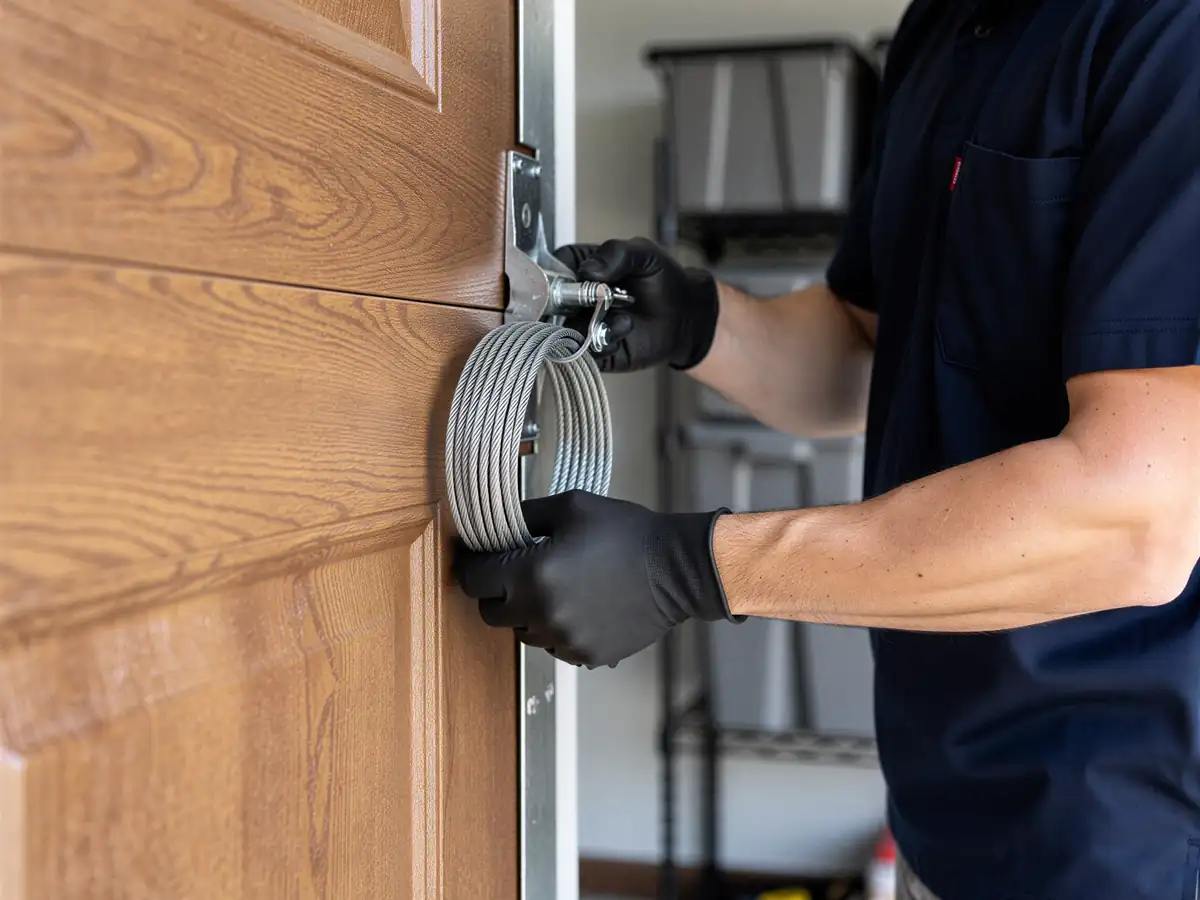
A spring that's visibly stretched, a cable that's starting to fray, or an opener that's straining and making a new grinding noise are all signs worth a look while the door still opens. Waiting until the spring snaps usually means the door comes down fast and sometimes takes a panel or the opener's drive gear with it.
If your home falls into that 1973-1999 build window common across this area
And you haven't had the springs or rollers looked at, that alone is a reason to get it checked - not because something is definitely wrong, but because the hardware is old enough that it's due. Given the median household income in this area sits around $68,432, most homeowners we talk to want a straight answer on repair cost versus replacement cost before committing to either, and that's a fair ask. A working door with original-era hardware can often run several more years with the right parts replaced. A door with rusted-through panels or a warped track usually can't, no matter how much is spent trying.