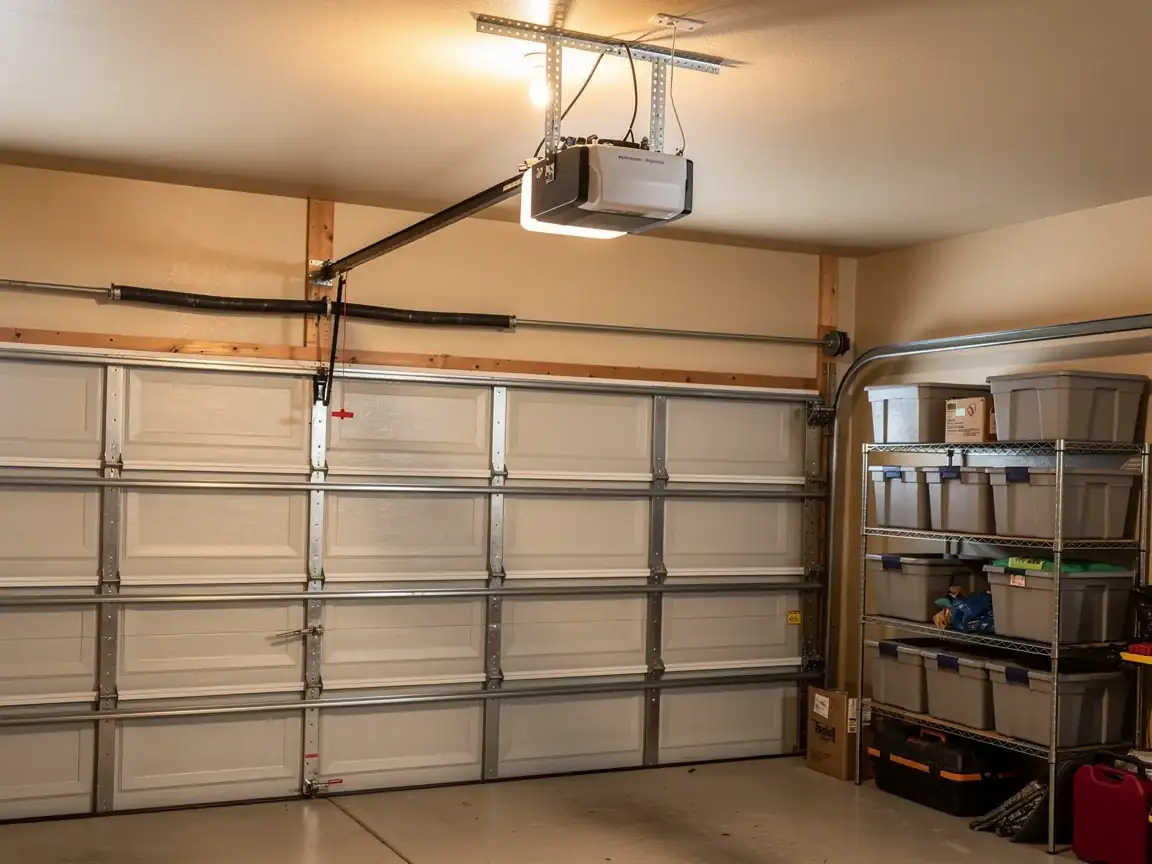
Garage door maintenance built for Santa Fe's 1970s-90s housing stock and high-desert cold. We service homes from Agua Fria to Pojoaque and everywhere between.
If you own a home in the Santa Fe area, chances are your garage door was installed somewhere between 1973 and 1999, back when most of the subdivisions across this service area went up. That means a lot of doors out there are running original hardware that's now 25 to 50 years old. What you notice first is usually small: the door hesitates before it moves, the opener strains a little more than it used to, or you hear a grind on the way down that wasn't there last winter. None of that is dramatic on its own. But a door that's groaning at the track or stuttering on the sensor is telling you the rollers, hinges, or spring tension have drifted out of spec. Left alone, that drift turns into a stuck door, a snapped cable, or a spring that lets go without warning. Maintenance is the difference between catching that drift at the "it's a little slow" stage versus the "I'm locked out of my garage" stage. Across 13 named communities in this service area, the pattern repeats because the housing stock is similar - this isn't a problem unique to one street, it's a function of how old the gear is and what the climate does to it.
What It Costs
We're not going to put a number here that doesn't hold up once a tech is standing in your driveway, because maintenance pricing depends on what your door actually needs - a tune-up on a door that's been serviced regularly costs less than catching up on years of deferred lubrication, loose hardware, and a spring that's lost tension. What we can tell you is how we price it: we inspect first, we tell you what we find, and you get a number before any work starts. If a part needs replacing instead of adjusting, that's a separate conversation, not a surprise on the invoice. Homeowners across this area, where median household income runs around $68,432, generally see maintenance as cheaper over time than reactive repair calls, because a worn roller caught early is a lubrication job, and a worn roller ignored is a cable replacement.
What Causes It Around Here
Santa Fe sits in a severe cold climate band, and that's the real driver behind most of what we see on maintenance calls. Grease that's fine in a mild climate stiffens up in our winters, which means rollers and hinges bind more than they would somewhere warmer. Metal contracts in the cold and expands again once the sun hits a south-facing garage door, and that cycle - repeated every day for a season - works bolts loose and throws tracks out of alignment faster than steady, moderate weather would. Add in that most doors in this service area date to the 1980s and 90s housing boom, and you've got original torsion springs and openers that were never designed to run maintenance-free for this long. We see the same failure patterns whether we're on a call near Agua Fria, out toward Tesuque, or down by La Cienega - it's not the address, it's the age of the hardware meeting a climate that's hard on moving metal parts.
How We Fix It
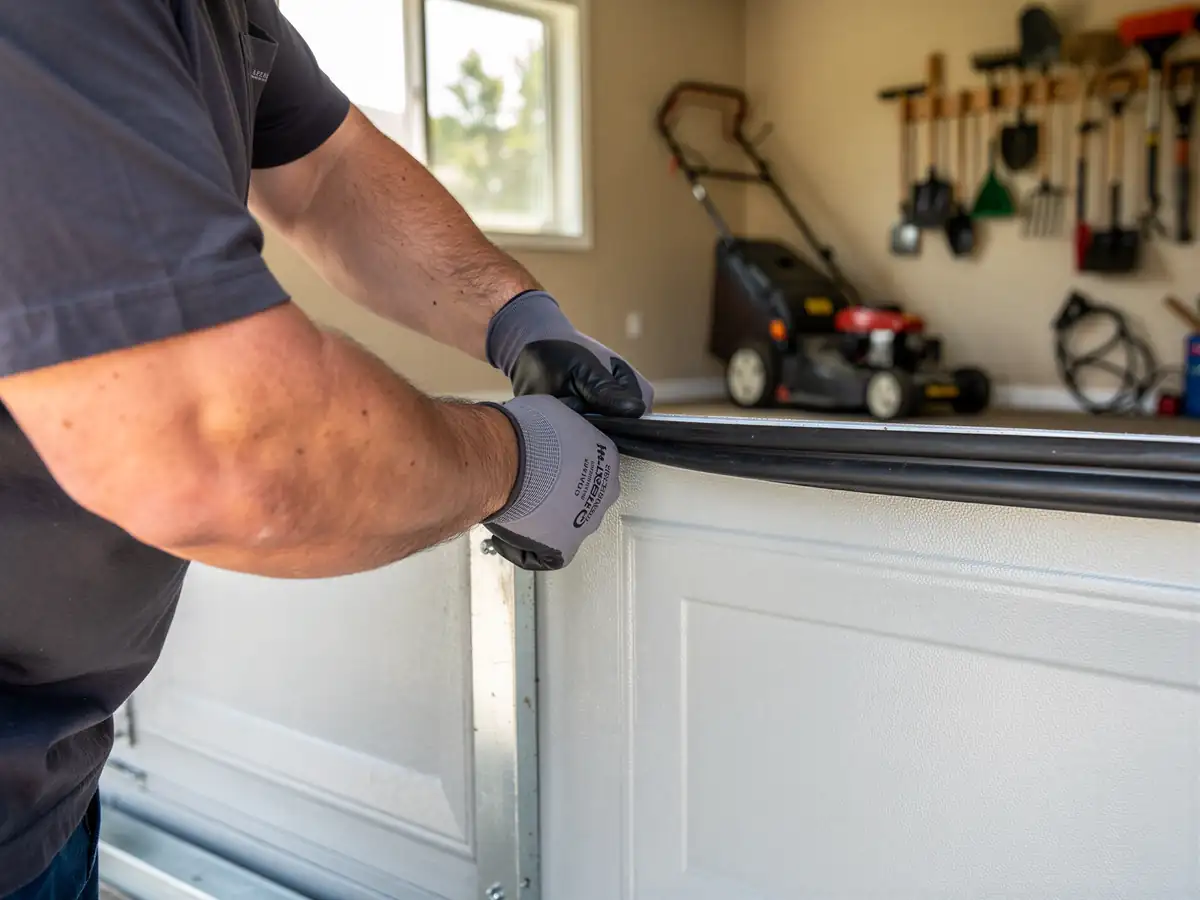
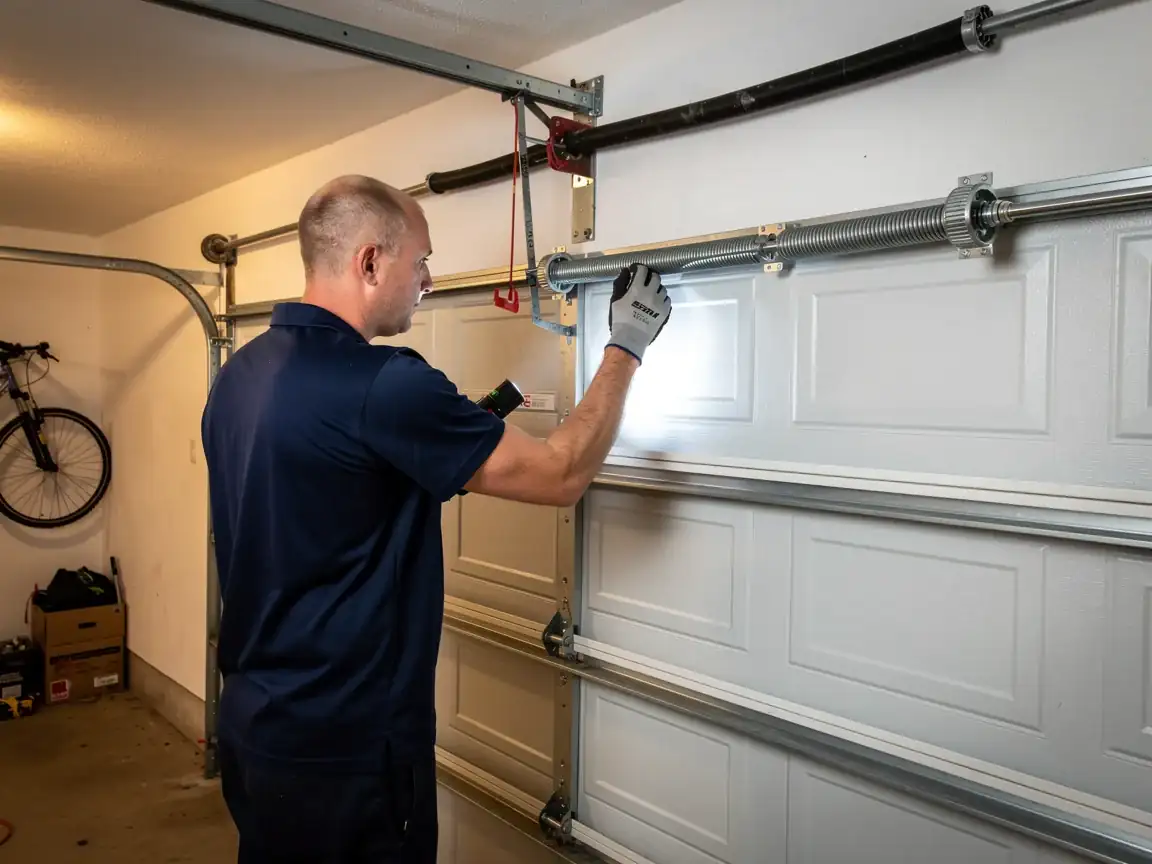
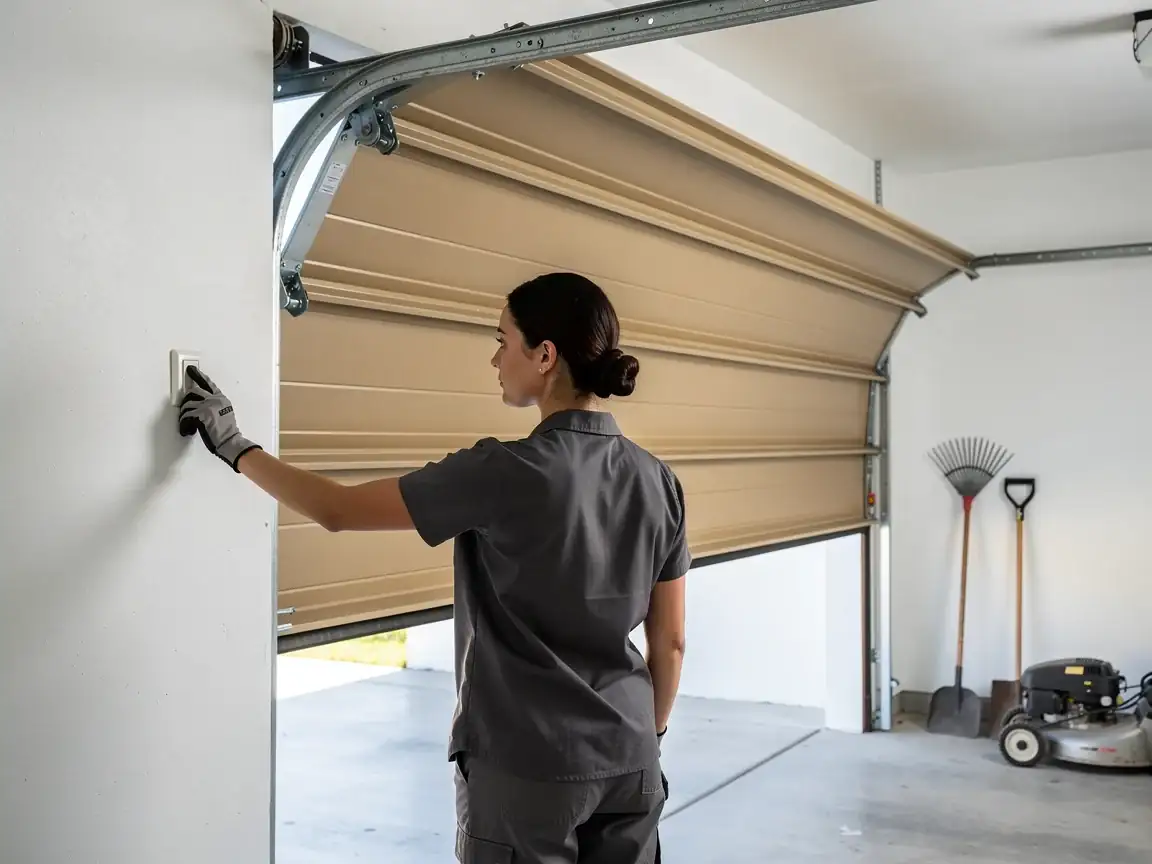
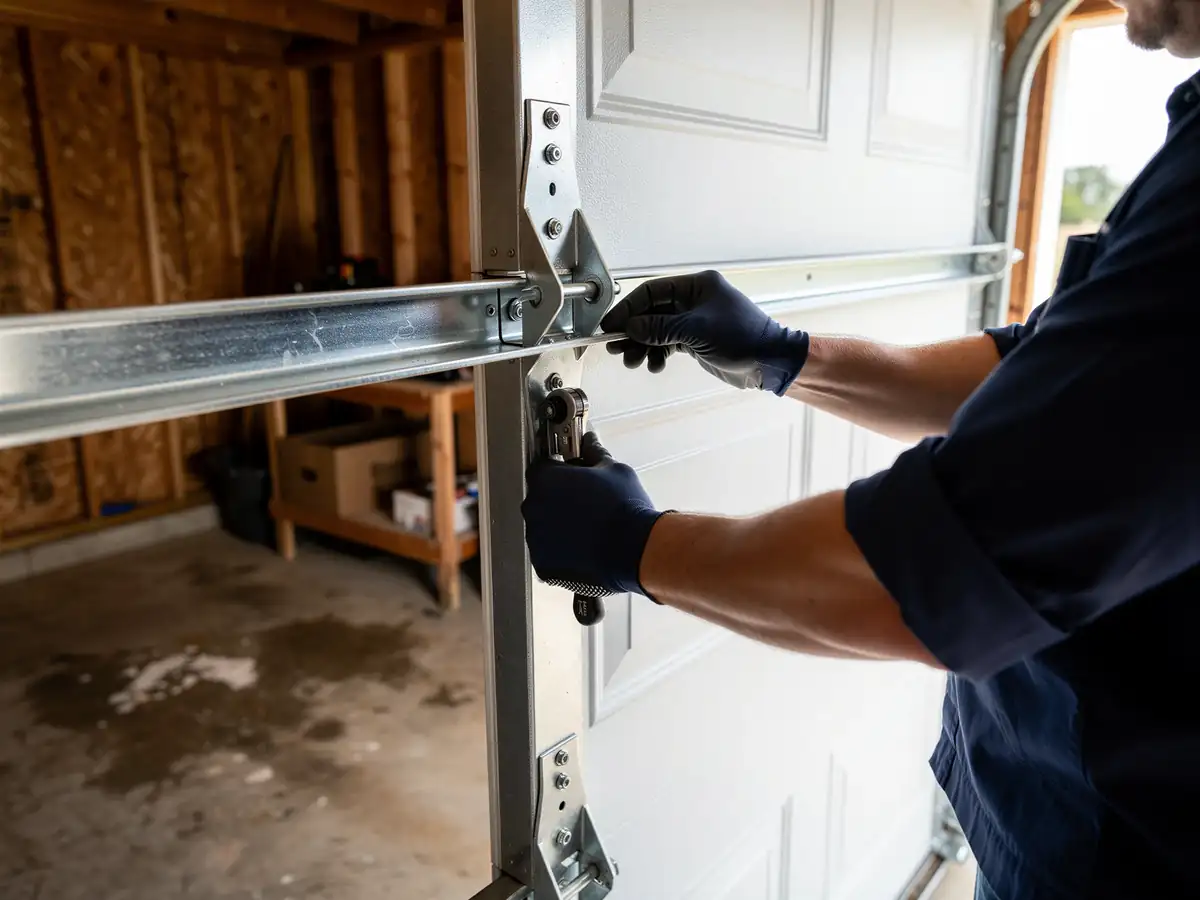
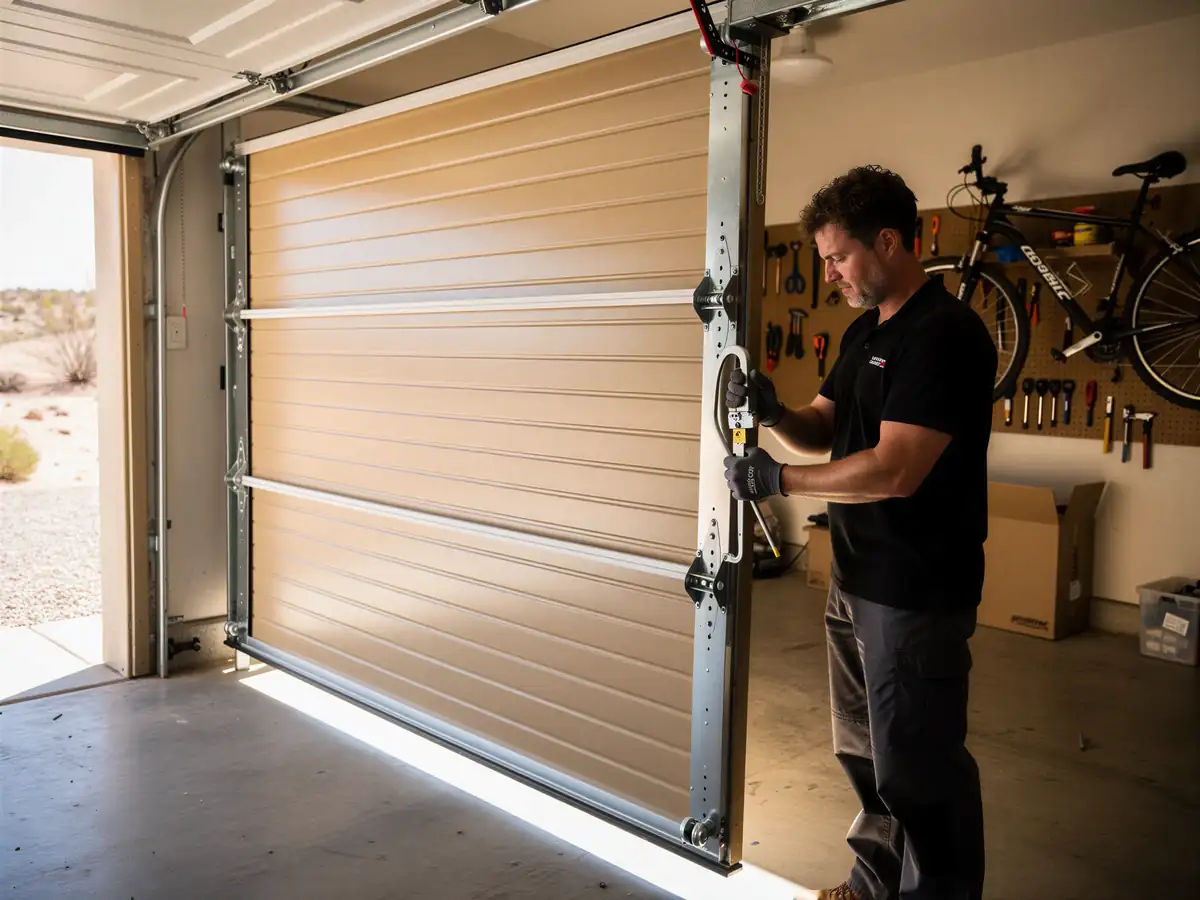
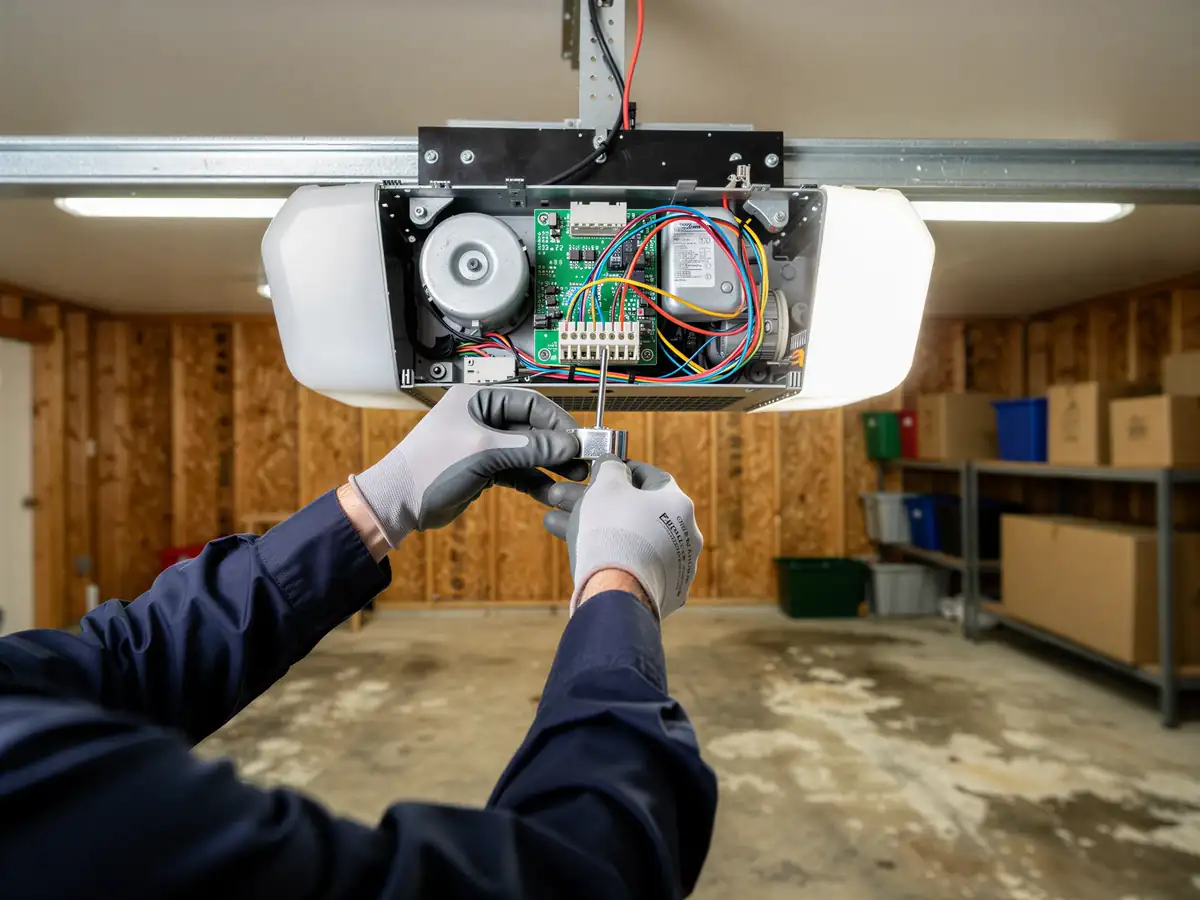
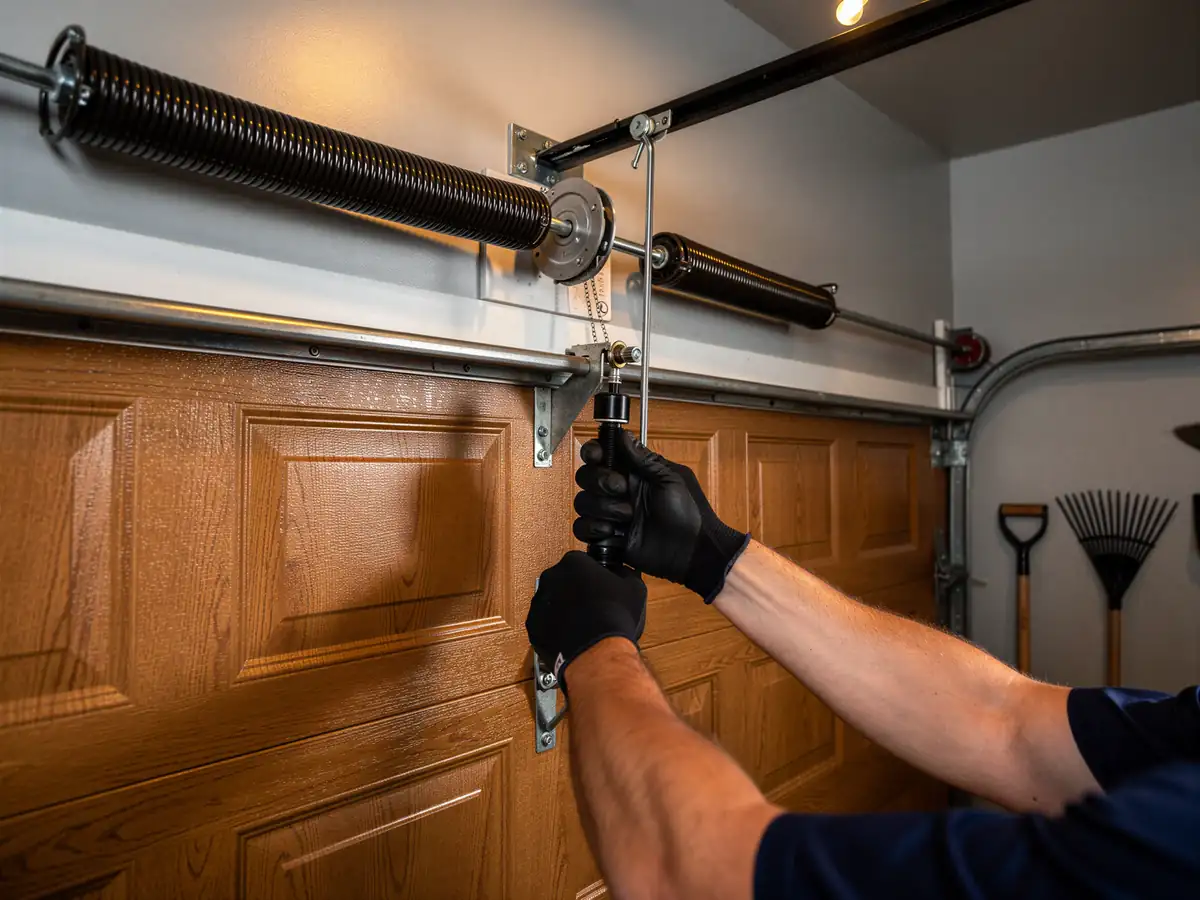
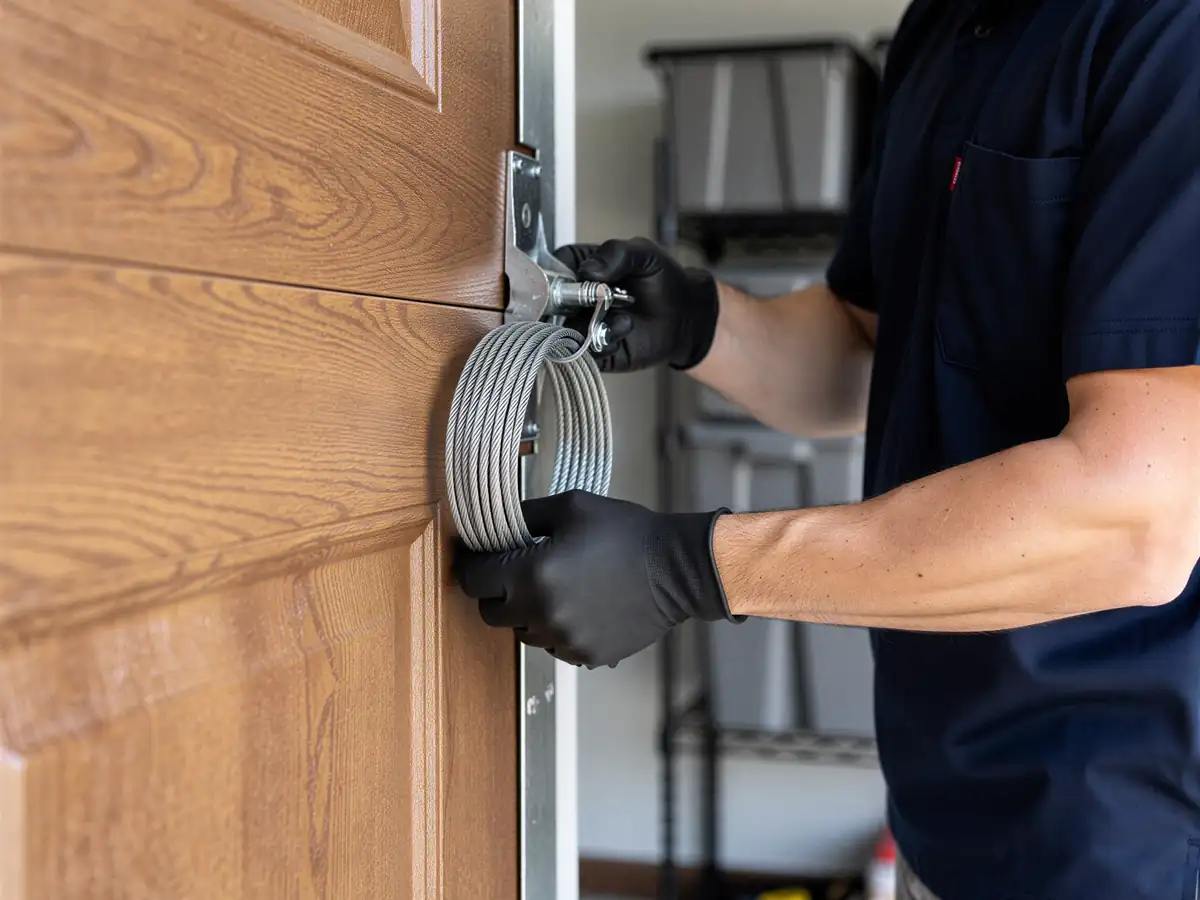
A standard maintenance visit covers the things that actually fail on these older setups: we check spring tension and balance, lubricate rollers and hinges with grease rated for cold temperatures, tighten hardware that's worked loose from the expansion-contraction cycle, inspect cables and pulleys for fraying, and test the opener's force settings and safety sensors. If we find a part that's past adjusting - a roller that's cracked, a spring showing wear beyond safe tension - we'll flag it and give you options rather than replace it without asking. One limit worth being upfront about: if your opener or spring system is old enough that replacement parts aren't stocked anymore, a repair isn't always the better move, and we'll tell you that instead of patching something that'll fail again in six months. We run routes across the service area - Agua Fria, Arroyo Hondo, Eldorado, and the rest of the named communities out to Pecos - so scheduling a maintenance visit doesn't mean waiting on a special trip.
How it works
From “it’s stuck” to “it’s fixed”
01
Tell us what’s wrong
Describe the symptom - won’t open, loud bang, opener runs but the door won’t move.
02
On-site diagnosis
A technician tests the door under power and by hand and finds what actually failed.
03
Clear, up-front plan
You get the fix that’s needed and what drives the cost - before any work starts.
04
Repaired & tested
The repair is done, the door is set true and tested, and the work area left clean.
Not sure which repair your door needs in Santa Fe, NM? Describe what it’s doing - every job starts with a diagnosis.
How often should I get my garage door serviced in Santa Fe?
With our cold winters and the age of most doors in this area - a lot of them from the 1980s and 90s - once a year is a reasonable baseline. If your door sees heavy daily use or you've noticed new noise or hesitation, twice a year catches problems before they turn into a stuck door or a snapped spring.
Why does my garage door get harder to open in winter?
Cold stiffens standard grease and makes metal contract, which tightens tolerances in the track and binds up rollers and hinges. That's a bigger factor here than in milder climates, since Santa Fe sits in a severe cold band. Maintenance with cold-rated lubricant addresses most of this directly.
Is my garage door too old to maintain instead of replace?
It depends on the part and the parts availability. A lot of homes in this area still run openers and springs from the original 1970s-90s installation. If parts for your specific unit are still available, maintenance usually makes sense. If they're not, we'll tell you honestly rather than keep patching it.
Do you service areas outside Santa Fe proper?
Yes - this maintenance service covers the surrounding communities as well, including Agua Fria, Arroyo Hondo, Tesuque, La Cienega, Eldorado, Valencia, Glorieta, Cuyamungue, White Rock, Pojoaque, El Rancho, Los Cerrillos, and Pecos.
Ready to get your garage door sorted?
Tell us what it’s doing and where you are in Santa Fe - we’ll take it from there.