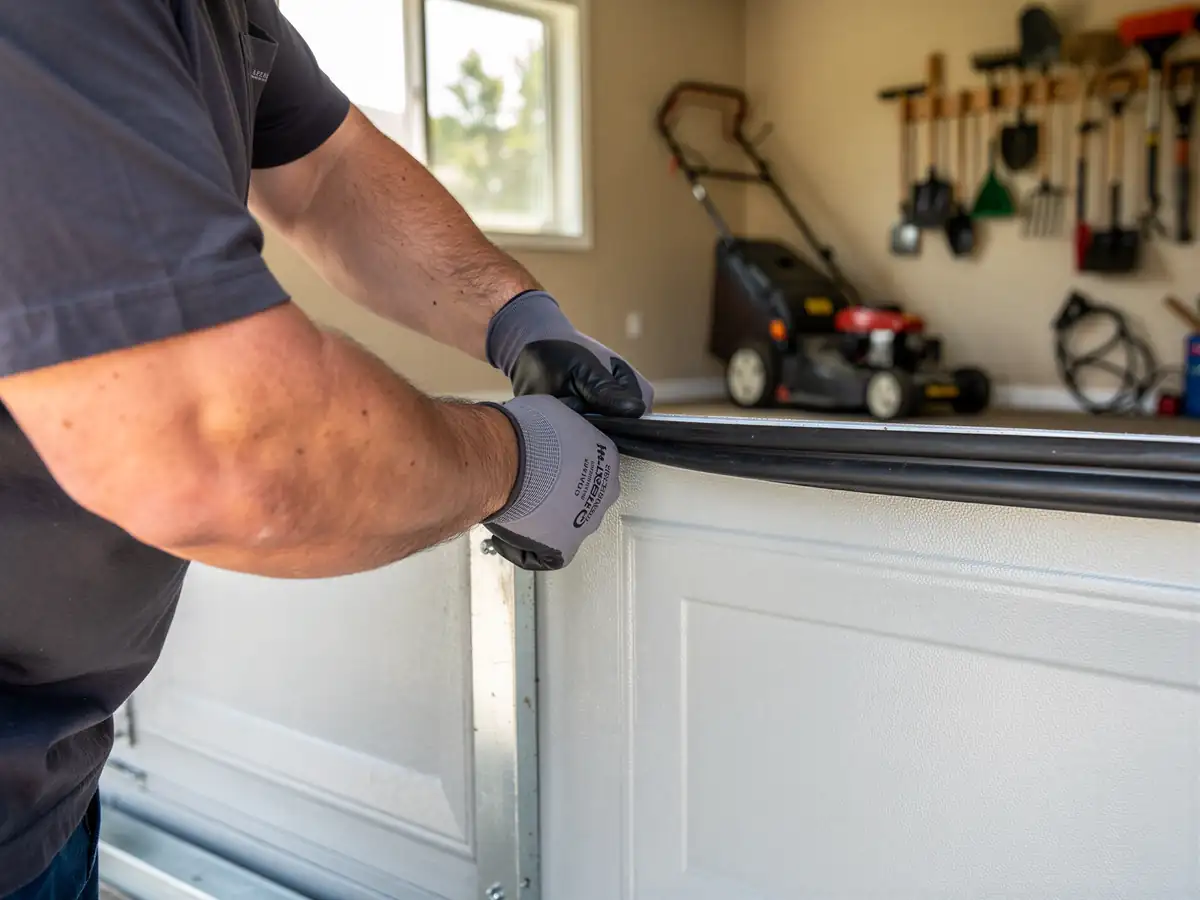
Dented or cracked garage door panels are common on Santa Fe's 1970s-90s housing stock. See what causes it, what drives cost, and how we replace panels right.
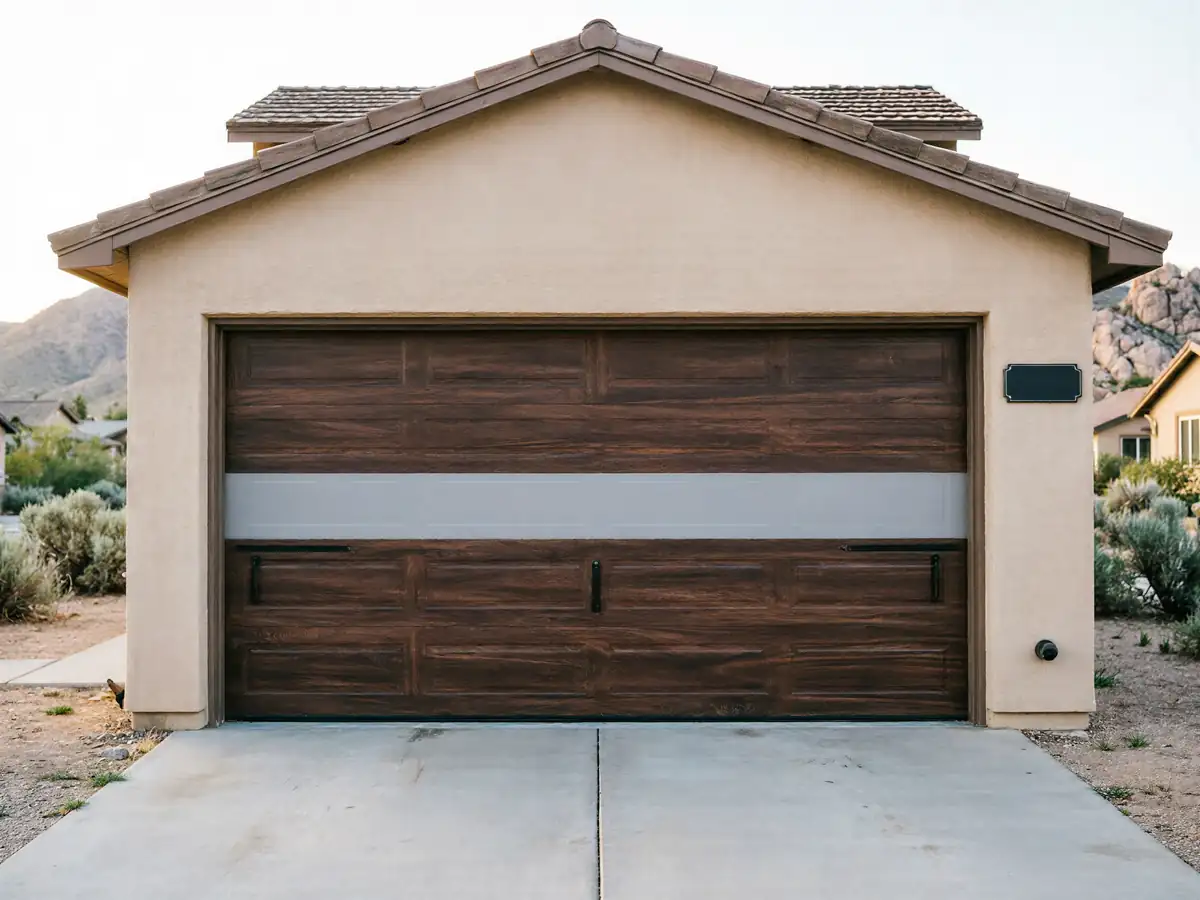
A bowed or cracked section on one panel, a dent from a bumper tap, or a seam that's pulled apart at the hinge line. Sometimes it's just one panel out of place on a door; sometimes the whole section has warped enough that the door binds in the track when it travels. On the steel doors common across this area, you'll often see rust starting at the bottom panel seam first, since that's where snowmelt and road salt sit longest against the metal. On older wood-composite doors from the same build era, the damage shows up as swelling or delamination at the panel edge rather than a clean crack. Either way, a damaged panel isn't just cosmetic - it throws off the balance of the whole door, which puts extra load on the springs and opener that weren't sized to compensate for a warped section. We see this most on doors original to houses built in the 1980s and 90s, where the panel material and the hardware are both near the end of their service life at the same time.
What It Costs
We don't publish flat panel prices here because the cost swings a lot based on door width, panel material, and whether your door is still in production or discontinued. A single steel panel on a common width is a different job than matching an embossed wood-look panel on a door nobody makes anymore - which is a real issue on housing stock from the 1980s and 90s, since a lot of those original doors are out of production. If we can't match the panel, replacing the whole door is usually the honest answer rather than forcing a mismatched section onto it. We'll tell you straight if a full door makes more sense than chasing a part.
What Causes It Around Here
Most of the houses we work on across the Santa Fe area were built between 1973 and 1999, with the bulk of that stock going up in the 1980s and 90s. Panels from that era are steel or a wood-composite sandwich, and both materials have the same weak point after 30-plus years: the seams and the bottom section, which take the brunt of ground-level impact and moisture. Santa Fe sits in a severe cold climate band, and that matters for panels specifically because repeated freeze-thaw cycling works at any existing crack or seam gap, widening it a little more each winter until the panel fails outright. Garages that aren't heated see this faster than attached, conditioned ones. Add in the age of the original installs across the service area - Agua Fria, Arroyo Hondo, Eldorado, and the rest of the surrounding communities share the same building era - and panel failure on a 25-to-45-year-old door is one of the more predictable repairs we get called for, not a random event.
How We Fix It
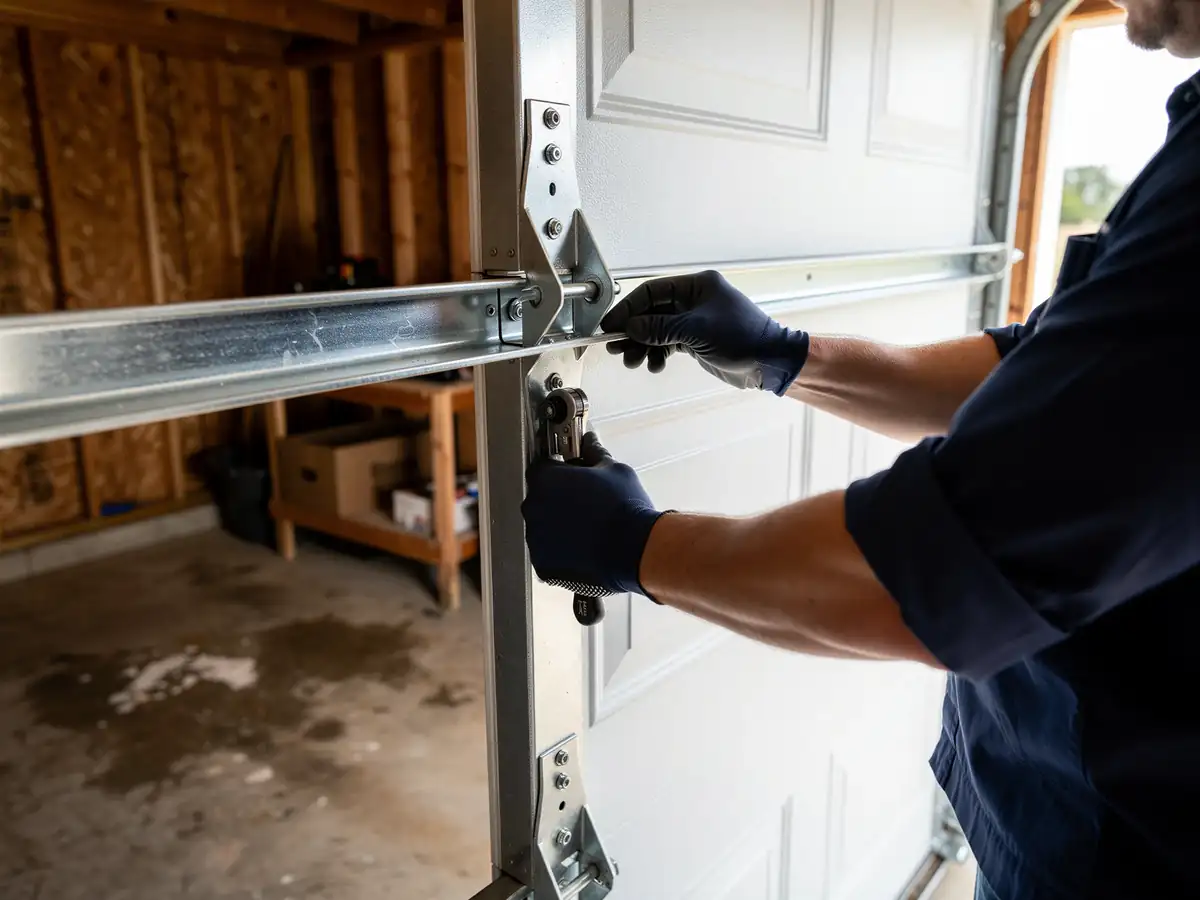
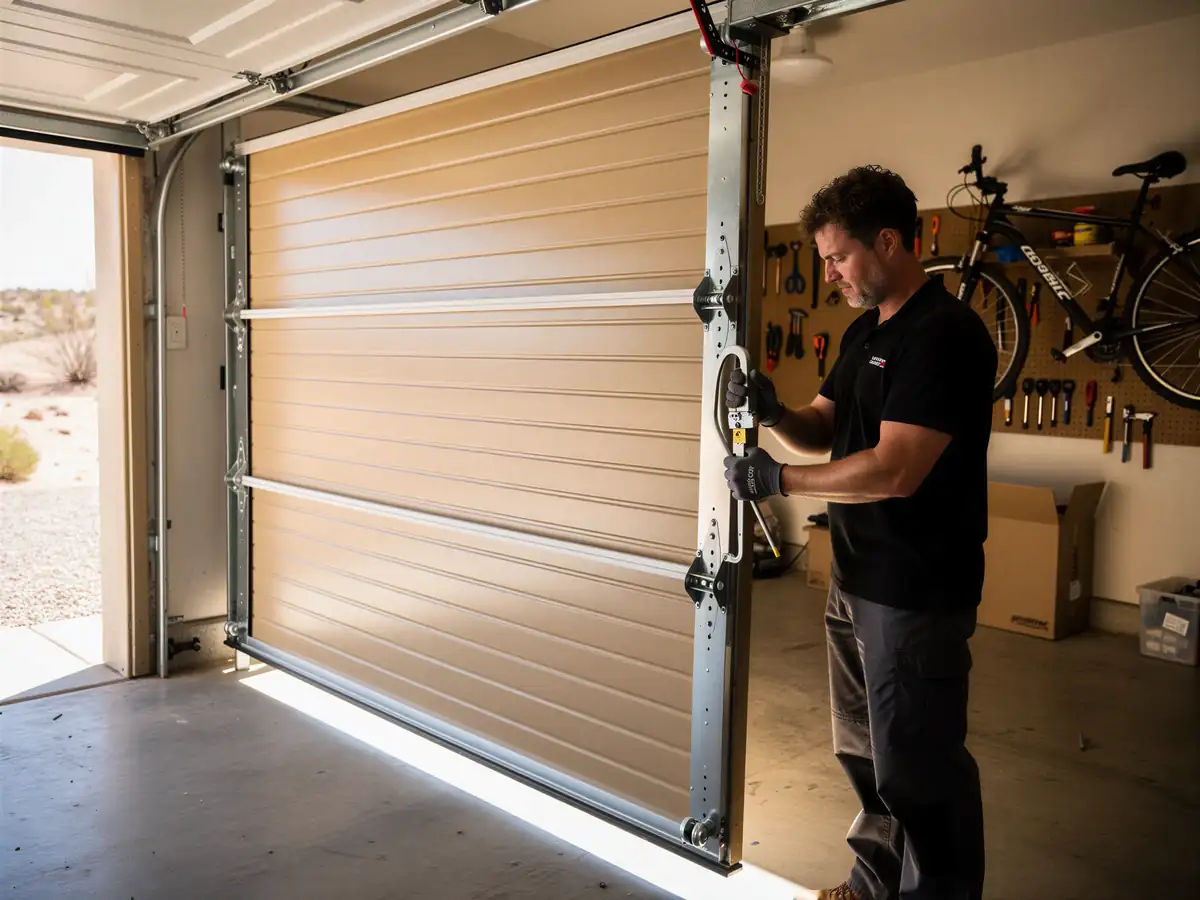
First we check whether the panel is still made or if the door's discontinued, since that decides whether this is a parts job or a full-door conversation. If a matching panel exists, we pull the damaged section, check the hinges and rollers on either side of it for wear (they take extra stress once a panel's out of true), and set the new panel so the door travels straight again. If the track or spring tension needs adjusting because the old panel's weight was off, we handle that in the same visit. For doors where the panel line is gone, we'll walk you through replacement options and what a comparable door runs, rather than quoting a patch that won't hold. We serve homeowners across the Santa Fe area, from Agua Fria and Arroyo Hondo out to Pojoaque and Pecos, and the fix is the same conversation wherever the door sits: match it if we can, replace it if we can't, and don't leave a mismatched panel that'll fight the opener for years.
How it works
From “it’s stuck” to “it’s fixed”
01
Tell us what’s wrong
Describe the symptom - won’t open, loud bang, opener runs but the door won’t move.
02
On-site diagnosis
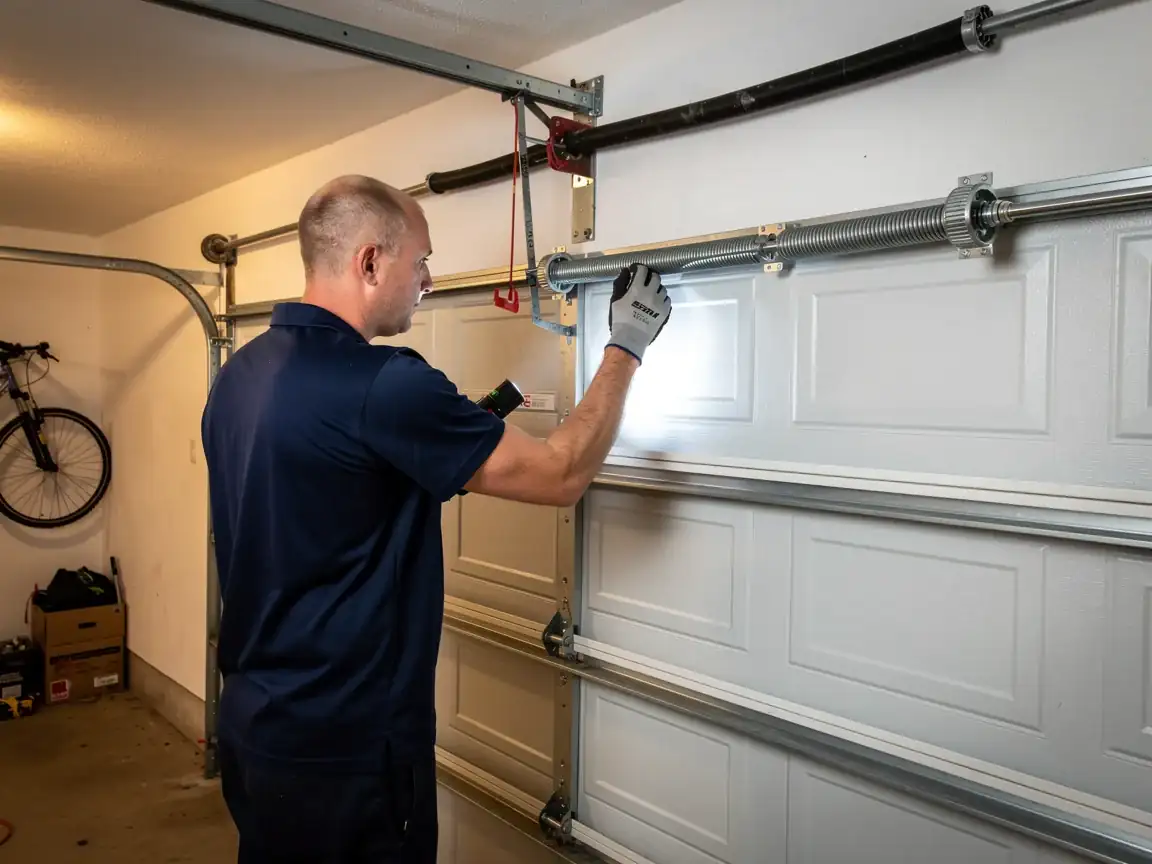
A technician tests the door under power and by hand and finds what actually failed.
03
Clear, up-front plan
You get the fix that’s needed and what drives the cost - before any work starts.
04
Repaired & tested
The repair is done, the door is set true and tested, and the work area left clean.
Not sure which repair your door needs in Santa Fe, NM? Describe what it’s doing - every job starts with a diagnosis.
Sometimes. It depends on whether your door model is still in production. A lot of doors original to houses built in the 1980s and 90s around Santa Fe are discontinued, so we check the model and section size first before promising a single-panel match.
Why did my panel crack in the first place?
Usually it's age meeting our climate. Santa Fe's severe cold winters put freeze-thaw stress on any existing seam gap or small crack, and steel and composite panels from the 1970s-90s building era are old enough that this kind of fatigue failure is common, not unusual.
Is a cracked panel urgent or can it wait?
A cracked panel throws off your door's balance, which adds strain to the springs and opener. It won't strand you overnight the way a broken spring will, but we wouldn't let it sit through a full winter of freeze-thaw cycling without at least getting it looked at.
Do you replace the whole door if the panel can't be matched?
We'll tell you honestly when that's the better option. Forcing a mismatched or ill-fitting panel onto an older door usually costs more in the long run than doing the door once, and we'd rather give you that option up front than patch it twice.
Ready to get your garage door sorted?
Tell us what it’s doing and where you are in Santa Fe - we’ll take it from there.