How Local Conditions Play In
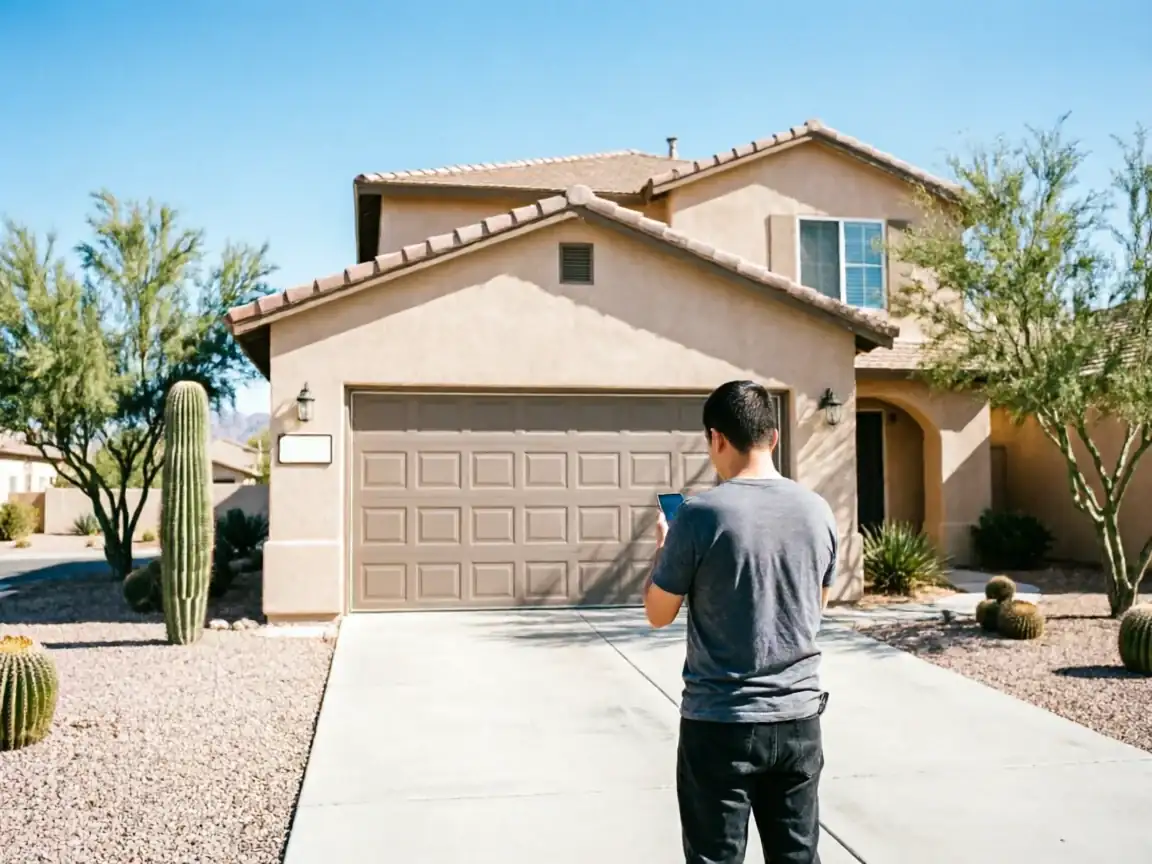
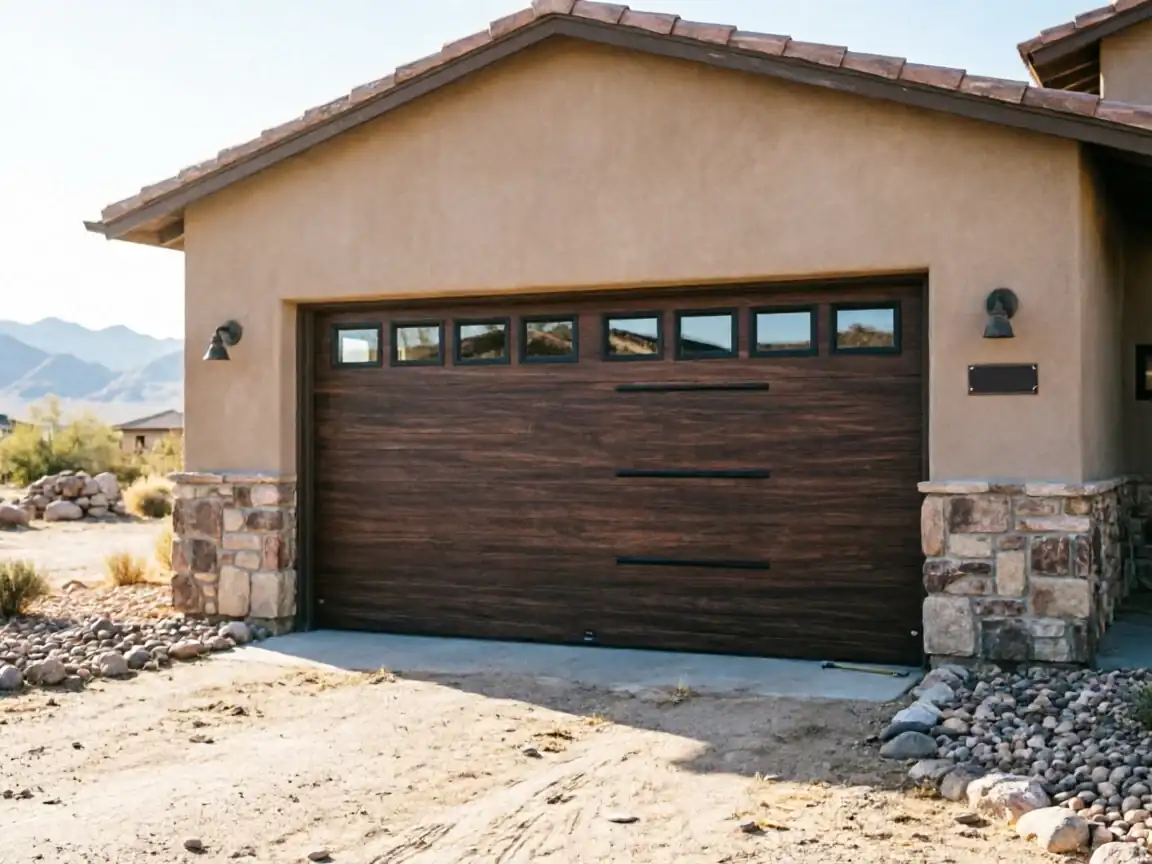
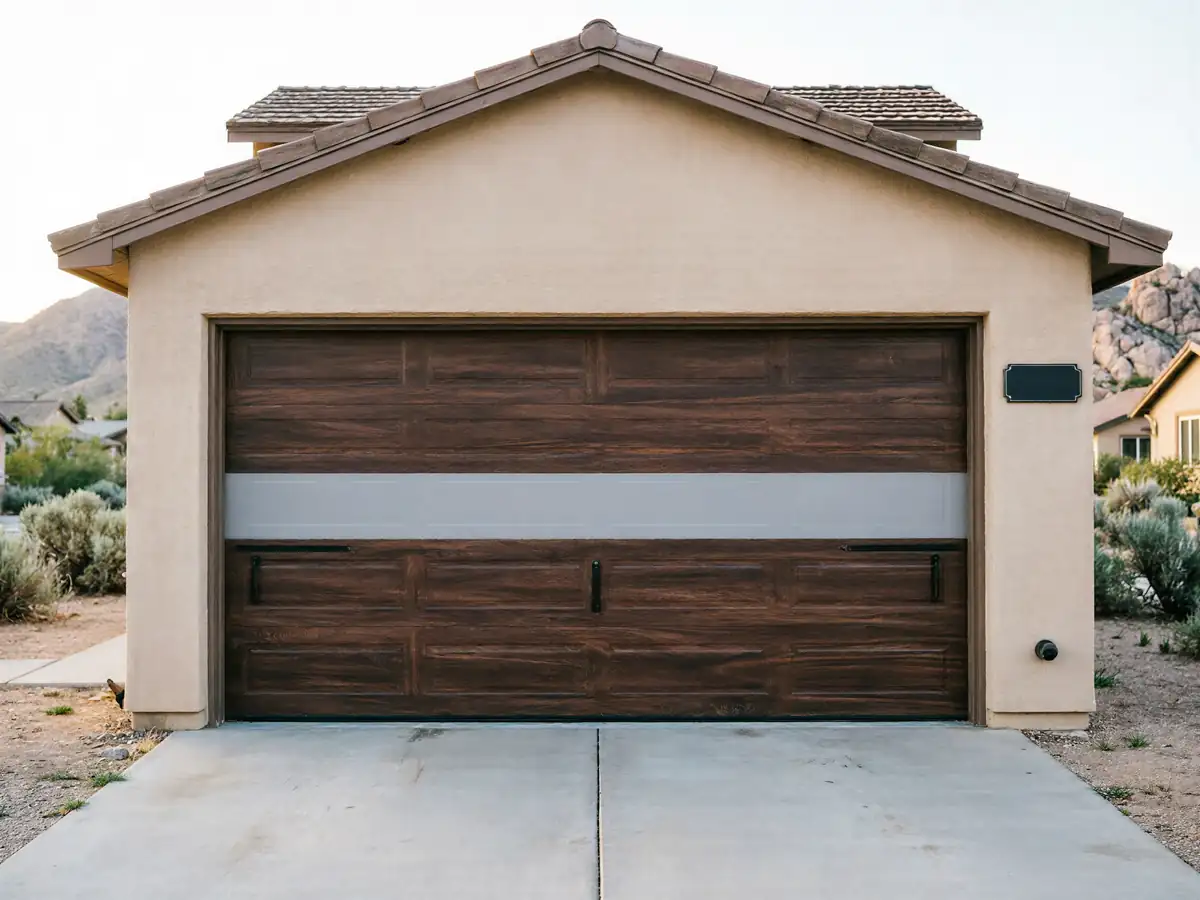
Most of the houses we work on in Santa Fe and the surrounding areas
Agua Fria, Arroyo Hondo, Eldorado, Tesuque, and the rest of the thirteen areas we cover - were built between 1973 and 1999, with the median landing around 1990. That gives us a lot of doors and openers that are original or close to it, running on hardware that was standard for that era: steel torsion springs sized for lighter sectional doors, chain-drive openers, and tracks bolted to framing that's now pushing thirty to fifty years old.
The cold band here matters more than people think
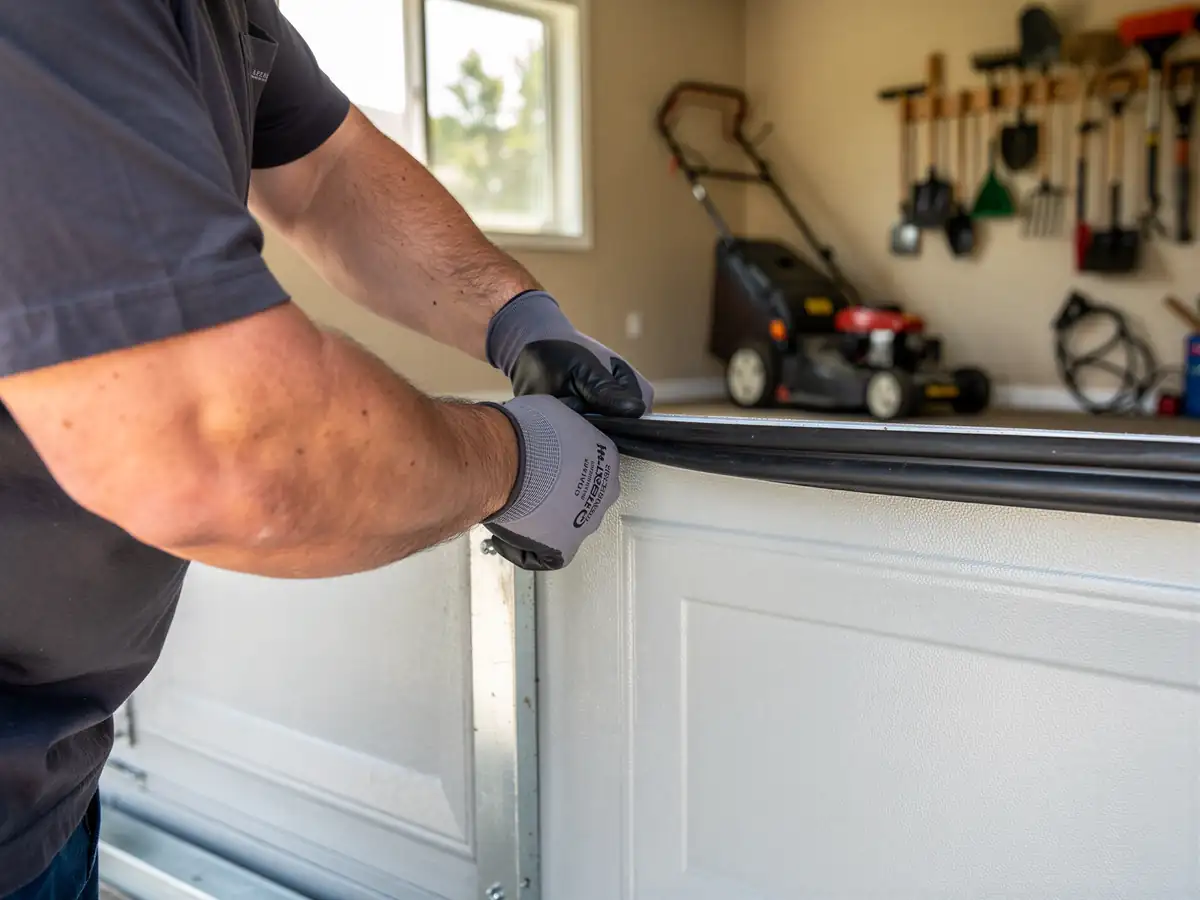
A severe cold climate means steel springs and cables go through real temperature swings - cold overnight lows that stiffen lubricant and tighten steel, then daytime sun that can swing a garage interior temperature a good amount if the door faces south or west. That cycling is what ages torsion springs and hardens old grease faster than a mild-climate house would see. On a service call, we're not just checking if the door opens - we're checking how the cold has worked on springs, bearings, and the weatherstrip at the bottom panel, because in this climate that seal is doing more work than it would somewhere milder.
The Situation
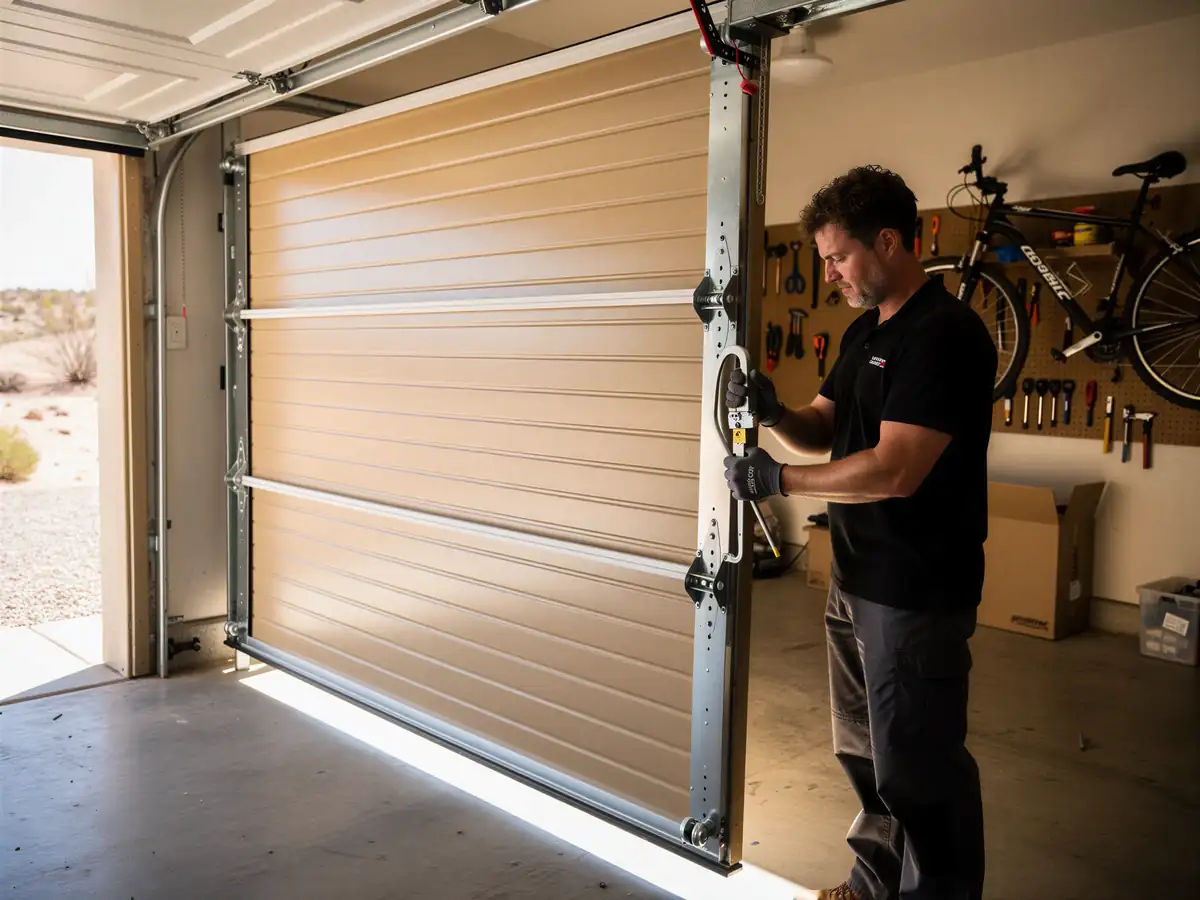
When we get called out, the first thing we're doing is matching what's on the door to what era it's from. A door install from the late 1980s or early 1990s - which is common stock across this service area - usually has a torsion spring sized to the original door weight, not whatever heavier insulated door might have gone on later if someone replaced panels without replacing the spring. That mismatch is one of the most common things we find on a call that was booked as "opener won't lift the door."
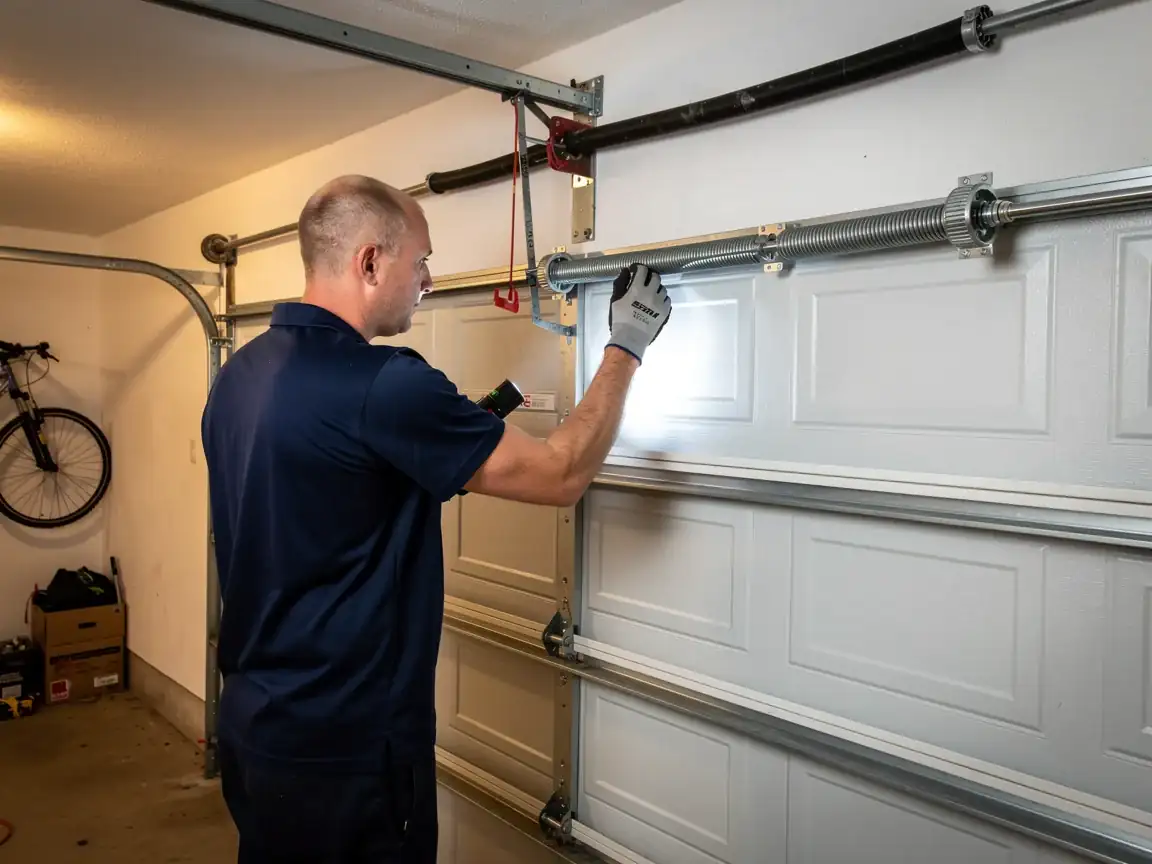
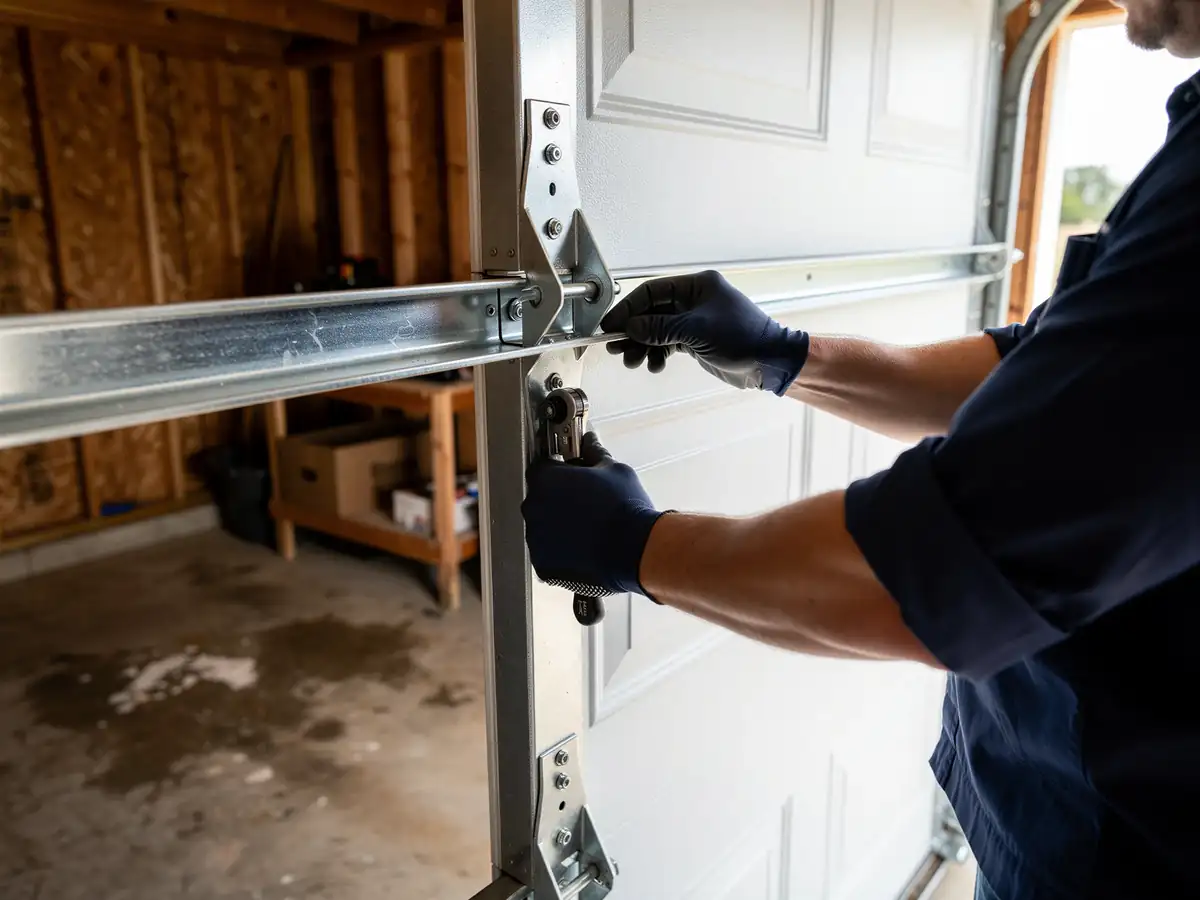
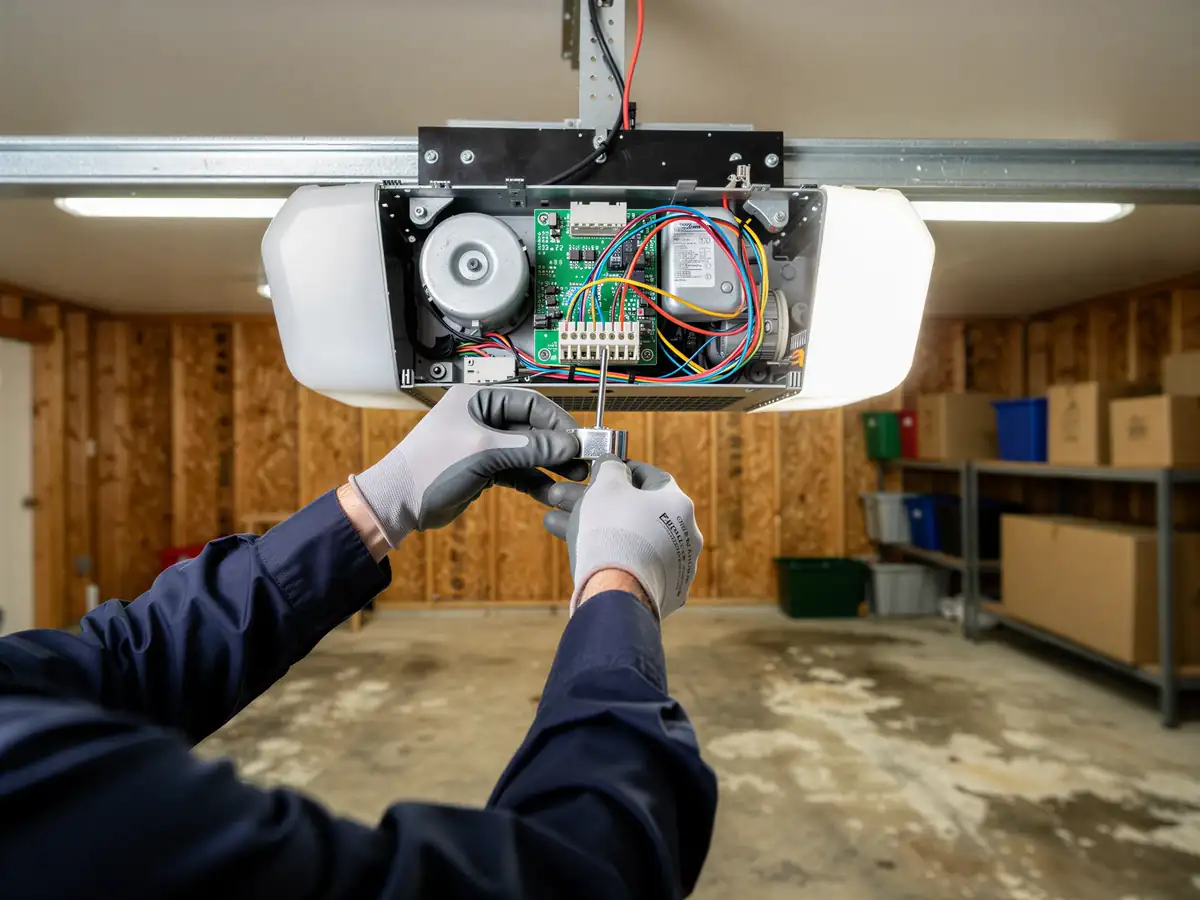
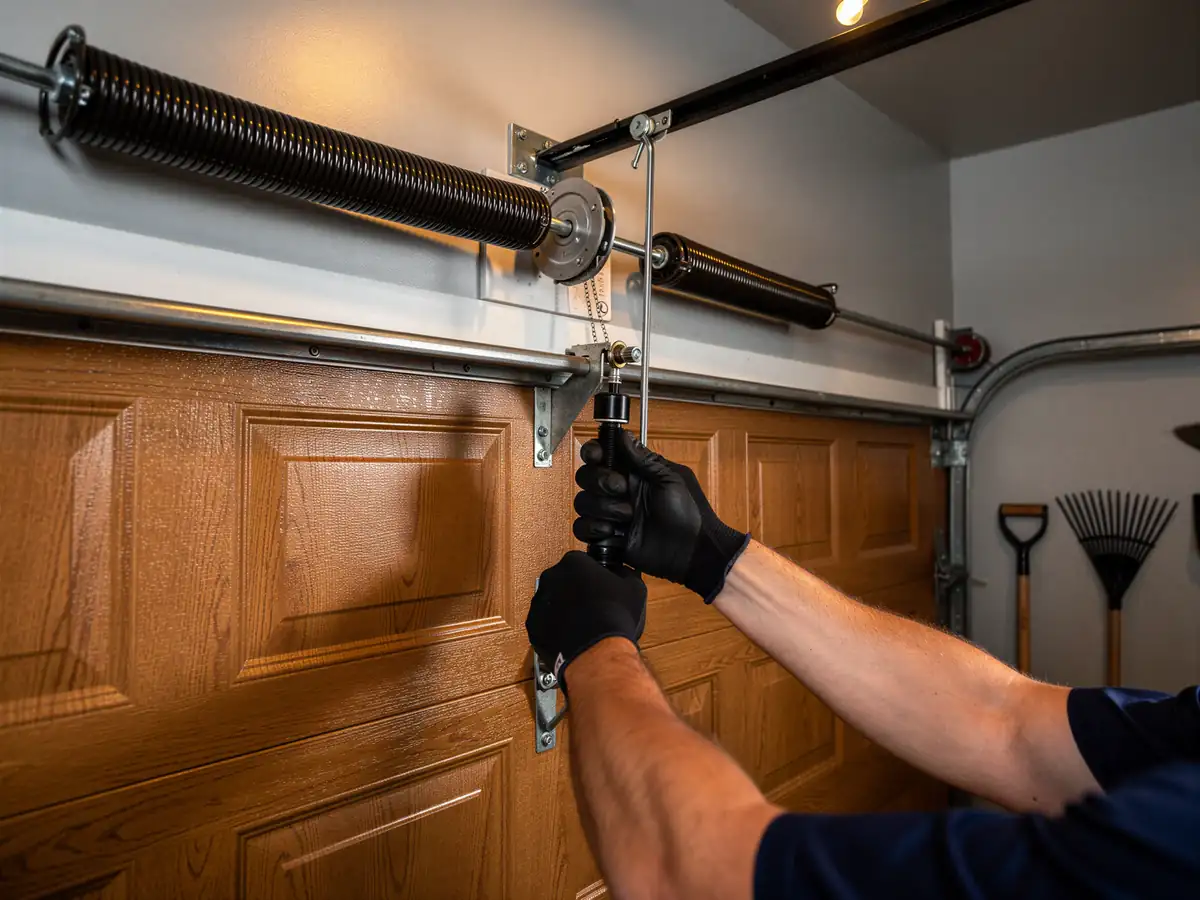
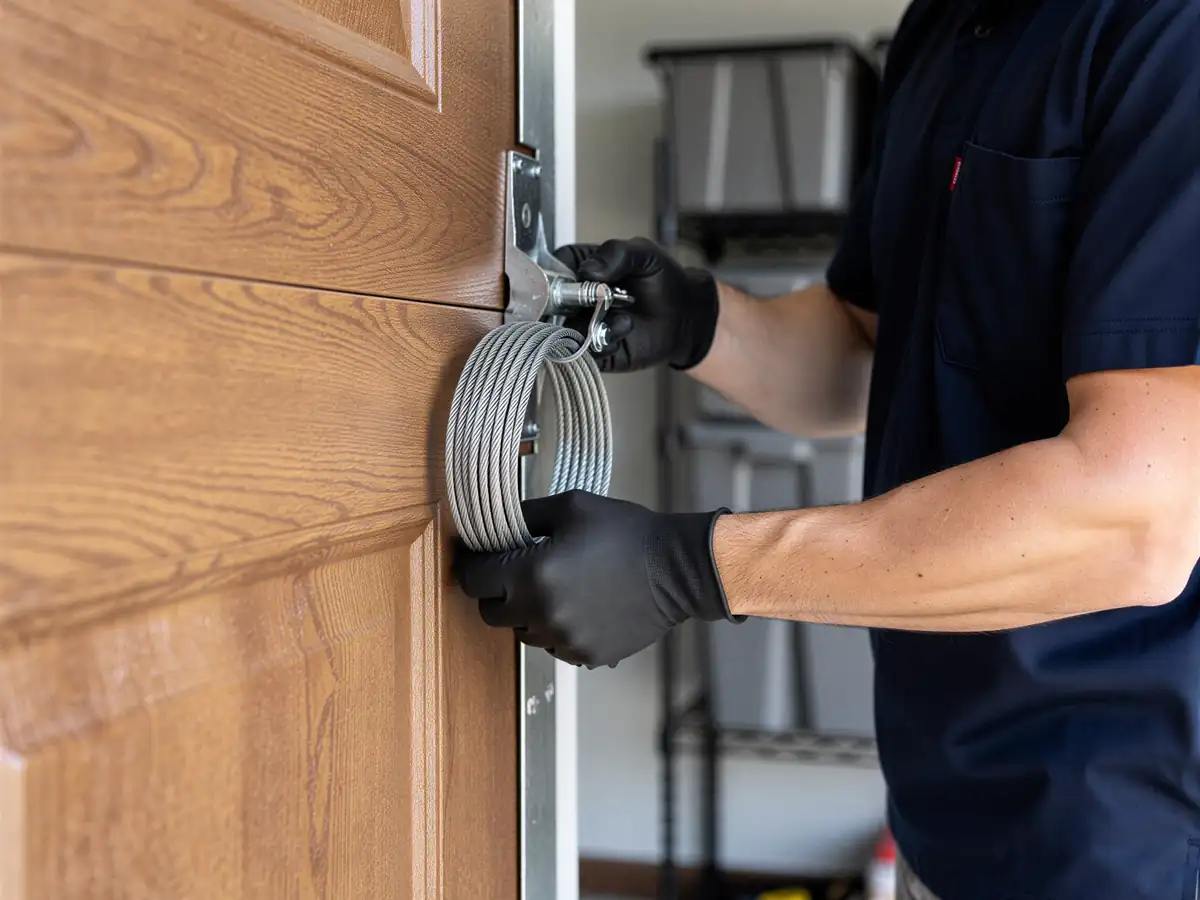
We check the spring winding and cable condition first, since those are the parts most affected by repeated cold-to-warm cycling. Then the track alignment, since original installs from this period often used lighter gauge track that's since loosened at the jamb brackets. Rollers get checked for pitting - steel rollers from a 1980s-90s build are usually original, and after this many years of cold-weather use they're often the actual point of failure, not the opener logic board everyone assumes is broken. Last is the opener itself: travel limits, force settings, and the safety sensors, which drift out of adjustment as a house settles over decades.
The Common Mistake
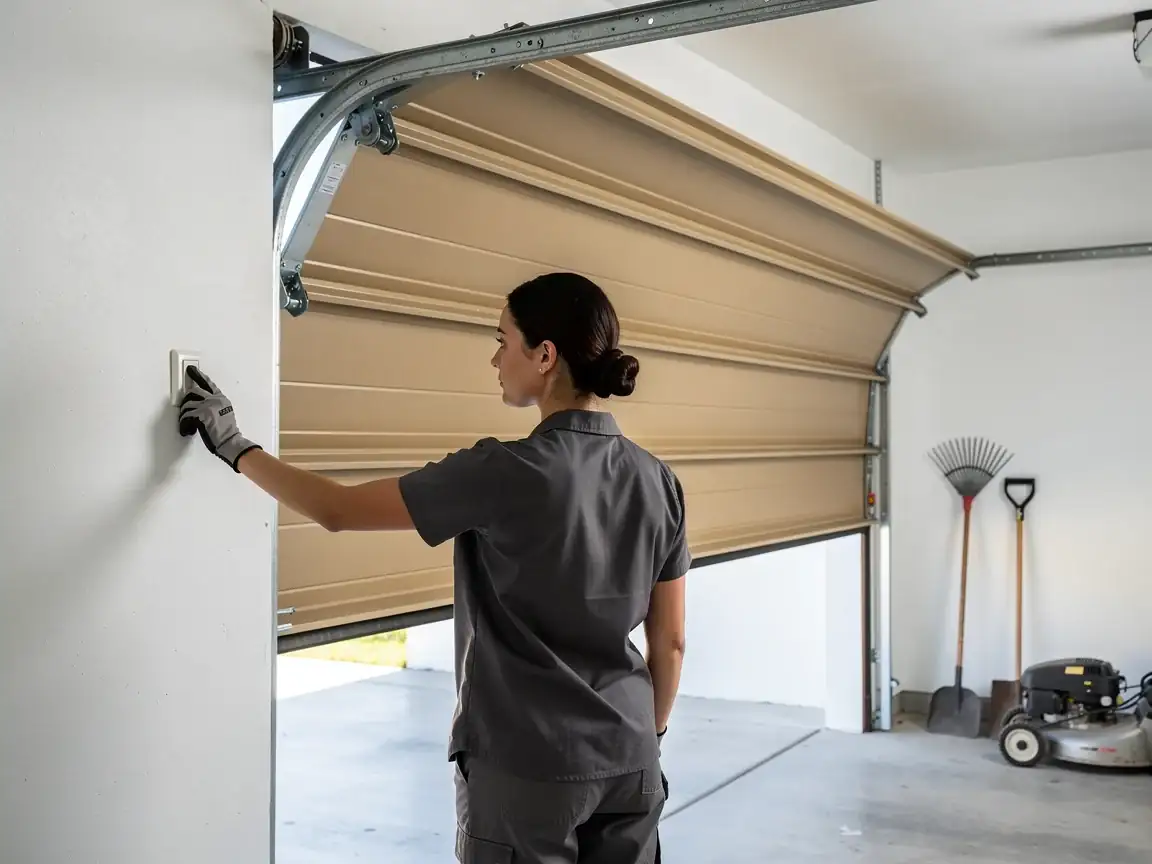
The mistake we see most in this area is homeowners replacing an opener to fix a problem that's actually in the spring or track. Because so much of the housing stock here is from the same 1980s-90s window, a lot of torsion springs are hitting end of life around the same time, and a tired spring makes an opener strain and sound like it's dying - so people swap the opener and the door still struggles, because the spring was never the part they fixed.
The other version of this mistake is ignoring the bottom seal. In a severe cold climate, a cracked or flattened bottom weatherstrip lets cold air and moisture into the garage, which then affects anything stored near the door - and it accelerates rust on the bottom panel hardware faster than people expect. It's a cheap part and an easy fix, but because it doesn't make noise or stop the door from working, it gets skipped call after call until the panel itself needs attention.
When to Call Someone
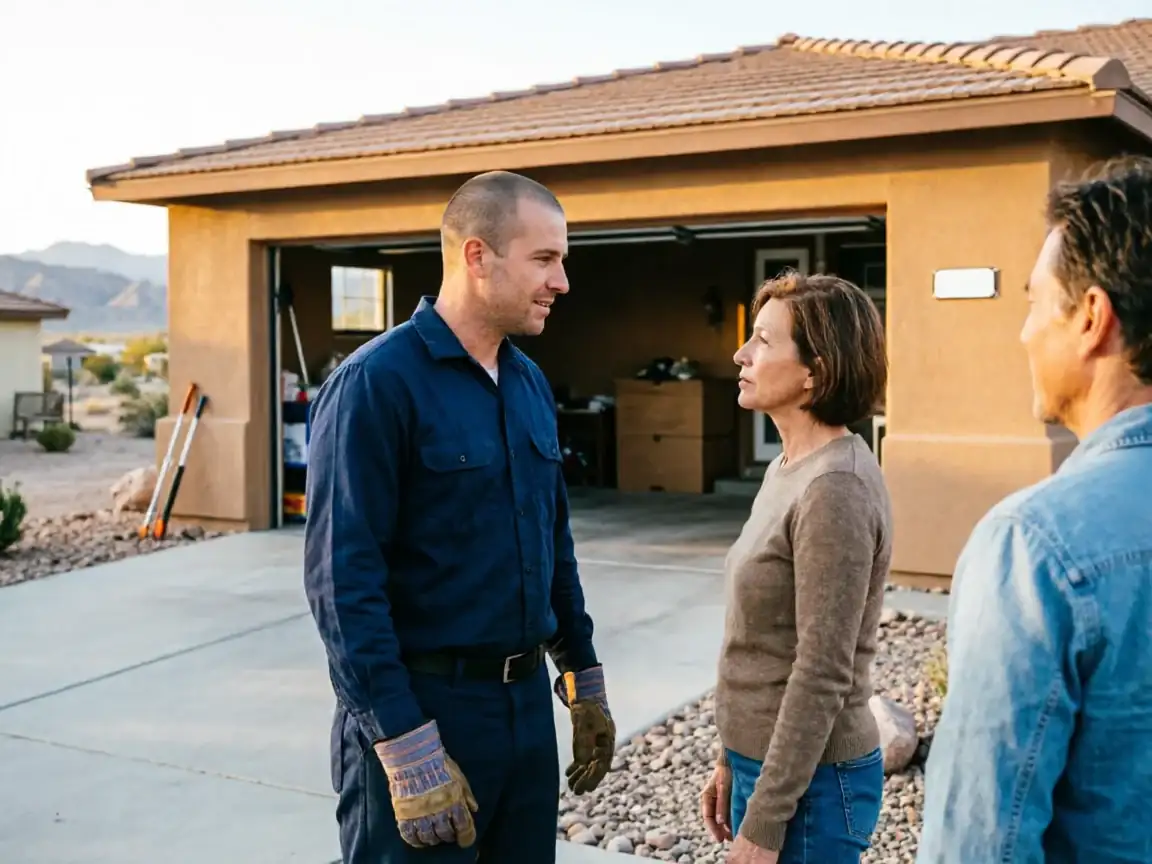
If a door that's original to a house built in that 1973-1999 window is straining, grinding, or dropping unevenly, that's worth a call rather than a quick DIY lubrication
Springs under tension from decades of cold-cycling can fail suddenly, and on a double door that's a two-person, right-tool job.
We'll be honest about one thing
If your door and opener are both original to a build from the earlier end of that range, sometimes the math doesn't favor repair. A new spring on an opener that's also failing, with rollers that are pitted and track that's bent at the brackets, adds up fast - at that point we'll tell you replacement is the better spend, not just upsell a repair that won't hold. With household income here running close to the regional median, we'd rather give you that number up front than have you pay for parts twice.