How Local Conditions Play In
Most houses across the thirteen communities we cover here
Agua Fria two miles out, all the way to Pecos at eighteen - were built between 1973 and 1999, with the bulk of that stock dating to the 1980s and 90s. That matters for openers specifically, because a unit installed when the house was new is long gone by now, and most of what's running today is a second or third replacement bolted onto wiring and a header that's forty-plus years old in some cases.
Add the climate band this area sits in
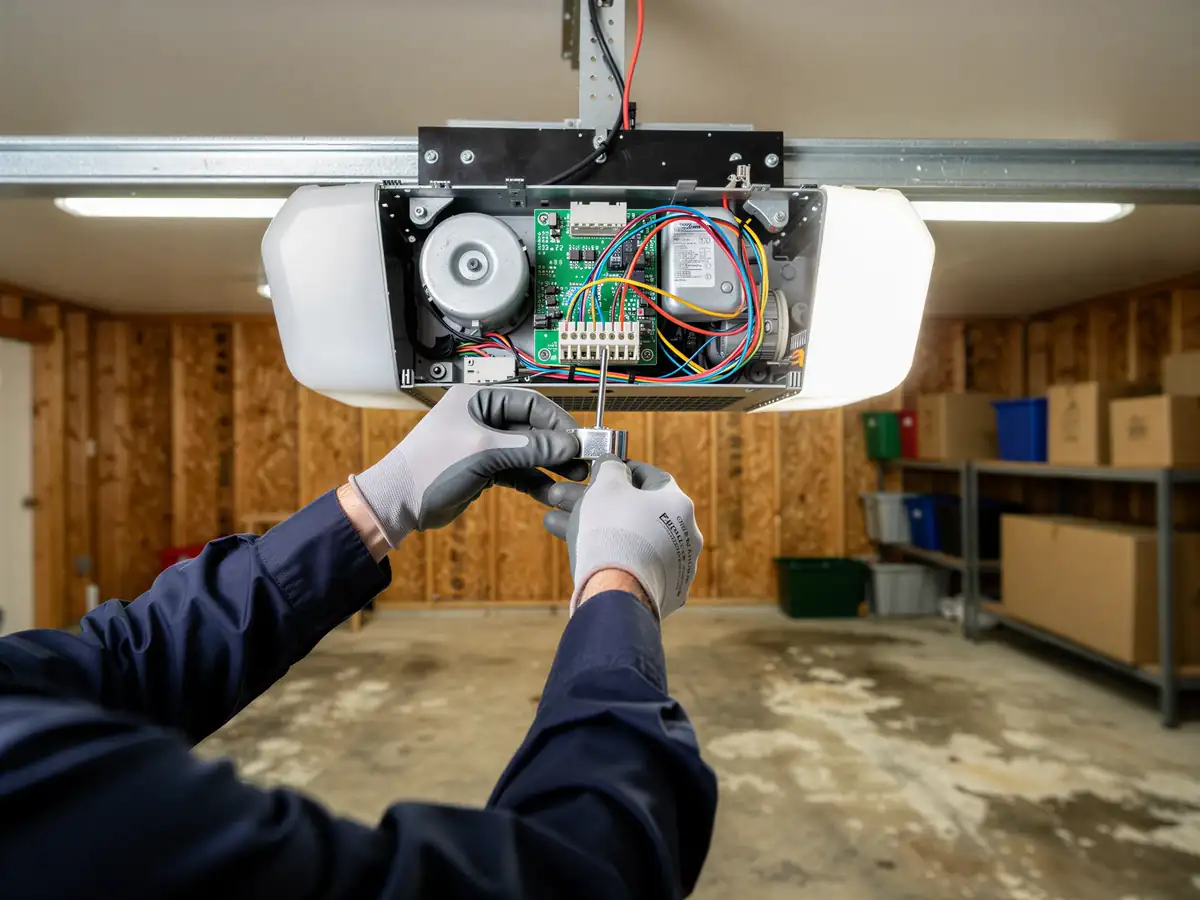
COLD, and on the severe end of that scale - and you get a specific pattern of failure. Circuit boards and photo-eye sensors are the first parts to act up when night temperatures drop hard and fast, well before springs or cables show any strain. Lubricant in the opener's drive gear thickens in cold garages too, which makes the motor work harder to do the same job it did in October.
So when someone says their opener "just died" after a cold night
That's not a coincidence tied to bad luck. It's a predictable outcome of older openers paired with hard winters, and it shows up every year around the same stretch of the calendar.
The Situation
Here's the actual situation homeowners run into: the power cuts out during a storm, and the garage door won't move at all, not even by hand it seems. Across the 7,486 owner-occupied houses in this service area, a good number still run openers that predate standard battery backup, which wasn't common equipment until more recent years. Older units just go dark the moment the grid does.
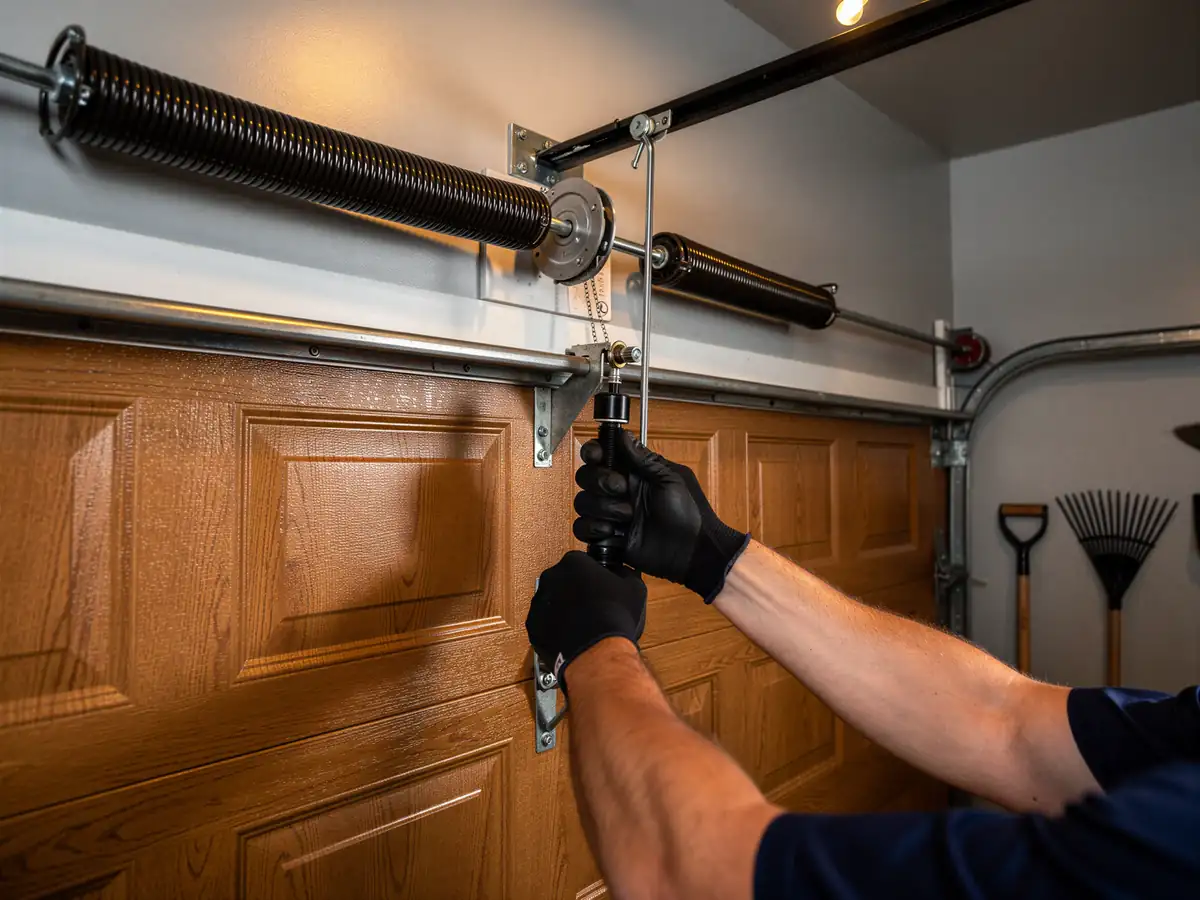
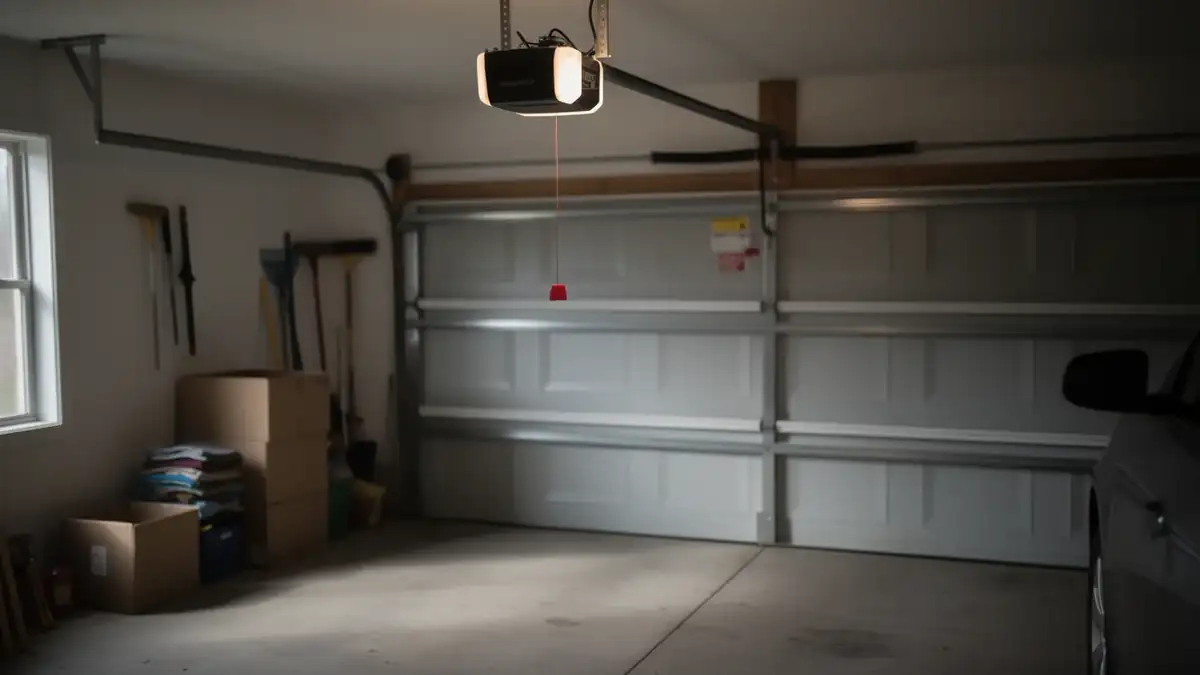
That's different from a spring breaking, where the door is physically heavy to lift and stuck in place no matter what power is doing. With a power cut, the door itself is usually fine - balanced, springs intact - it's only the opener that's offline. The fix in the moment is almost always the manual release, not a repair call.
With 10,772 households spread across this area, a single hard freeze or outage event can knock a lot of openers offline at the same time, which is why this is worth understanding ahead of the night it happens rather than during it. Knowing the difference between "the opener lost power" and "something actually broke" saves a wasted service call and tells you whether you need help tonight or next week.
The Common Mistake
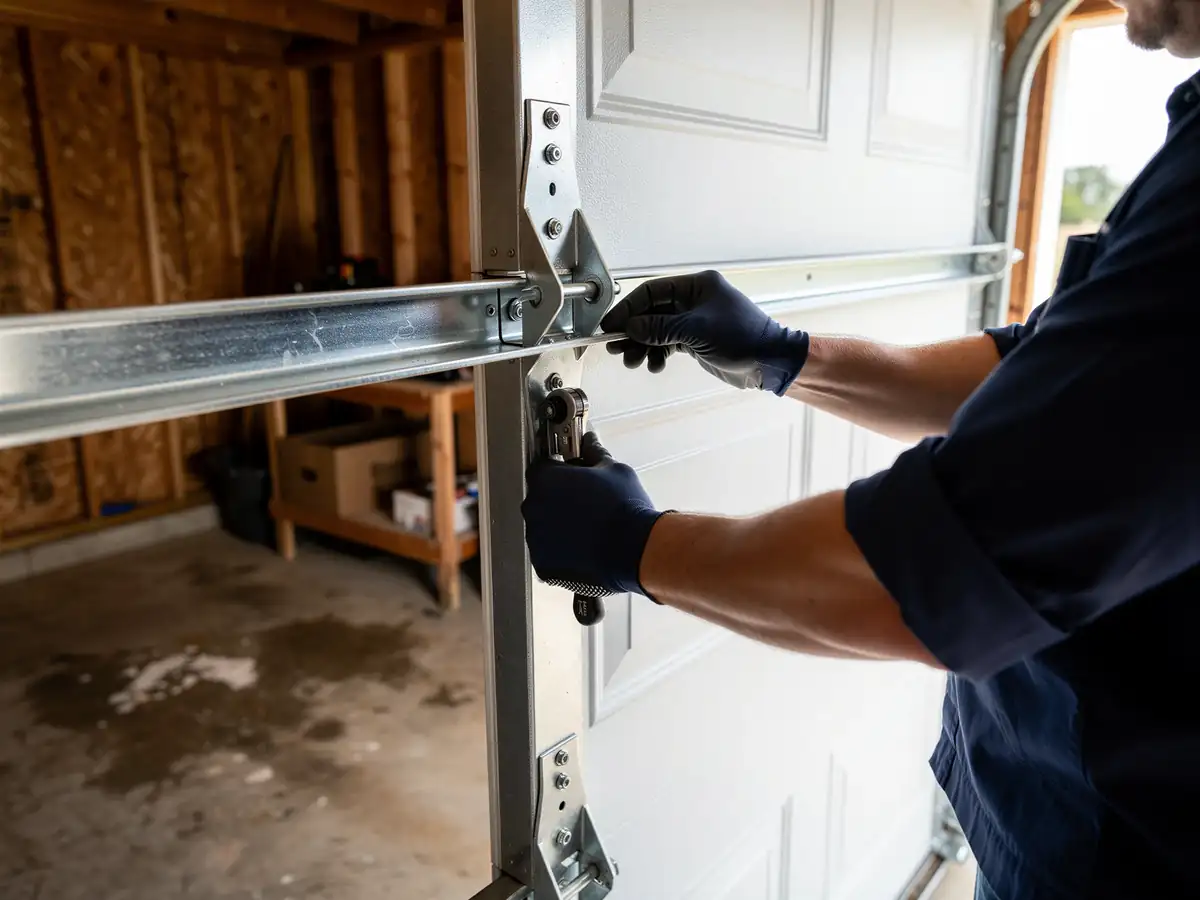
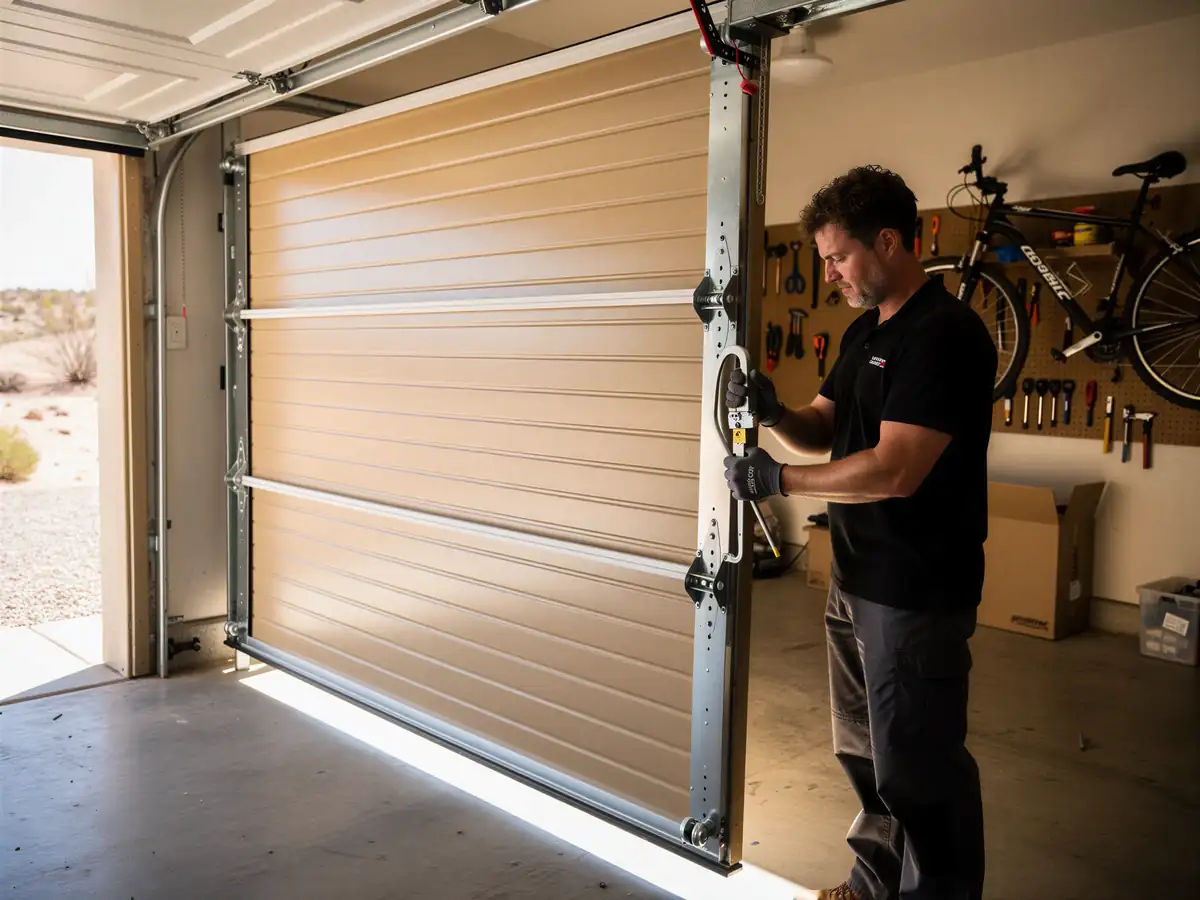
The mistake we see most is homeowners assuming a dead opener during an outage means the opener itself failed, when really it's just doing exactly what it's built to do - sitting there with no power. People force the door, yank on the track, or call about a "broken opener" when the real issue is a thirty-second fix: pull the manual release cord and lift the door by hand.
The second mistake is not knowing where that cord is. Houses in the 1980s-90s stock that makes up most of these thirteen communities often have the release positioned differently than anything installed in the past decade, because the opener hardware itself predates today's standard layout. If you've never located it before a storm, you're looking for it during one, which is the worst time.
The third mistake is cold-weather specific: running the opener repeatedly against a door that's stiff from cold grease, trying to force it through, which burns out the motor or strips the gear. If the door is moving slow and groaning in winter, that's a lubrication problem, not a reason to keep hitting the button.
When to Call Someone
Call if the manual release doesn't free the door at all
That usually means something mechanical is actually broken, not just powered down, and it's not safe to keep forcing it. Call if the opener has power but won't respond to the remote or wall button; that's a board or sensor issue, and those don't get better with repeated tries.
We'll be honest about a limit here: we can't diagnose a circuit board problem over the phone
Opener boards fail in enough different ways that guessing before someone's looked at it wastes your time and ours. What we can tell you ahead of a visit is whether it's worth repairing an opener from the 1980s-90s era versus replacing it outright - parts for boards that old aren't always stocked, and at some point a repair costs most of what a new unit does.
If the door won't budge even by hand, don't keep pulling on the release cord or forcing the track
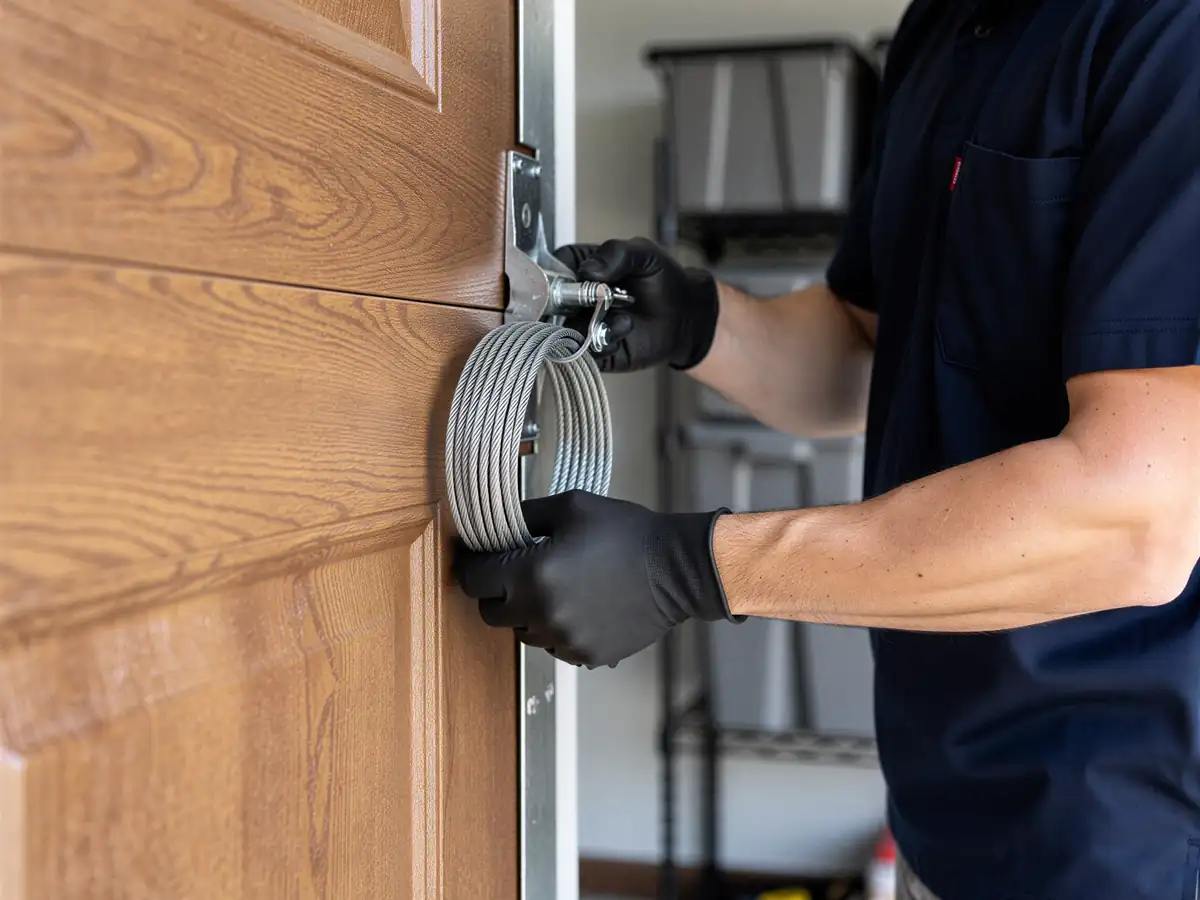
That's usually a spring or cable problem riding alongside the power issue, and that combination is a same-visit call, not a wait-and-see.