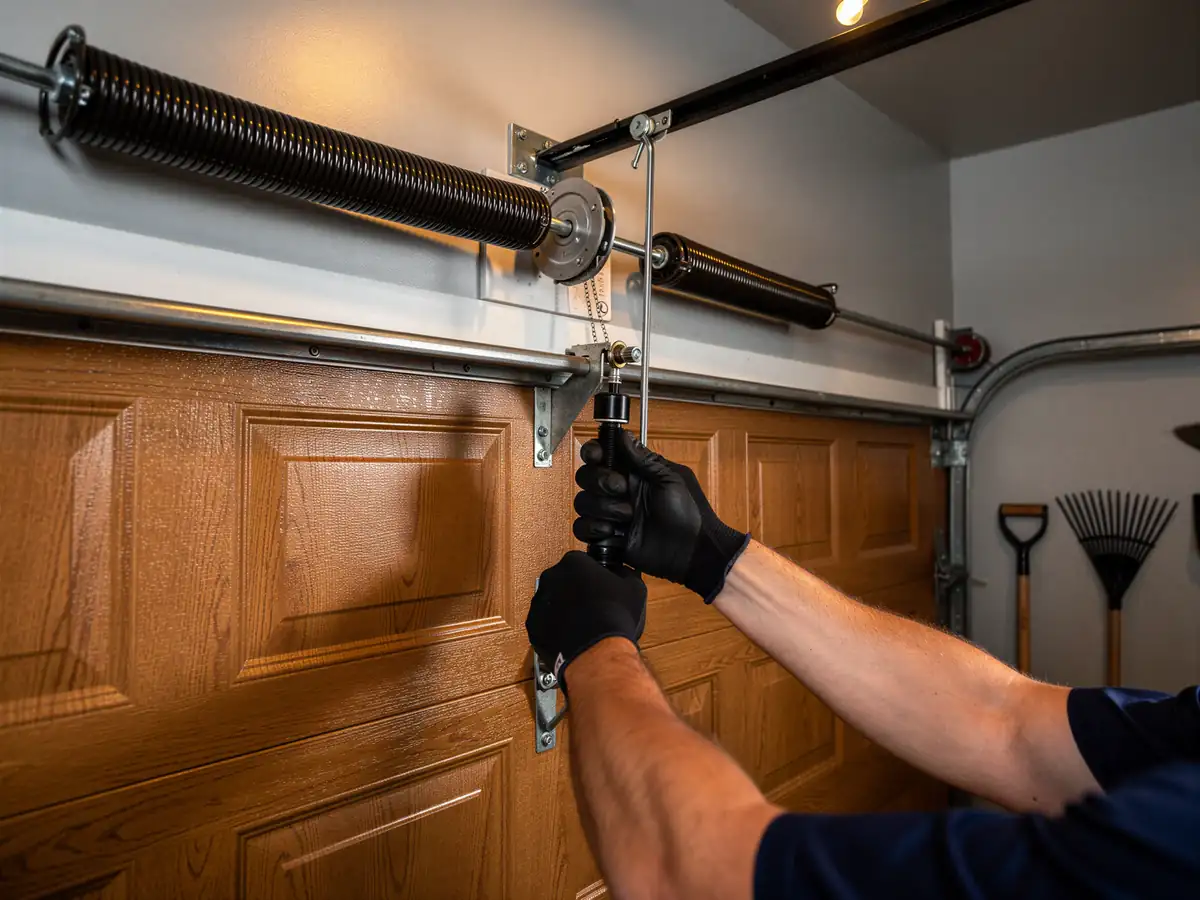
What Can Go Wrong
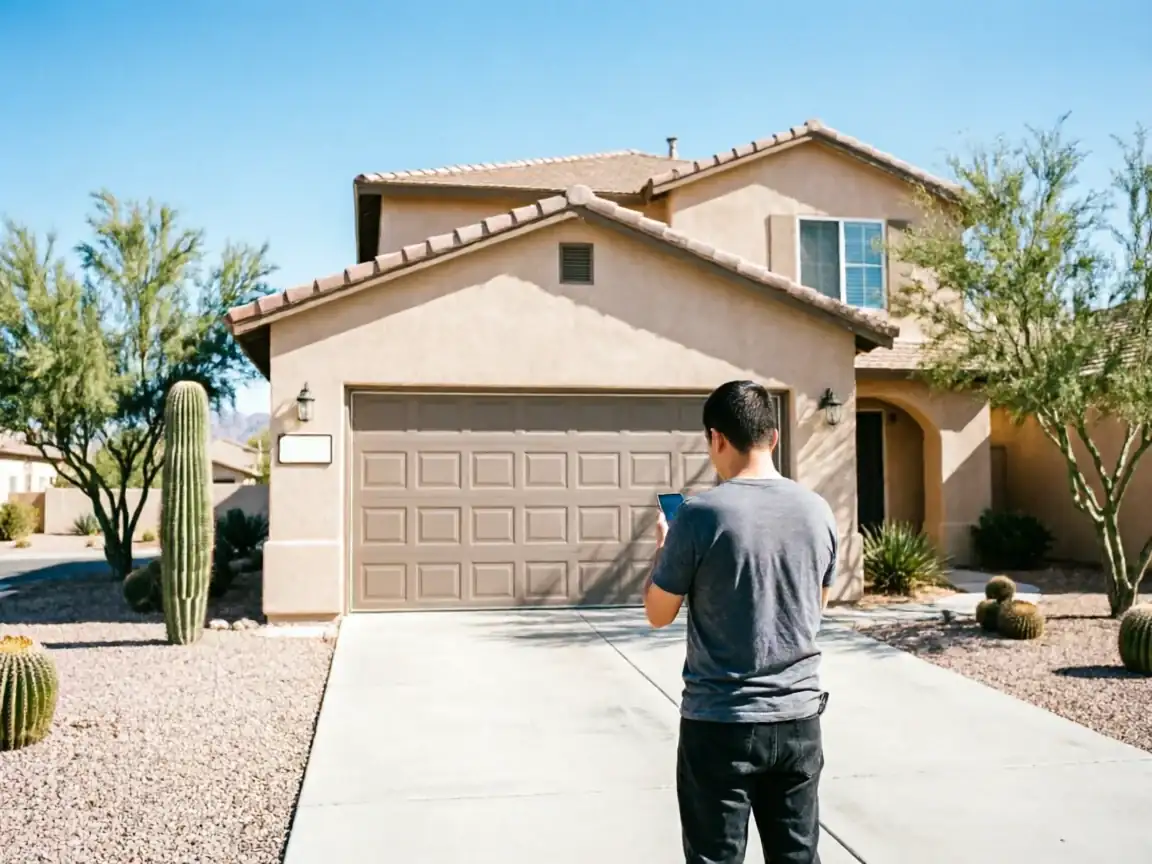
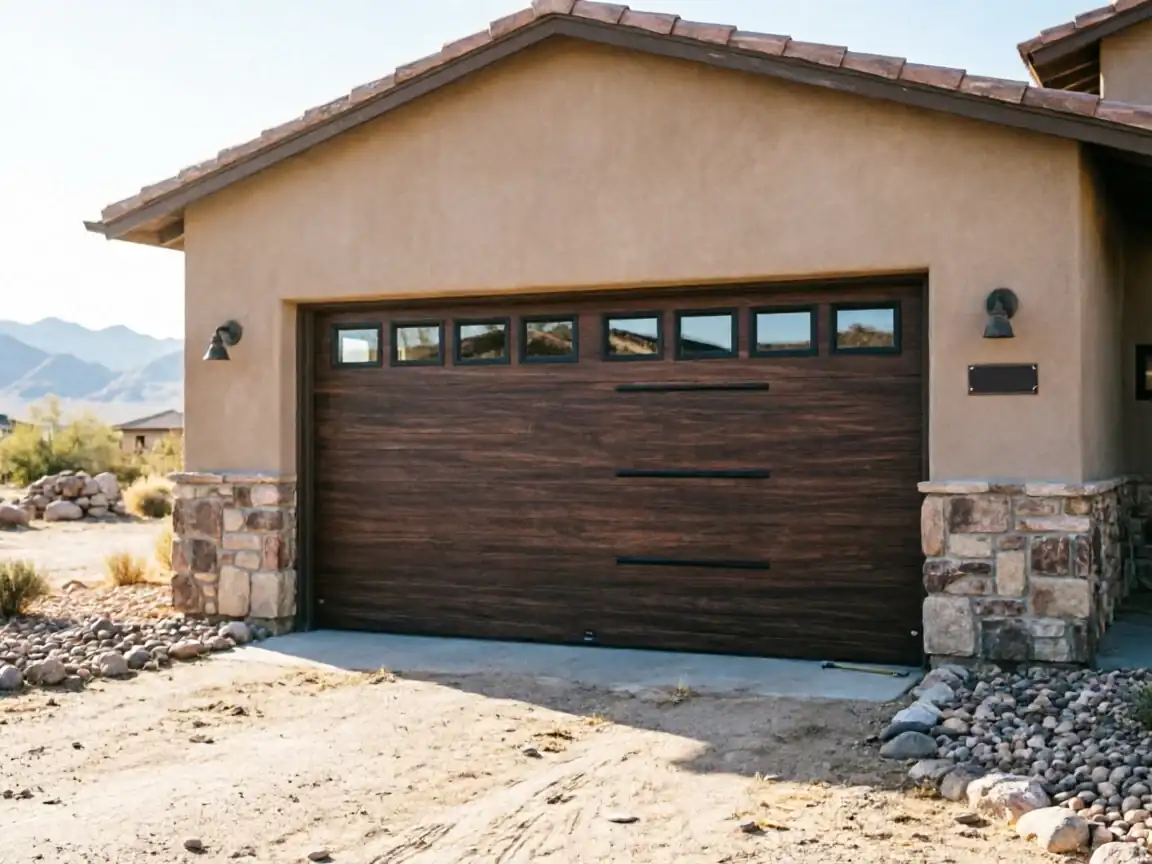
La Cienega's median home dates to 1993, a few years past the 1990 median across the wider Santa Fe service area
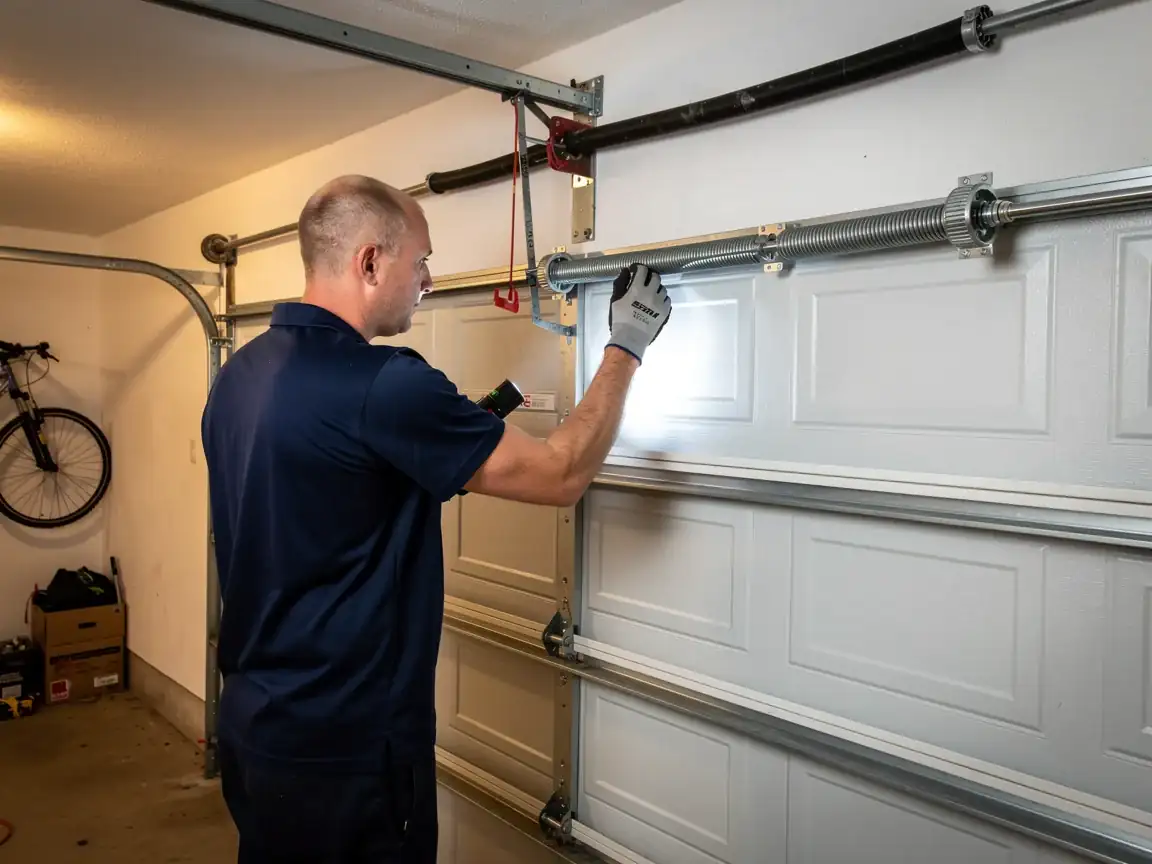
That gap matters more than it sounds. Doors built in the early-to-mid 90s started showing up with galvanized torsion springs instead of the oil-tempered stock common in the 70s and 80s batch of homes closer to town. Galvanized wire holds up better against moisture but it's stiffer, and when it fails here it tends to snap clean rather than stretch out gradually, which is why a lot of La Cienega calls come in as a sudden bang rather than a door that's been dragging for weeks.
Cold is still the bigger factor across this whole region
The severe cold band we're in cycles steel through expansion and contraction every winter, and torsion springs lose wind tension faster in a hard freeze than most people expect. On a newer-build door in La Cienega, that usually shows up as one spring going first while its twin holds a little longer - not both at once like you'd see on an older house with matched original hardware. We don't guess on this; we look at the coil before we quote anything.
Parts We Carry
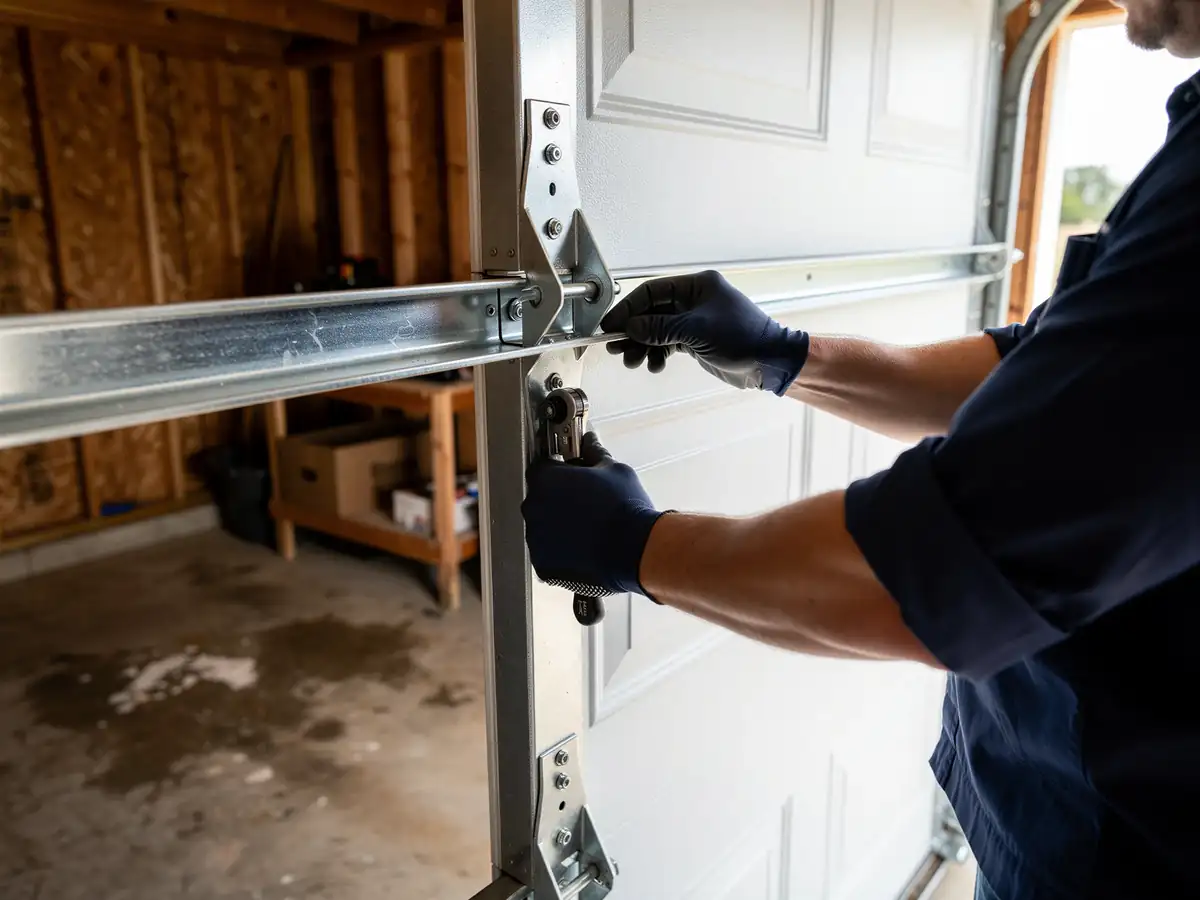
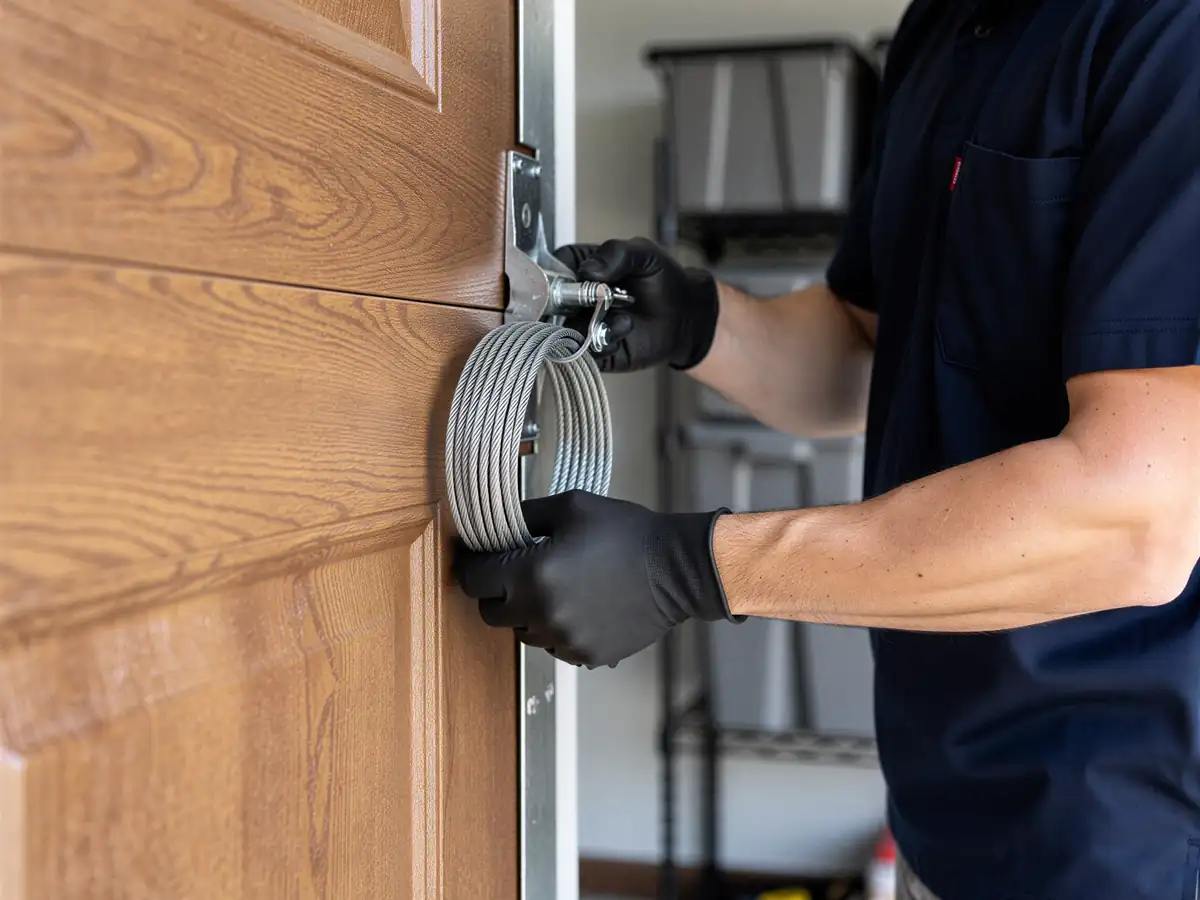
For the 1990s-era torsion setups common out here we stock standard wind, right and left-wound springs in the gauge ranges that fit most double and single doors built in that window. We carry the matching drums and bearing plates too, since a snapped spring on hardware this age often takes a bearing plate with it on the way out.
What we don't carry on the truck are odd-size or custom springs - anything wound for a non-standard door height or a heavier insulated panel upgrade that got added after the house was built. If your door's had a panel swap or a retrofit opener at some point, the spring that matches the original door may not be the spring that matches the door you have now. We'll tell you straight if that's the case rather than force a part that's close enough.
Booking a Visit
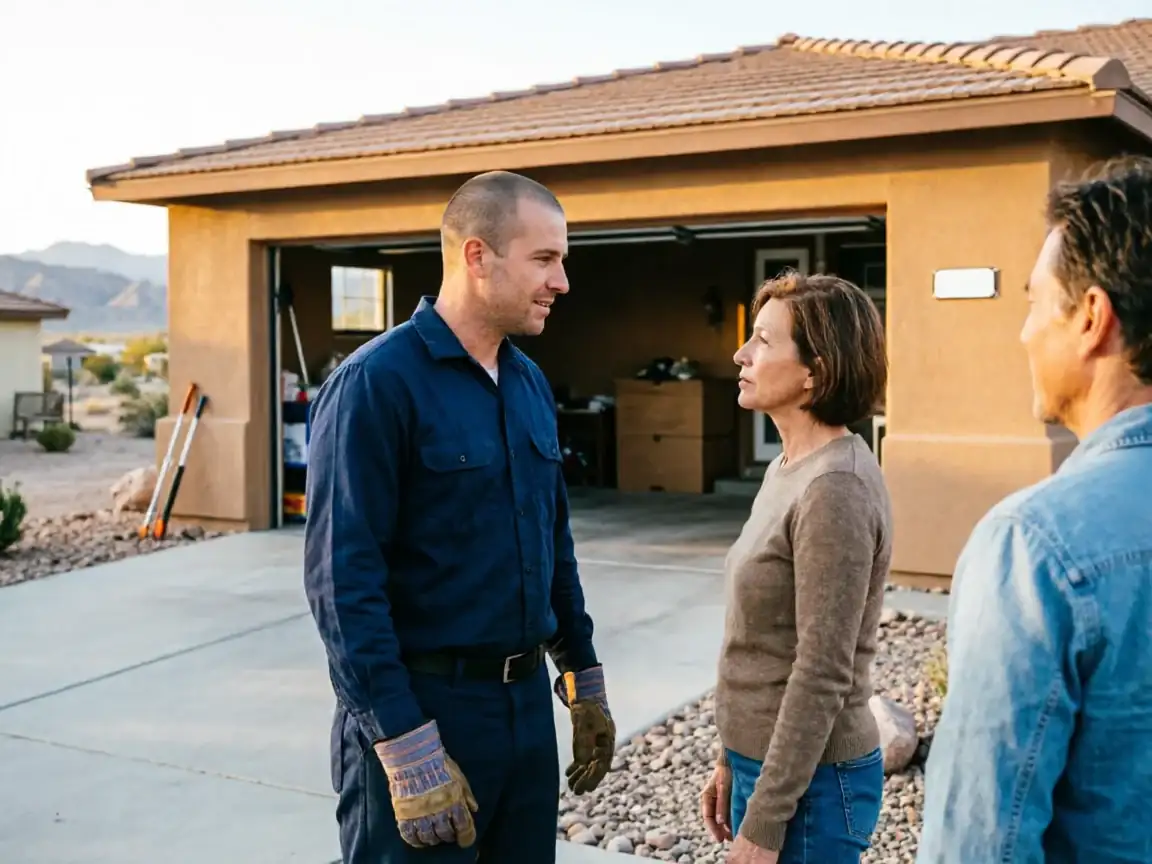
We cover La Cienega out of Santa Fe, nine miles up the road, so every visit here is scheduled, not walk-in. Give us the make and rough age of the door when you call and we'll bring the spring stock that matches a 90s-built house rather than showing up with parts sized for the older stock closer to Santa Fe itself. That one detail saves a second trip more often than anything else we ask about.
What You Are Seeing
A broken torsion spring on one of these doors usually looks like this
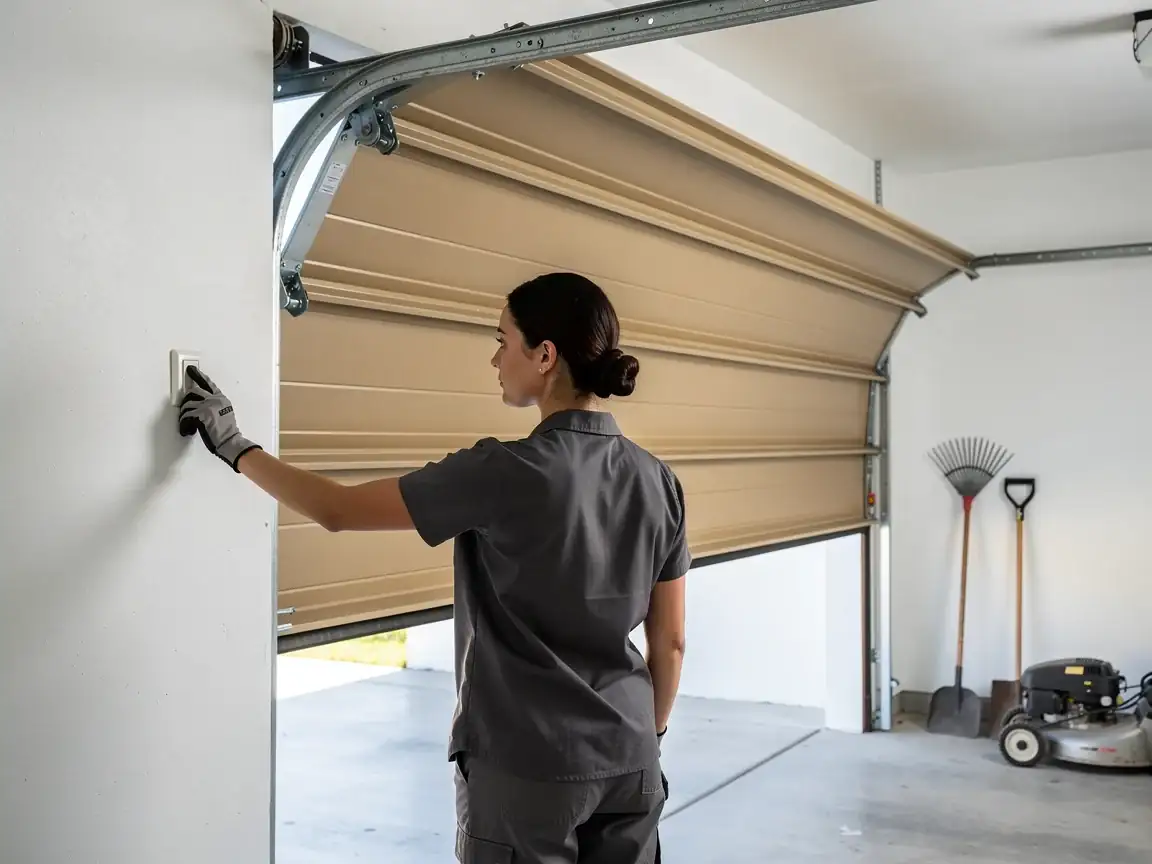
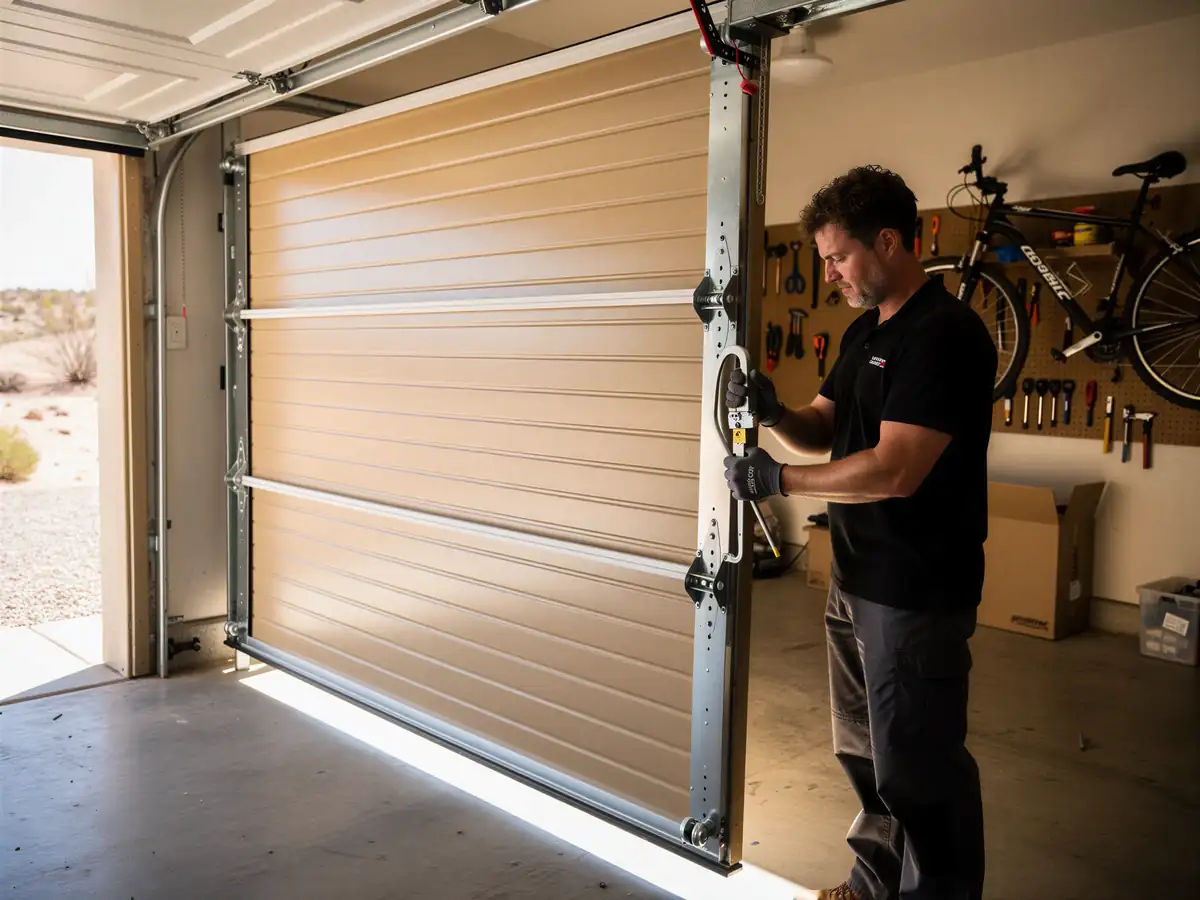
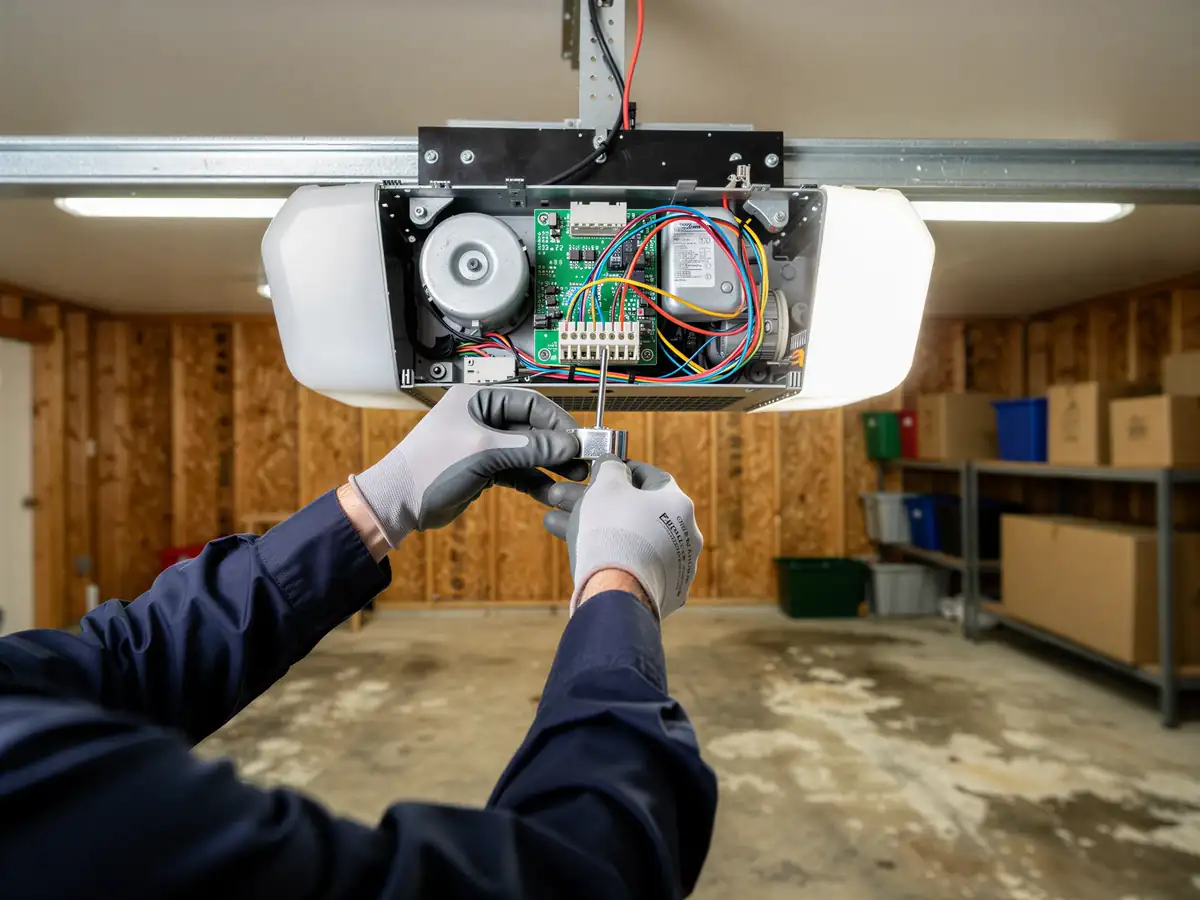
The door won't lift past a few inches, or it lifts and then drops hard the moment you let go of the handle. On a double door you'll sometimes hear one side groan under load while the other side feels fine - that's the spring that hasn't gone yet doing all the work. Don't keep running the opener through it. A motor fighting a dead spring burns out the opener's drive gear fast, and that turns a spring job into a spring-and-opener job.
If the door came down crooked, hanging lower on one side than the other
That's consistent with a single spring failure on a two-spring door, which is the pattern we see most on this era of house. It's not a DIY fix - the wound coil under tension is the part that hurts people, not the spring metal itself.
How Long You Are Without the Door
Most spring jobs on a standard La Cienega door, once we're on site with the right wind and gauge, run under an hour. What stretches it out is anything that turns out to be non-standard - a retrofitted heavier door, a custom height, or a bearing plate that's seized and needs cutting free rather than unbolting. We won't know which situation you're in until we see the coil in person, which is part of why we don't quote a fixed time over the phone for this area specifically.