How Long You Are Without the Door
The math in El Rancho starts differently than it does closer into town
Median household income here runs $78,594, well above the $68,432 median across the rest of the service area we cover from Santa Fe. That gap matters the moment a spring snaps or an opener dies, because it changes where the repair-or-replace line actually sits. A household at this income level can usually absorb a full replacement on a door that's failing in more than one place - rusted track, a cracked panel, and a motor all at once - rather than paying to patch each one separately over a year. For a single clean failure, like one broken torsion spring, repair is still the right call regardless of income; it's a one-hour fix on hardware that's otherwise sound. We'll tell you which situation you're in before we quote anything, not after.
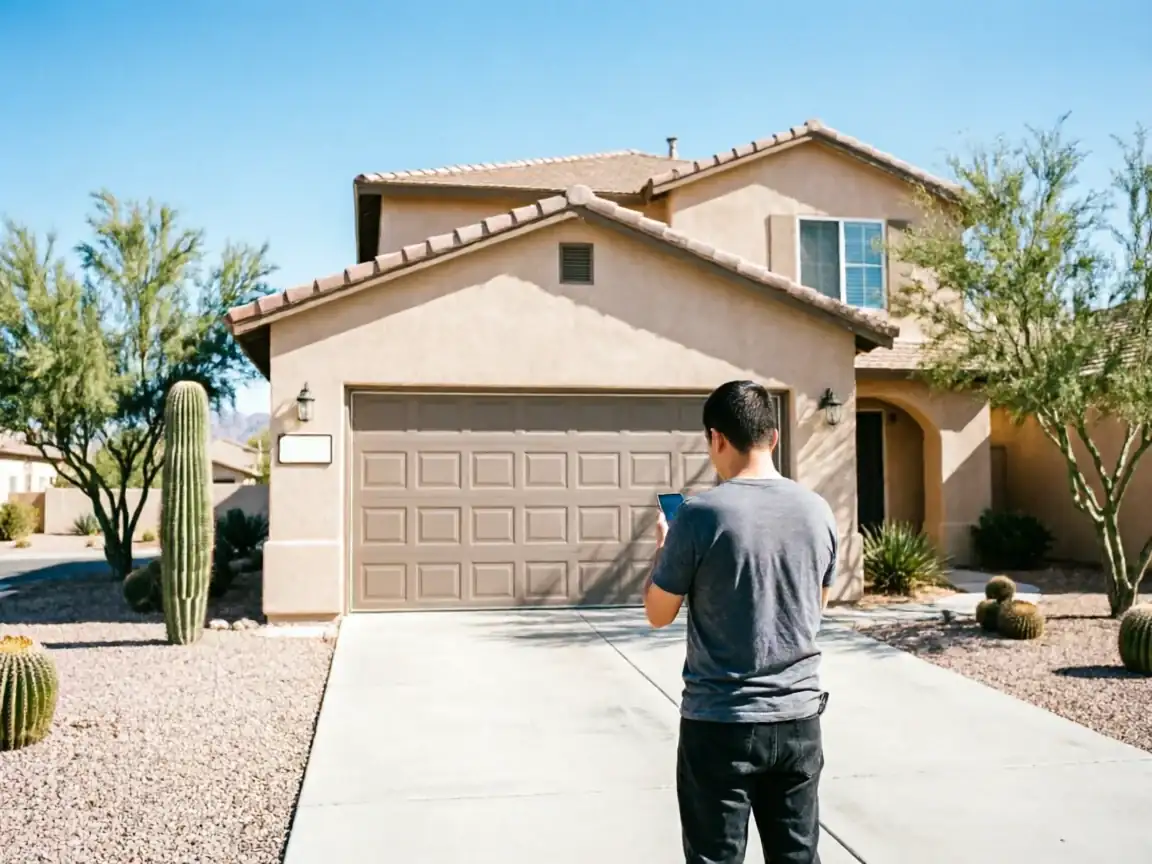
El Rancho sits about 17 miles out from Santa Fe
We don't run a branch out here - every job is a truck coming from town - so we're upfront that we're not a same-day drop-in service for this stretch. We schedule the visit, we tell you the window, and we show up in it.
- 17 miles
Booking a Visit
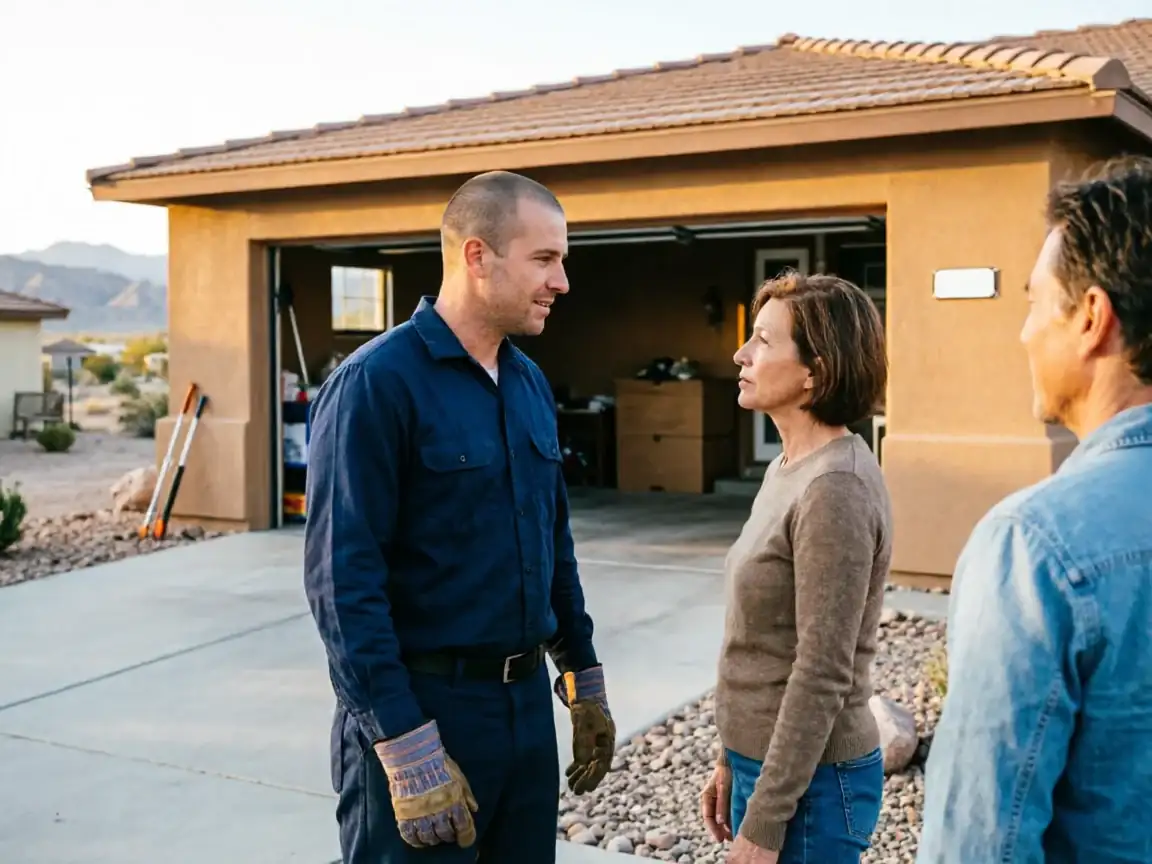
Because we're traveling from Santa Fe for every call in El Rancho, we book these visits rather than treating them as walk-up stops. Tell us the symptom when you call - door won't open, spring snapped, opener grinding but not lifting - and we'll bring the right stock instead of guessing on-site and driving back for a part. With roughly 589 households in El Rancho, this isn't an area with dense call volume, so a scheduled visit usually means one trip, done right, rather than a diagnostic trip followed by a repair trip. If you can send a photo of the track, spring, or panel ahead of time, that helps us load correctly before we leave Santa Fe. See the El Rancho service area page for how we handle scheduling out this far, or the main Santa Fe service page if you're comparing coverage across the wider area.
Parts We Carry
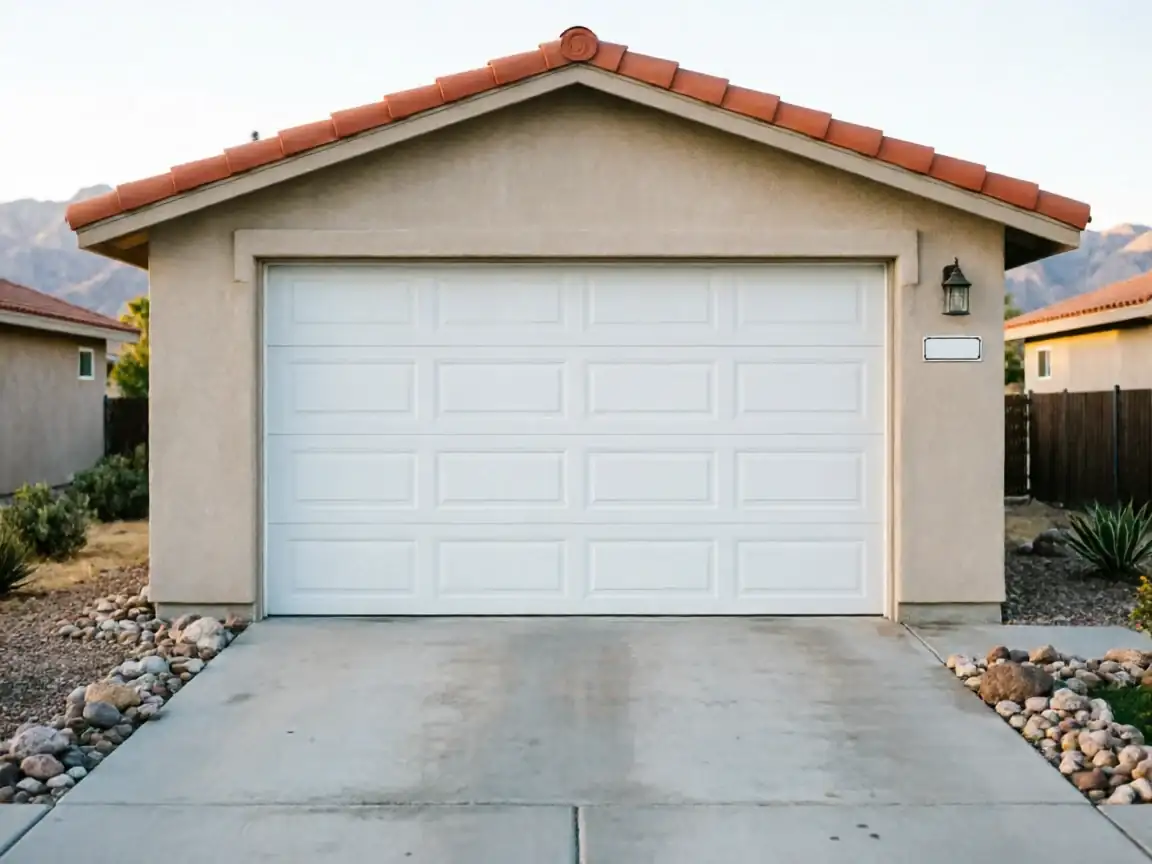
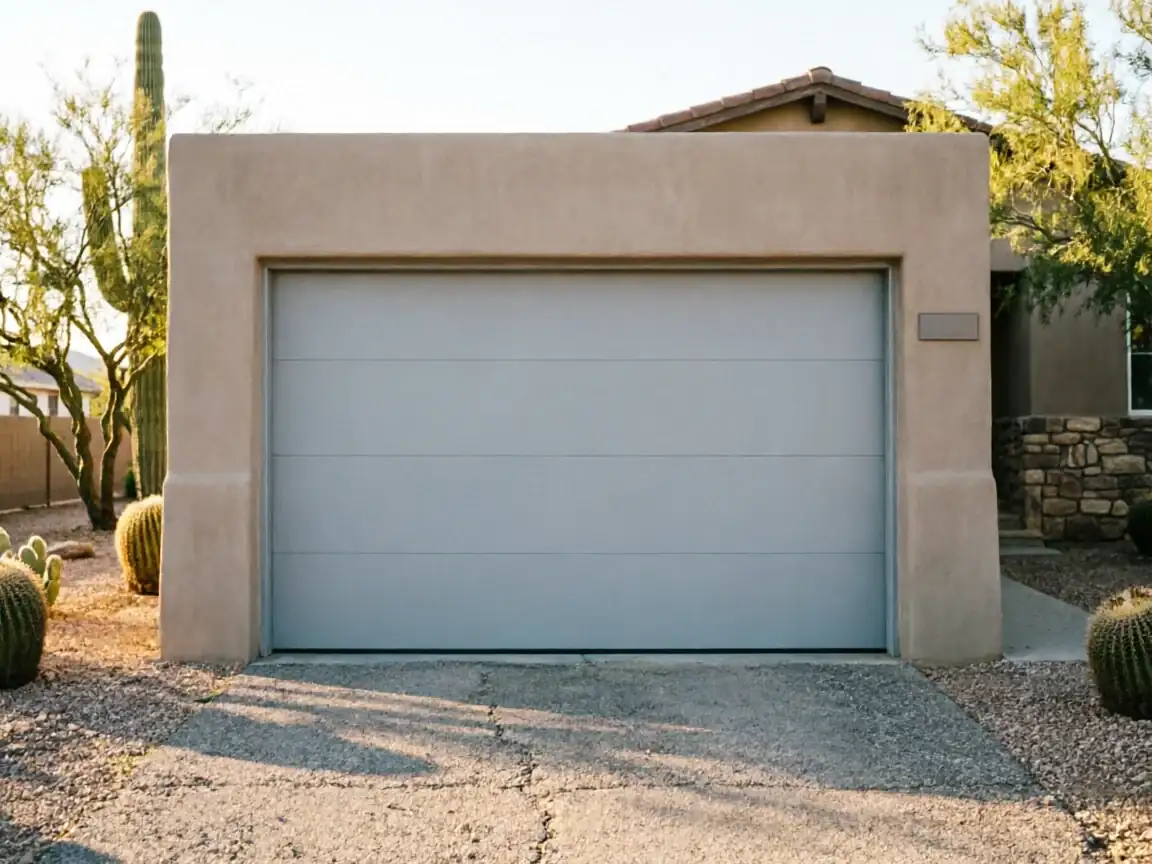
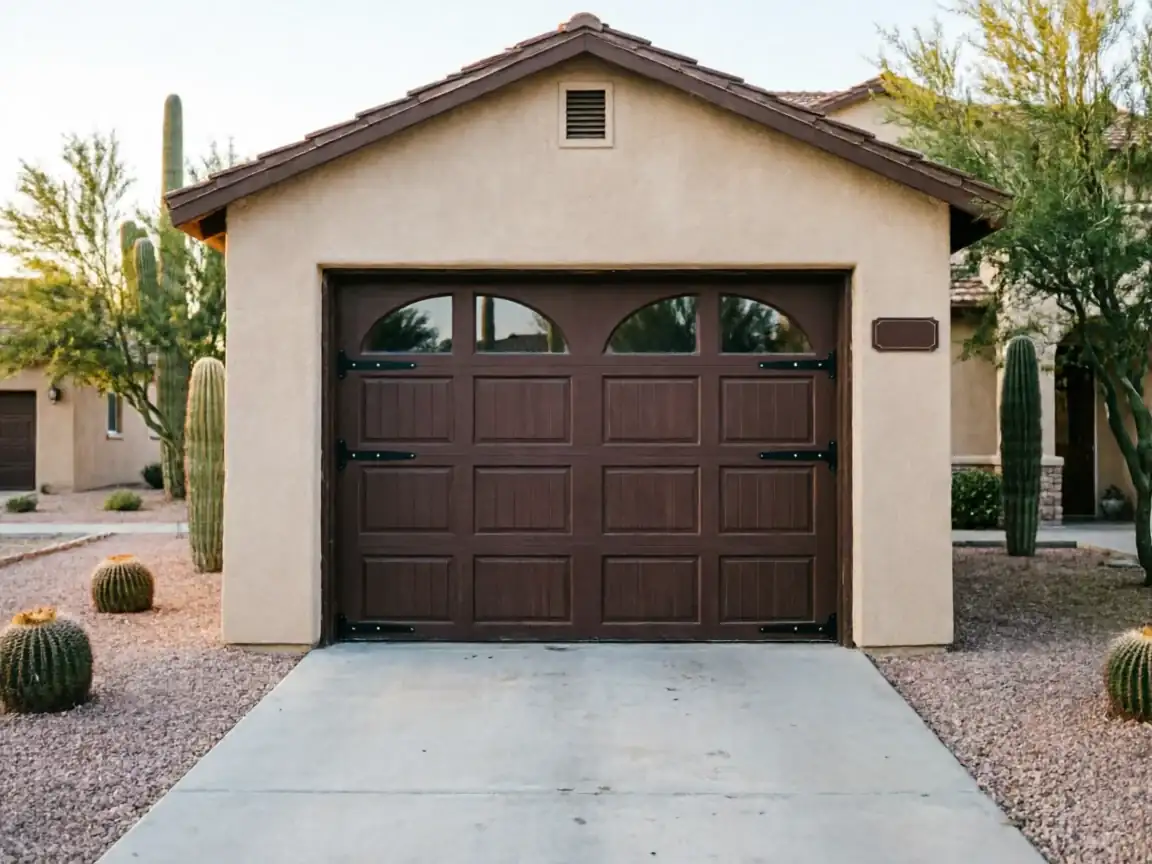
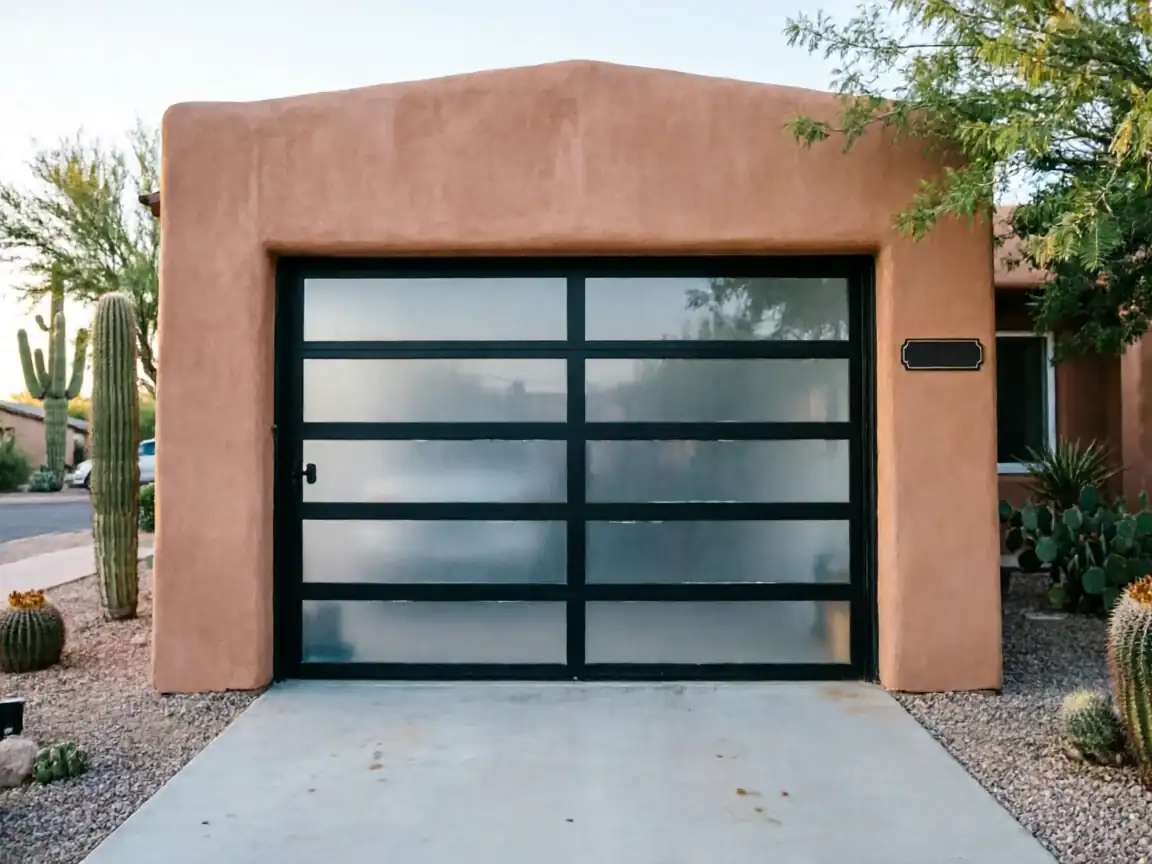
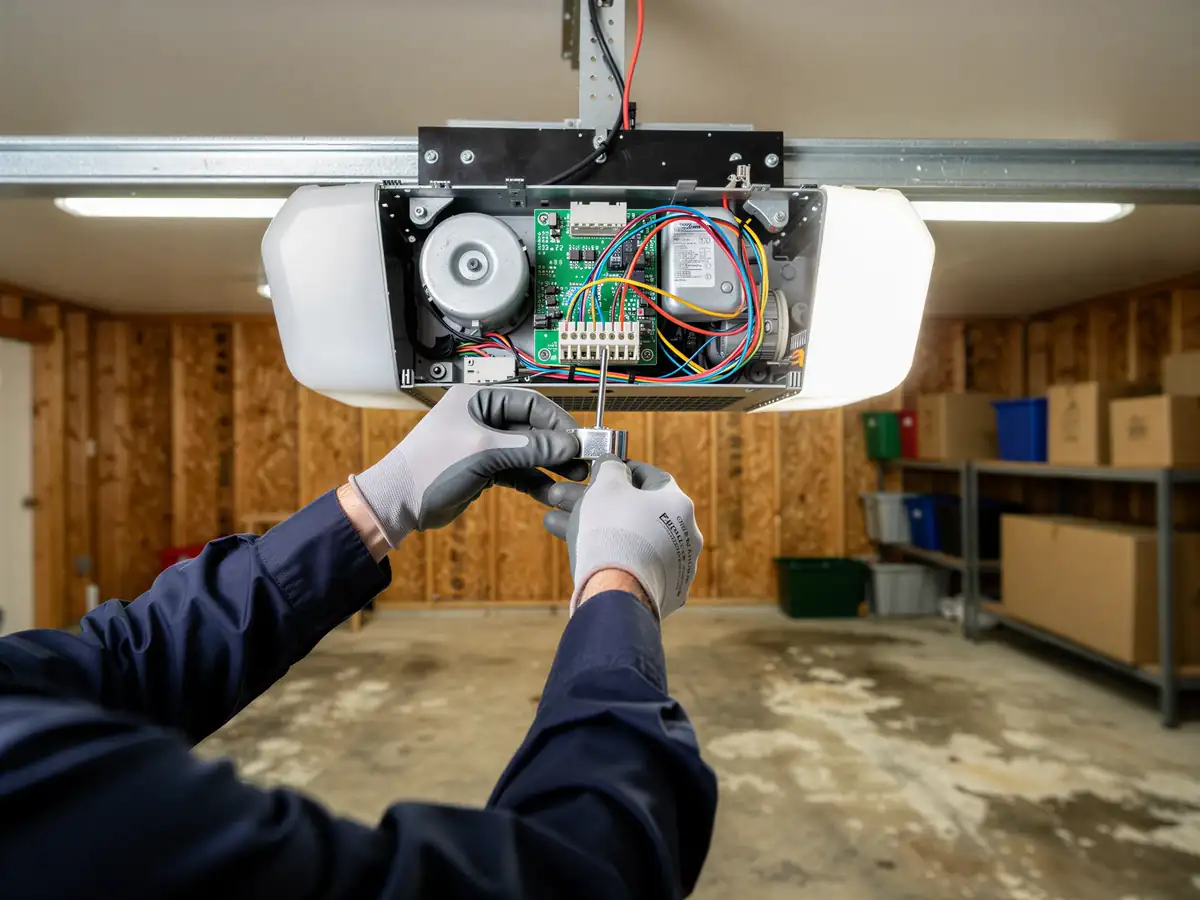
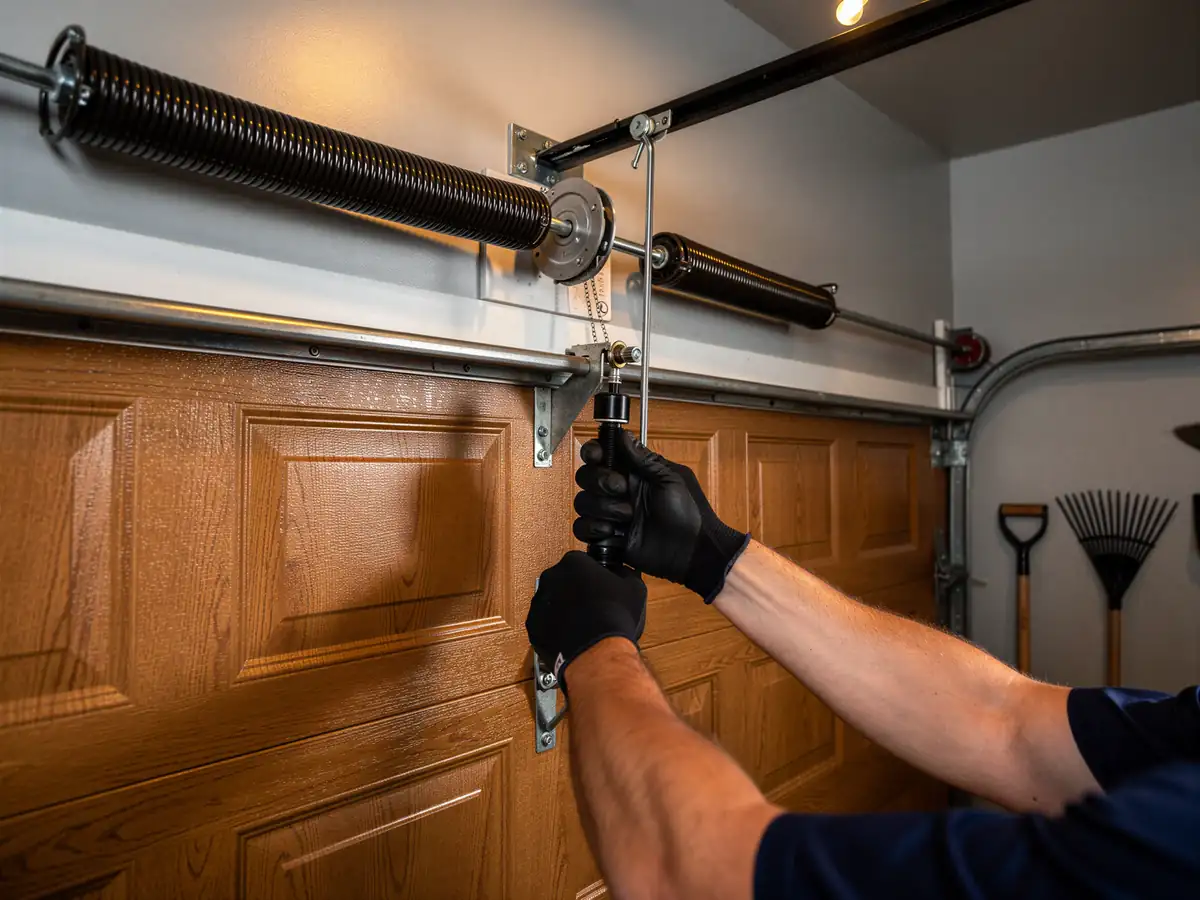
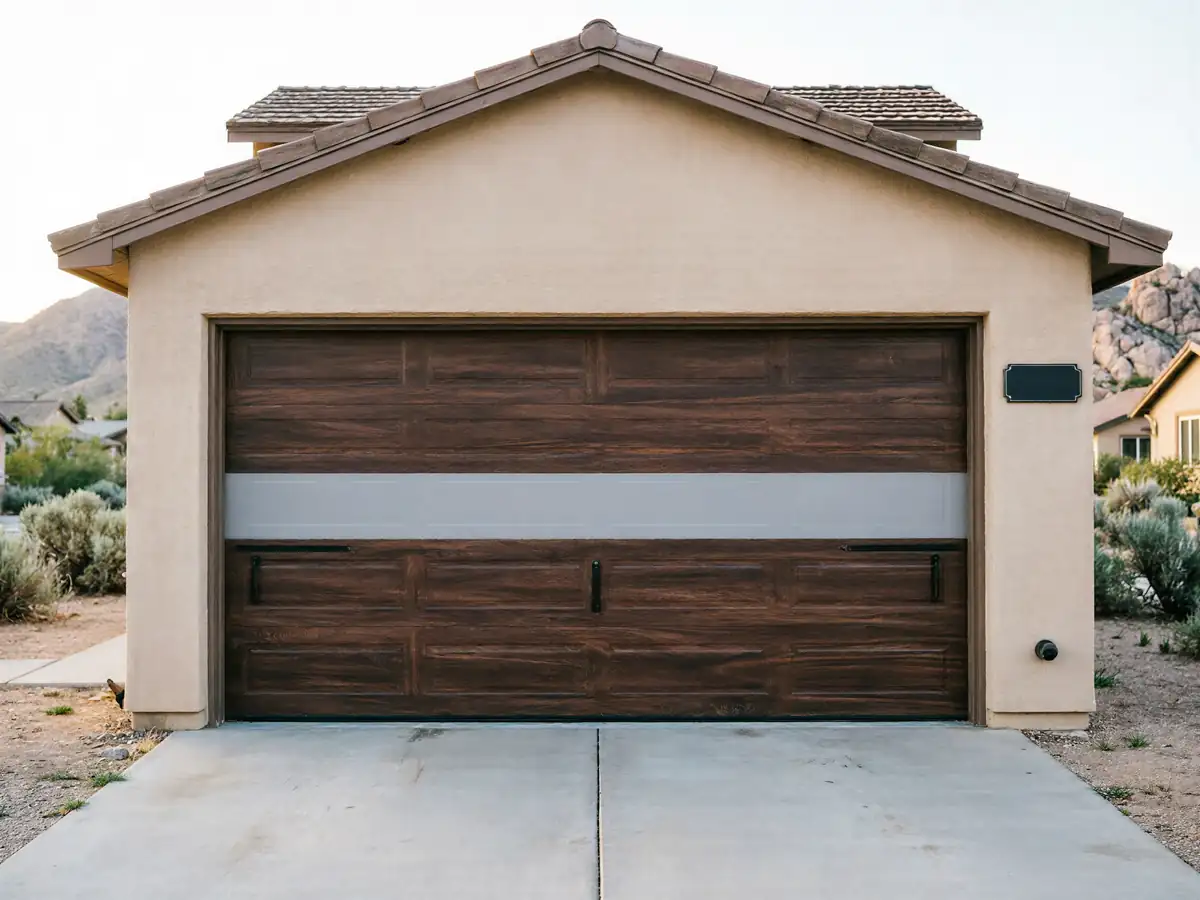
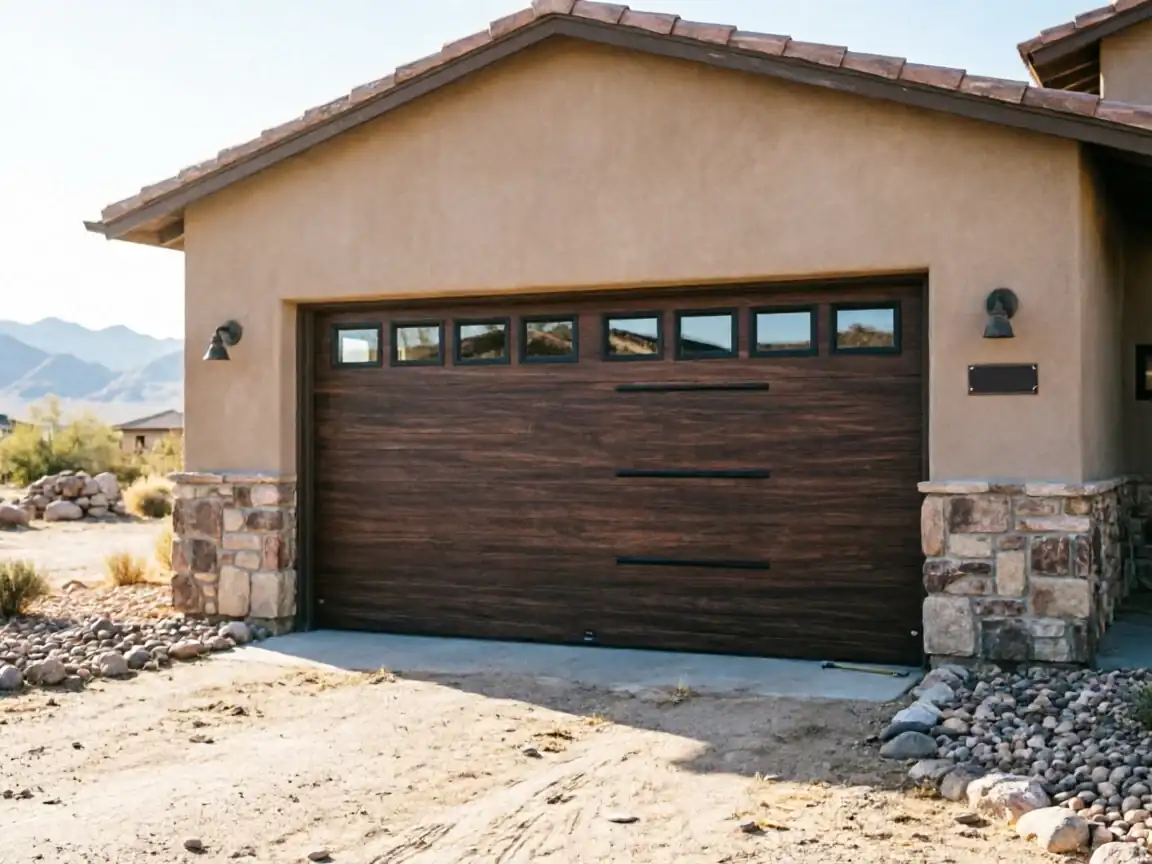
Most houses in El Rancho went up around 1982, a bit earlier than the 1973-1999 range that covers the broader area and its median year of 1990. That earlier build date means a fair number of doors out here are running original or first-replacement hardware: galvanized torsion springs sized for lighter sectional doors, and openers from before the chain-drive-with-safety-reverse standard became universal. We carry torsion and extension springs across the common residential sizes, standard-width tracks, and rollers rated for the cold-climate duty cycle this area sees - nylon rollers hold up better than steel through repeated freeze-thaw than people expect, and we stock both. What we don't carry on the truck is obsolete opener logic boards for defunct brands; if your opener is one of those, we'll tell you straight that sourcing the board could take longer than it's worth versus swapping the unit.
How We Fix It
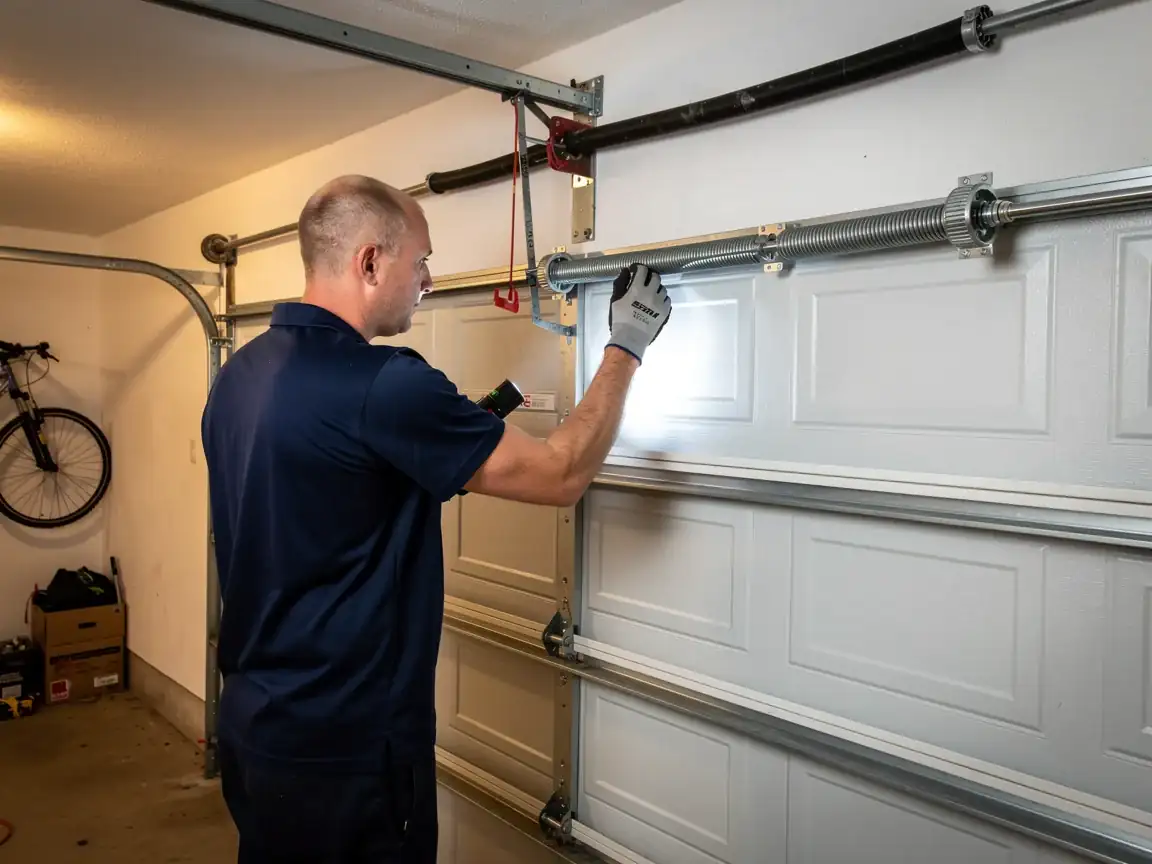
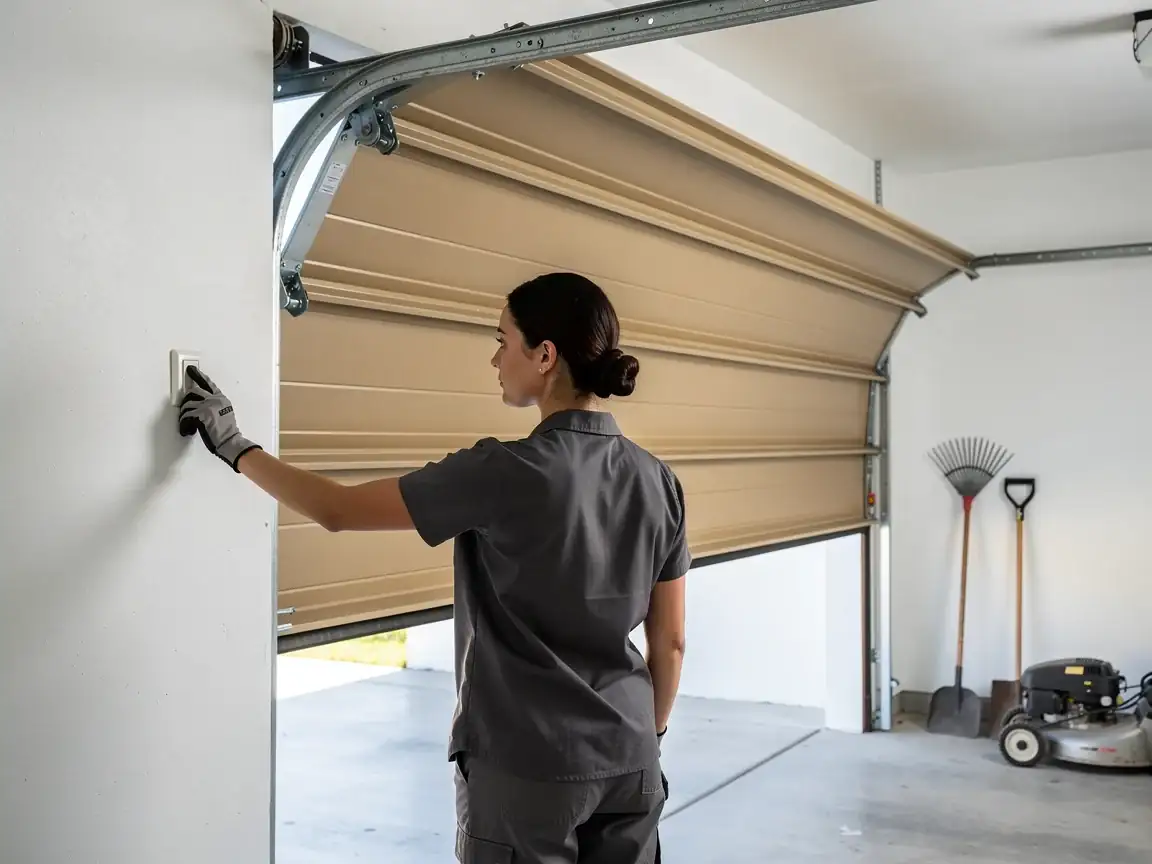
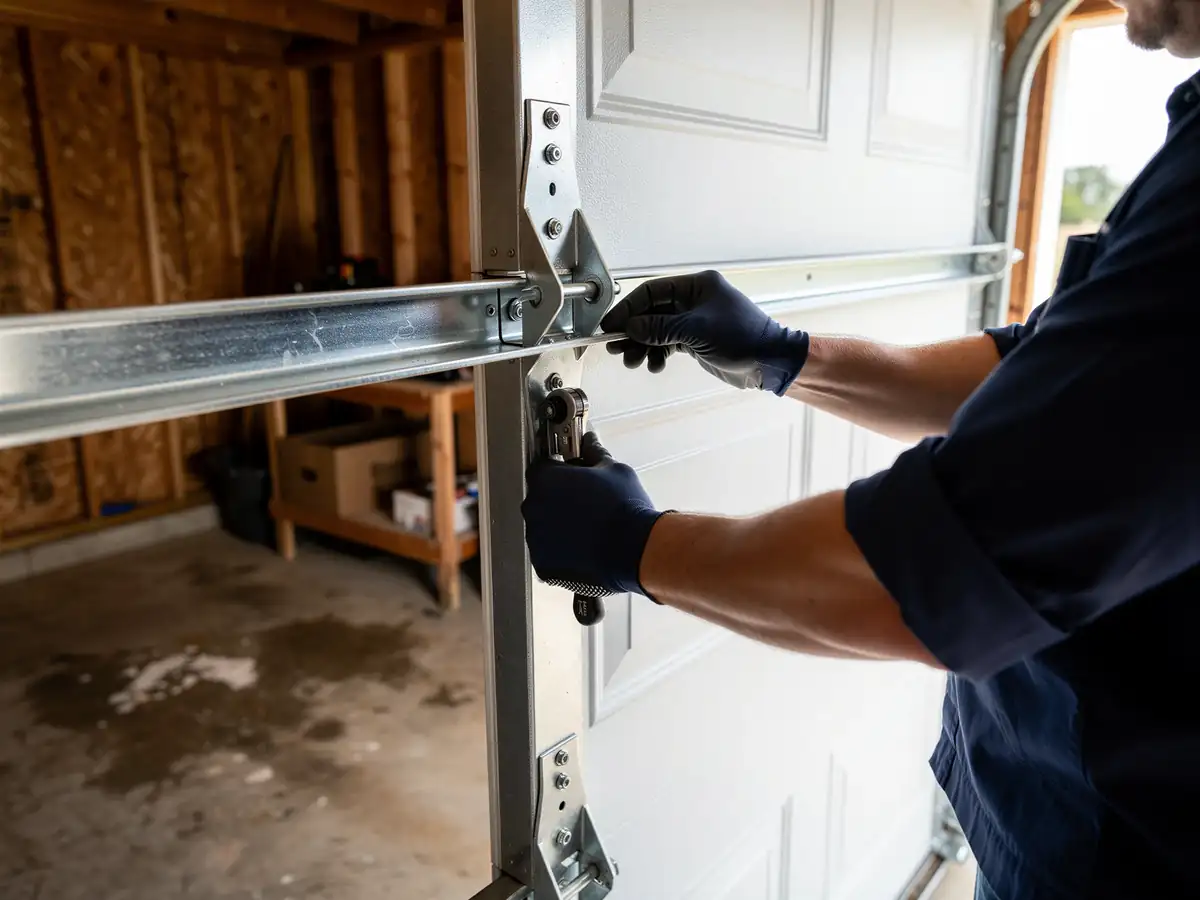
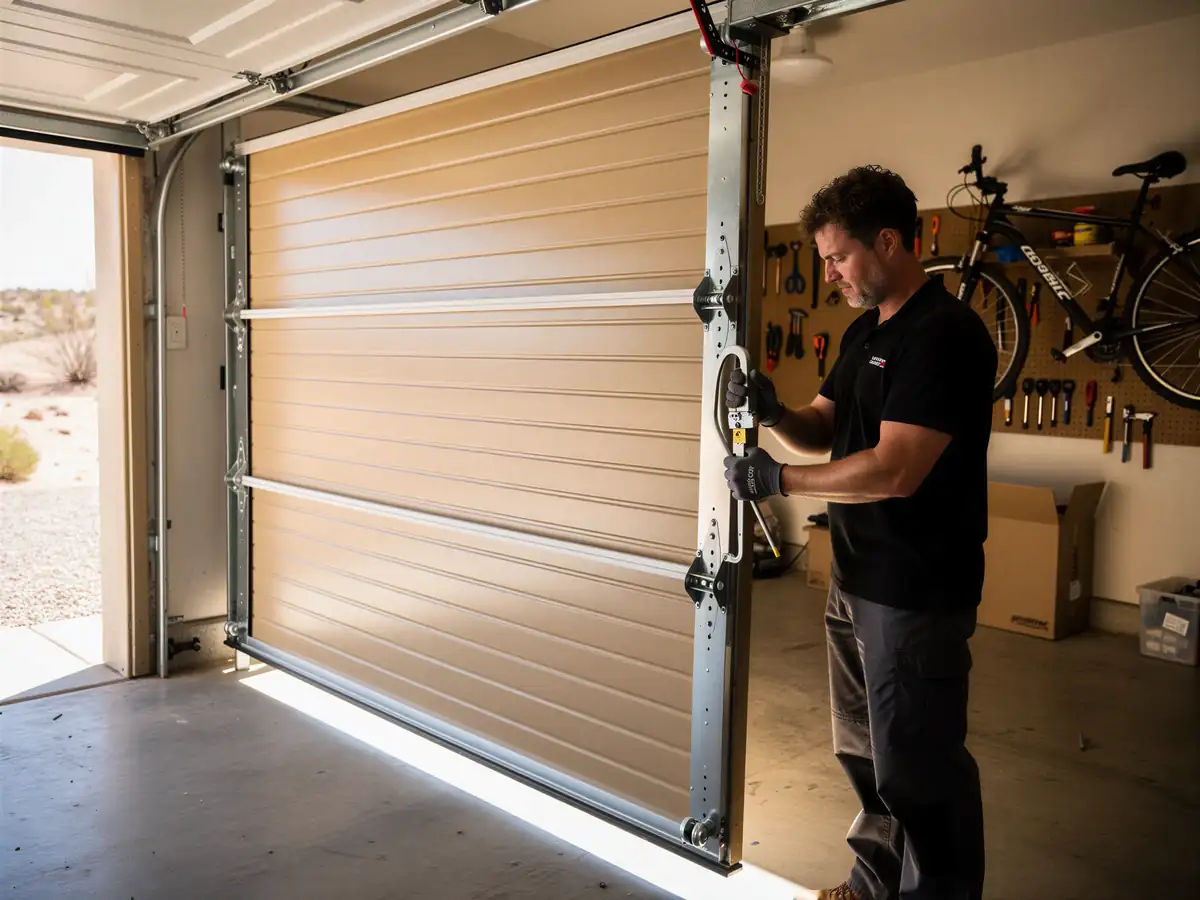
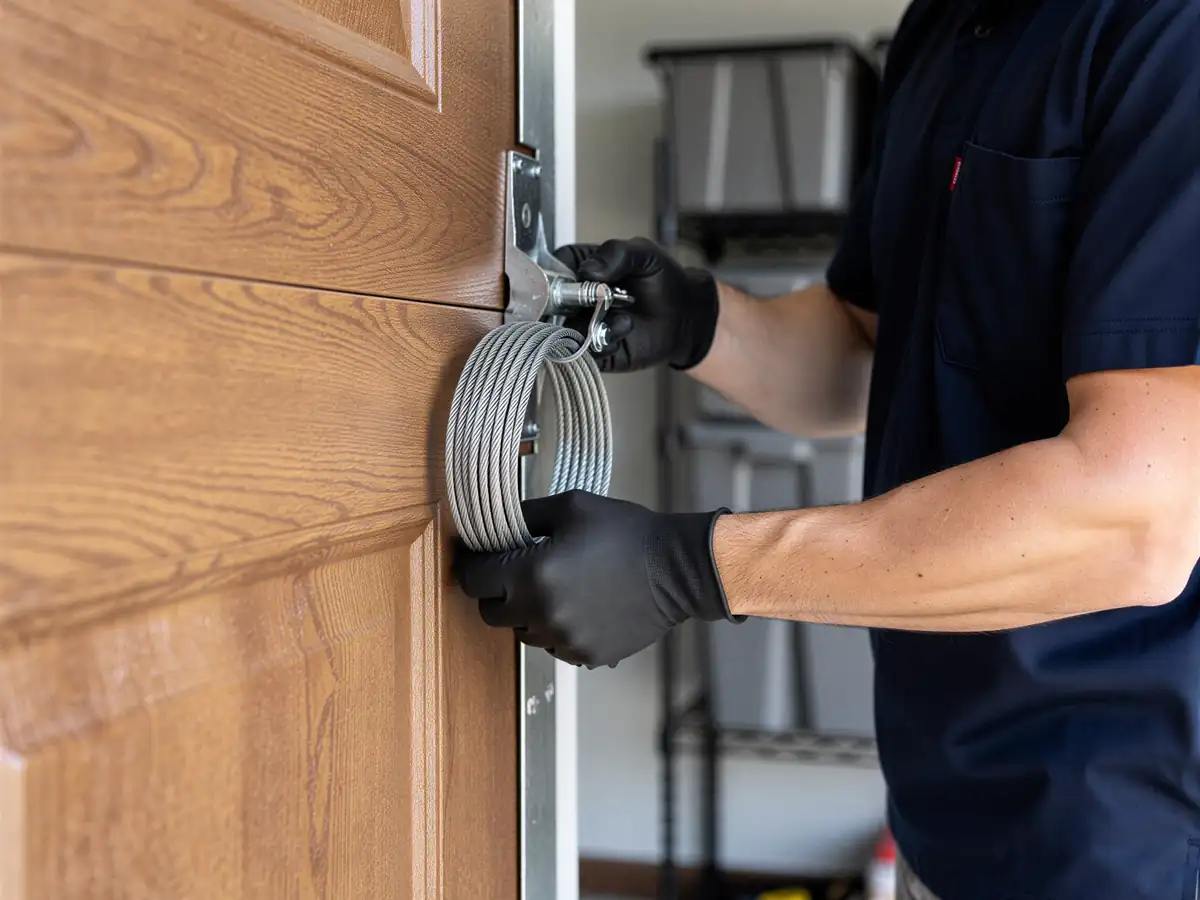
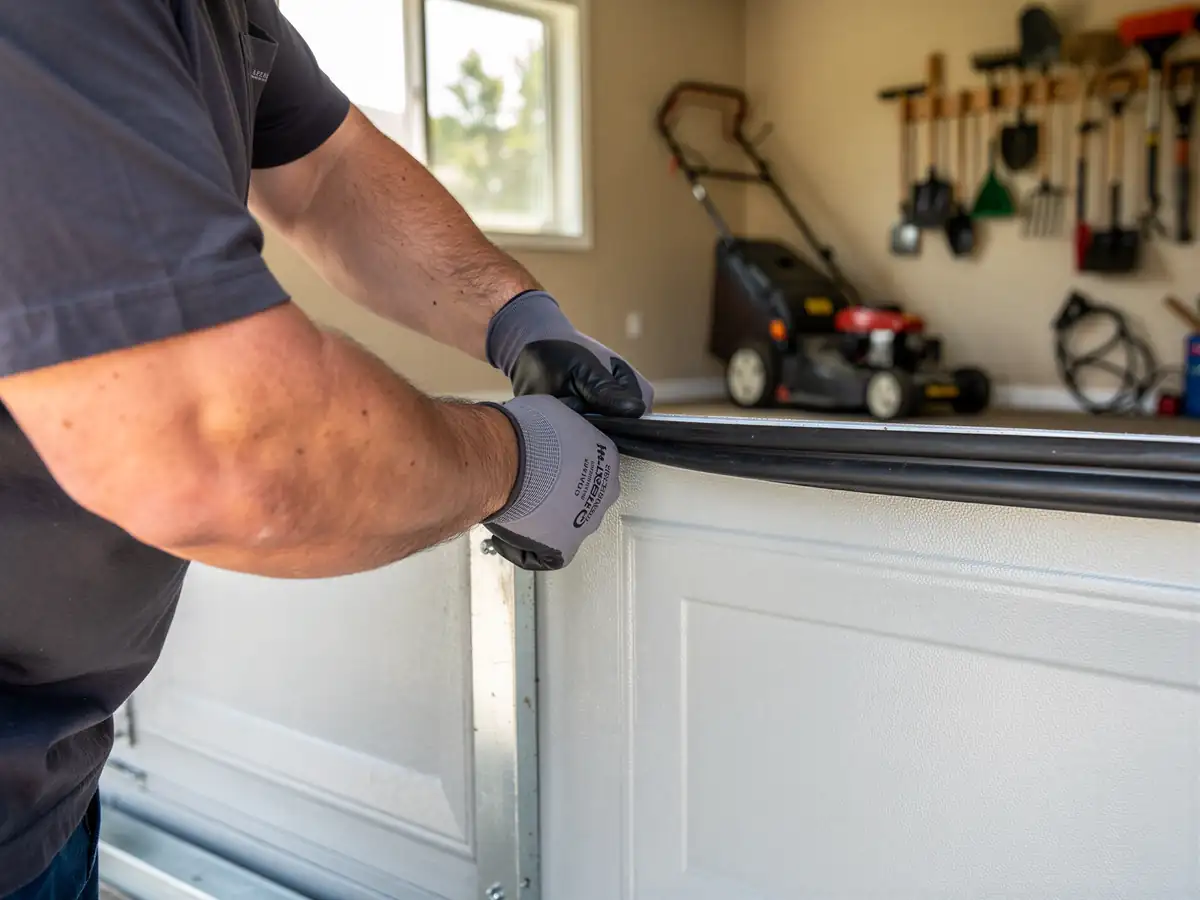
We diagnose on arrival rather than quoting over the phone, because a snapped spring and a seized roller can look identical from a homeowner's description. If it's the spring, we replace it with a correctly sized torsion spring rated for the door's weight and cycle count - not a universal part stretched to fit. If the track or rollers have seized from age, we check the whole run before replacing just the section that's loudest, since cold-climate wear on one roller usually means the rest aren't far behind. For panels that are dented but structurally sound, we'll tell you if a single-panel swap makes sense versus a full door; on a door old enough to be original to the house, matching one panel isn't always possible, and that's the honest limitation - sometimes the fix is a full replacement because the parts to patch it don't exist anymore.