How Long You Are Without the Door
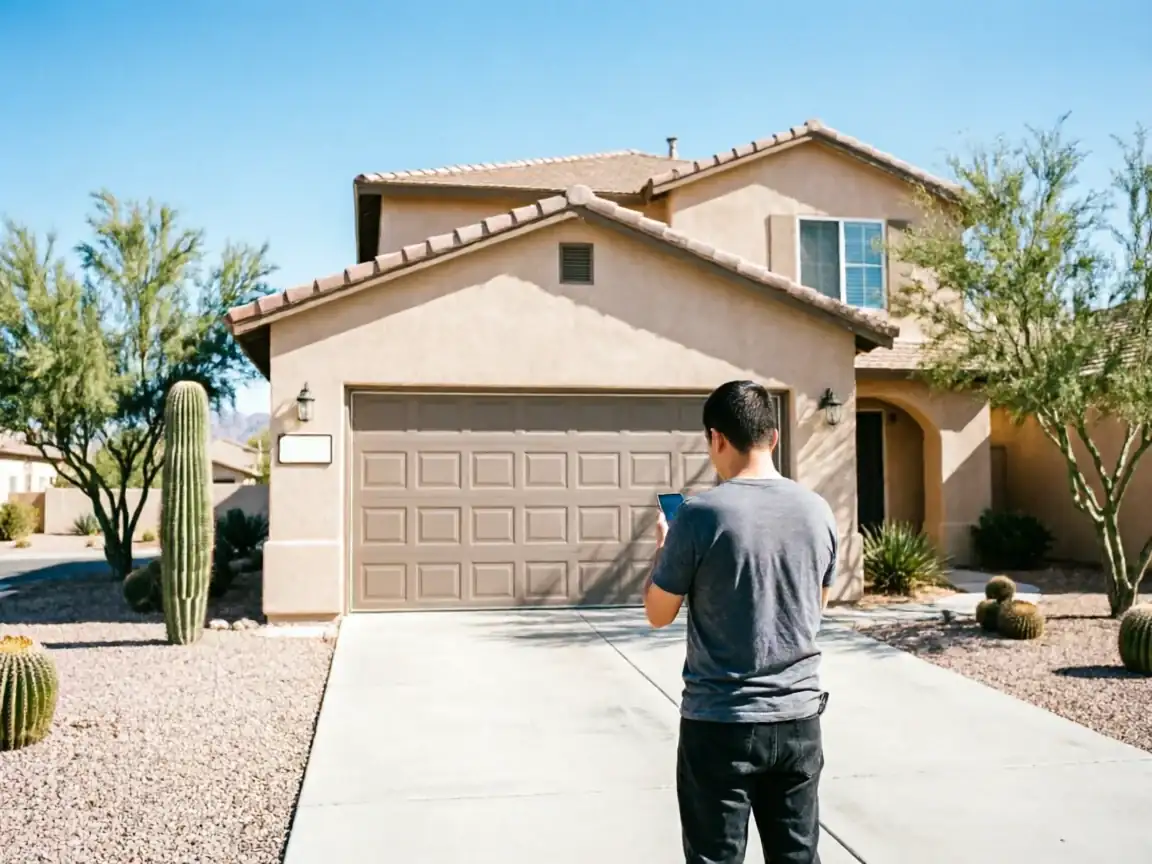
Most of the Santa Fe area we cover was built between 1973 and 1999
With a median build year of 1990. El Rancho skews older than that average - the typical house here went up around 1982. That eight-year gap matters more than it sounds like. A door and track set installed in 1982 was almost always sized to an 80s-era opening, often a hair narrower or shorter than what current steel sectional doors ship in standard, and the header framing above it was built to the lumber sizing of that period, not today's.
We drive out from Santa Fe, about 17 miles
So the day you book is the day we're on site working, not a day we're driving back and forth. Because El Rancho is on the smaller side - 589 households - we're not pulling a dozen jobs off a list before yours. The time without a working door comes down mostly to whether your opening needs reframing to take a modern door, which is a conversation we have on the first visit, not a surprise on install day.
- 17 miles
- 589 households
We won't quote you a same-day guarantee because we don't make promises about travel we can't control
What we will do is tell you straight whether your opening is standard or needs carpentry work before the new door goes in.
Booking a Visit
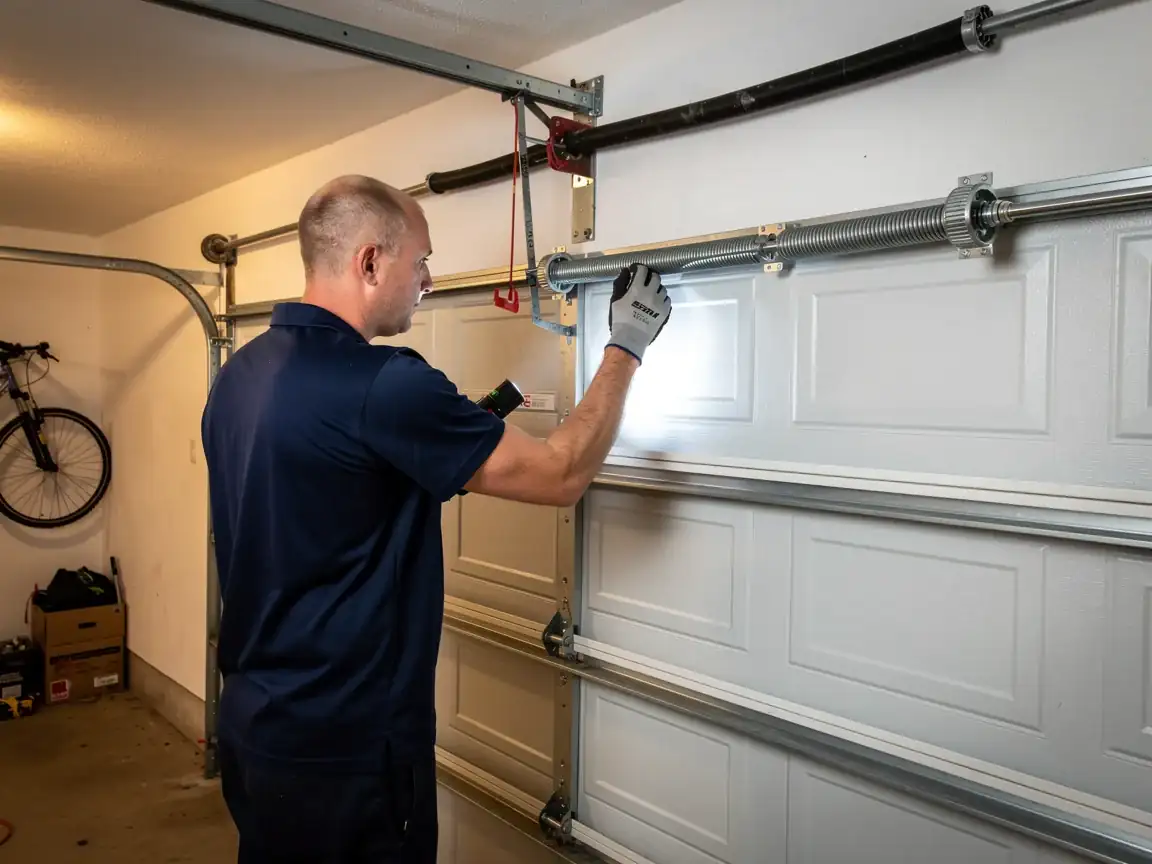
We come out, measure the actual rough opening, and check the header and jambs against what a new door needs - this matters more in El Rancho than in newer parts of the service area because 1982 framing wasn't always built to current door weights, especially with insulated steel sections. You get a number before anything gets ordered.
With 589 households in El Rancho, there isn't the volume to justify stocking door panels on a truck and hoping one fits. We order to the measurement we take on your house, which means a short lead time between the visit and the install, not a guess that gets corrected twice.
Median household income in the broader service area runs $68,432; El Rancho runs higher at $78,594. We mention that only because it tends to mean more owners here are replacing a door outright rather than patching an old one - worth knowing going in, since it changes what we spend the first visit talking about.
Parts We Carry
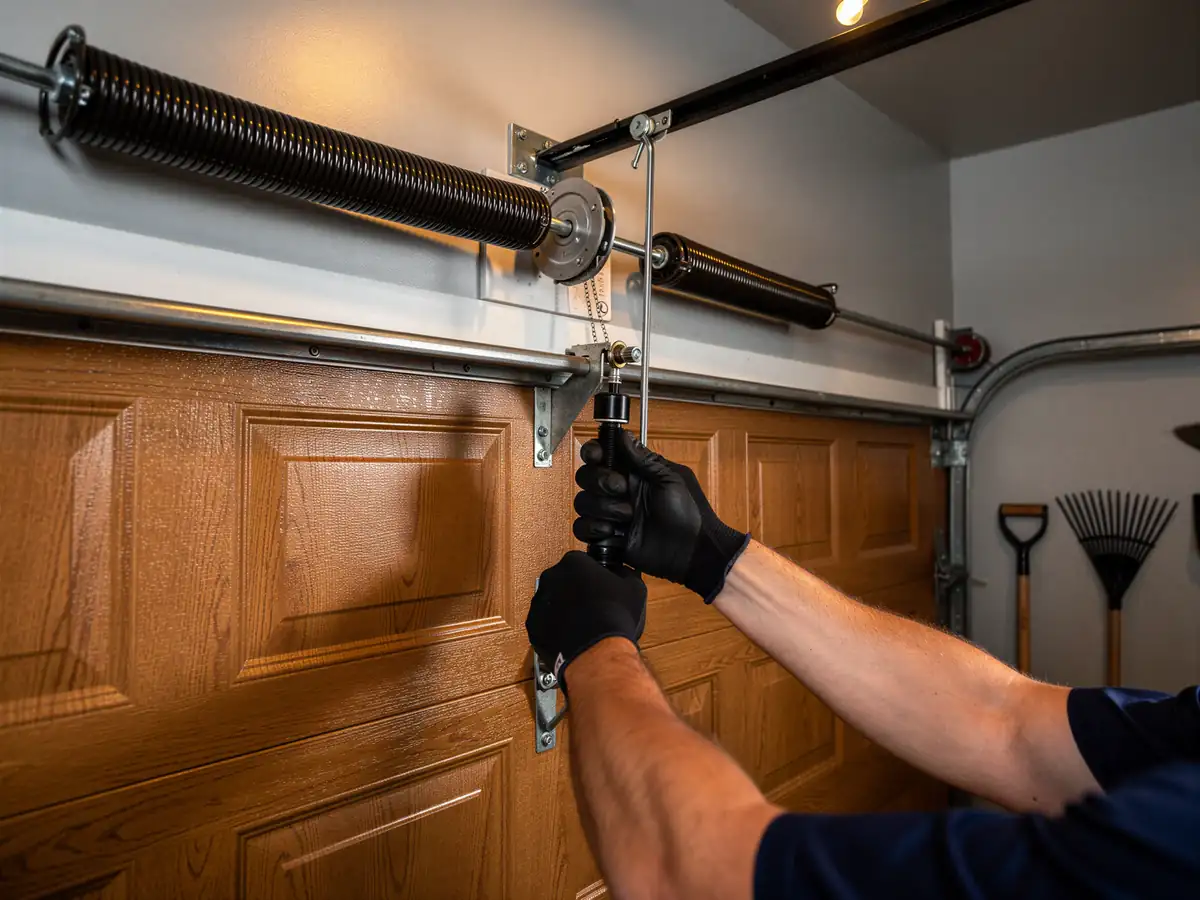
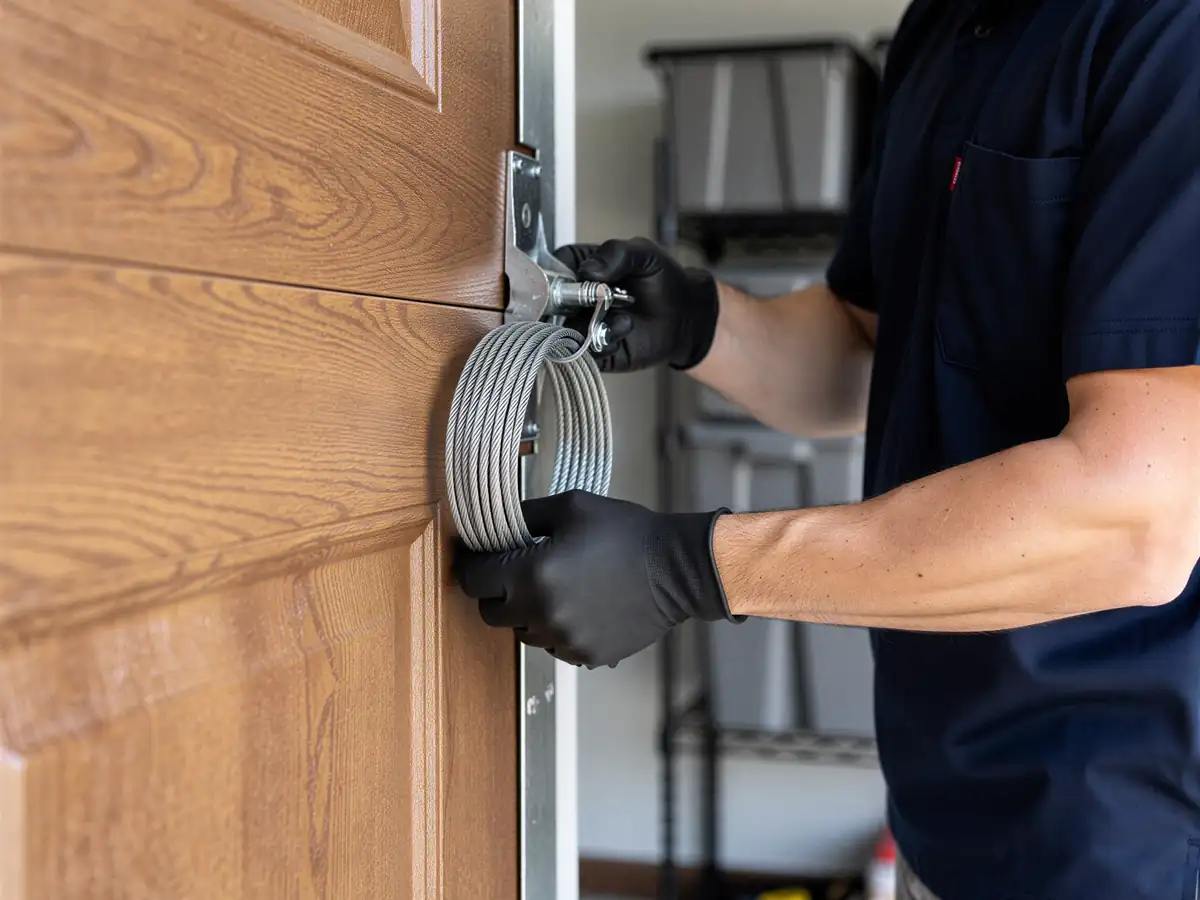
The climate band across this service area is classified cold and severe, which drives what we stock and recommend regardless of a house's age: insulated steel sections, weatherstrip rated for the temperature swing, and torsion springs sized for the heavier insulated panels rather than the thinner single-layer doors common on older builds.
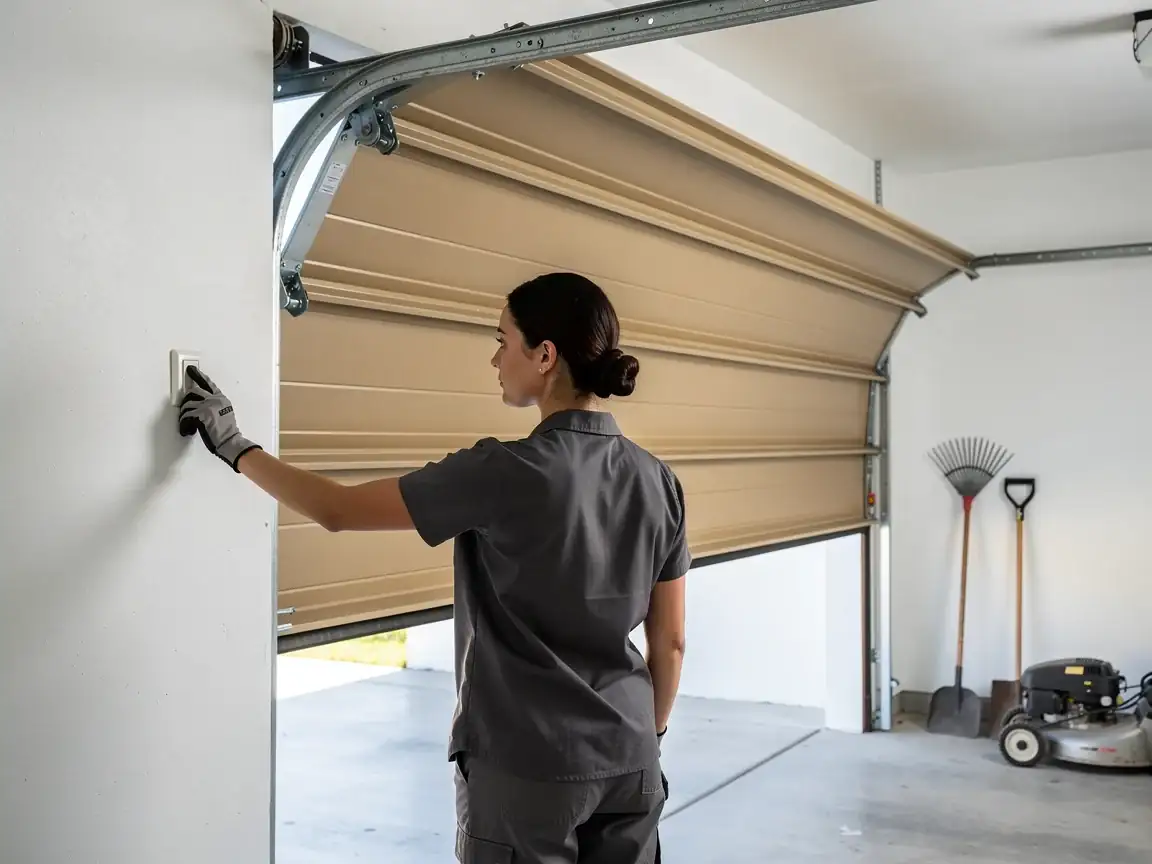
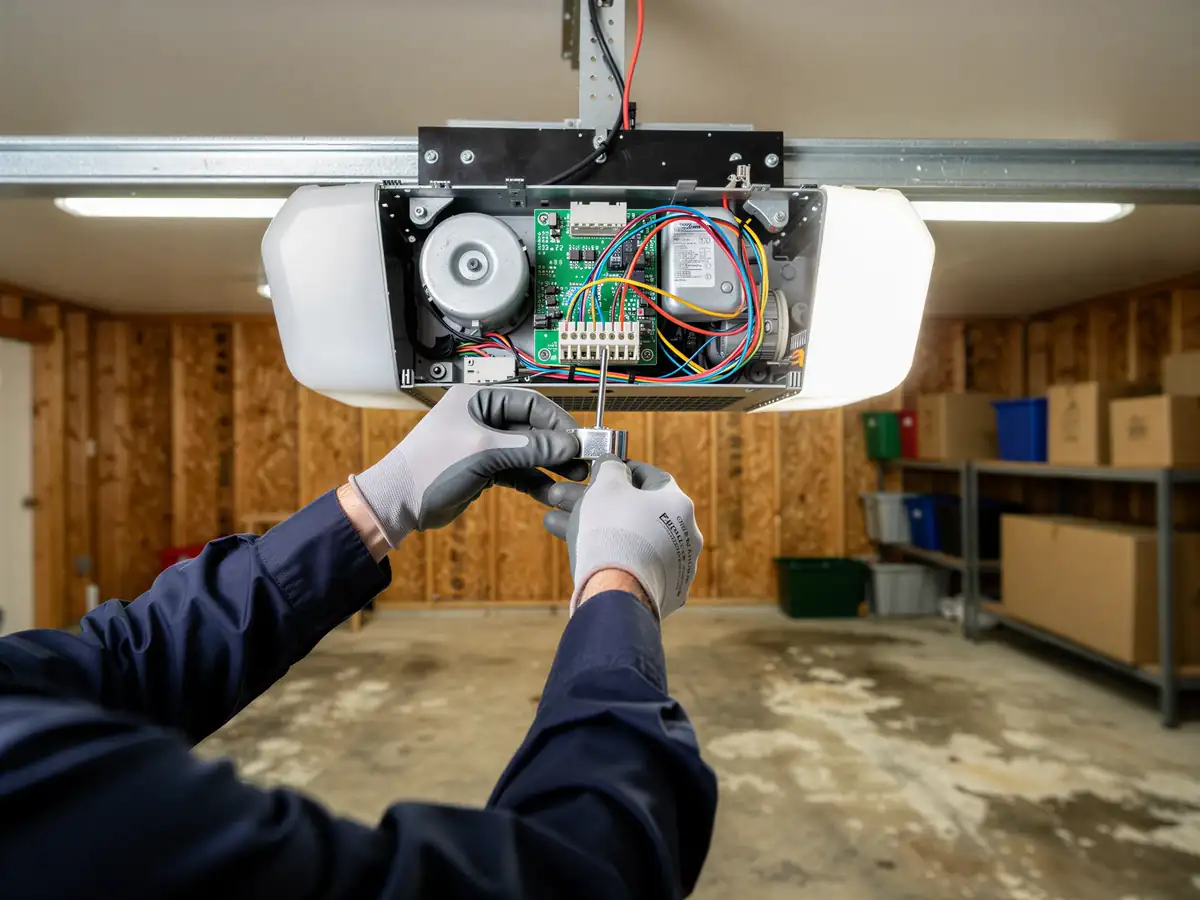
On a house from 1982, the original opener and track hardware is usually long past its useful life - not because the brand was bad, but because the chain drives and relay-based openers from that era don't have the safety sensors required on anything sold today. When we install new, the opener comes with the door as a pair, not bolted onto whatever bracket is already on the ceiling.
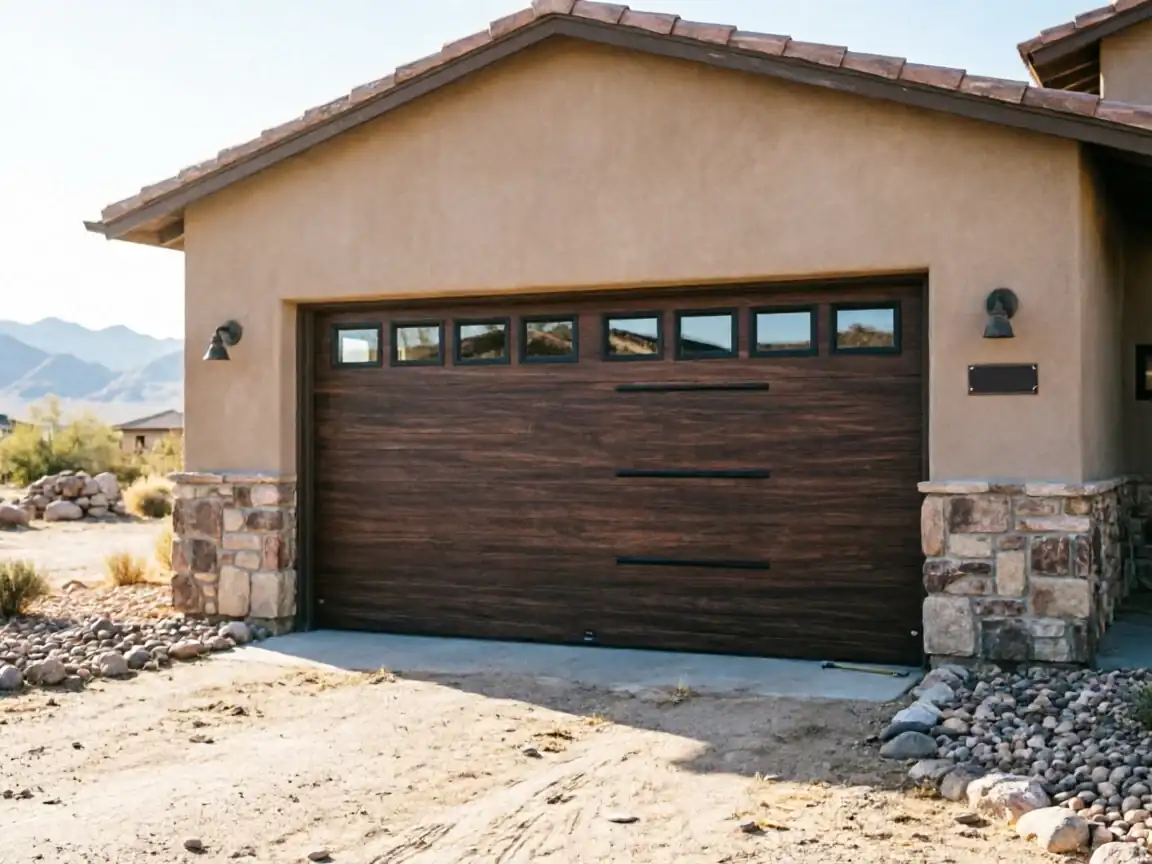
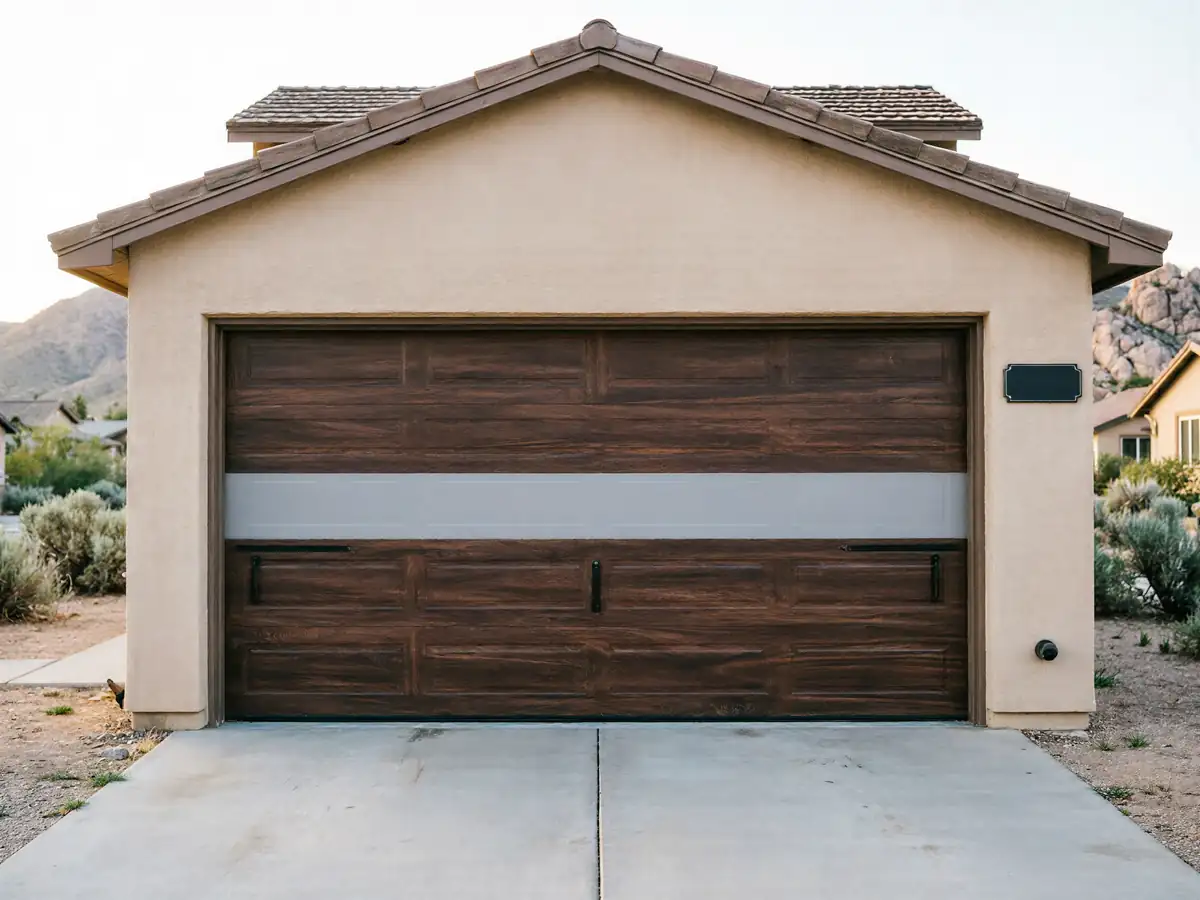
We carry standard width and height sectional doors in steel, and panel options that work with the sizing most common to the service area's housing stock. What we don't carry on the truck is custom wood-clad or oversized commercial-grade doors - those get special-ordered, and we'll tell you that lead time up front rather than let it surprise you.
What Can Go Wrong
The most common issue on an El Rancho opening install isn't the door itself - it's the header
A 1982 frame built for a lighter, uninsulated door can flex or crack when a heavier insulated steel door goes up on the same jamb without reinforcement. We check for this before we order, not after.
The second thing that goes wrong, and it's avoidable, is matching a new opener to old wiring
Houses from this era weren't run with a dedicated outlet in the garage ceiling in every case, and a new opener draws differently than a 40-year-old chain drive did. We flag it on the first visit if it's a problem.
Cold-and-severe climate means condensation and ice are real factors on an uninsulated slab floor under a new door
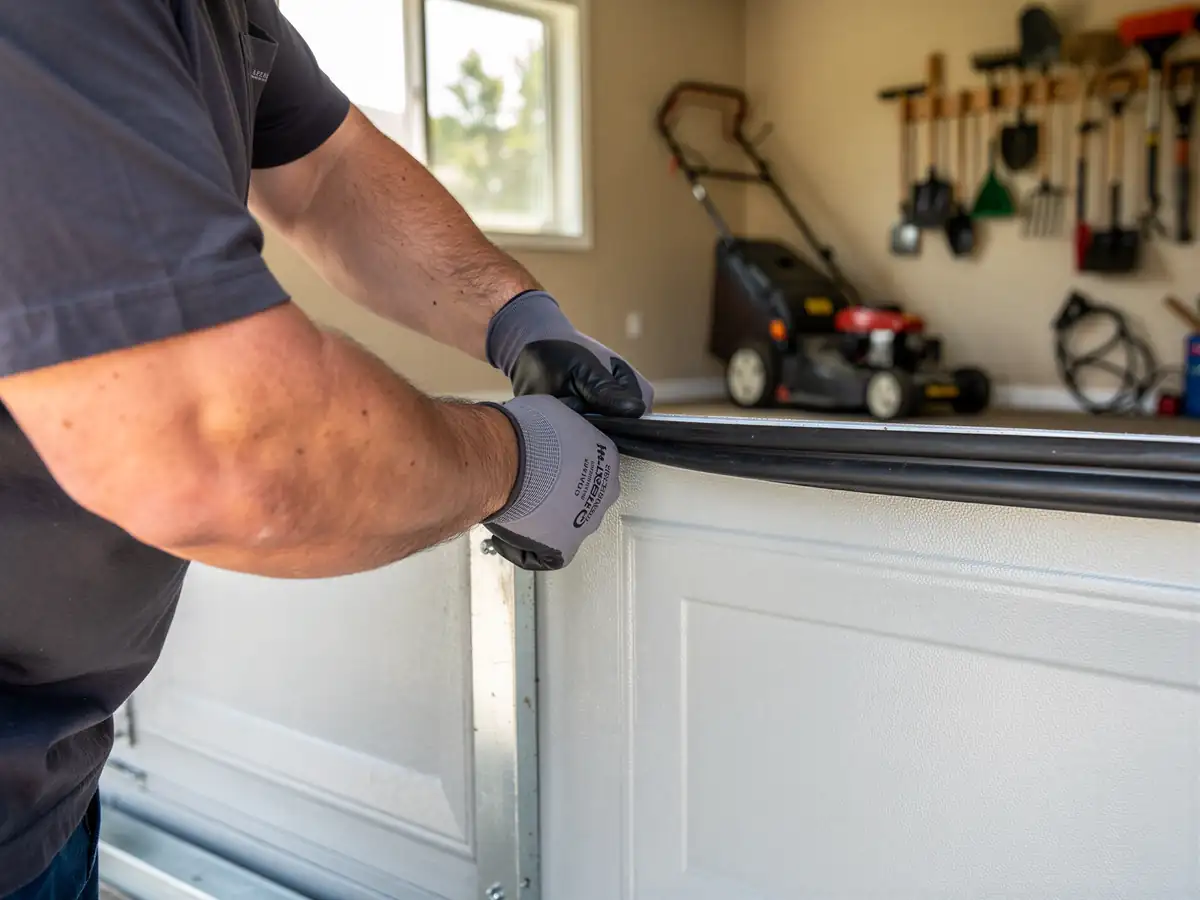
A correctly seated bottom seal matters more here than it would in a milder zone. We size weatherstrip to that, not to a generic national spec.
How We Fix It
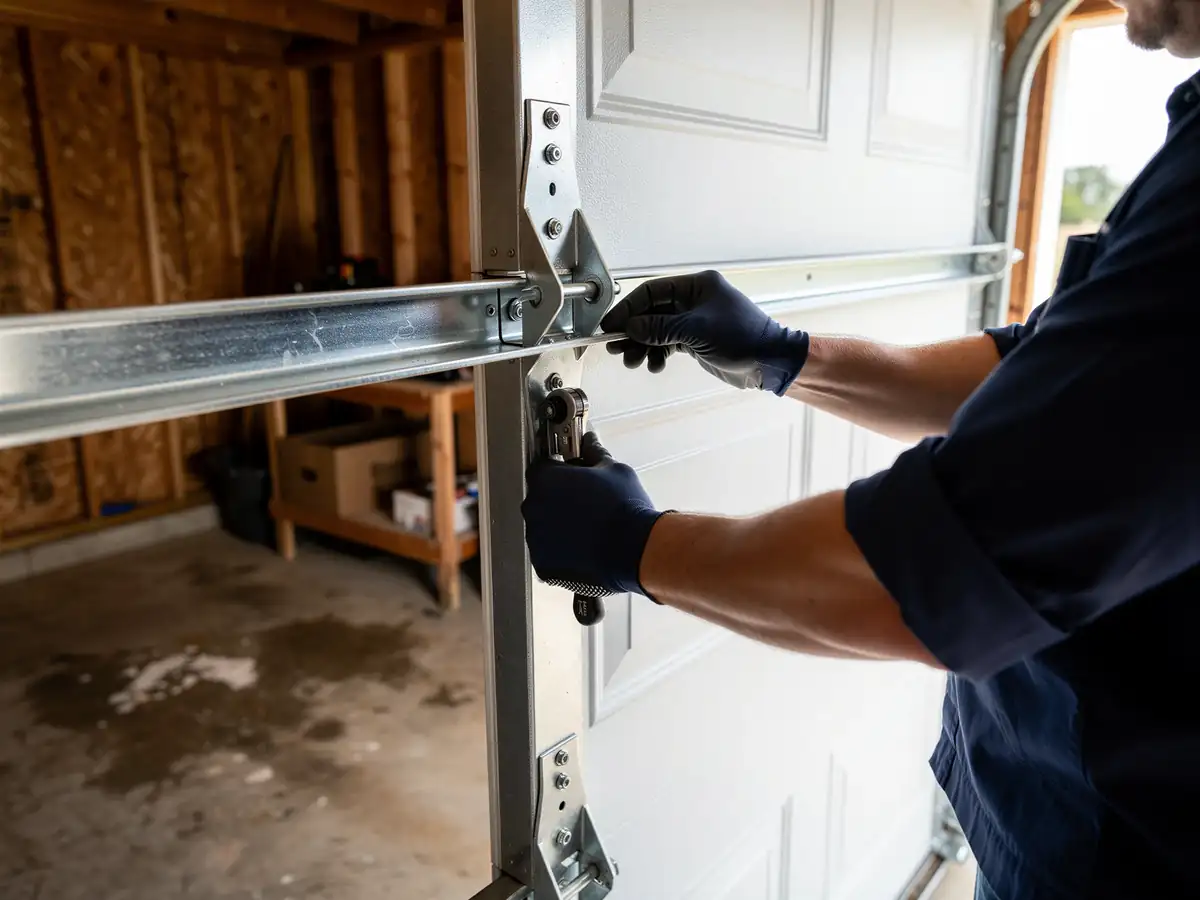
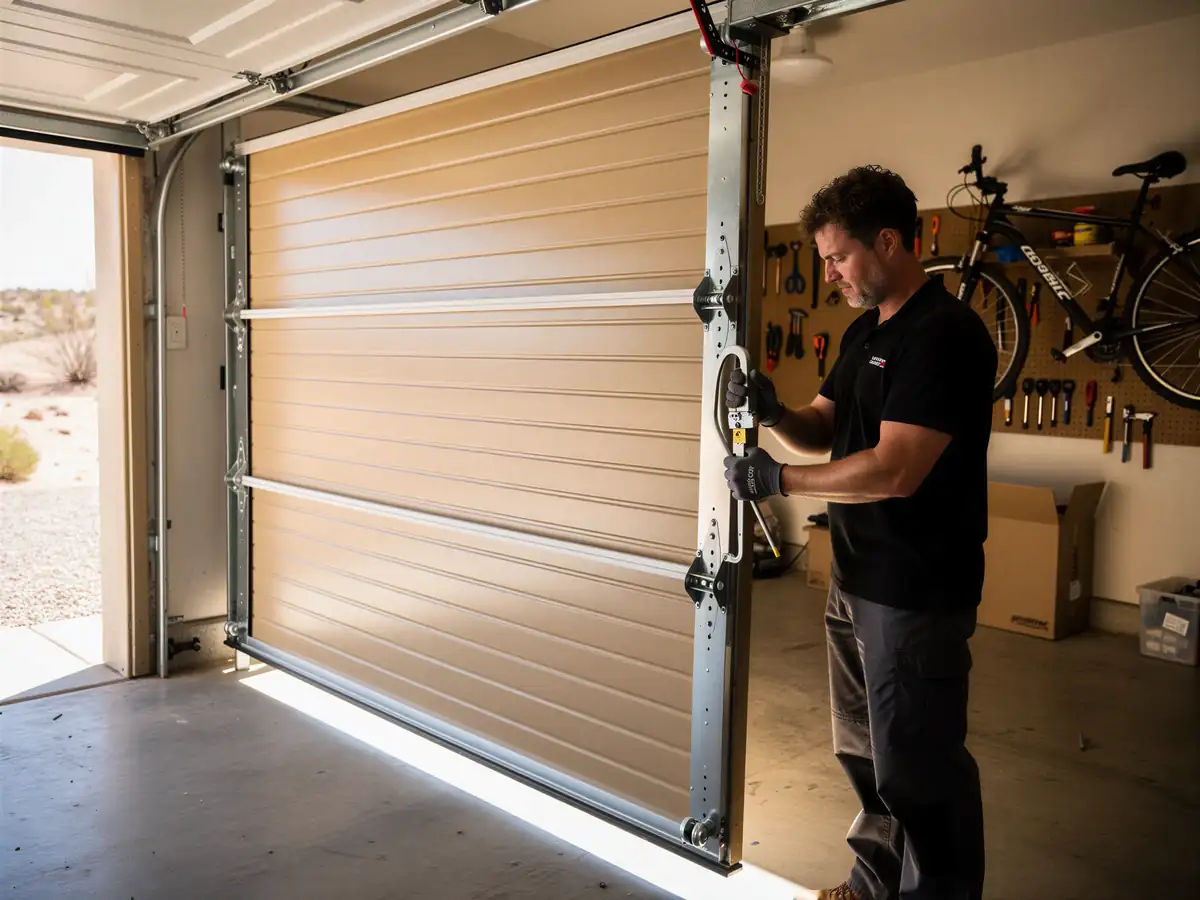
Install day starts with the framing check we already did on the estimate visit, so there's no guesswork when the old door comes off. If the header needs reinforcement because of the age of the house, that's done before the new door goes in, not patched around it.
We set the new opener on its own circuit where the garage allows for it, and we balance the spring tension to the actual weight of the insulated door - not a stock setting, since older openings sometimes carry non-standard dimensions from that era's framing habits.
One honest limit: if your opening is badly out of square or the slab has shifted enough that the frame itself needs rebuilding, that's carpentry work beyond a door install, and we'll say so rather than force a door into an opening that will keep causing problems. Better to know that before the new door's on the truck than after.