How Long You Are Without the Door
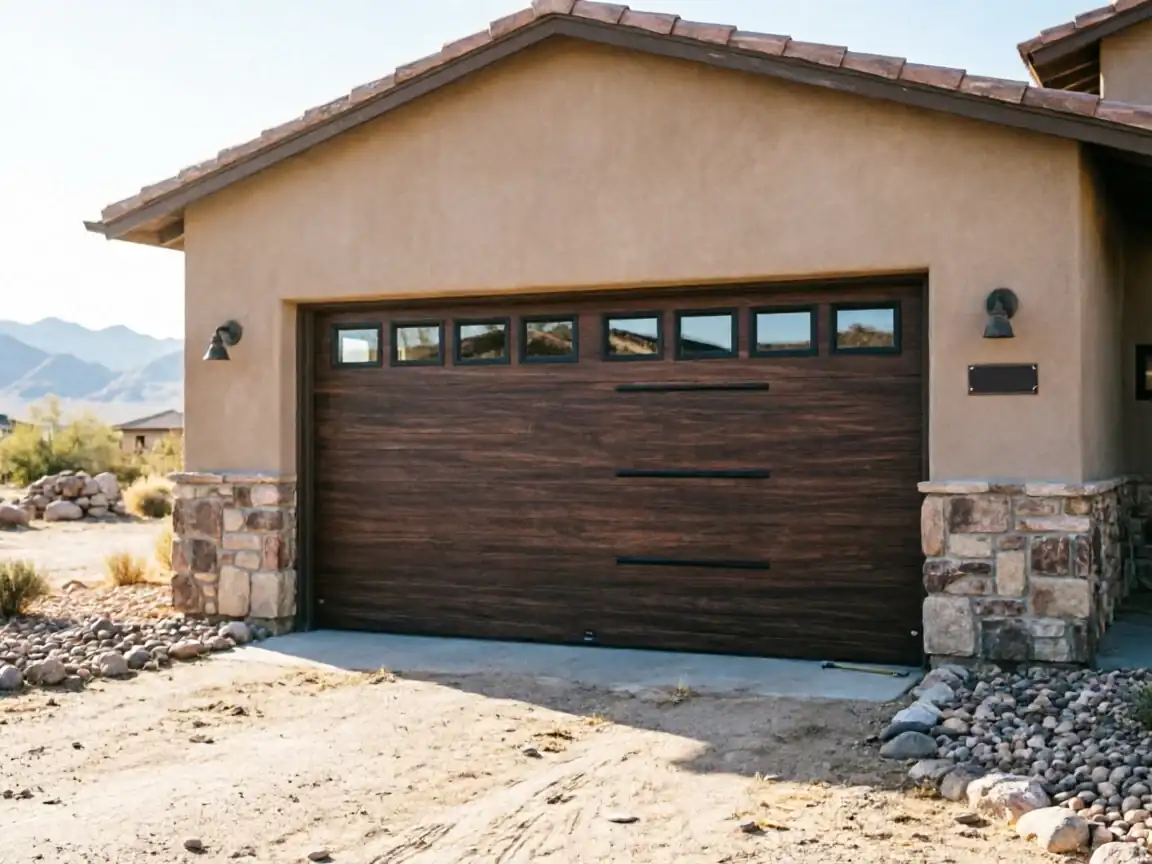
El Rancho's houses mostly date to around 1982
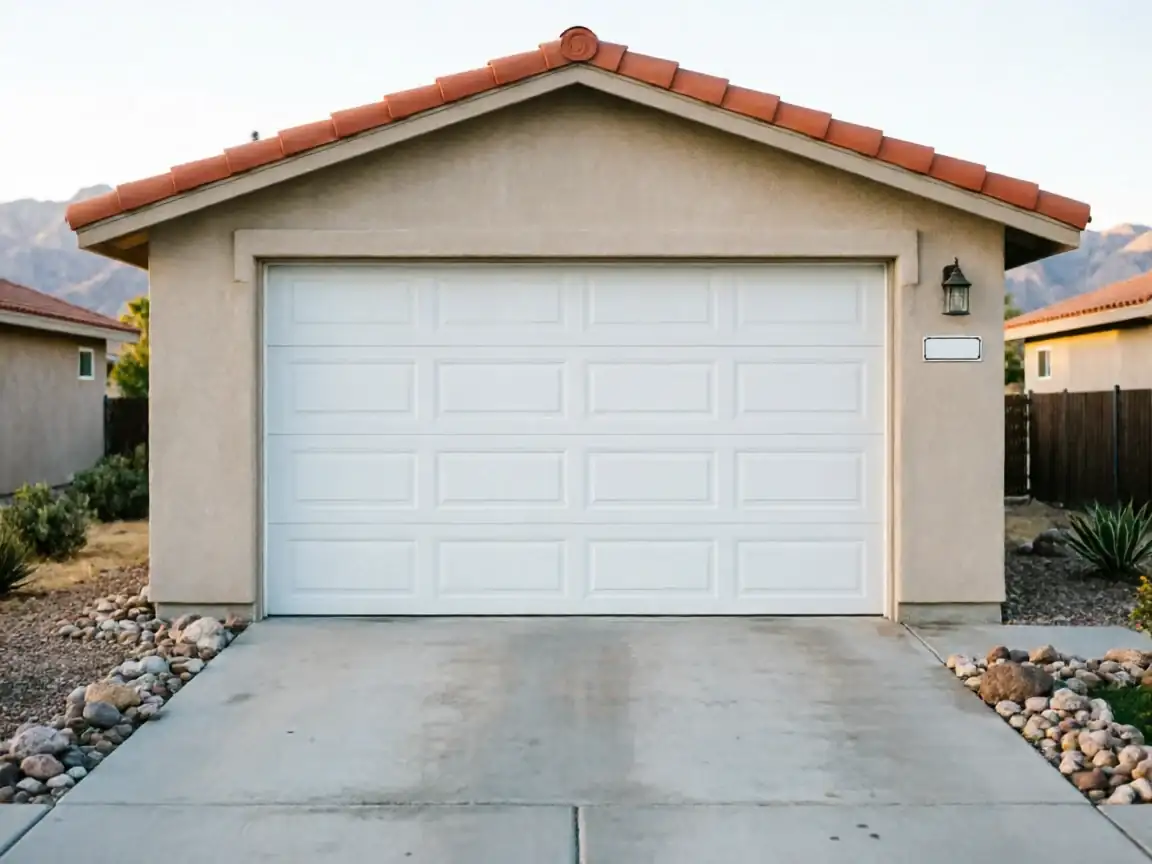
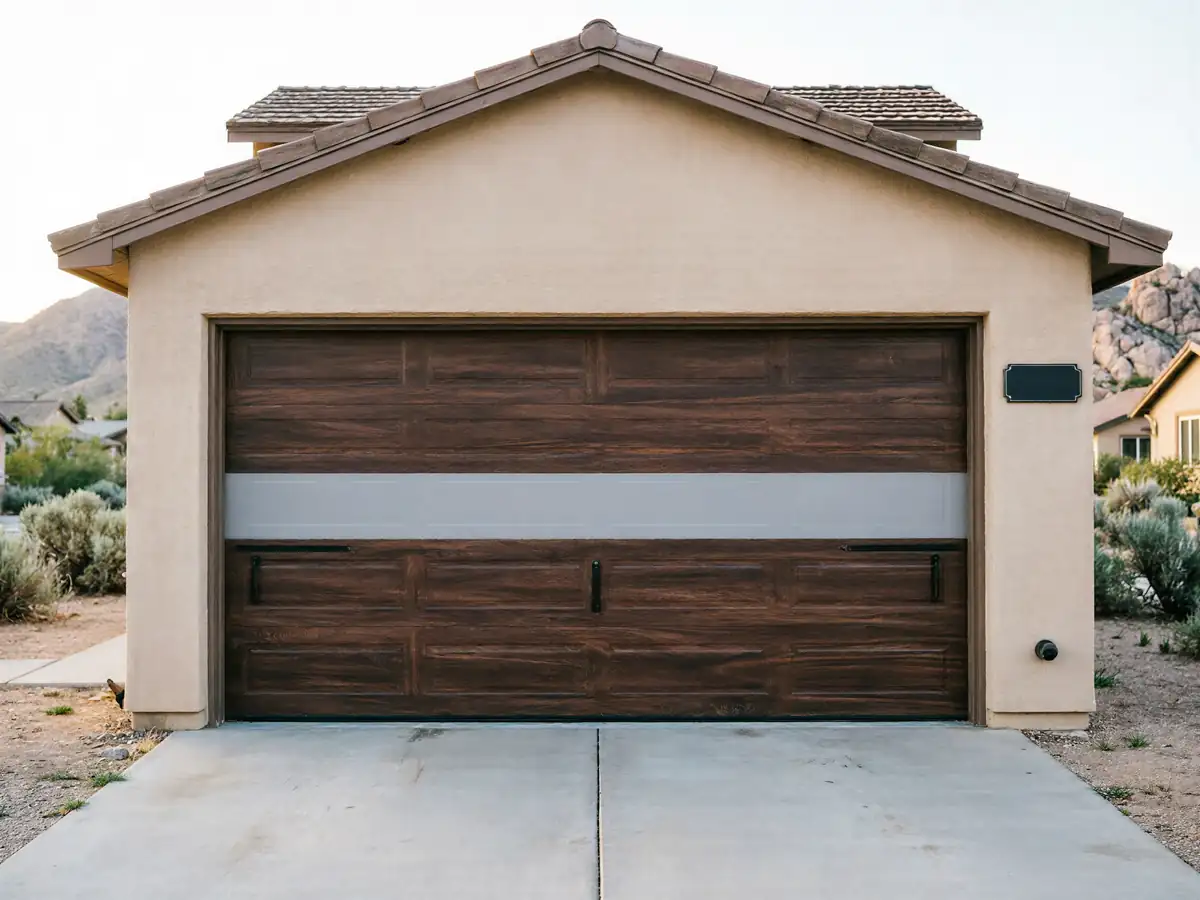
Which puts most garage doors here past the point where a dented panel is a quick swap. By the early 80s, builders had mostly moved off the older one-piece tilt-up doors and onto steel sectional doors with four or five panels stacked on a track. That's good news for repair, since sectional doors let you replace one bad panel instead of the whole door - but only if we can match the panel to what's already hanging.
We don't keep a stock of every panel style from that era sitting on the truck
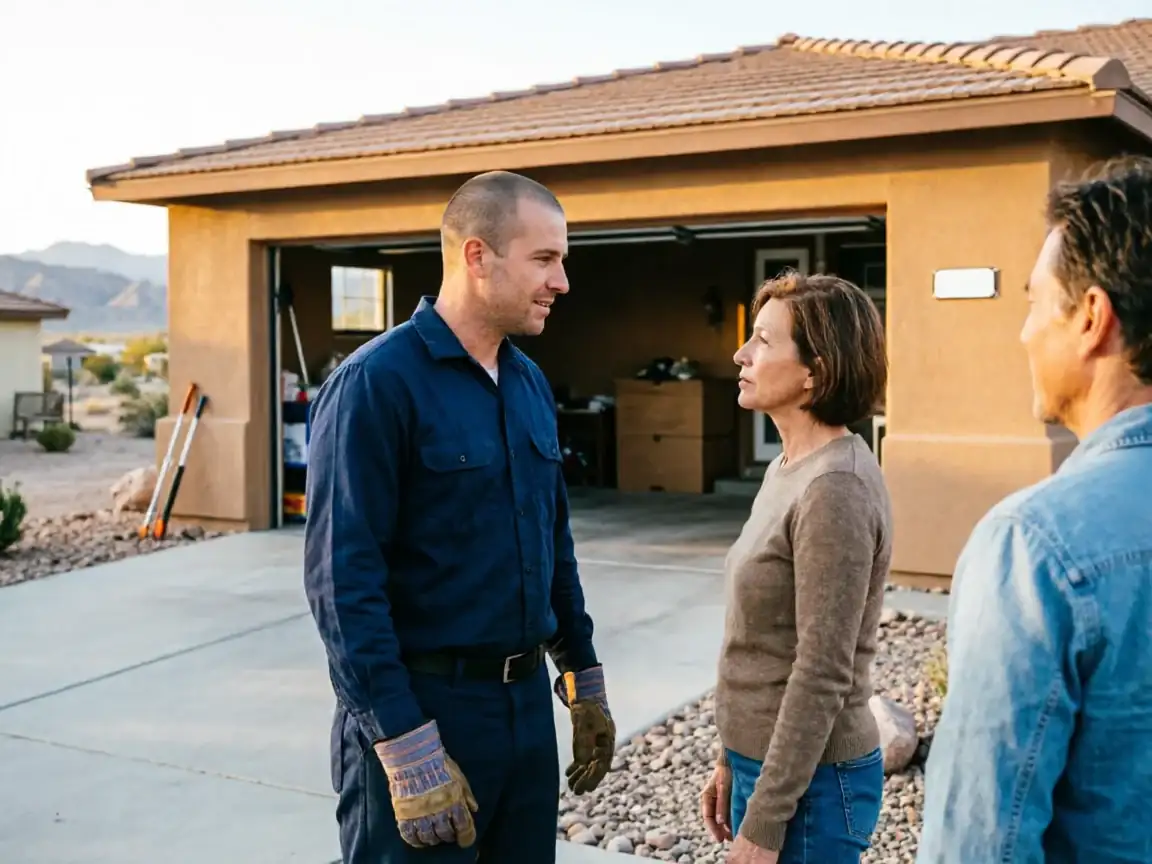
When a match is in the yard, you're looking at a same-trip job. When it isn't, we're ordering from a supplier and coming back, and depending on the manufacturer that can run a week or more. We'll tell you straight when we look at the door which situation you're in - we don't like surprising a homeowner with a wait we didn't mention upfront.
Until the new panel's on, we can usually get the door functional and secure
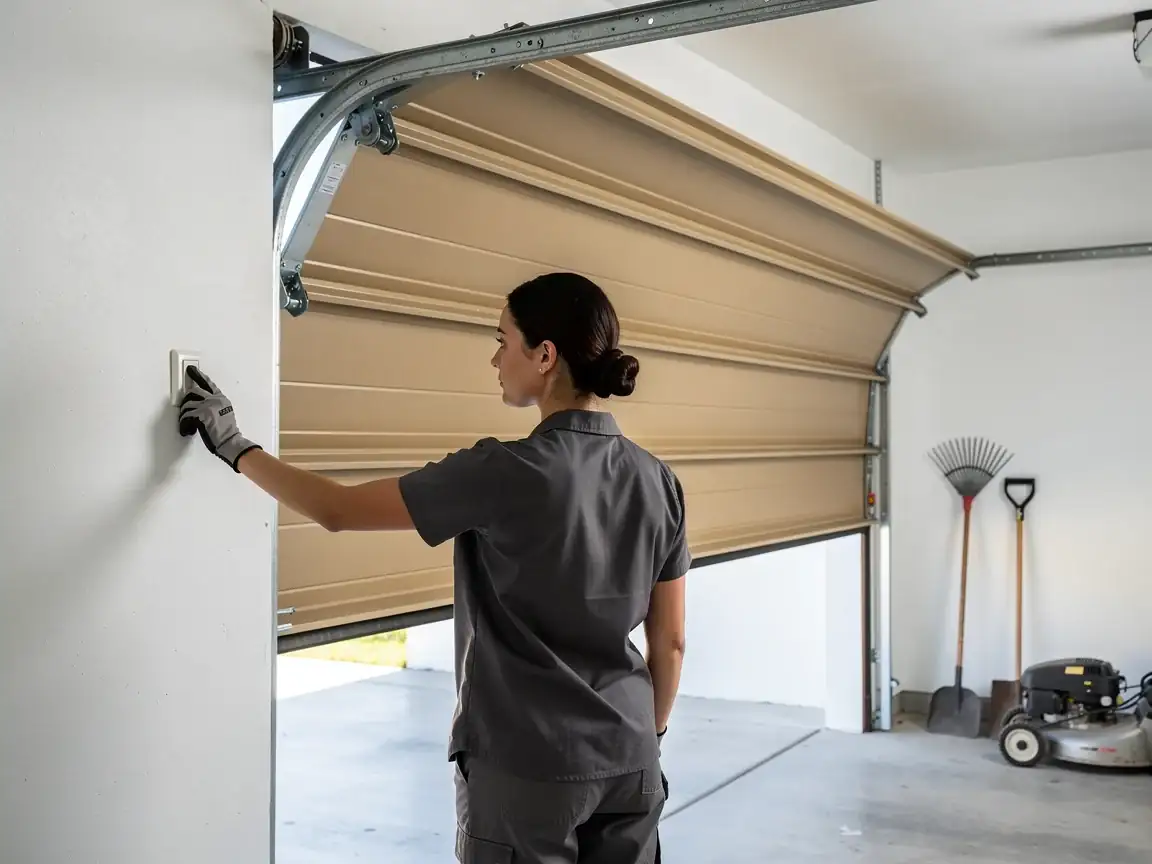
Even if it's not pretty. A dented panel on a sectional door rarely stops the opener from working, so you're not locked out of the garage while you wait.
Booking a Visit
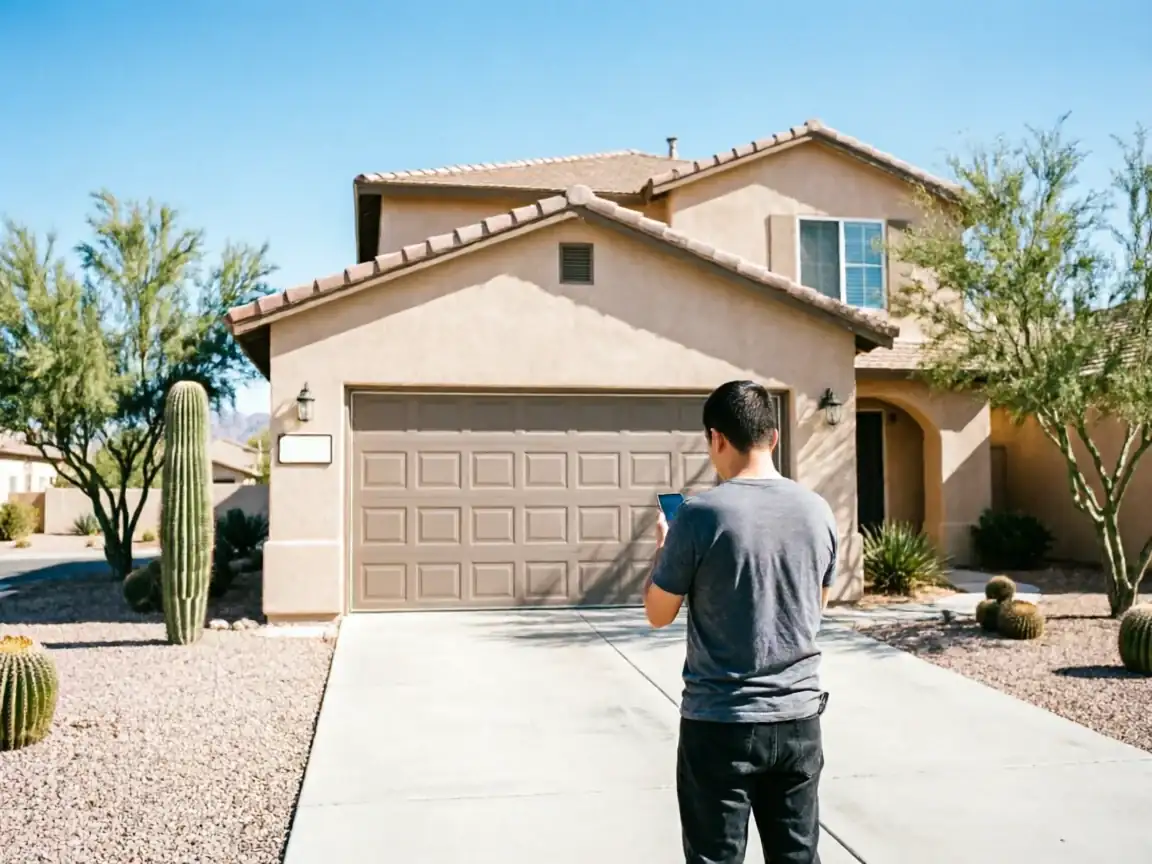
We run out of Santa Fe, about 17 miles from El Rancho, so a visit here gets scheduled rather than walked-in. When you call, tell us the color and rough age of the door if you know it, and whether the dent or crack is on a top panel, a middle one, or the bottom section that takes the brunt of car doors and basketballs. That detail changes what we bring.
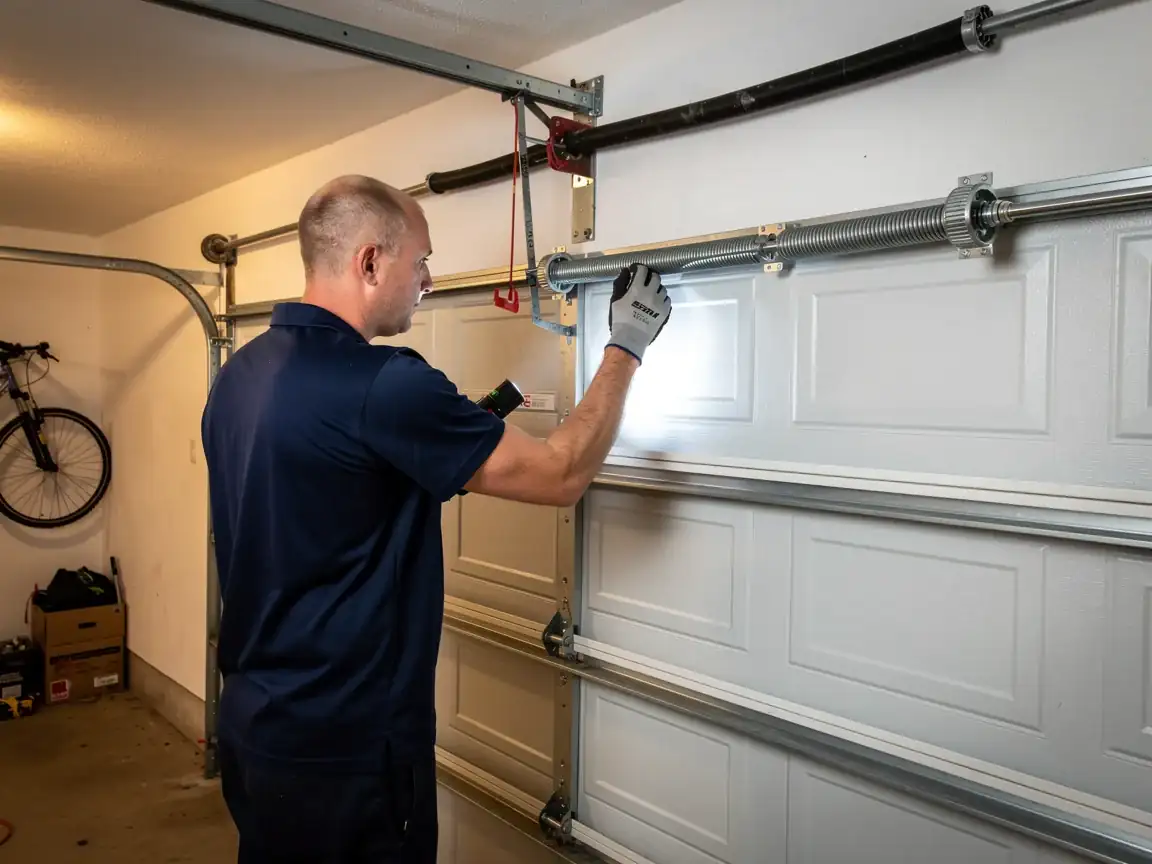
We'll look at the door in person before ordering anything. Paint and panel profiles from the early 80s don't always match what's sold today, even from the same original manufacturer, so a photo over the phone isn't enough to order with confidence. The in-person look also tells us whether the track and rollers around that panel are original - at 40-plus years old, they often are, and that changes the job.
Parts We Carry
For houses built around the 1982 mark, we see a lot of steel sectional panels in standard raised-panel styles, plain or with a modest window cutout. We carry common replacement panels and sections for doors of that general age and build, along with the rollers, hinges, and end stiles that usually need attention at the same time a panel gets swapped - metal fatigues at the same rate the panel does.
What we don't carry is a shelf stocked with every discontinued color and panel profile ever sold. If your door is an older or less common brand, we order the matching panel rather than guess close and leave you with a visible seam. That's the honest limit here: we'd rather tell you a part needs ordering than install something that looks wrong on your house.
What Can Go Wrong
A single dented or cracked panel on a sectional door usually stays a single-panel job
But not always. On a door that's been up since the early 80s, the hinges and rollers around that panel have put in four decades of work in a high desert climate with real winter cold. Metal that's spent that long cycling between hard freezes and summer heat gets brittle at the stress points - right where the hinge bolts to the panel.
So a dent that looks simple can turn up a cracked hinge, a bent track section, or a roller that's seized in its bracket
None of that is a reason to replace the whole door, but it does mean the job can run longer and cost more than just the panel itself. We check the whole section before we quote, not just the dent you called about.
How We Fix It
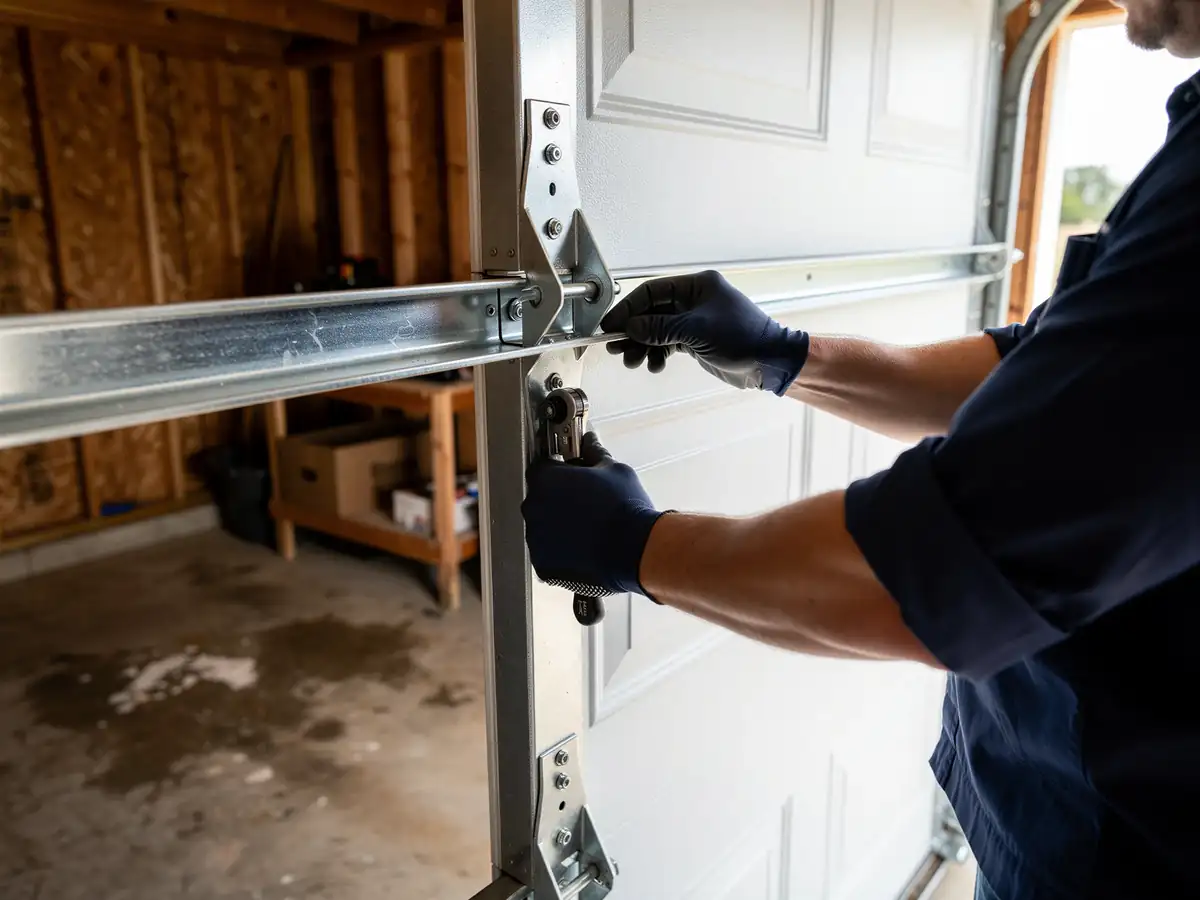
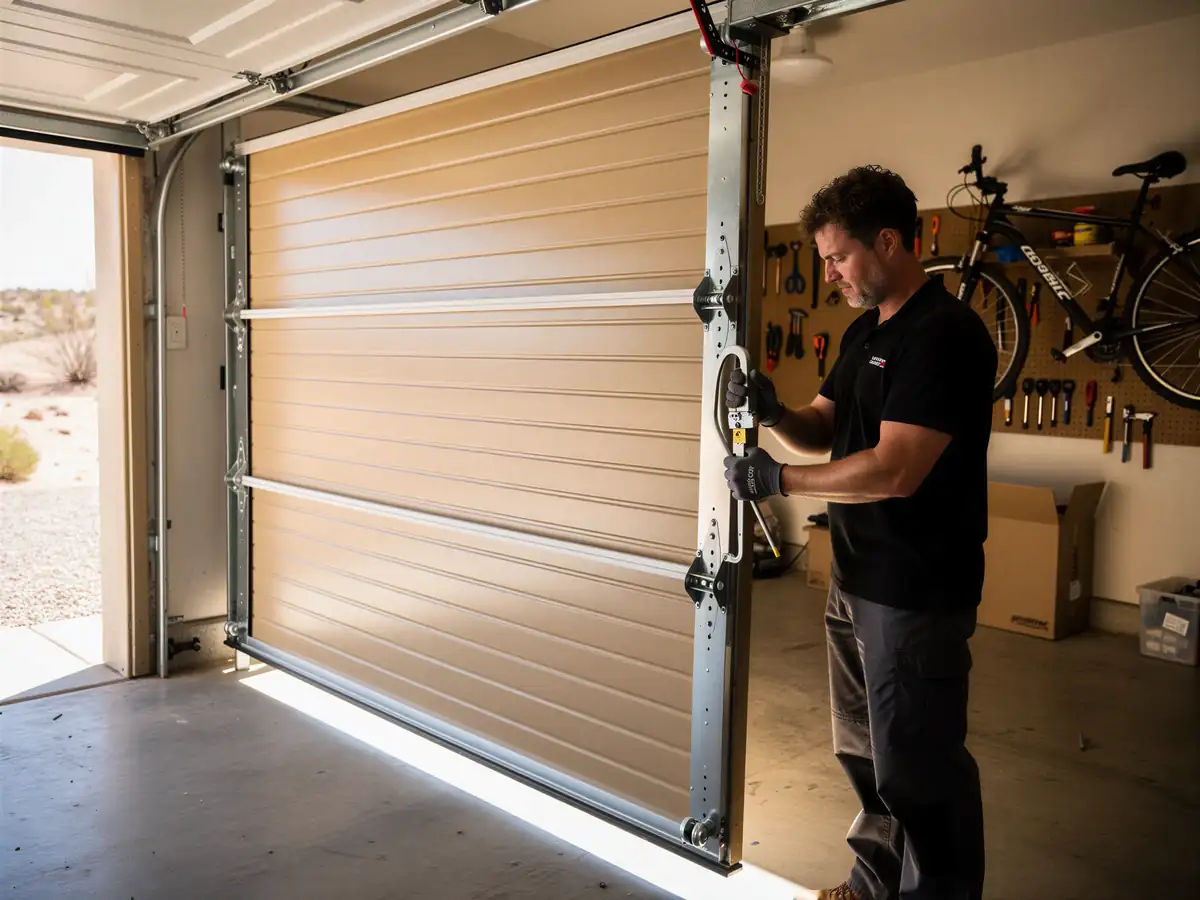
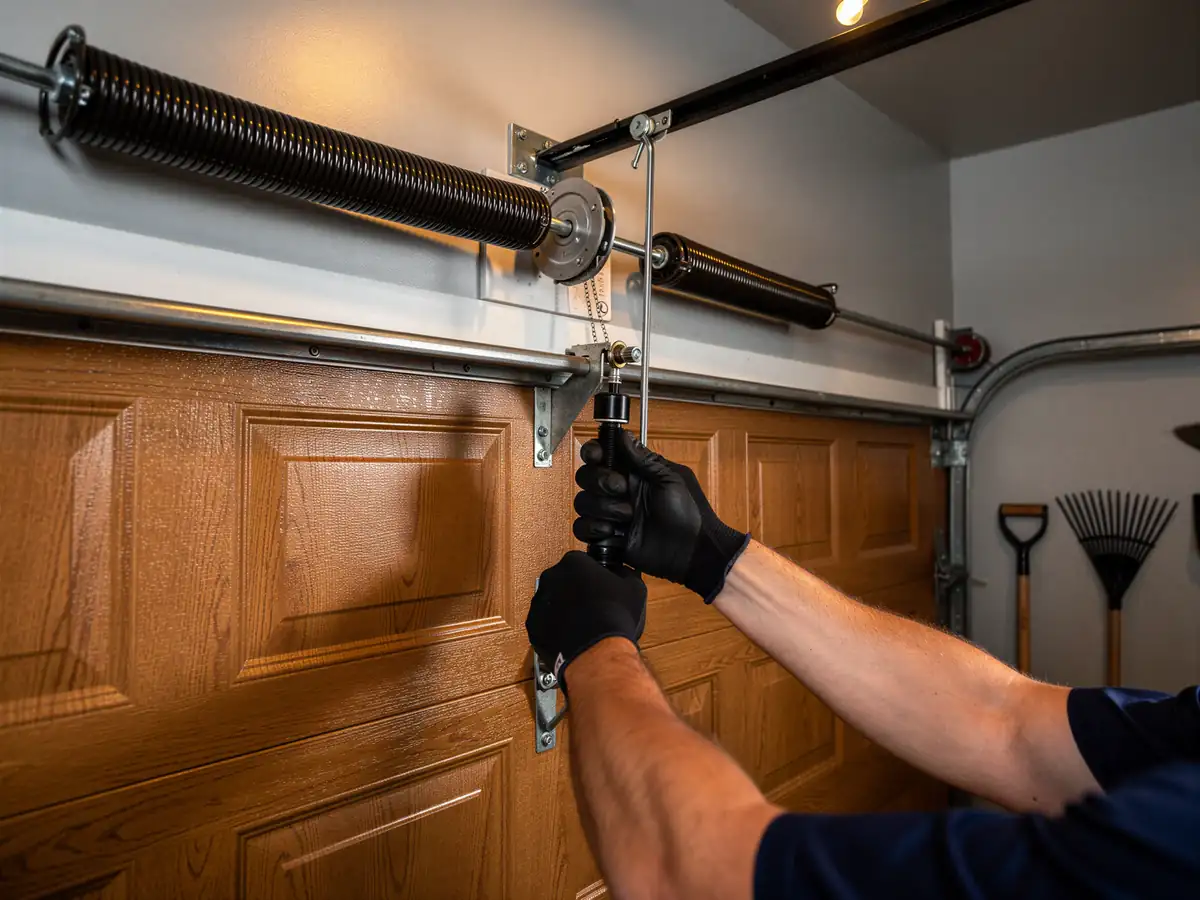
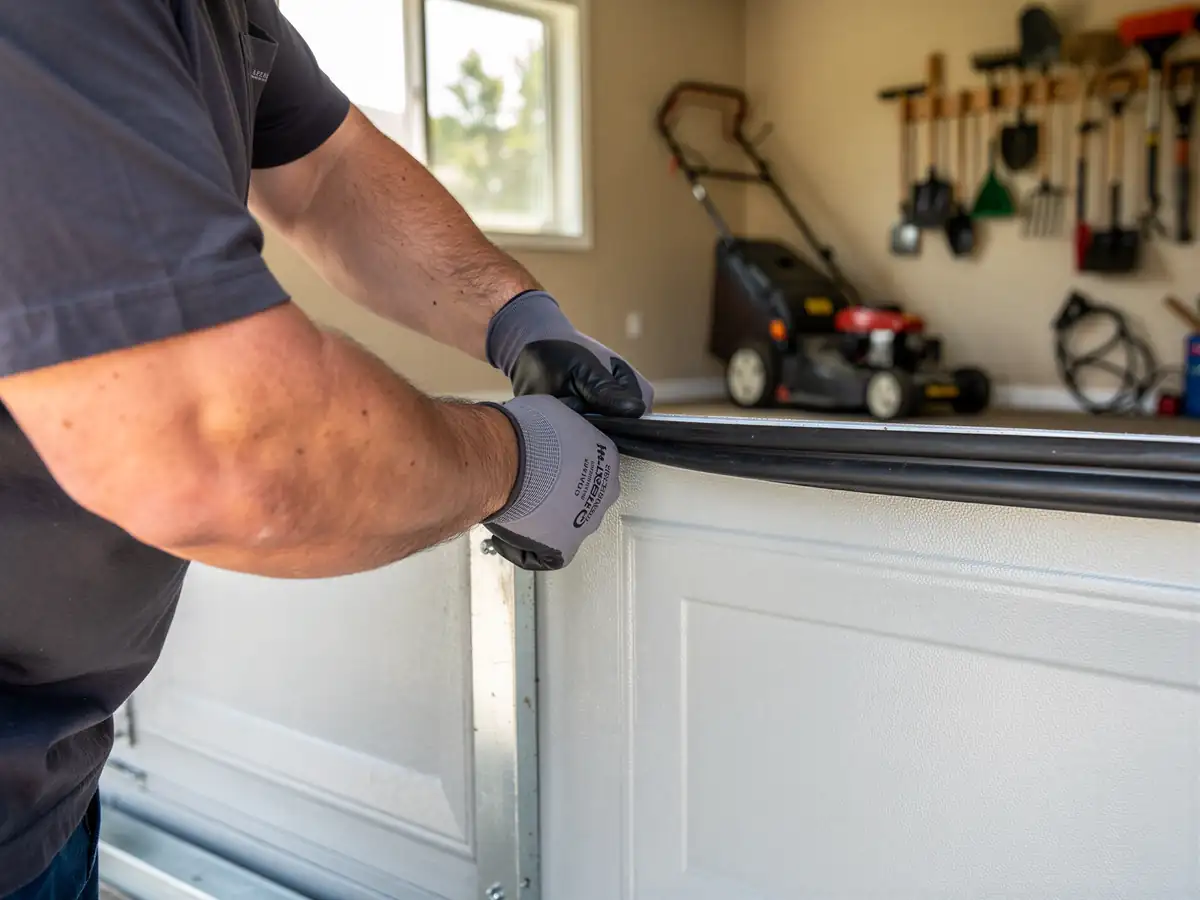
We pull the damaged panel's hinges, disconnect it from the sections above and below, and slide it out along the track without taking the whole door down. The replacement panel goes in the same way, gets hinged back to its neighbors, and we check that the door still sits square in the opening before reconnecting it to the opener.
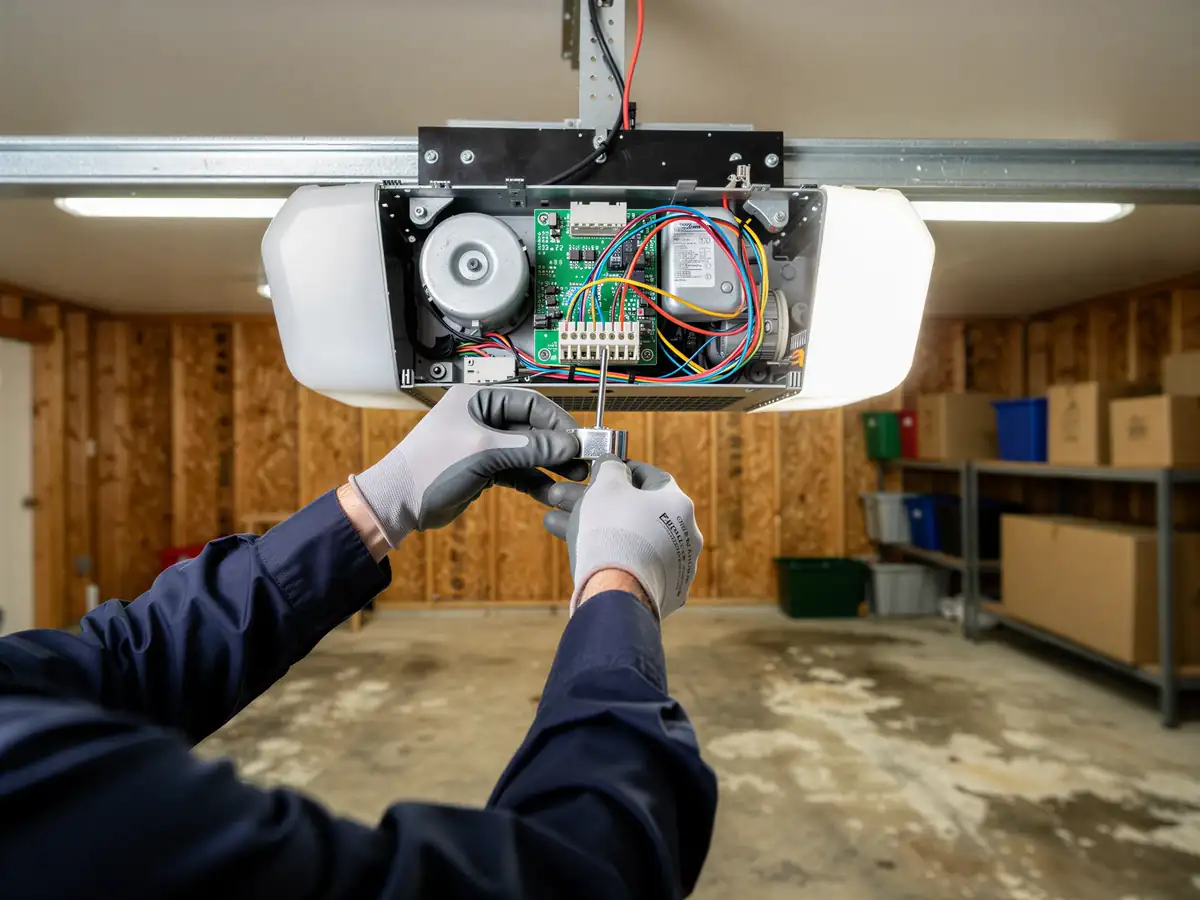
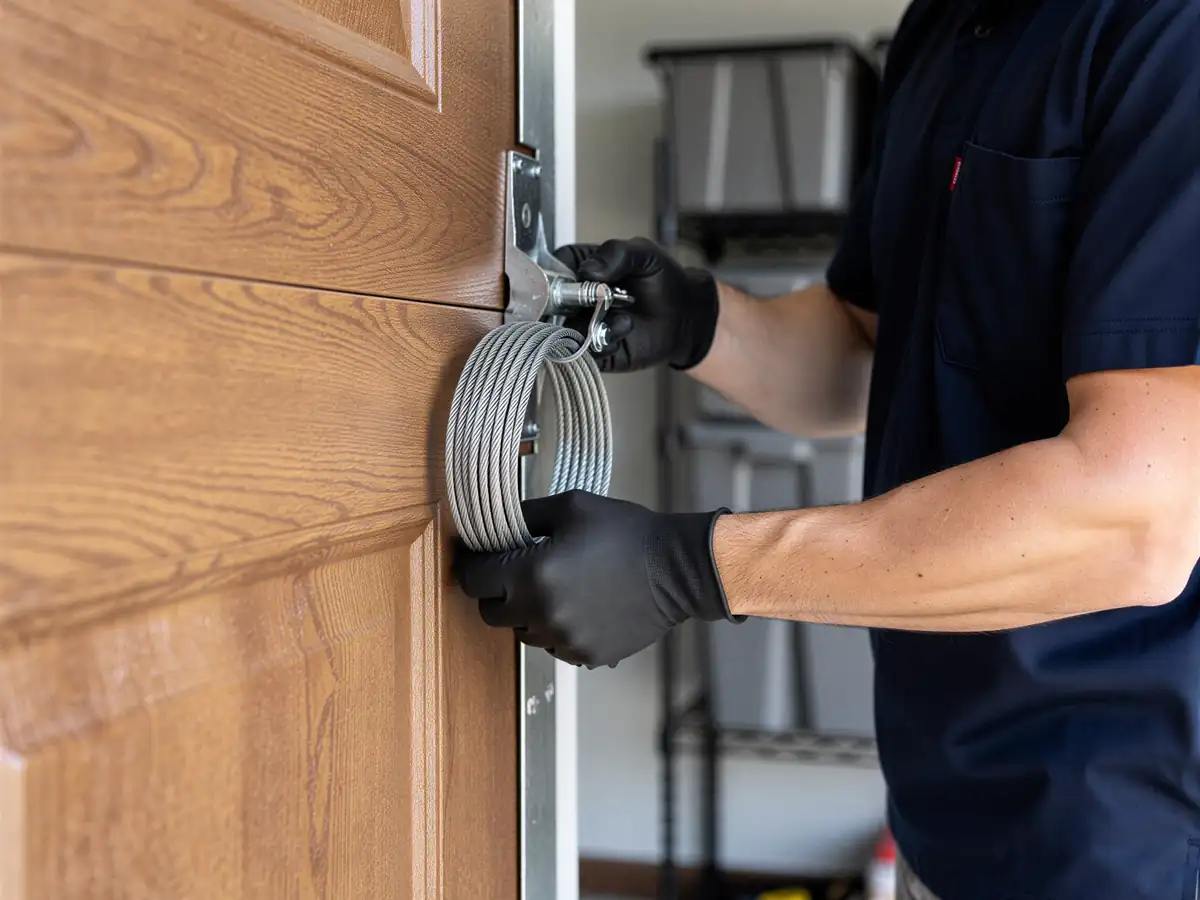
If the hinges or rollers near the panel are worn past safe use, we replace those in the same visit rather than send you a door that looks fixed but still binds on the track. We test the full cycle - open, close, auto-reverse - before we call the job done, since a panel swap that throws the door's balance off puts extra strain on the opener and the springs above it.