Booking a Visit
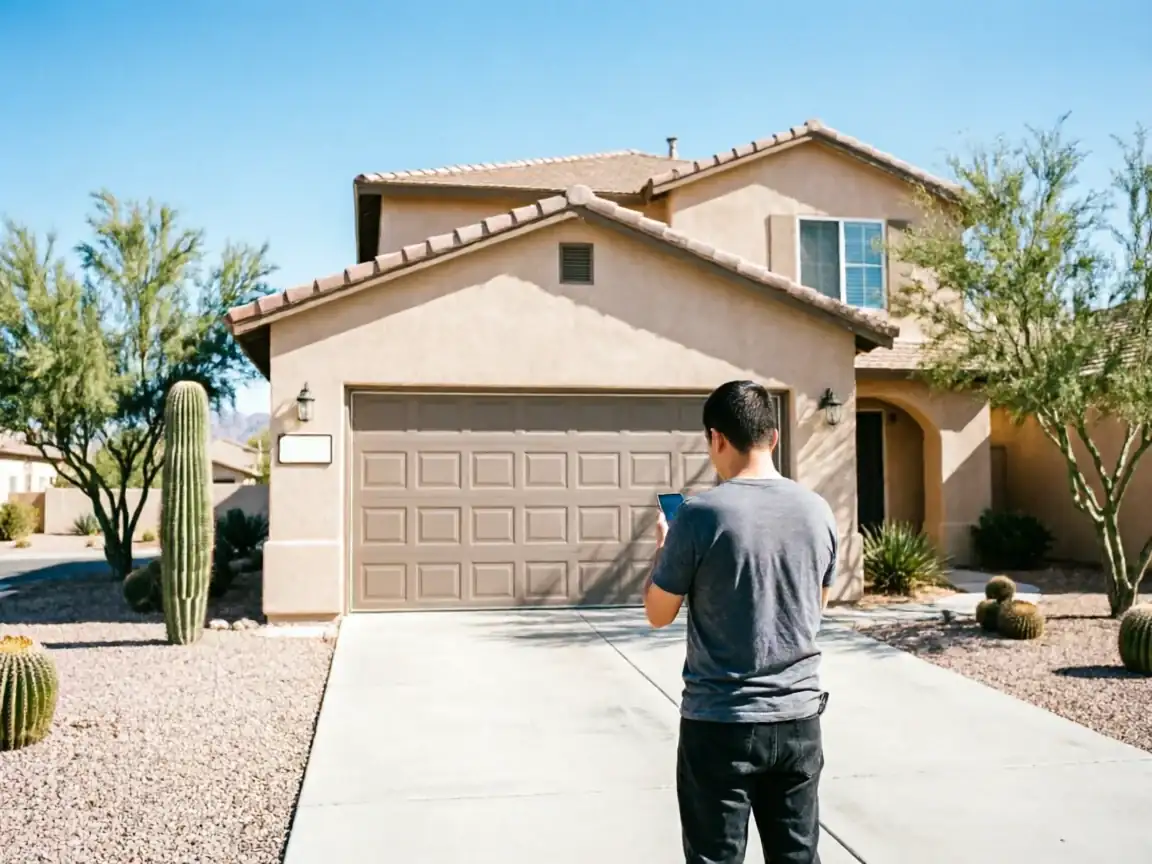
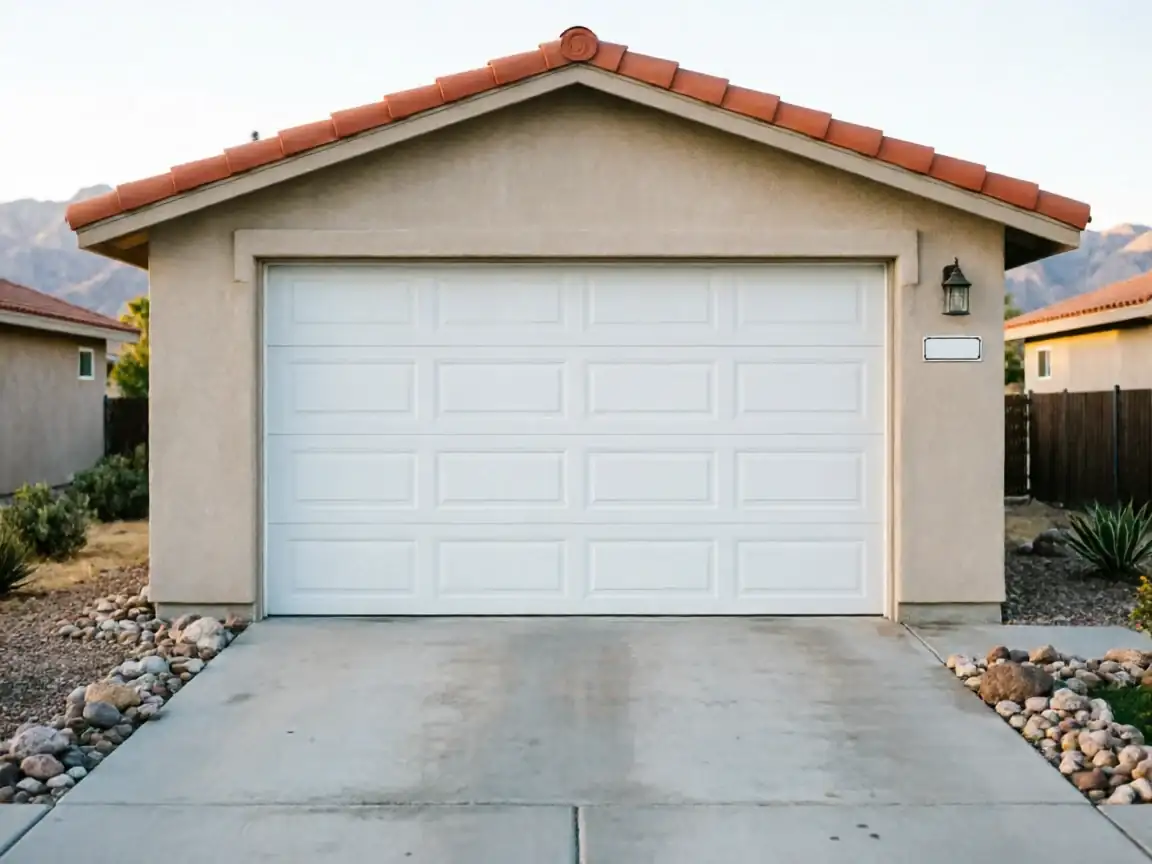
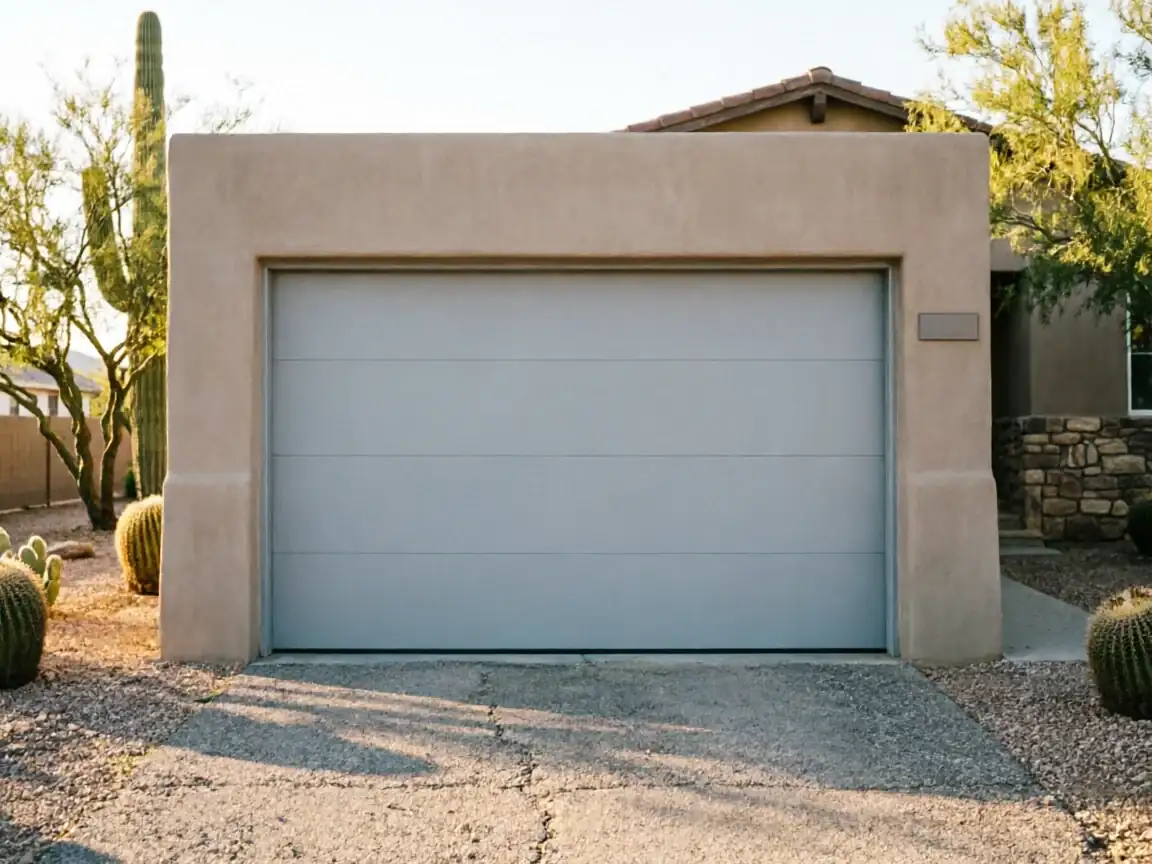
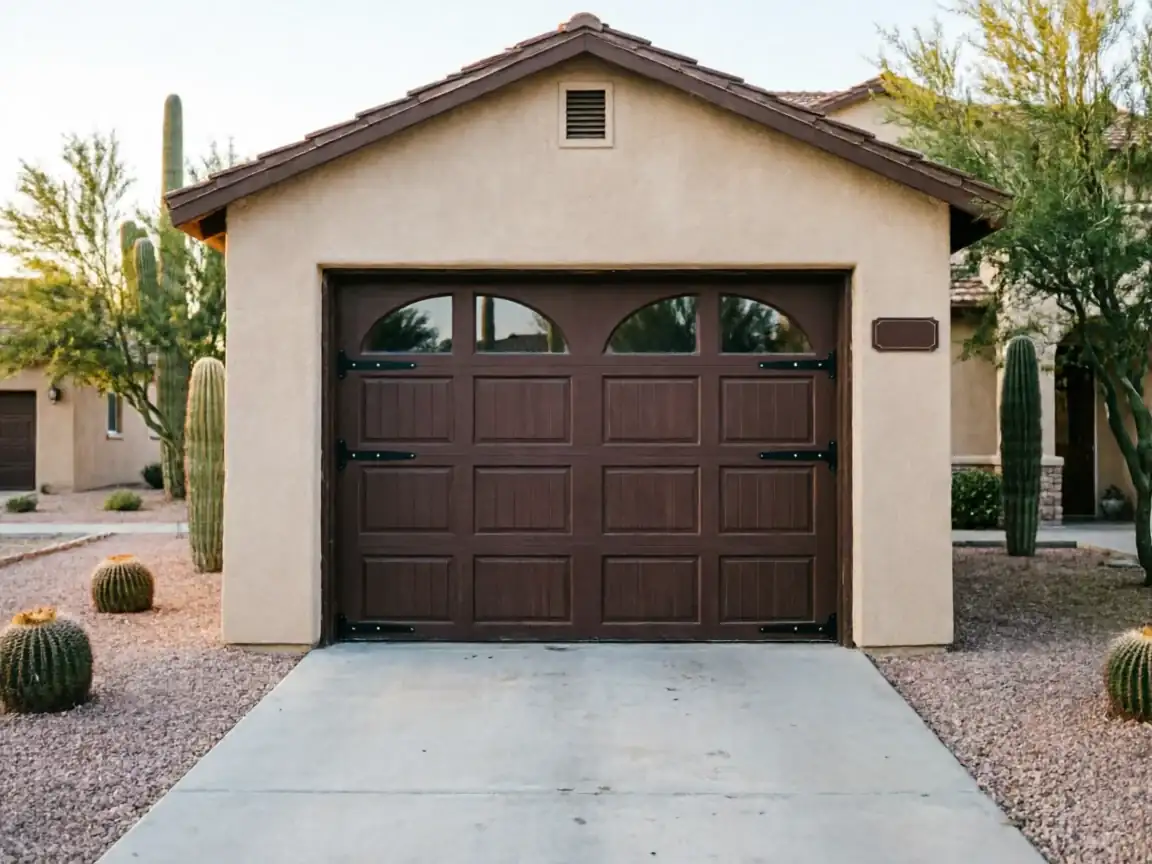
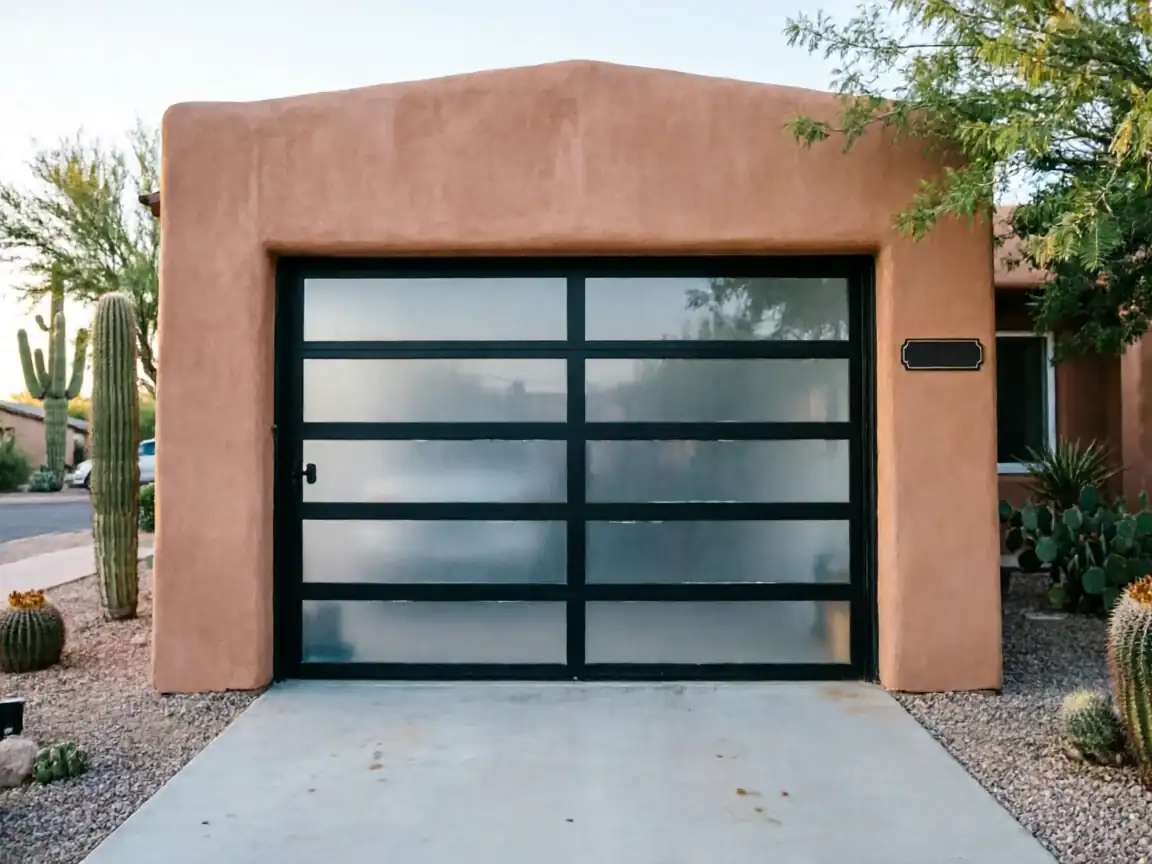
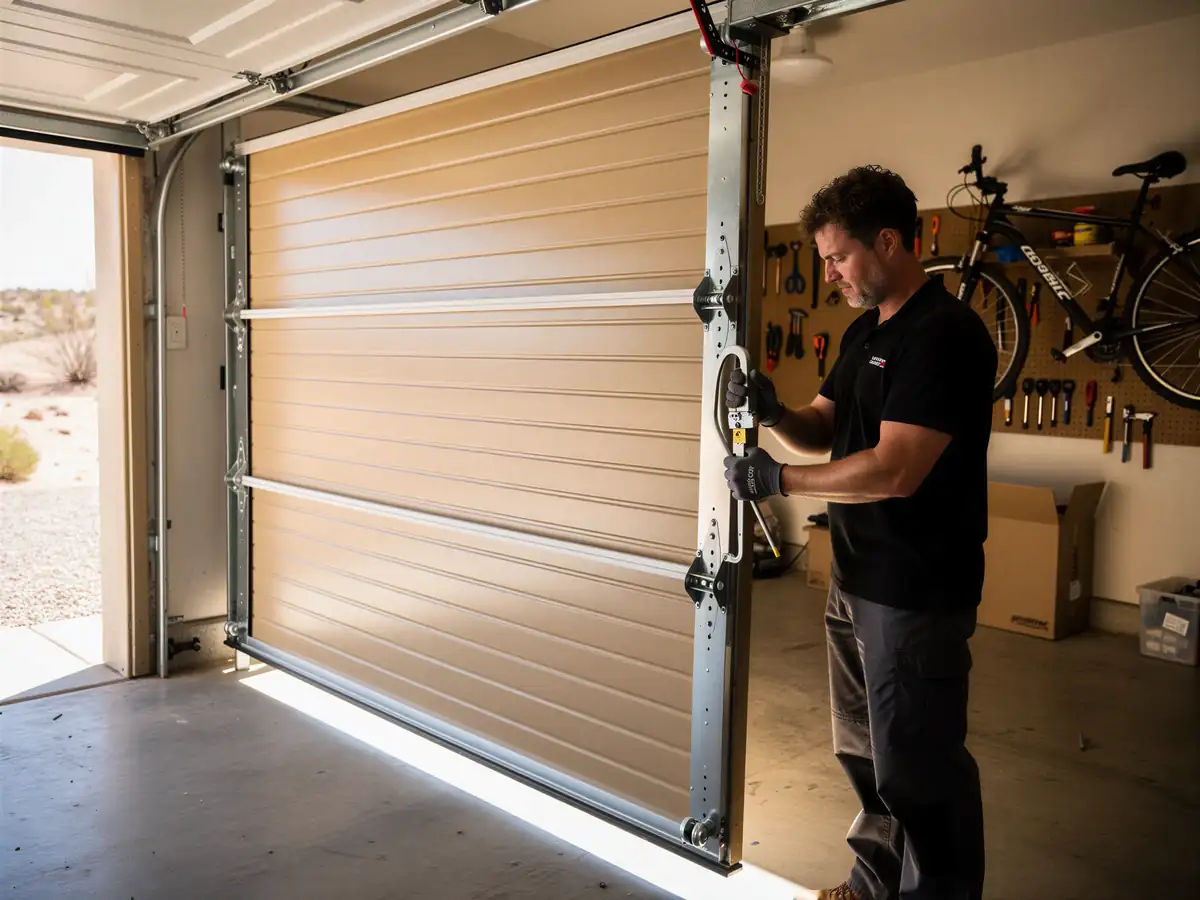
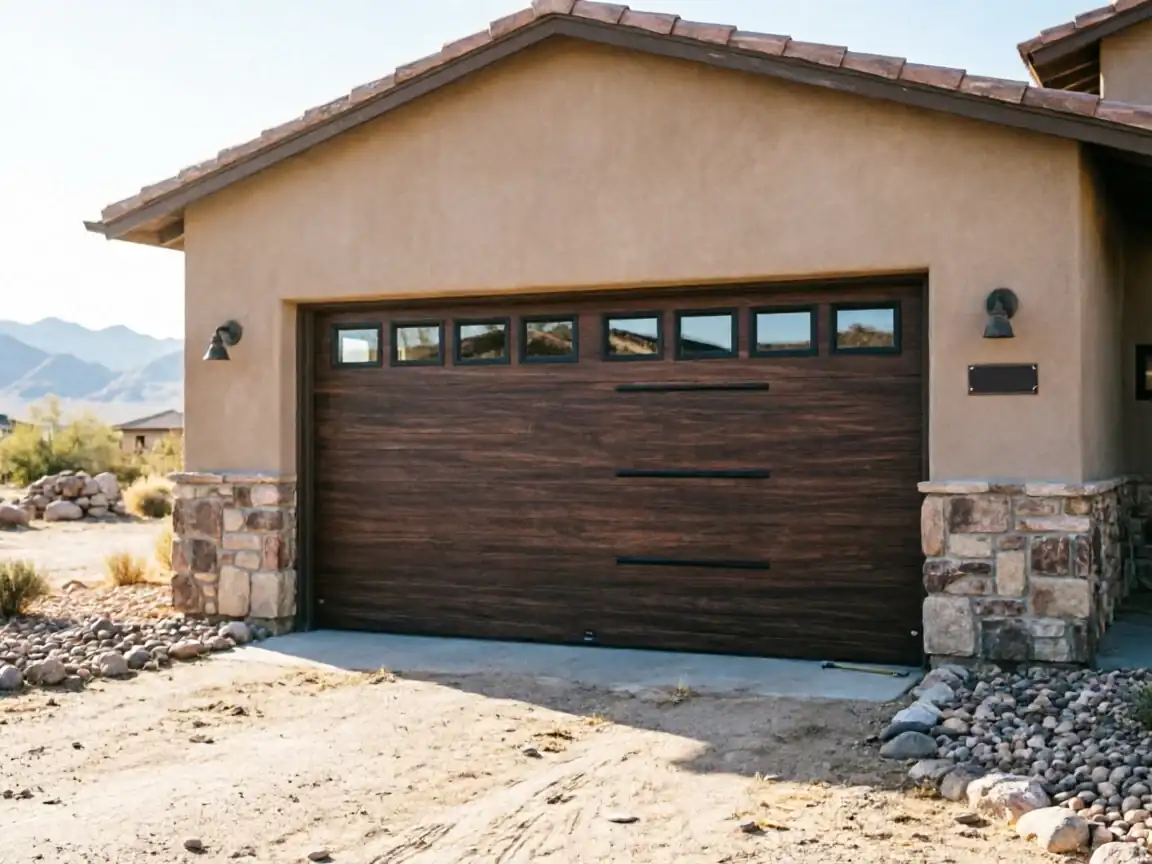
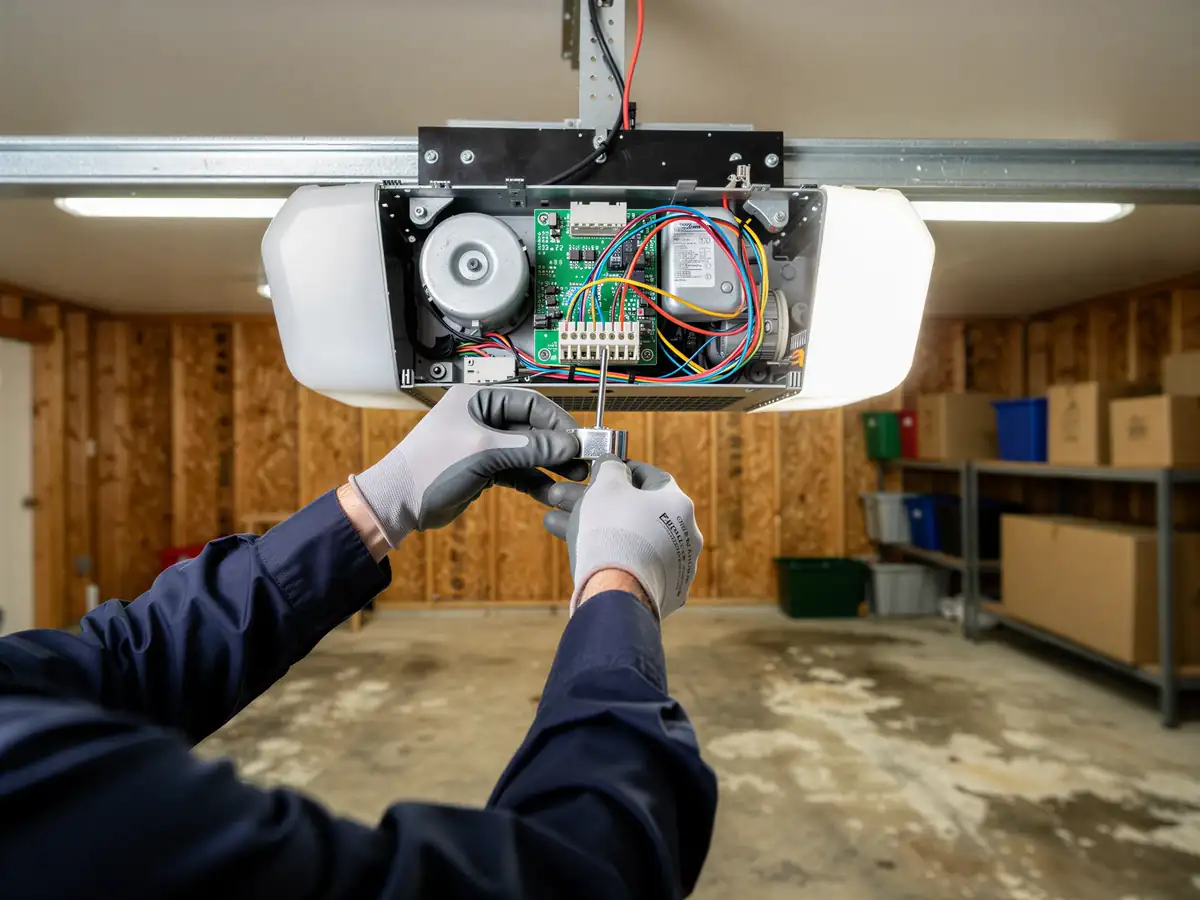
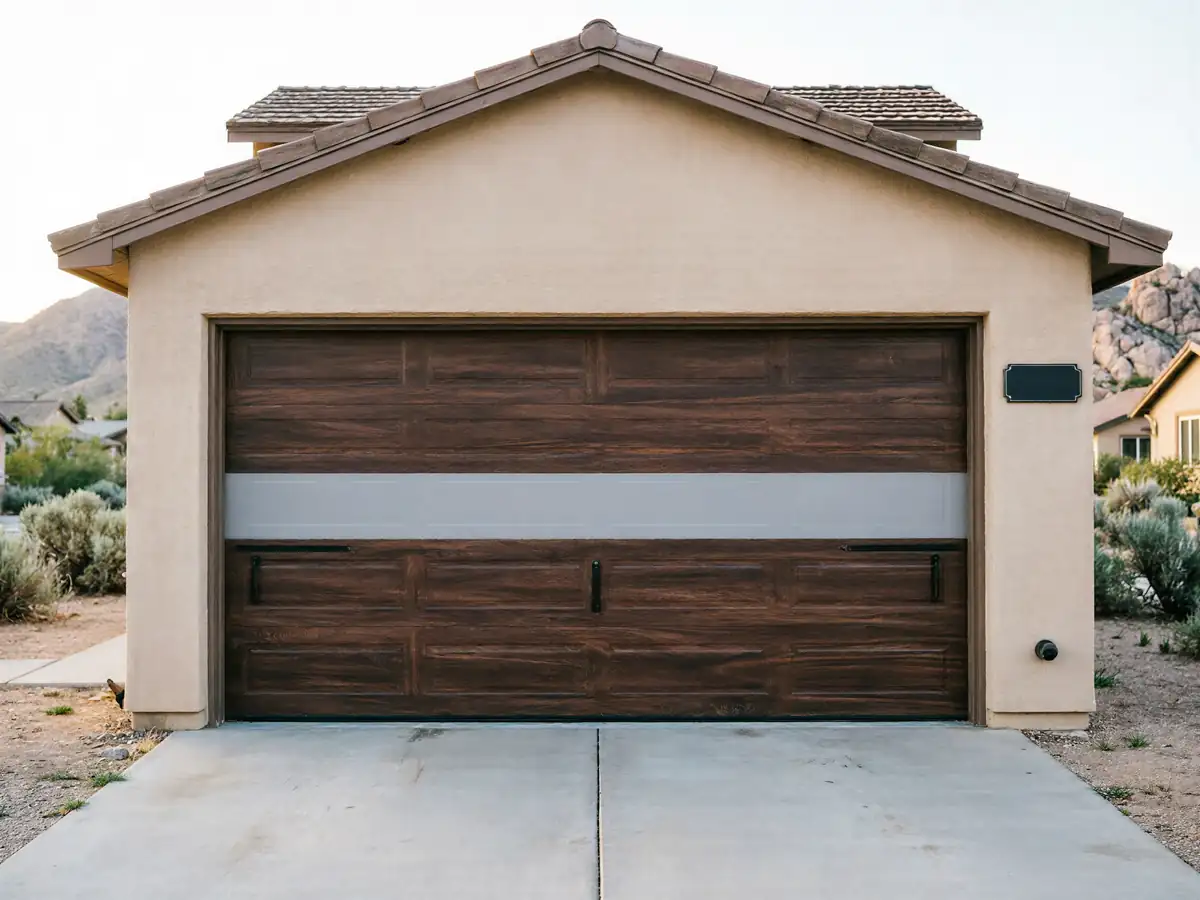
When you call about a door in Pojoaque, the first useful thing you can tell us is roughly how old the house is and what the door looks like - steel sectional, wood-look overlay, single or double bay. Houses in this part of the service area mostly went up in the early-to-mid 1990s, median right around 1994, which narrows down the hardware we're likely dealing with before anyone sets foot on the property. That's a few years newer than the broader regional stock, which runs 1973 to 1999 with a median closer to 1990. It's a small gap, but it's the difference between torsion springs on a stamped steel header (common by the mid-90s) and the older bracket styles that show up on houses built a decade earlier. Tell us if the opener is original to the house or was swapped out later - that one detail saves a trip back to the truck for the right logic board or drive gear. We book around the Santa Fe route, so an afternoon slot for Pojoaque gets planned alongside other calls heading the same direction that day.
What It Costs
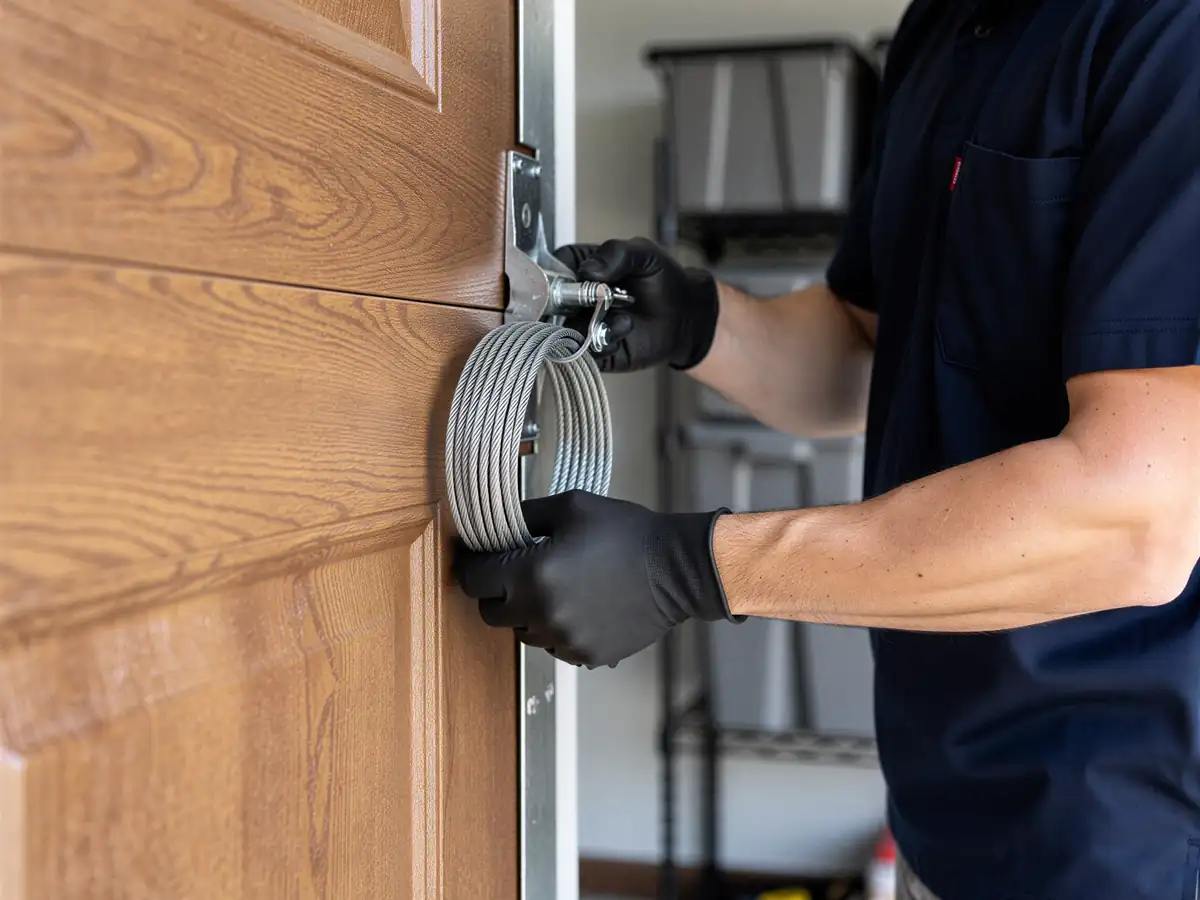
We don't post a flat price list for Pojoaque because the repair itself is what drives cost, not the town. A single torsion spring replacement on a standard double door is a different job, and a different bill, than a full opener swap or a bent track pulled back into alignment. What we can tell you is what shapes the estimate: the age and size of the door, whether it's a double 16-foot bay or a single, and whether the failure is isolated - one spring, one broken cable - or has knocked something else out of true, like a track that's been forced while the door was already struggling. Pojoaque's household income runs close to the area-wide figure, $68,188 against a regional $68,432, which is worth mentioning only because it tells you this isn't a market where we're padding quotes for a wealthier zip code or cutting corners for a leaner one. The honest limitation here: if your opener is an older model with a control board nobody makes anymore, we may need to order a replacement unit rather than a matching part, and that adds a day or two, not a same-visit fix.
What Causes It Around Here
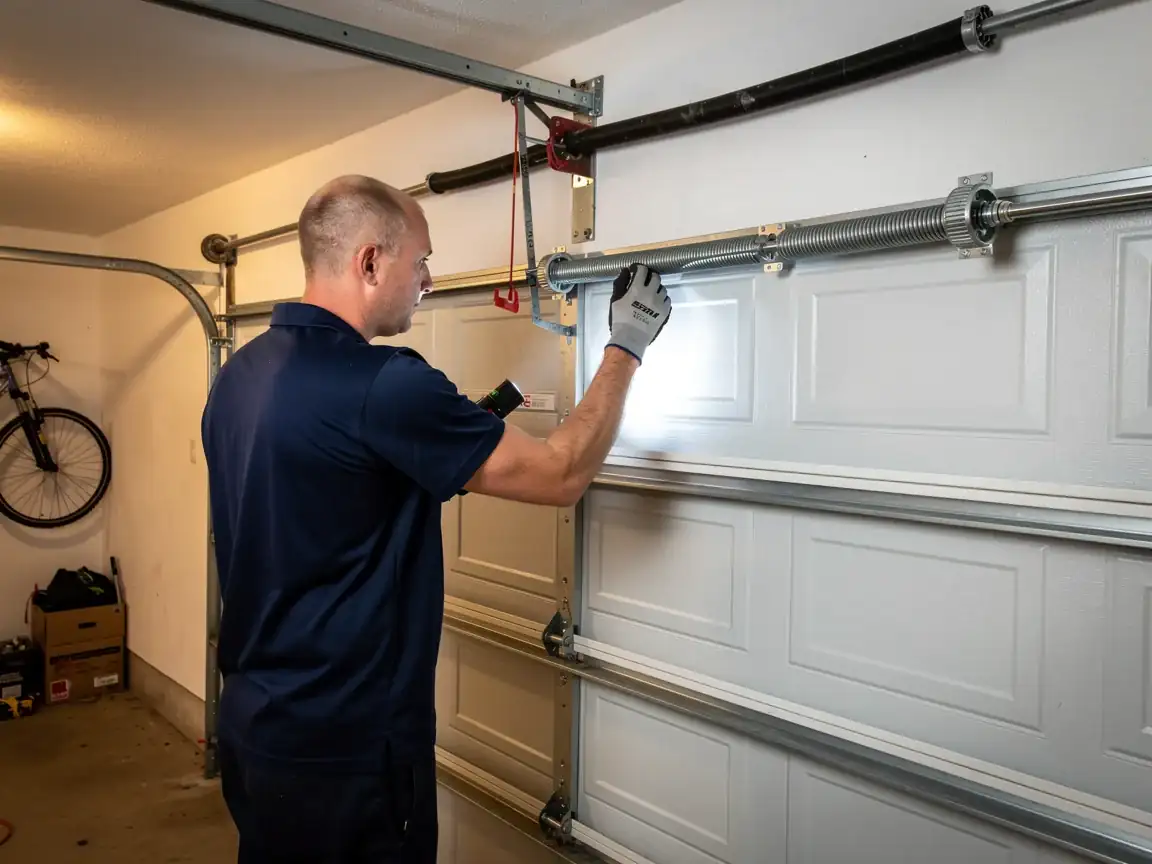
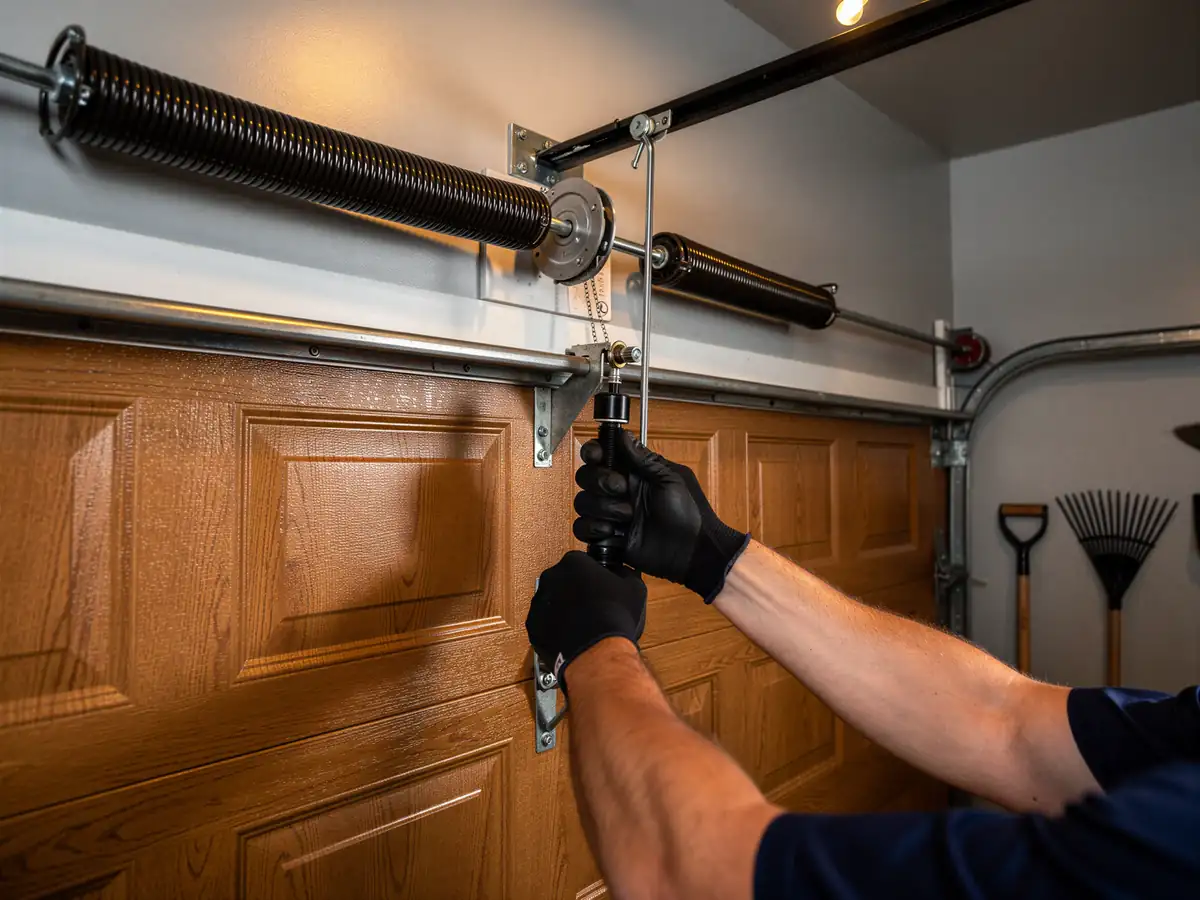
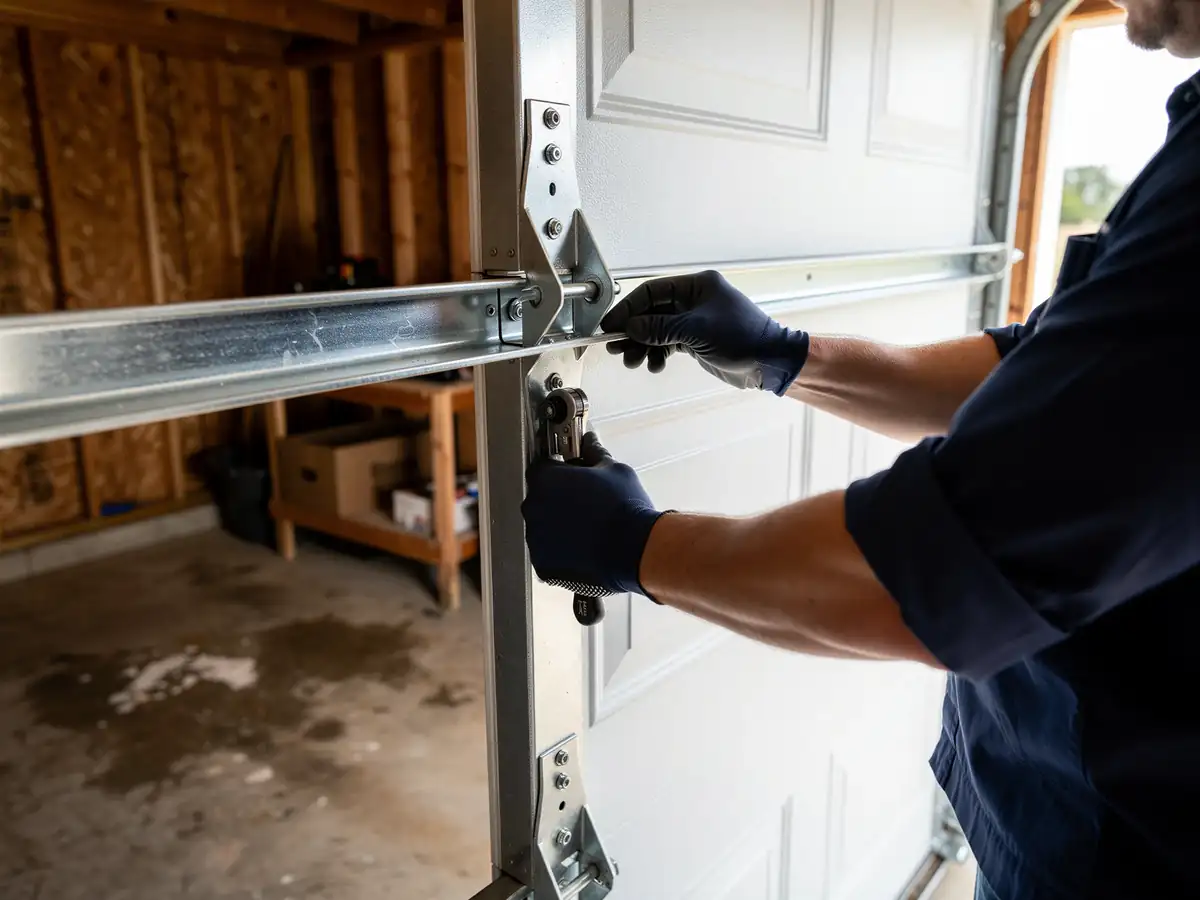
Doors built around 1994 are coming up on three decades of spring cycles, and that's the root of most calls we get from this stretch of the service area - not a single bad part so much as hardware that's simply used up. A torsion spring is rated for a set number of open-close cycles; once you're past it, the question isn't if it breaks but when, usually on a cold morning when the steel's least forgiving. The region sits in a severe cold climate band, and temperature swings put real stress on springs and on the lubrication in an aging opener's gearbox. With 939 households in Pojoaque - a smaller slice than the roughly 10,772 across the whole service area - we're not covering a dense grid of near-identical doors here, but the build era is consistent enough that spring fatigue and original rollers show up as the main pattern. Garage doors on houses from this window also tend to run steel sectional panels rather than the older single-piece doors from the 70s and 80s, which fail differently - less about the panel itself, more about the opener and the torsion hardware wearing out together.