Booking a Visit
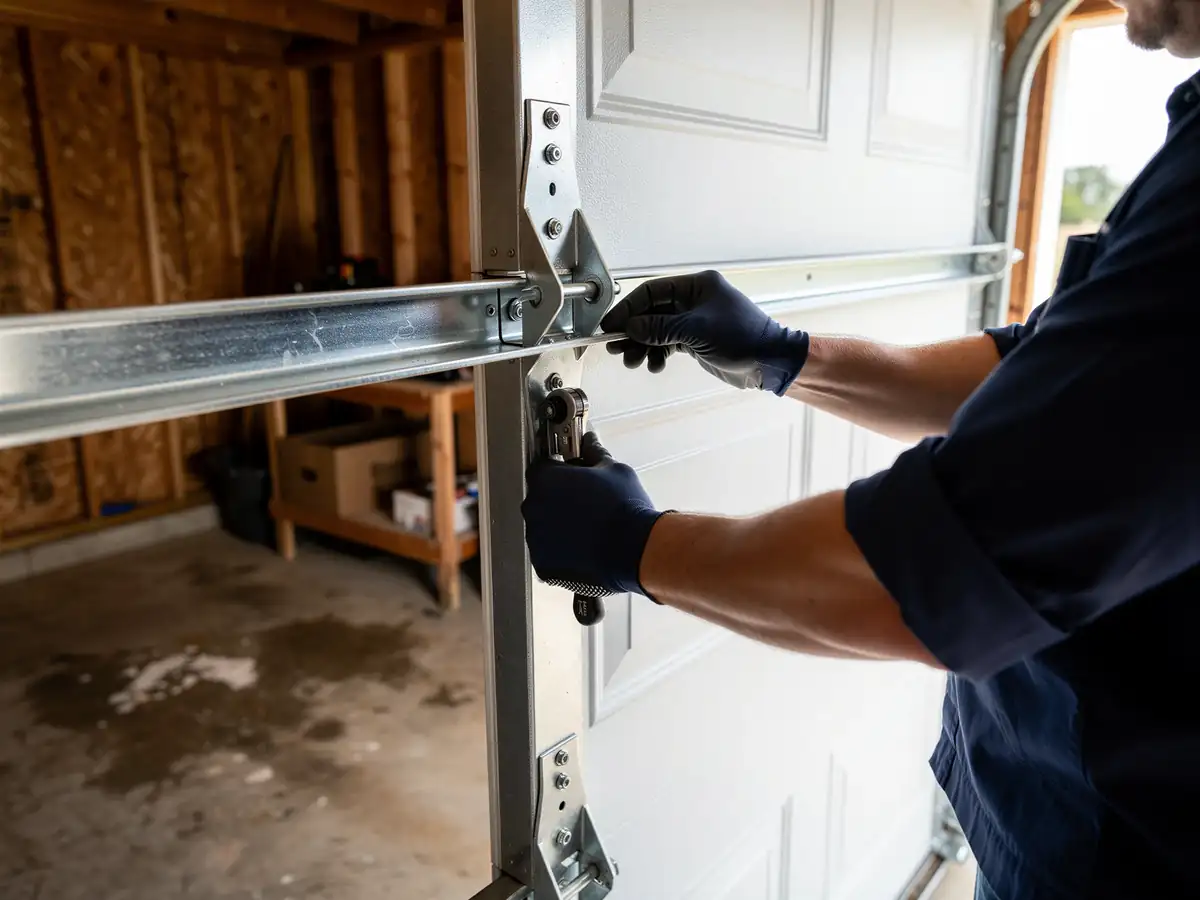
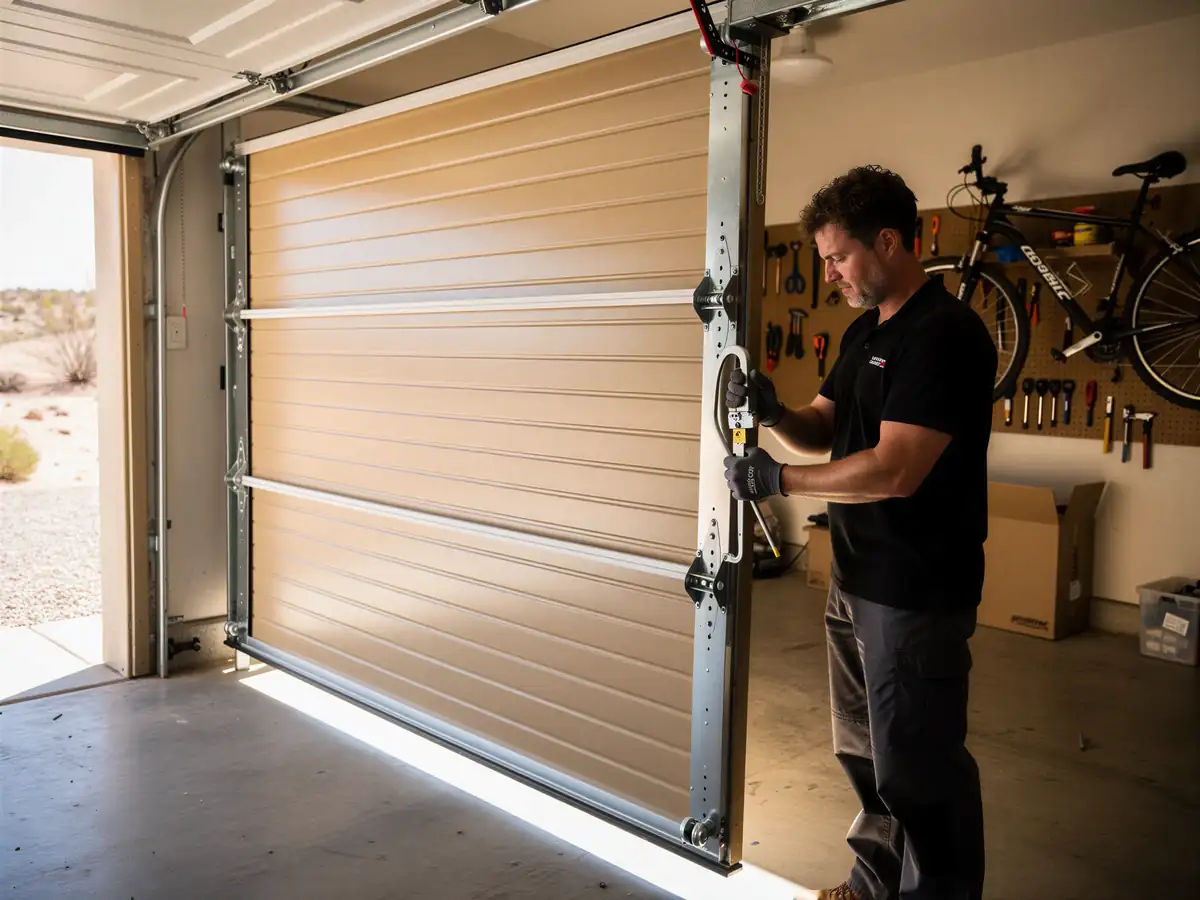
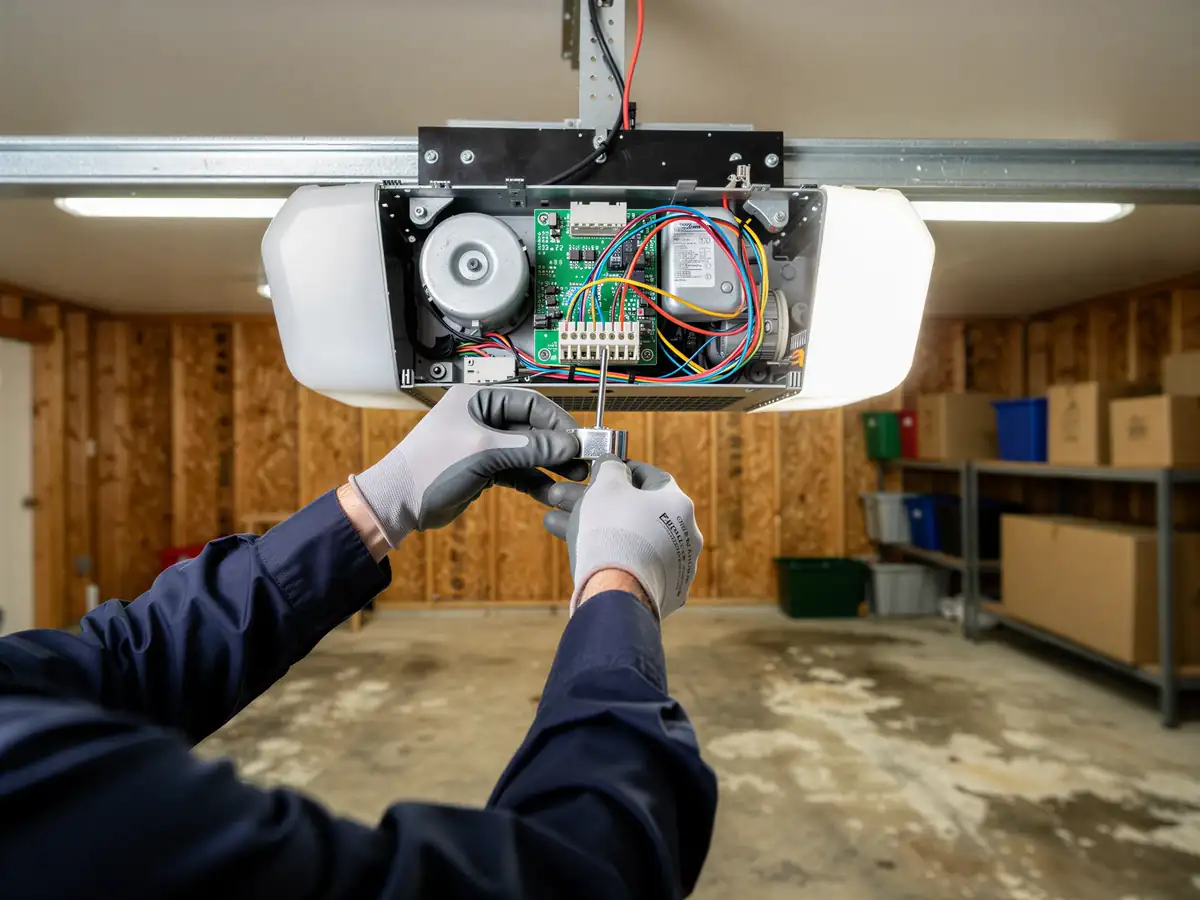
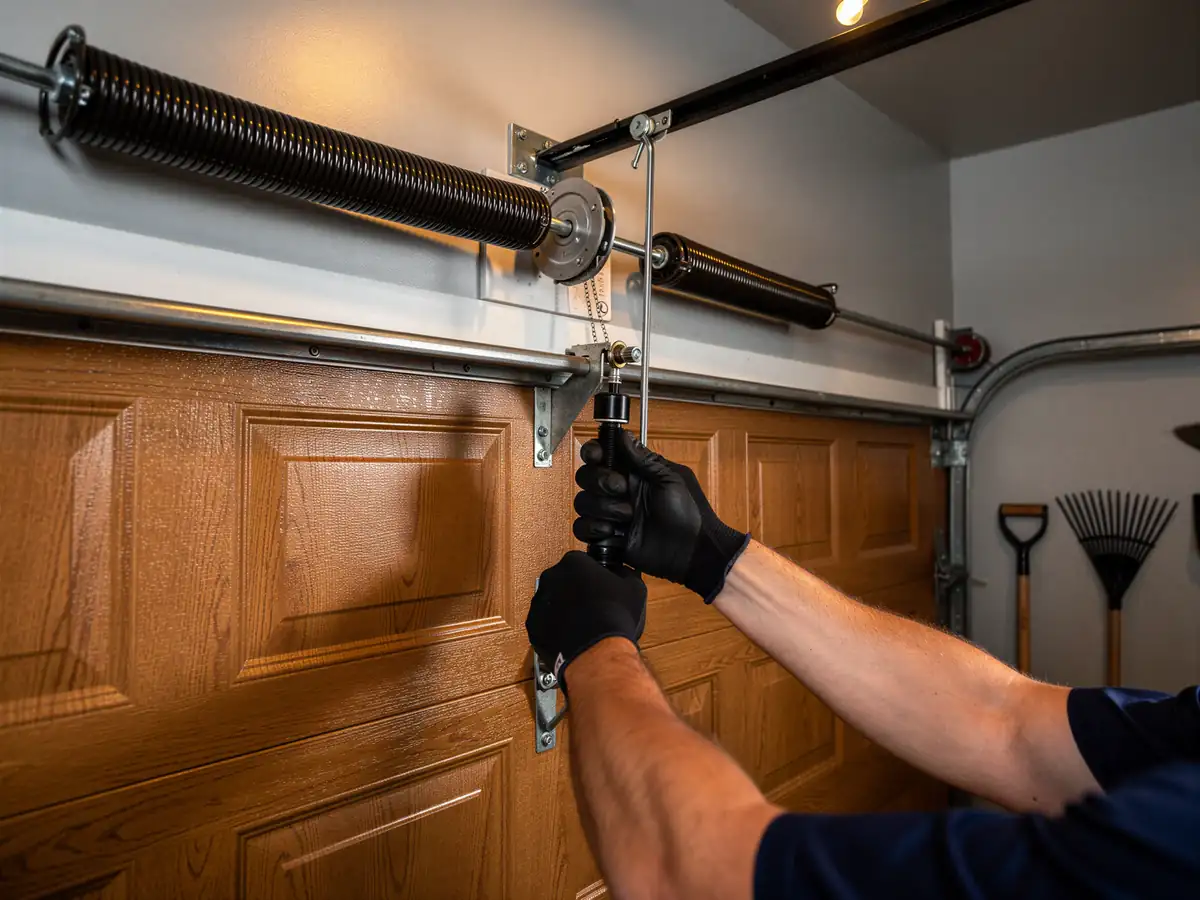
We cover Pojoaque from our shop in Santa Fe, about 16 miles out, and maintenance here gets scheduled as a planned trip rather than a drop-in. That's not a knock on the town - it's just honest about how the route works. Tell us the age of your door and opener when you call, since a 1994-built house and a newer one down the road can need different checks: older torsion setups want a spring-tension look, while anything with a chain-drive opener from that same era is worth a photo-eye and safety-reverse test regardless of how the door looks. You can find our general coverage for this area on the service-area page, and if you're weighing maintenance against a bigger repair, the Santa Fe maintenance page lays out what a full tune-up visit covers. For Pojoaque specifically, book ahead of the season change - cold snaps are when dry hardware shows itself.
What It Costs
Pojoaque's median household income runs around $68,188, close to the roughly $68,432 figure for the wider Santa Fe service area, and that number is the real starting point for deciding what to do with an aging door. At that income level, a tune-up to re-tension a spring, true up a track, and lubricate rollers is almost always the right first move over swapping a whole door or opener. We don't carry per-job pricing to quote here, but the math that matters is this: a working door with a stiff spring or a dry track is a maintenance job, not a replacement job, and treating it as one costs you money you didn't need to spend. Where replacement does make sense is a door with a cracked panel, a rusted-through track, or an opener whose board has already failed - at that point a tune-up is just delaying the real cost. We'll tell you straight which side of that line your door is on instead of selling a visit you don't need.
What Causes It Around Here
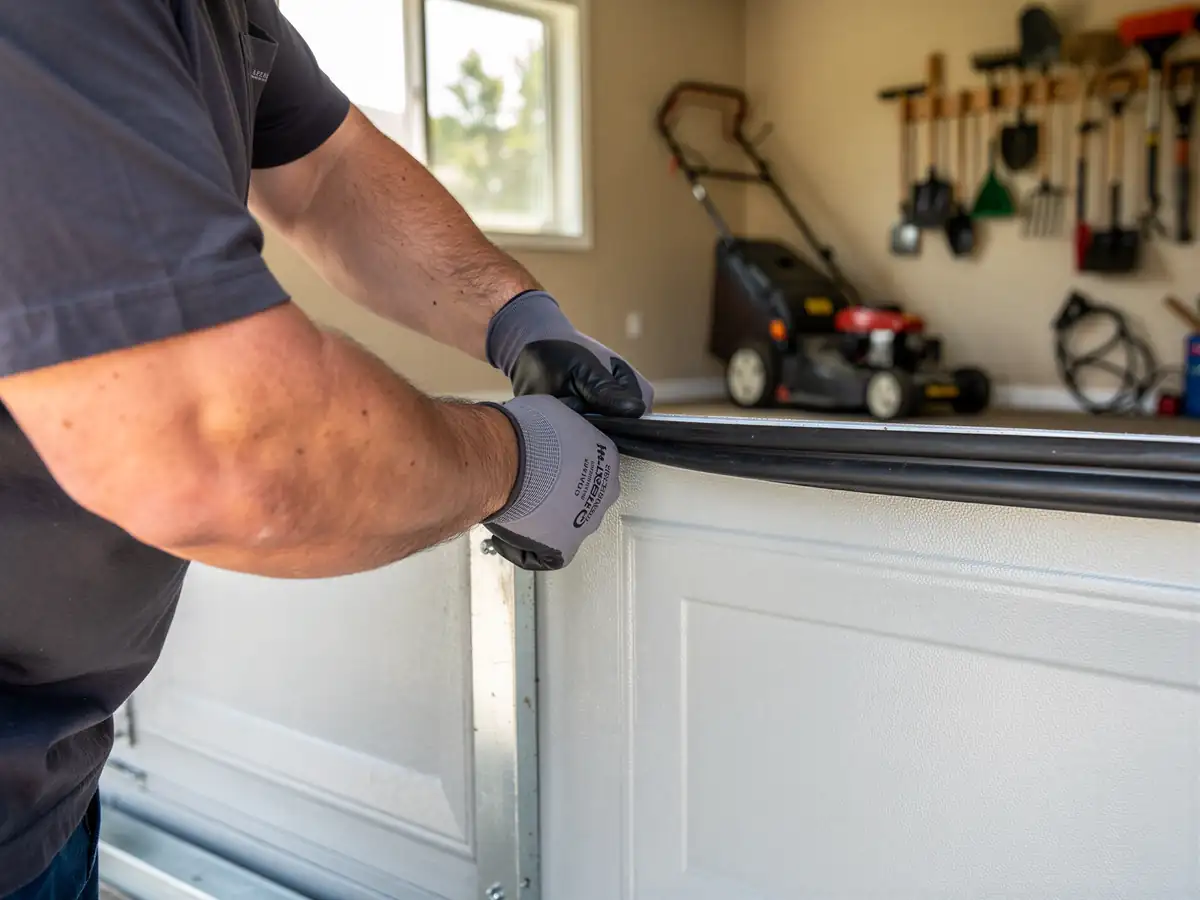
Pojoaque's housing stock centers on 1994, which lines up with the broader pattern across the service area's named communities, where most homes date to the 1980s and 90s rather than earlier or later. Doors and openers from that window share the same weak points: steel rollers instead of nylon, chain-drive openers with aging boards, and spring systems that have never been re-tensioned. Layer on the severe cold-winter climate here, and you get grease that thickens, metal that contracts, and seals that shrink away from the slab every winter. None of that is unique to one driveway - it's what thirty-year-old hardware does in this climate, full stop. We also see it compound: a track slightly out of alignment from original construction gets worse every freeze-thaw cycle, so what starts as a minor adjustment job becomes a bent track repair if it sits untouched for a few winters. Regular maintenance is mostly about catching that drift before the cold finishes the job.