Booking a Visit
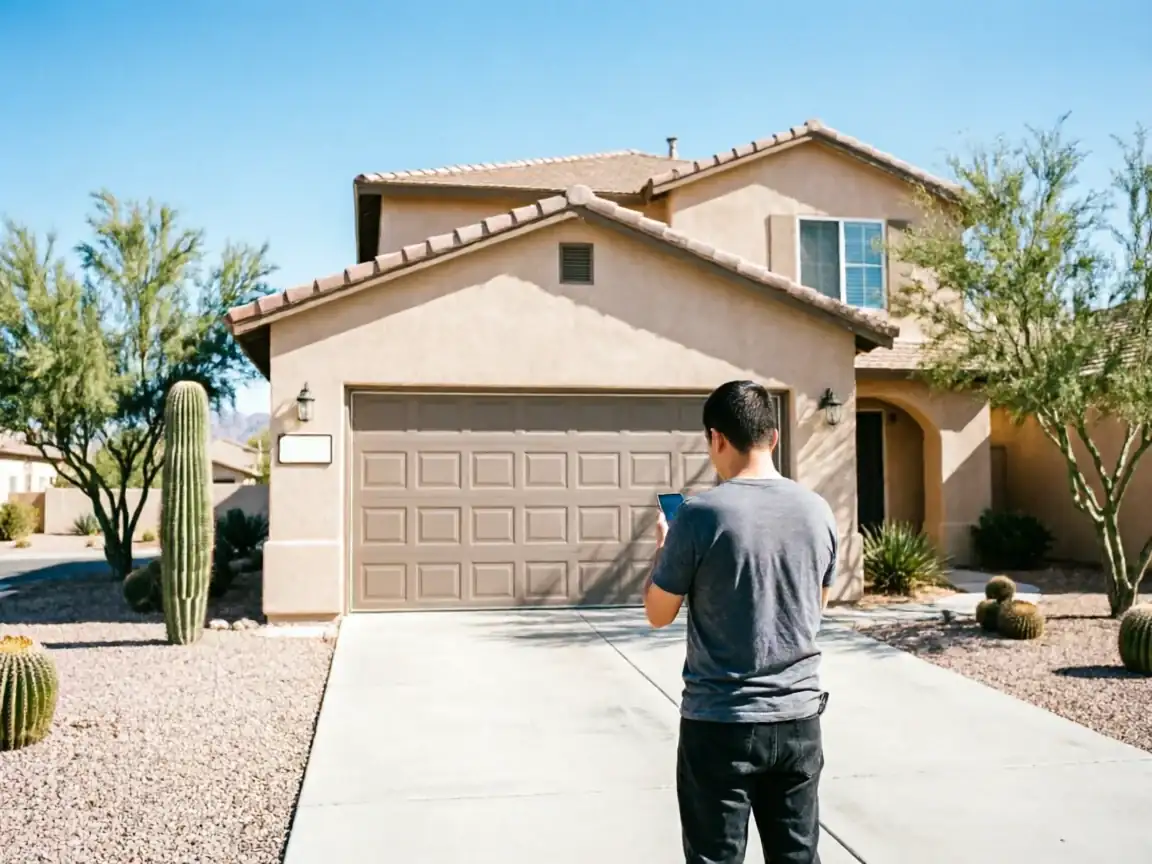
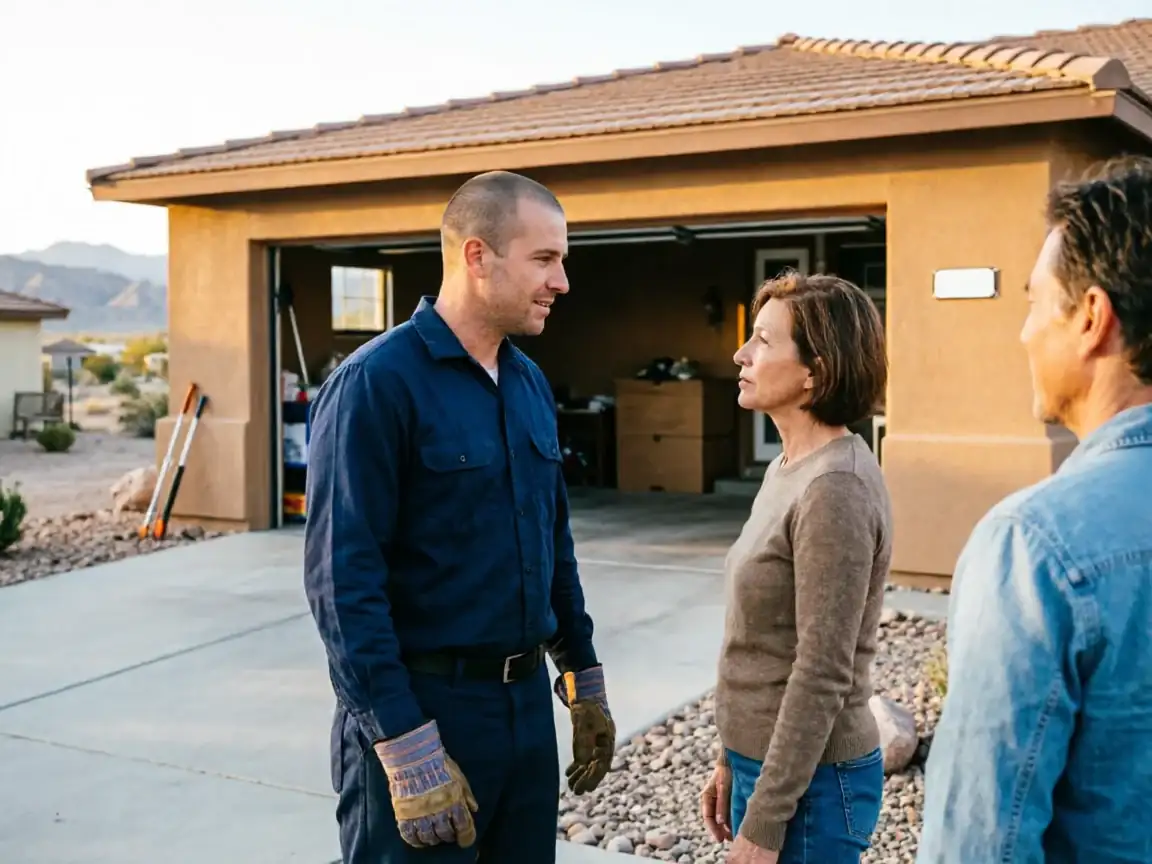
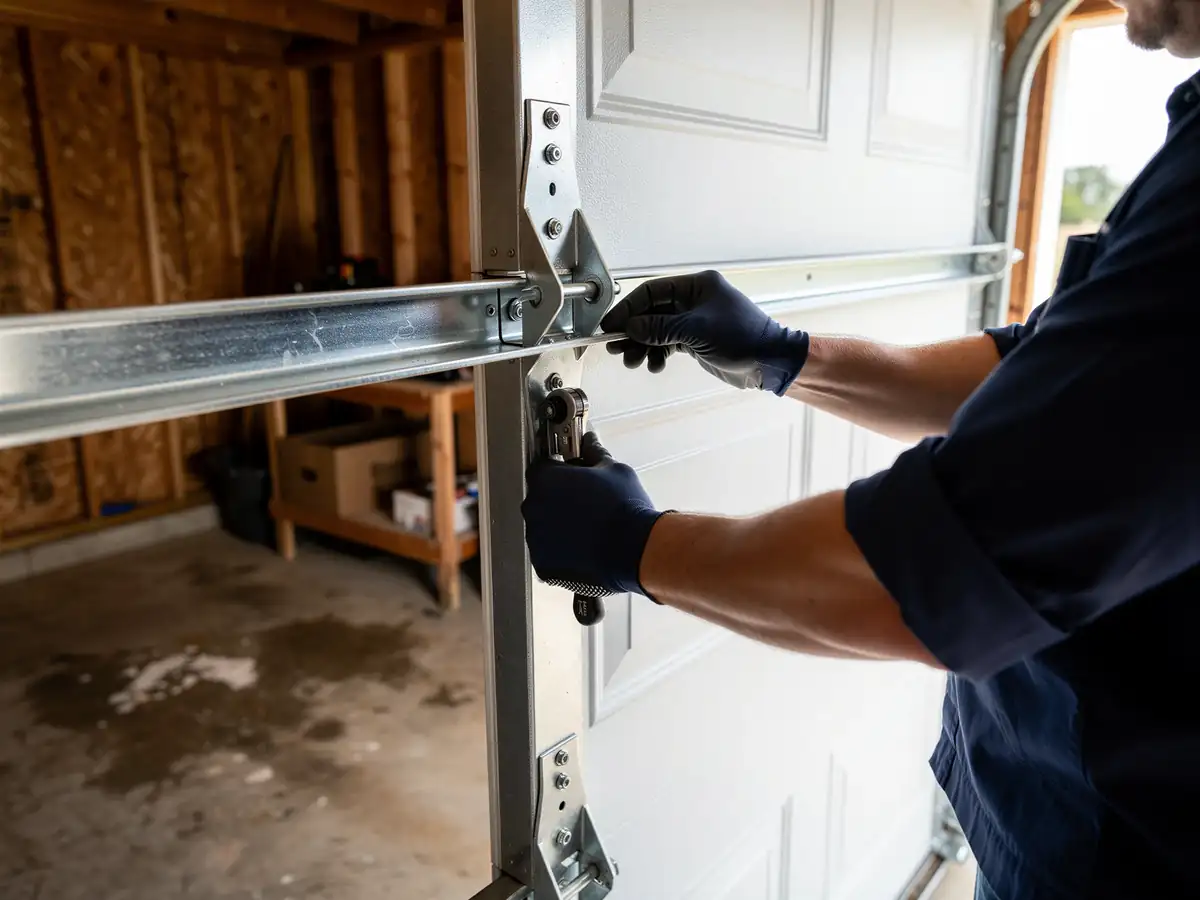
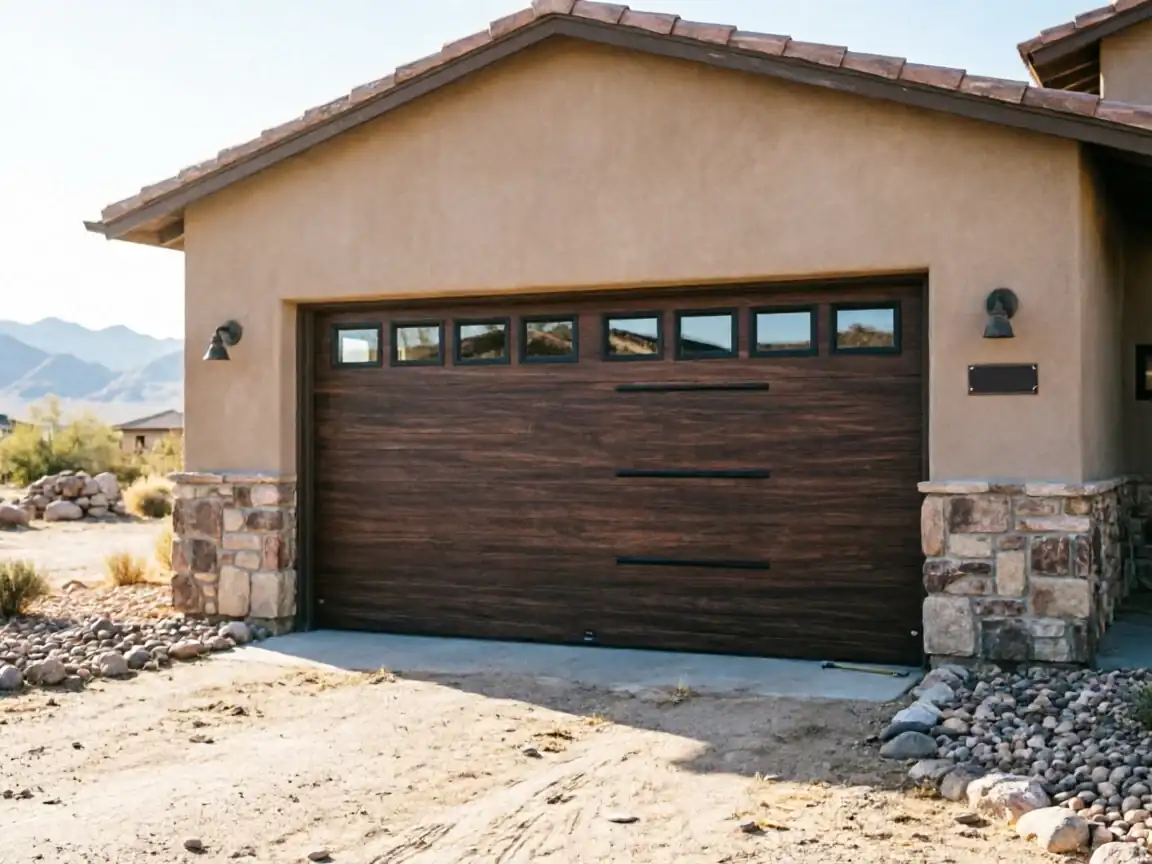
Because every Pojoaque appointment is a trip out from Santa Fe, we ask for a few details up front that we might skip for a closer job: the rough age of the house, whether the opening looks original or has been modified, and whether you want insulated panels given how cold it gets up here. With 1994 as the typical build year for homes in this area, we usually have a decent guess at the opening width before we arrive, but we still confirm it in person - framing varies enough house to house that we won't quote a size over the phone. We'll schedule a measure visit first. If the opening is standard, we can sometimes order and install on the same follow-up trip; if it needs custom sizing, that adds a step. Either way, we tell you which it is before we drive back out, not after.
What It Costs
We don't post a flat price for a new install here because the number depends on door size, insulation level, and whether the opening needs any framing work - none of which we know until we've measured it. What we can tell you is what shapes the quote in Pojoaque specifically: the median household income in this part of the service area runs around $68,188, in line with the broader area we cover, and most of the roughly 939 households here are owner-occupied houses rather than rentals, which usually means people are choosing doors for the long haul rather than the cheapest option that passes inspection. We'll give you a written number after the measure visit, broken out by door, hardware, and labor, so you can see where the cost actually sits before you commit to anything.
What Causes It Around Here
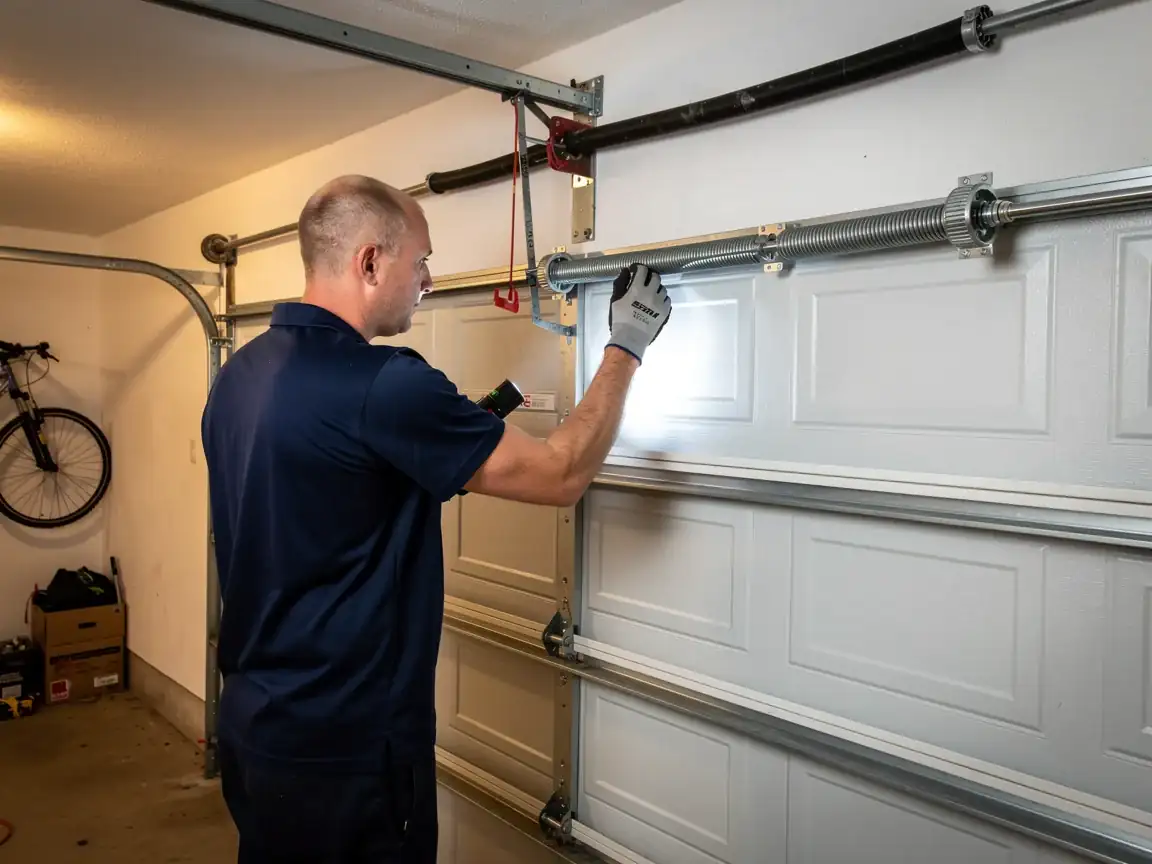
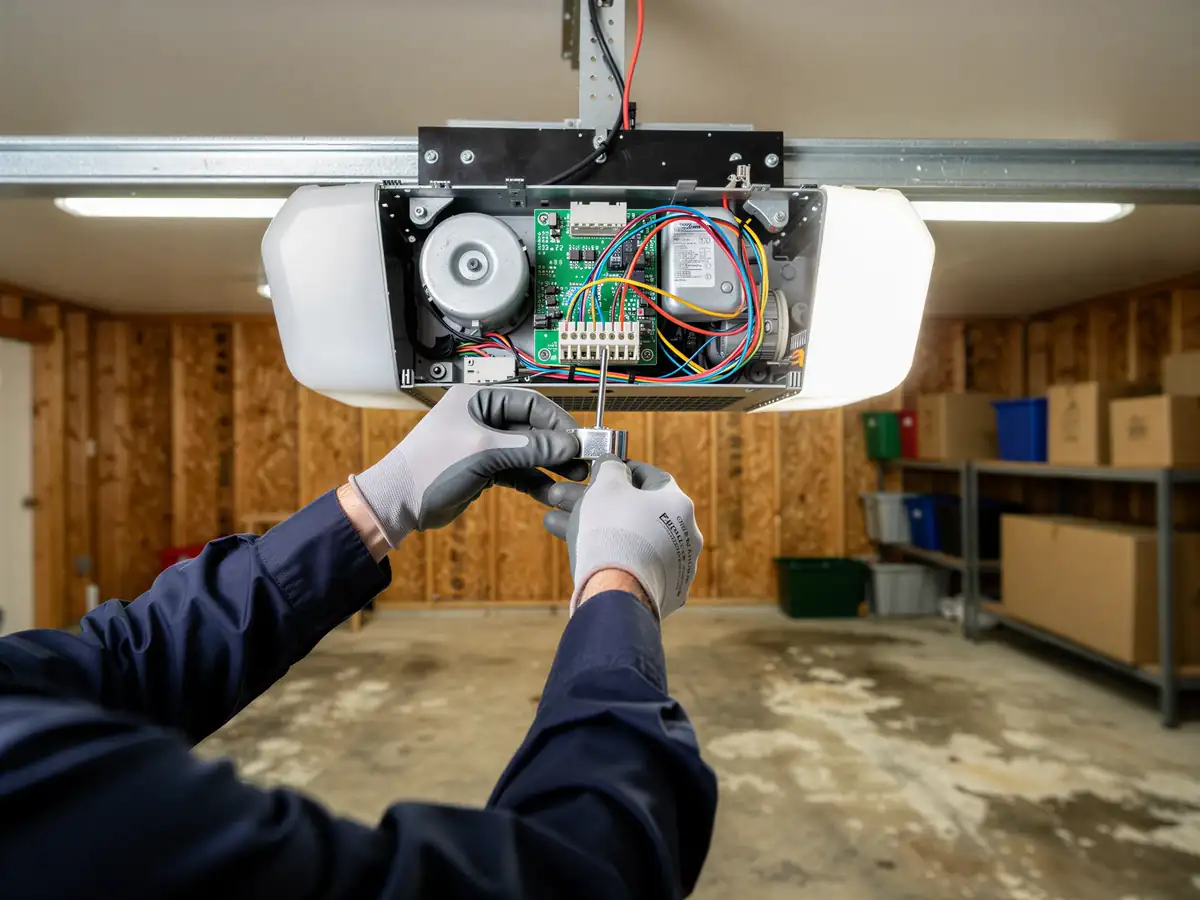
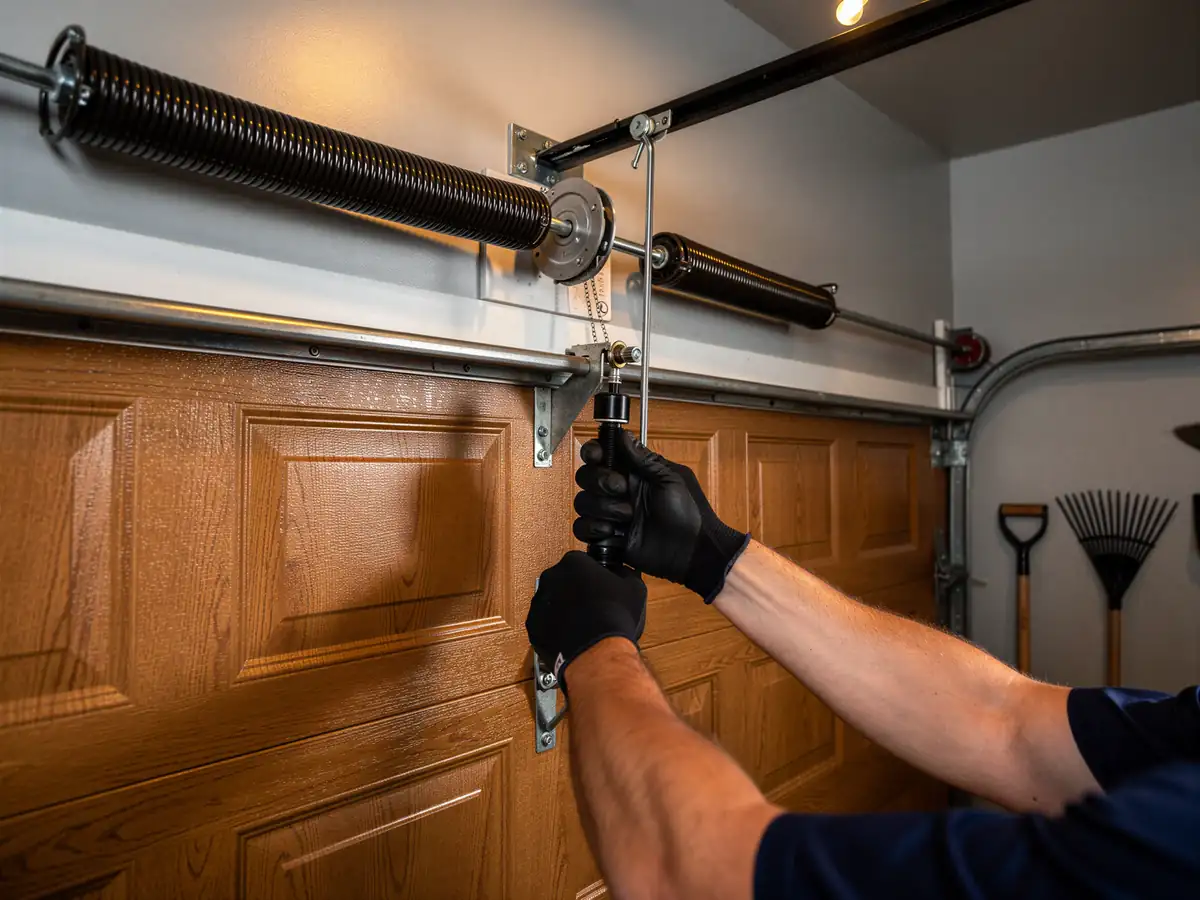
This section is usually about failures, but for a new install the better question is what the existing door is replacing and why. Homes in this part of the service area were mostly built in the 1973-1999 stretch, with Pojoaque itself running closer to 1994, so a lot of what we're pulling out are doors and openers from that same era - original hardware that's done its 25-plus years and finally given out, or a panel that's taken enough cold-weather expansion and contraction to warp. We're not swapping doors here because of storm damage or a one-off accident; it's closer to the builder-grade door simply reaching the end of what builder-grade hardware is built for, especially once you factor in a winter that's harder on seals and springs than a milder climate would be.