Booking a Visit
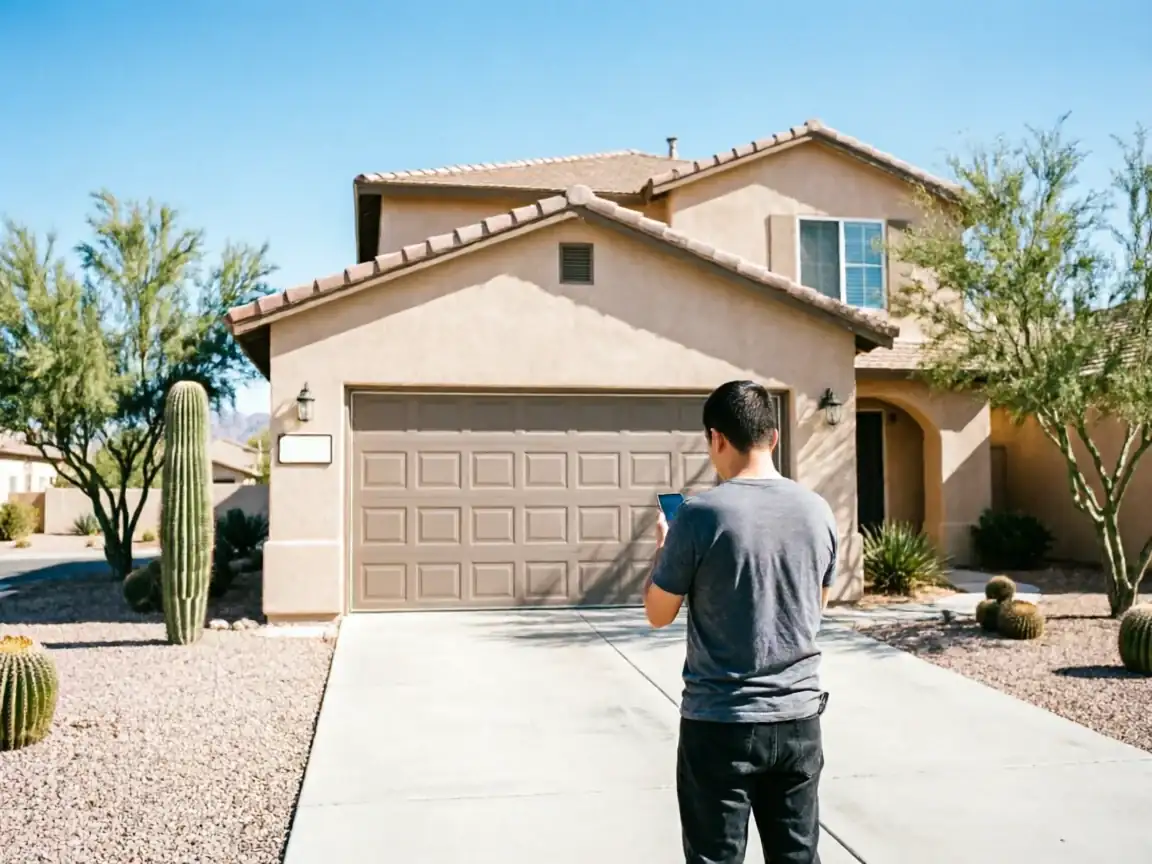
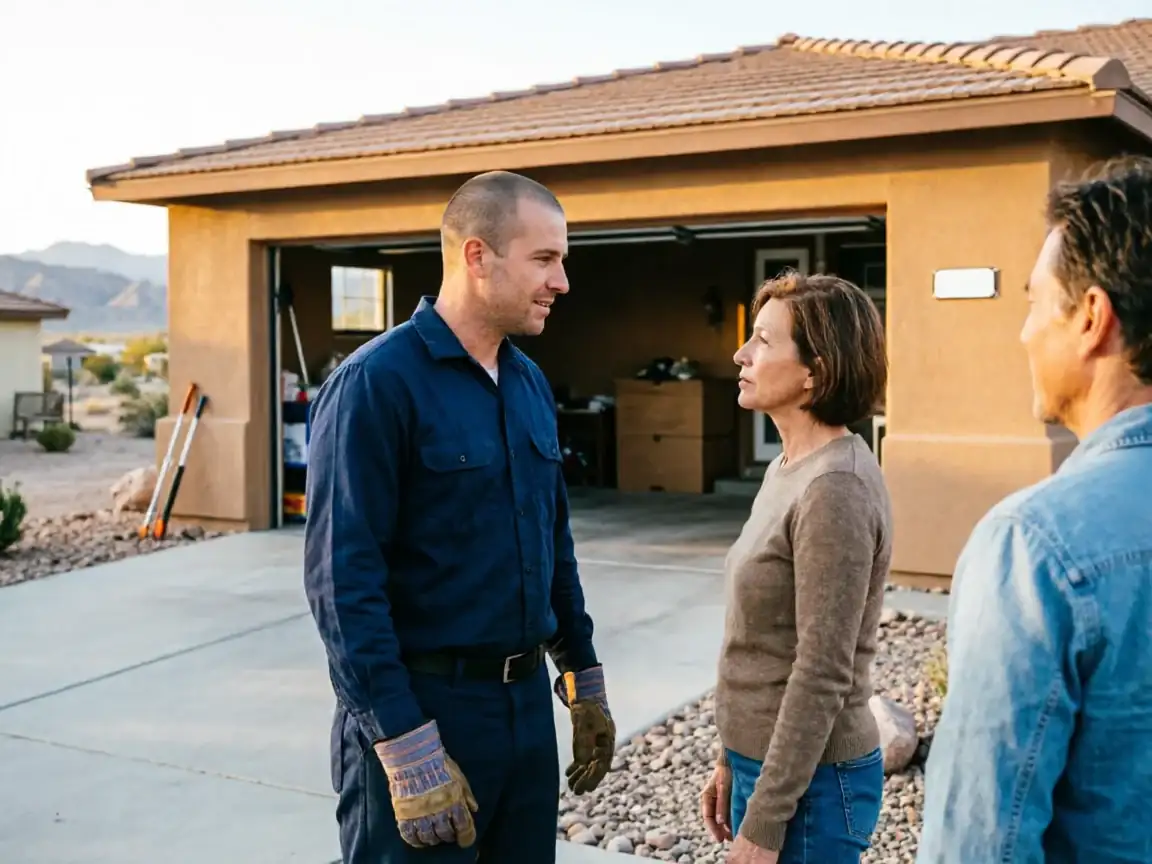
There's no Santa Fe Garage Door Pros branch in White Rock - every job here starts with a drive of about sixteen miles out from Santa Fe. That's not a complaint, it's just how the math works when you book: tell us your opener brand and roughly when the house was built if you know it, and we plan the truck's day around it instead of trying to squeeze in a same-hour drop-in. Mornings tend to book out first, since that's when most people are home before work. We don't quote a response time for White Rock specifically because the drive is part of every call, not an exception to it - ask us when you book and we'll give you the honest window for that day, not a number pulled from a brochure.
What You Are Seeing
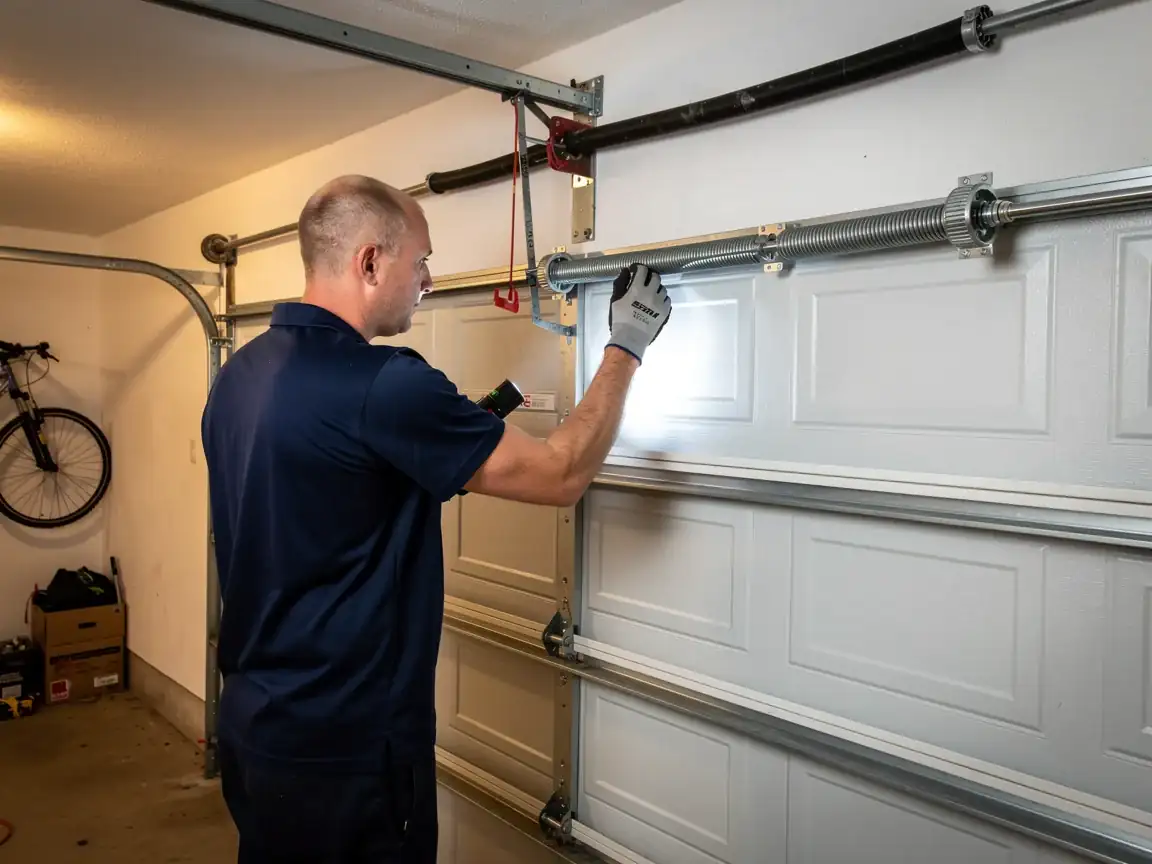
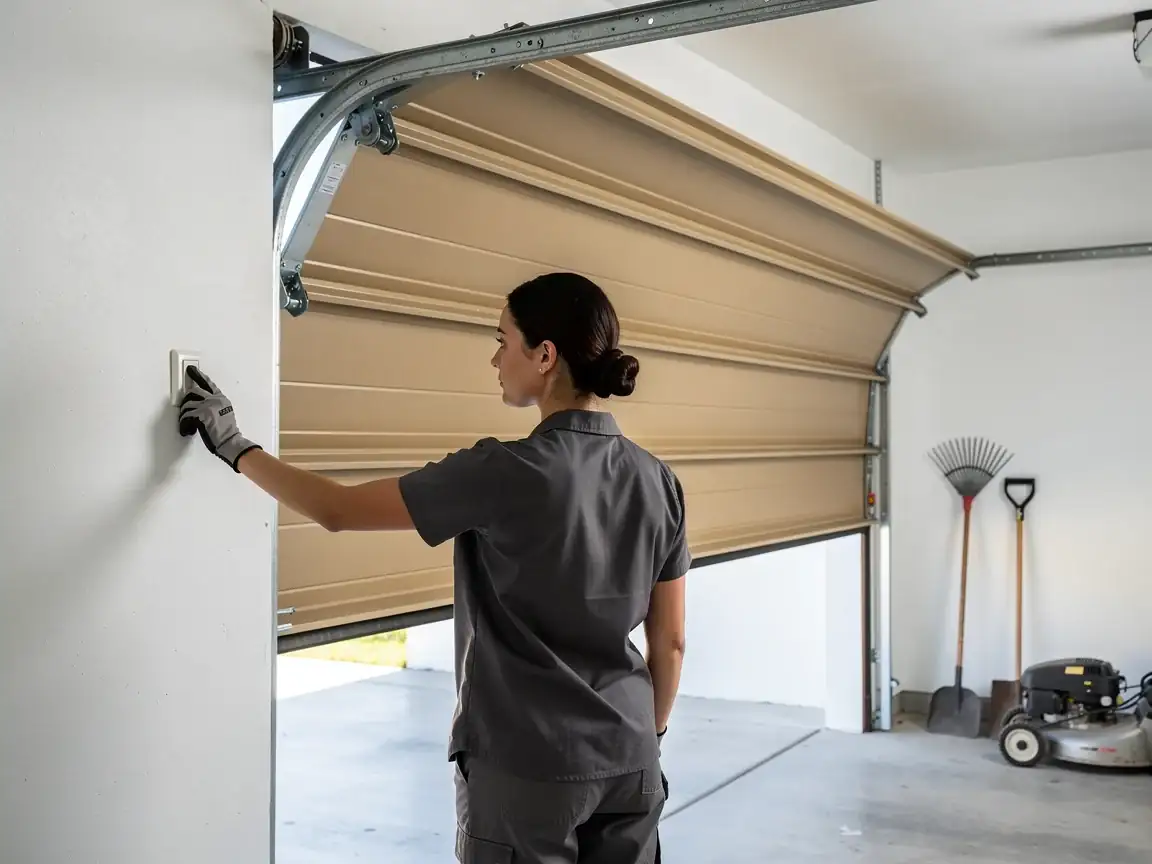
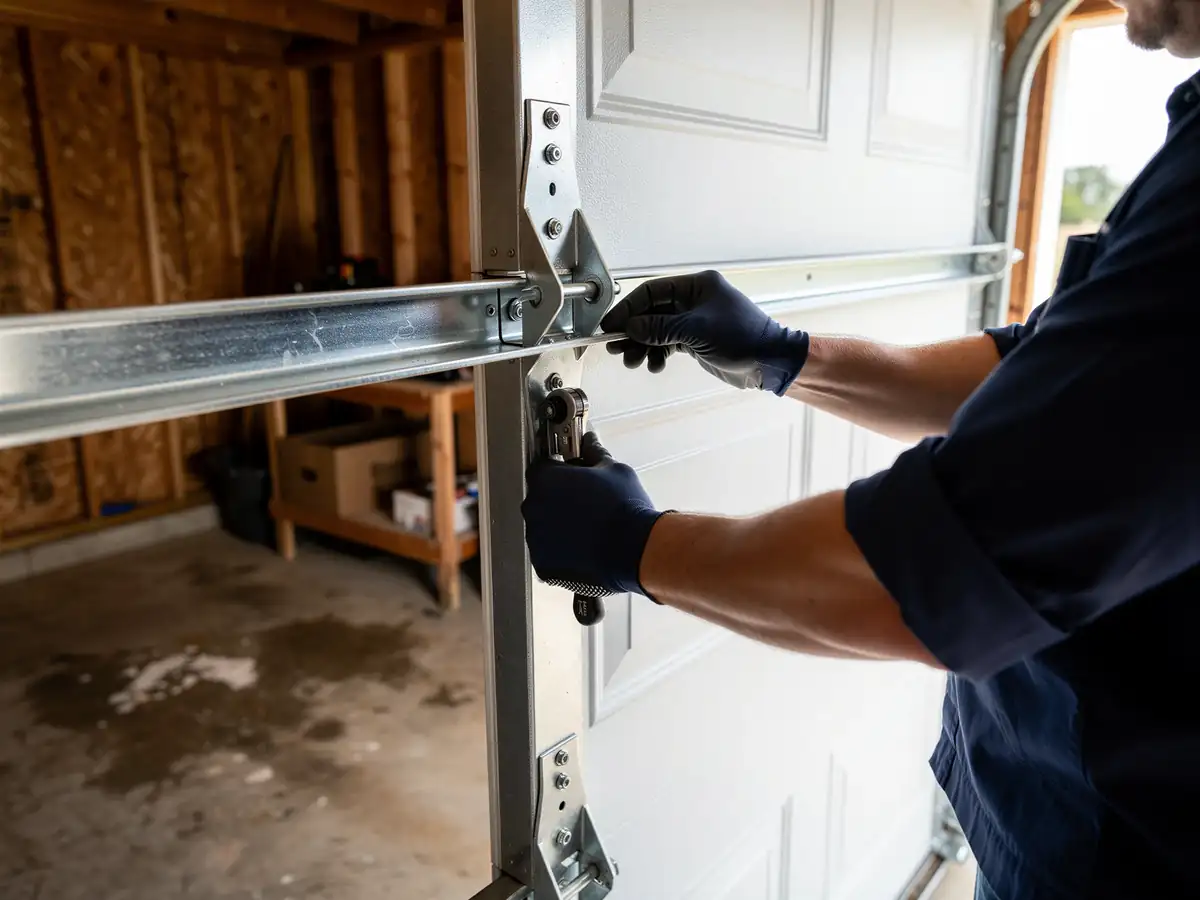
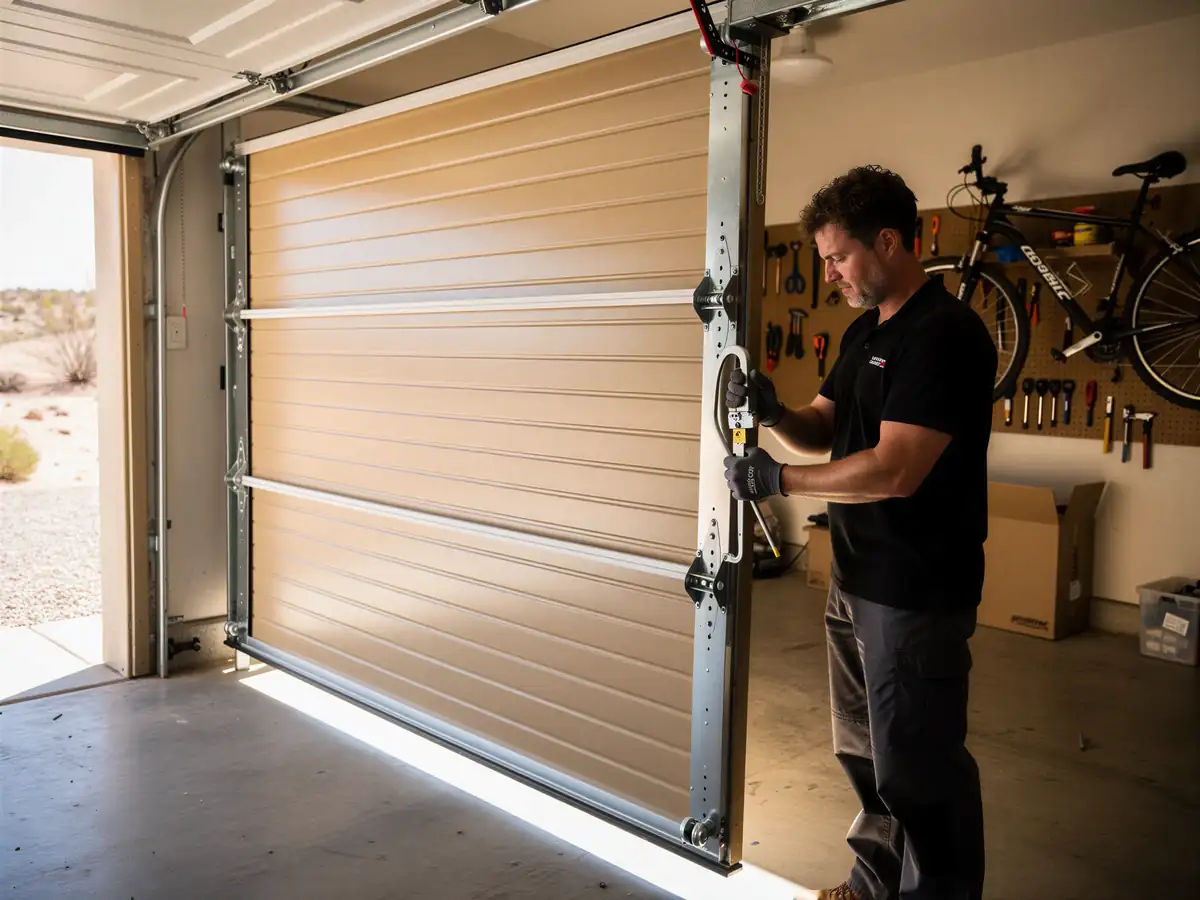
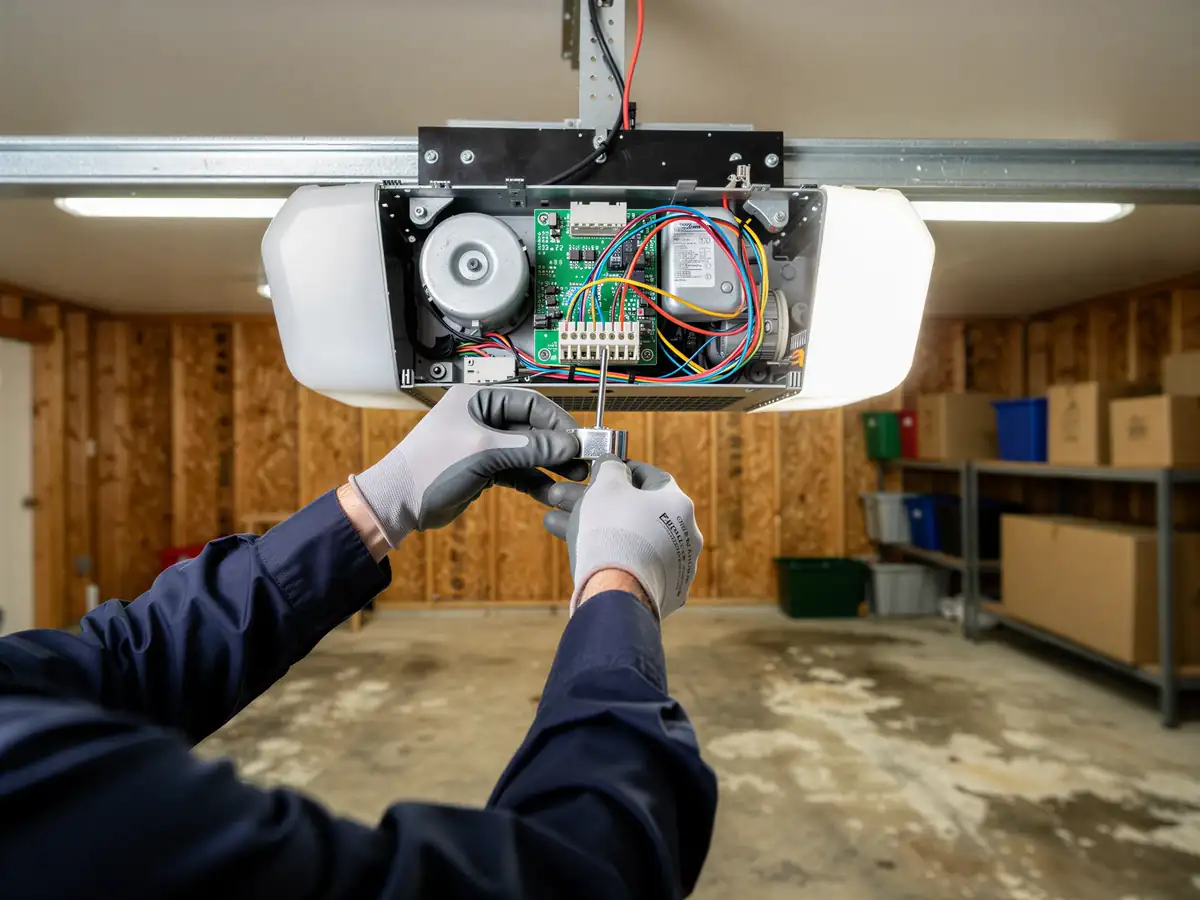
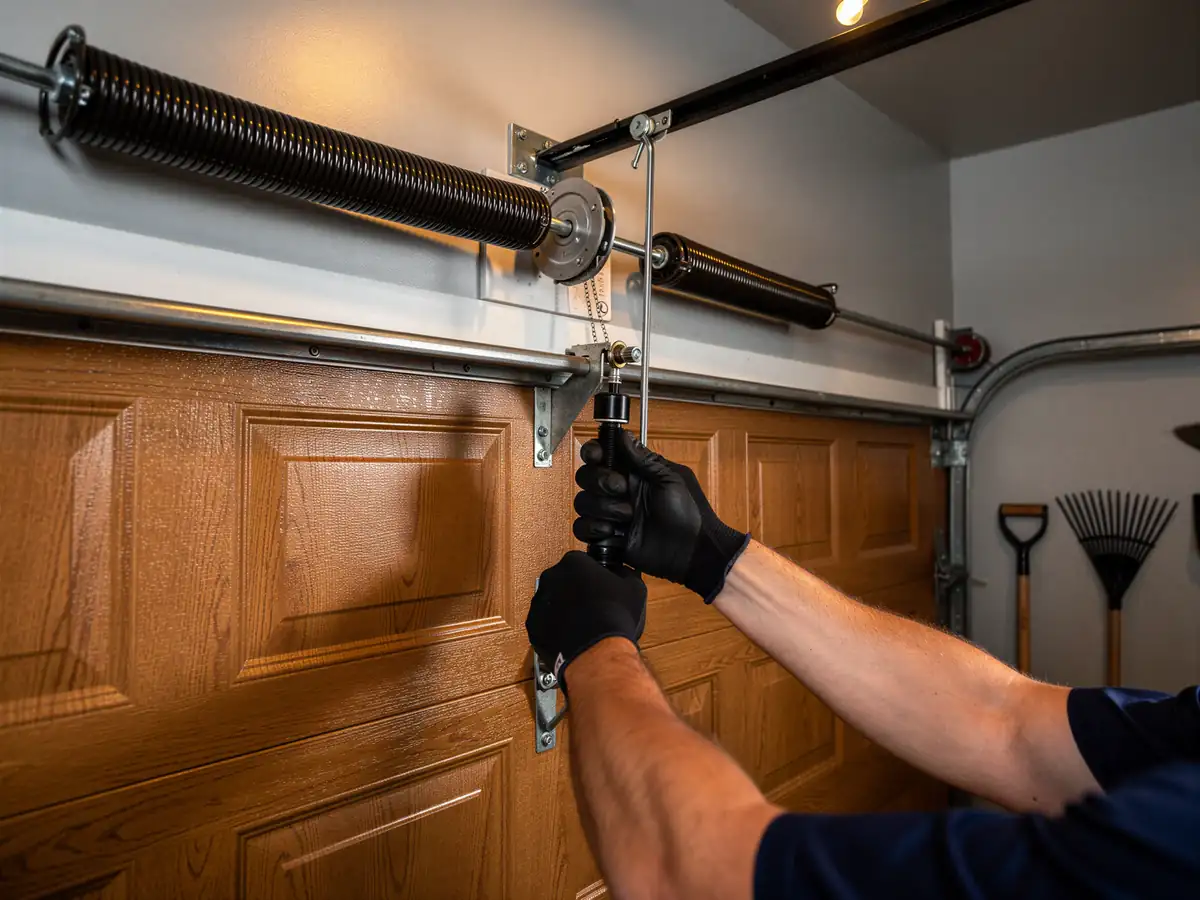
A door that's noisy going up, or one that shudders and stalls a few inches off the floor, usually points to hardware that's been doing its job since the house was built. With White Rock's median home dating to 1973, a lot of the torsion springs and track brackets out there are original or close to it - fifty years is a long run for a spring rated for maybe ten thousand cycles. You might also notice a door that looks level but binds on one side only when it's cold, which is a track alignment problem that gets worse, not better, as the weather turns. If the opener motor runs but the door doesn't move, that's almost always the drive gear or a broken spring, not the opener itself - worth knowing before you pay to replace a motor that was never the problem.
What Can Go Wrong
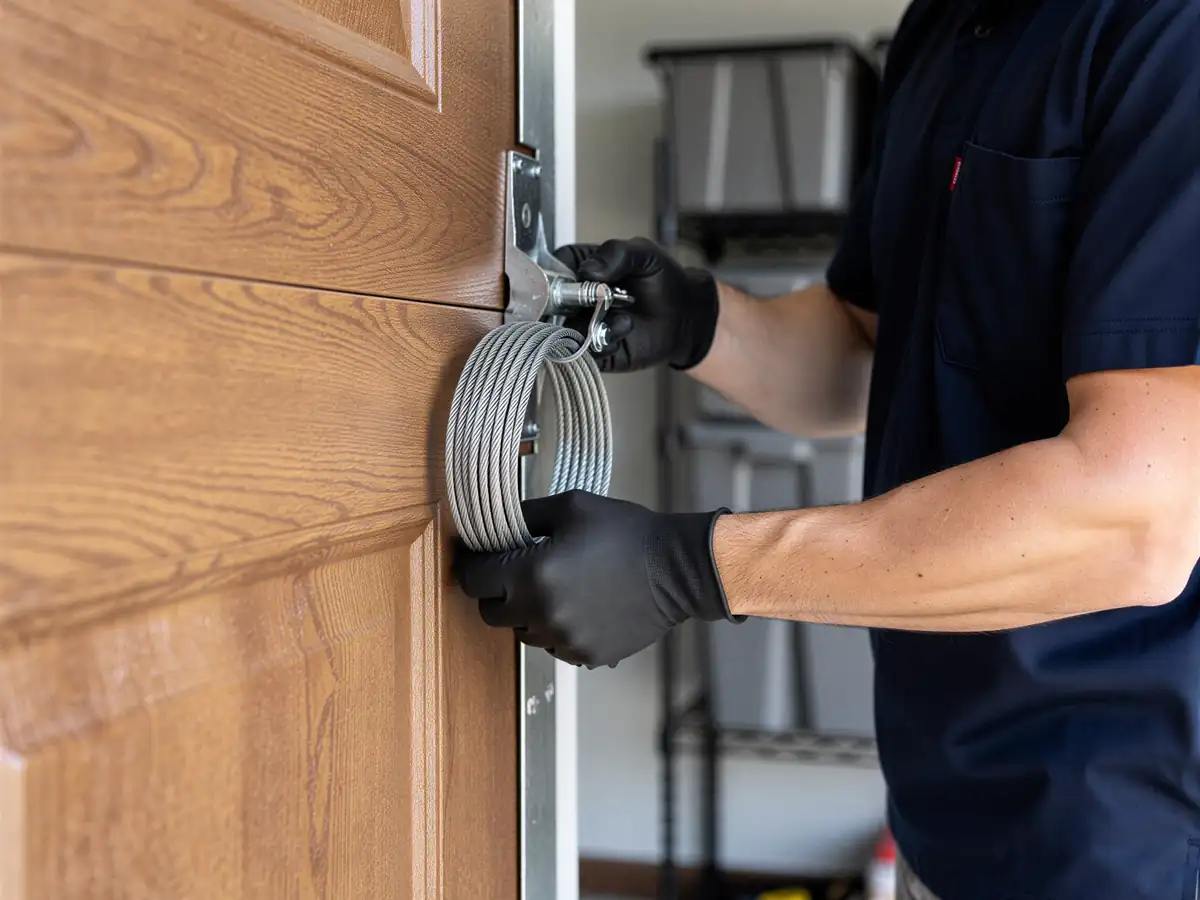
The biggest risk with a fifty-year-old door is a cable or spring letting go while someone's under it, which is why we won't leave a job half-finished even if it runs long. Steel panels from the 1970s can also hide rust at the bottom edge where water sits, and once that's gone too far, a patch repair won't hold and the panel needs replacing - we'll show you the spot before we quote it rather than just telling you. The other honest limitation: if a part is genuinely obsolete for a door this old, we order it, and that can mean a wait measured in days, not hours, since nothing like it sits on a shelf in Santa Fe either. We'd rather say that upfront than promise a same-day fix we can't deliver.
What Causes It Around Here
Northern New Mexico winters are cold enough, often enough, to matter for a garage door that's been through fifty of them. Repeated freeze-thaw cycles stiffen nylon rollers until they crack, and cold makes torsion springs more brittle right when the door's working hardest to lift against a stiff seal. A 1973-built door wasn't engineered with today's insulation standards in mind, so the panels flex more in a cold snap, which stresses hinges and brackets that were never over-built to begin with. None of that is unique to any one house in White Rock - it's just what five decades of cold does to steel and springs, and it's why age matters as much as mileage when we're figuring out what's actually failing.