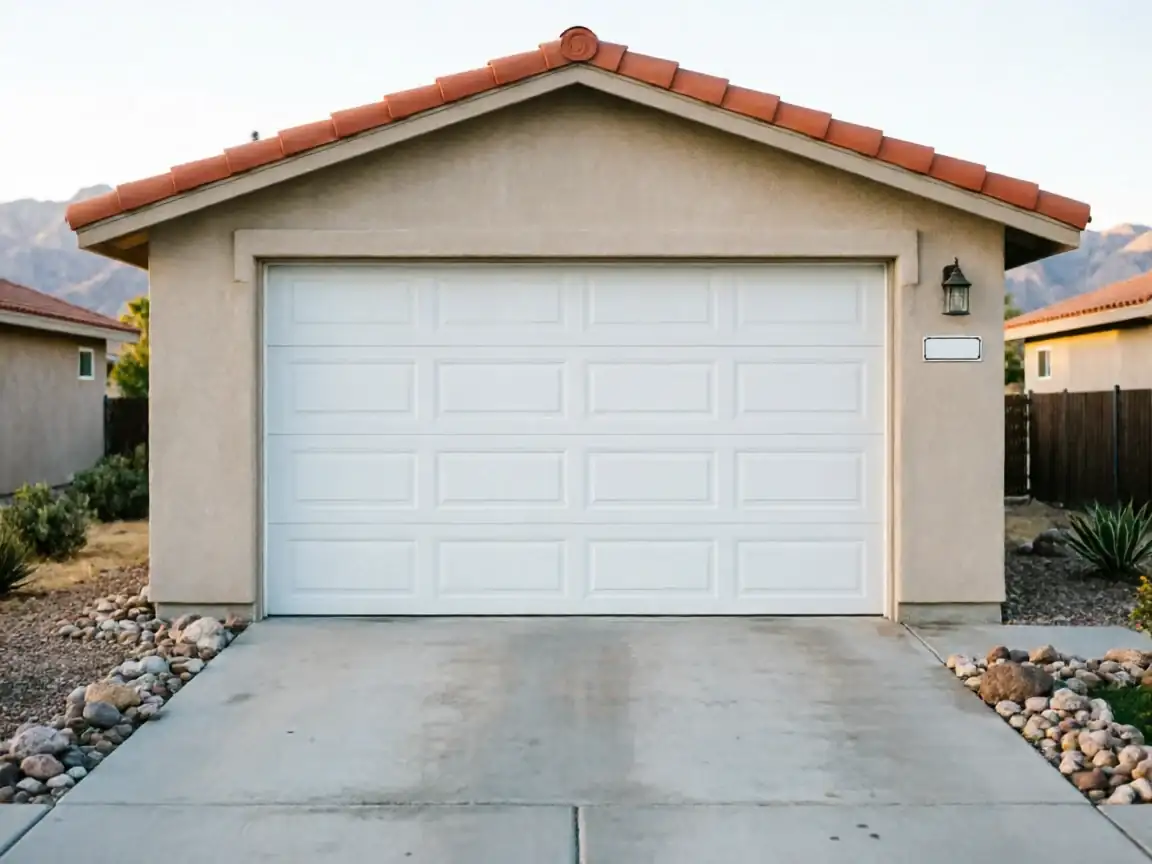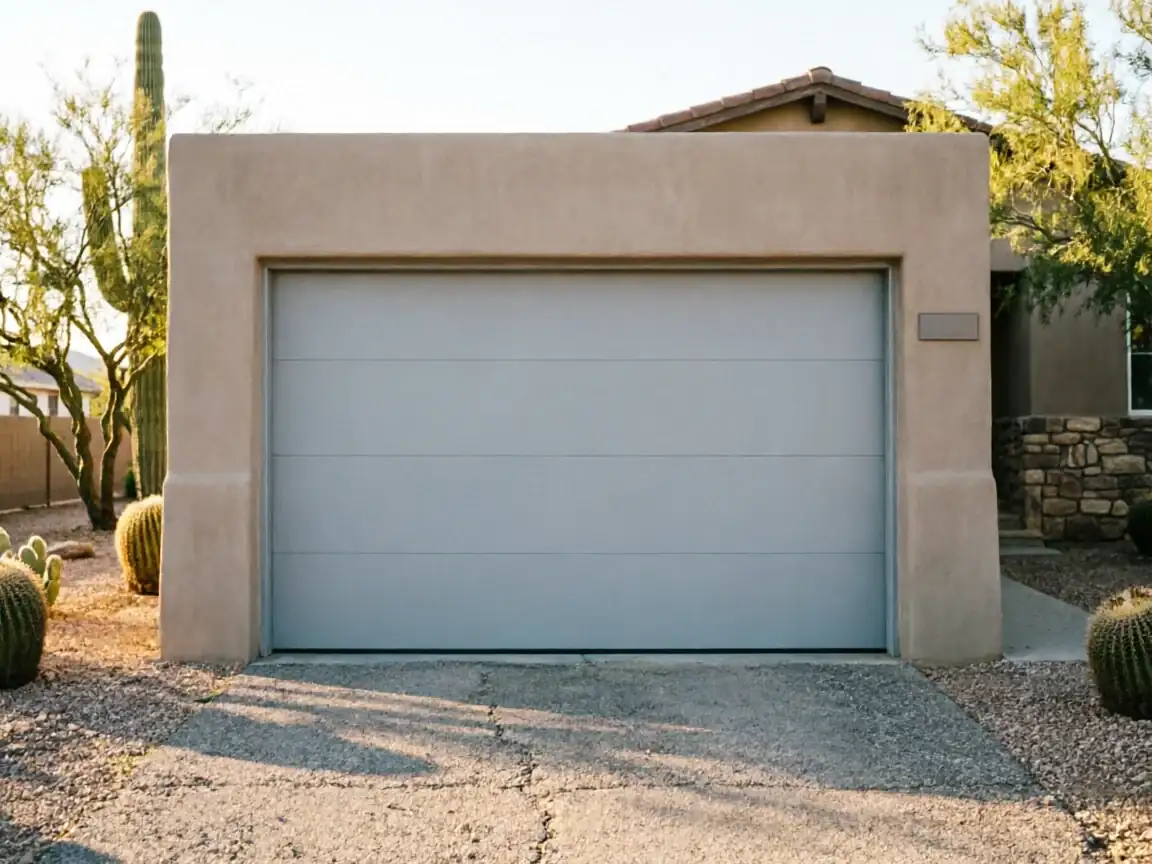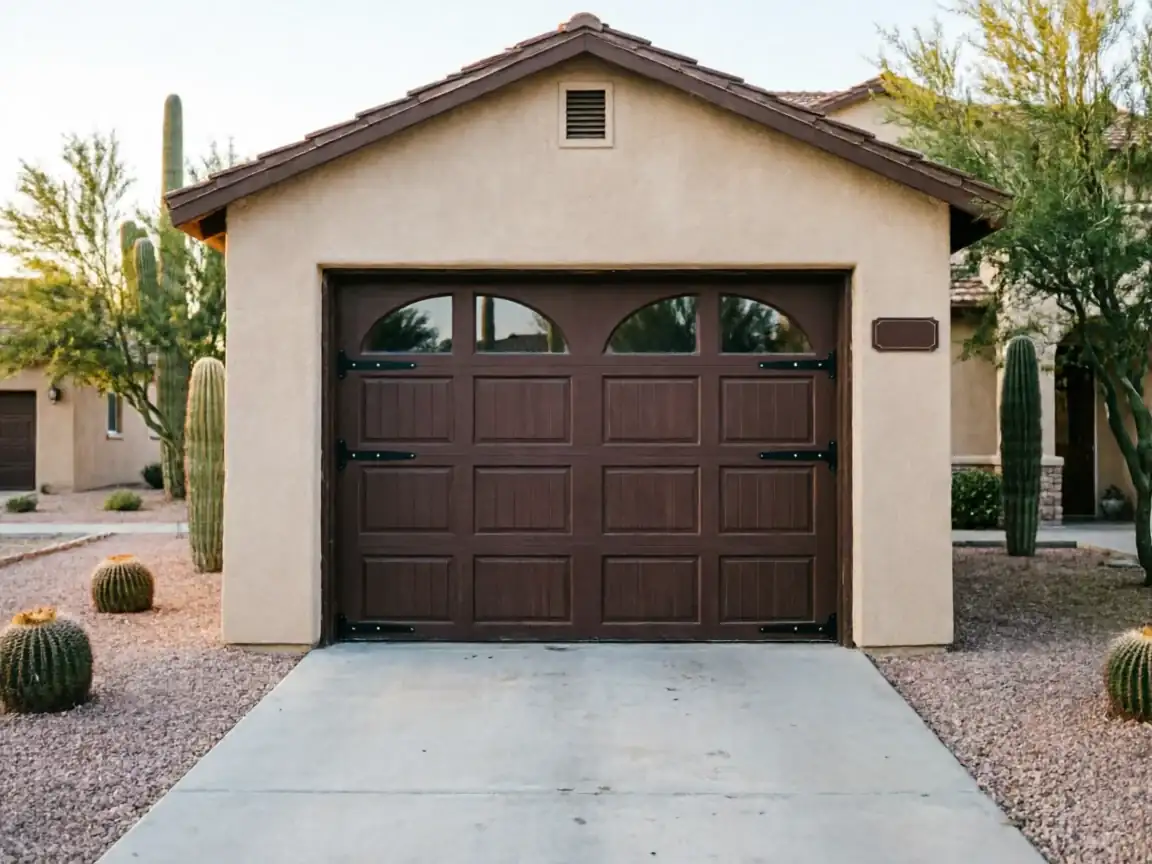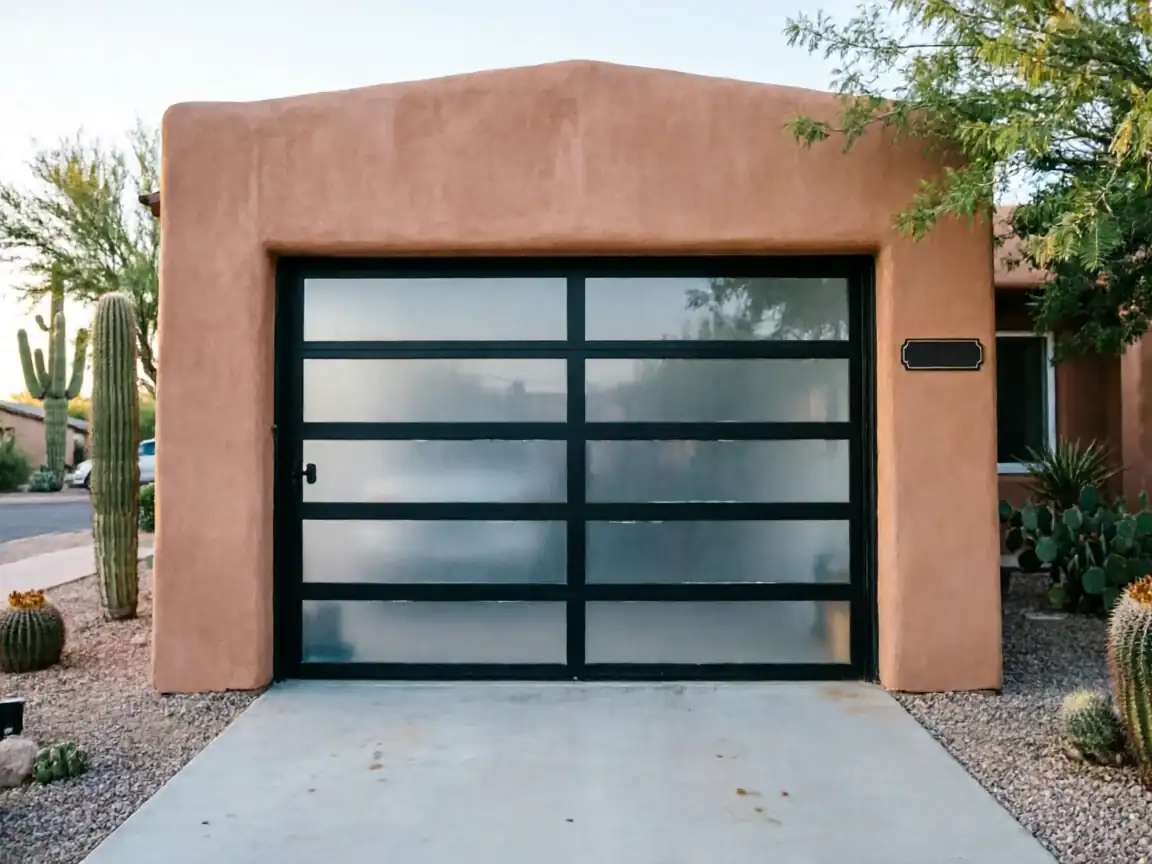
Parts We Carry
White Rock's median home went up in 1973
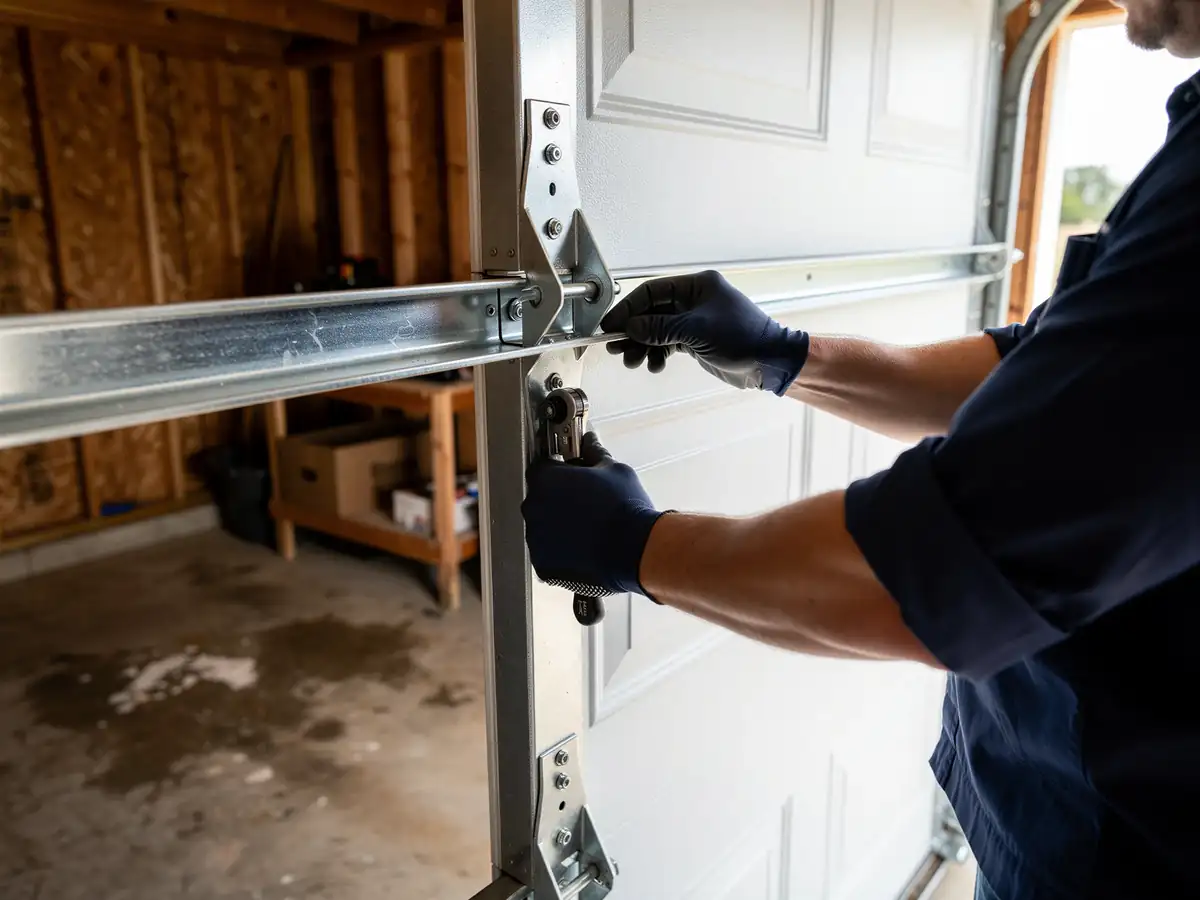
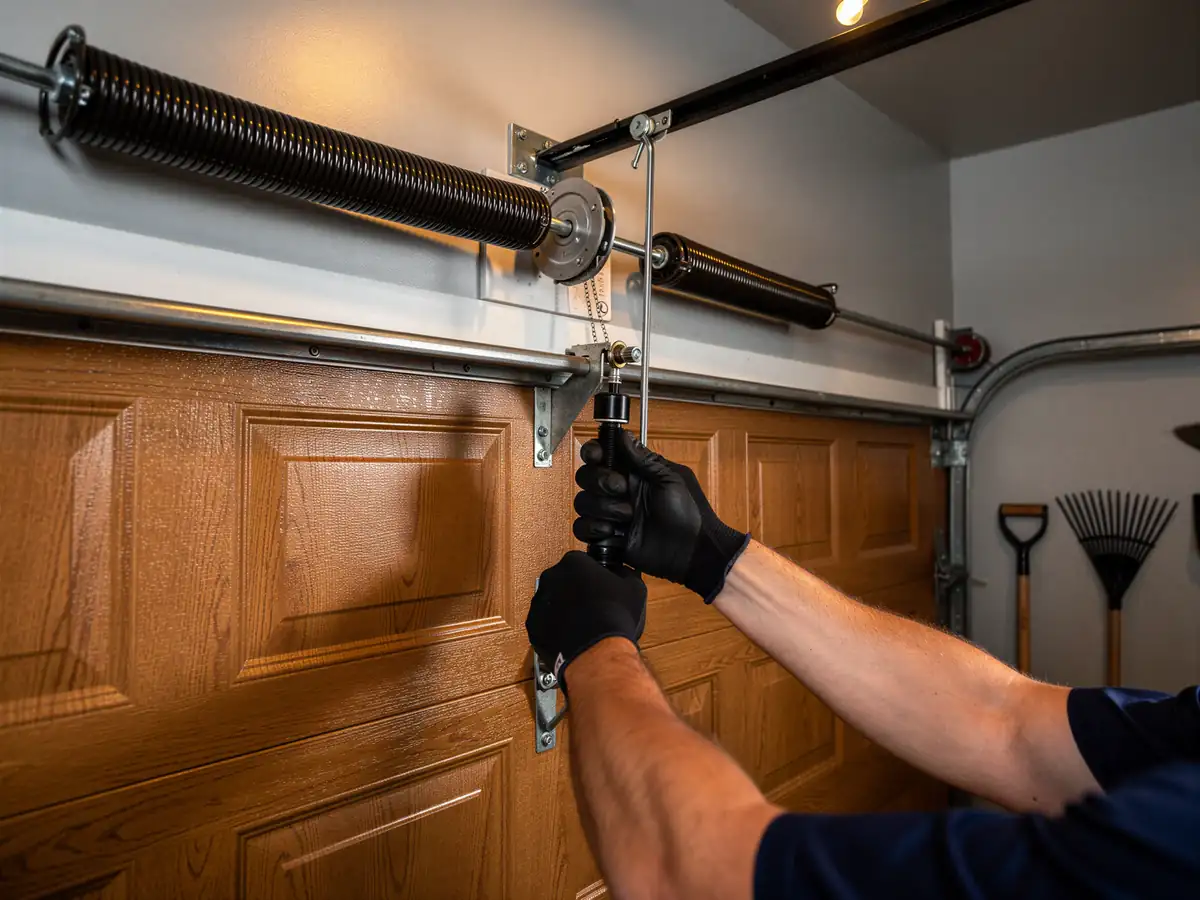
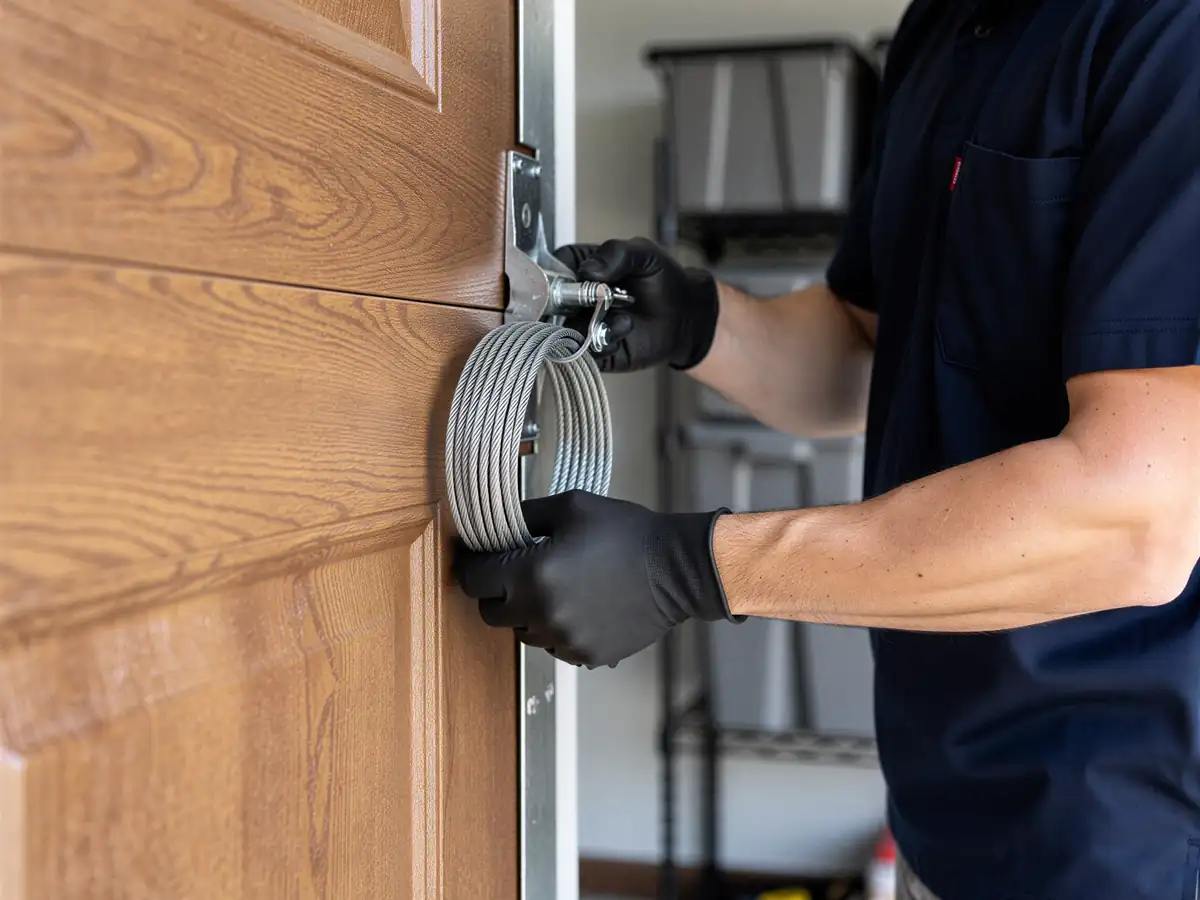
Which puts it ahead of the broader service area's 1990 median build year. That ten-to-twenty-year gap matters on a garage door: hardware from the early 1970s often runs heavier-gauge torsion springs, steel rollers instead of nylon, and switch-style openers that newer subdivisions never installed. We carry standard torsion springs, galvanized cable, steel and nylon rollers, and extension-spring kits sized for both eras, because a White Rock job and a job on a newer street in the same service area can call for two different parts bins.
What we don't stock on the truck
Proprietary opener boards for a handful of older commercial-style units, and specialty wood panel sections for doors custom-built before standardized sizing. If your door needs one of those, we order it and tell you the lead time up front rather than guessing.
Booking a Visit
We run out of Santa Fe, and White Rock sits about 16 miles out, on the far side of several other service points we cover. That doesn't change how we book the job - we schedule the same way for White Rock as anywhere else in the area - but it's worth knowing we're coming from town, not from a branch down the street. Tell us the door's age and whether it's ever been serviced, and we bring the right spring weight and roller type instead of showing up to improvise.
What You Are Seeing
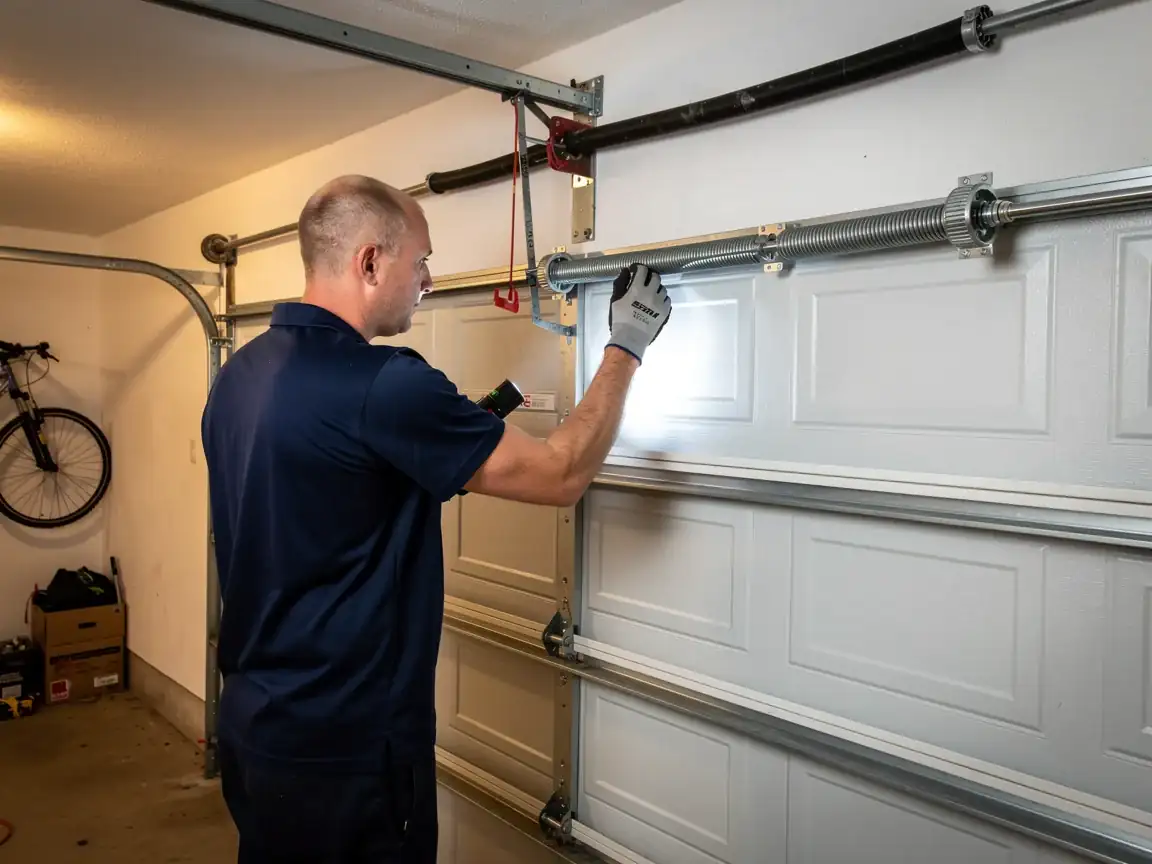
A door original to a 1973-built house in White Rock is now over fifty years old if it's never been swapped, and even a mid-life replacement installed in the 1990s or 2000s is due for real wear. Watch for a torsion spring that looks stretched or has a visible gap between coils, cables fraying where they wrap the drum, and rollers that have gone from round to slightly oval. On older openers, a chain that's gone slack enough to slip off the sprocket is a common one here, since that generation of opener used chain drive almost exclusively before belt drives became standard.
How We Fix It
Maintenance on an older door starts with the spring system
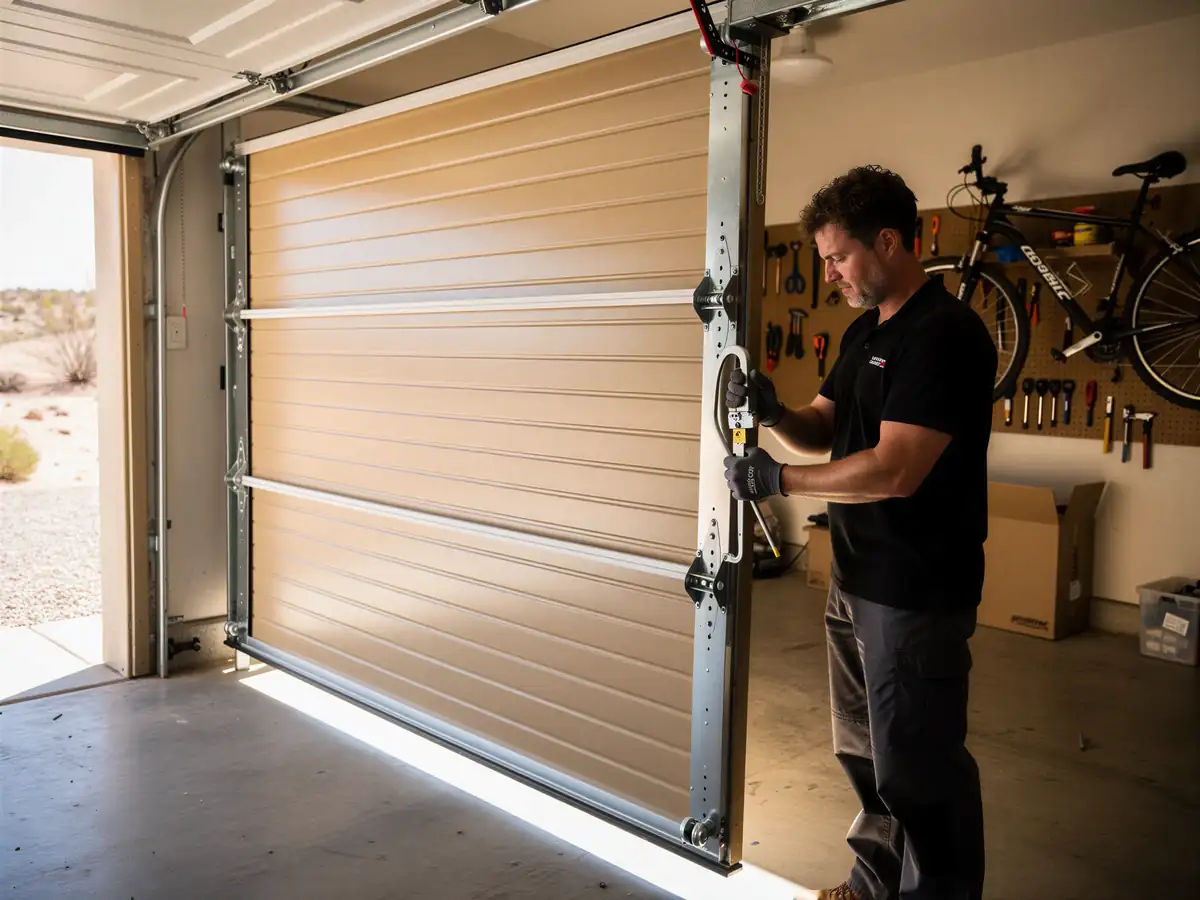
Since a torsion spring under the wrong tension does more damage to everything downstream - cables, drums, the opener motor - than almost any other single fault. We check spring balance, lube the track and hinges, tighten loose hardware, and test the auto-reverse safety sensors, which are required on doors manufactured after the mid-1990s and worth confirming even on a door that predates the rule.
We don't try to fix a door that's cheaper to replace
If a 1973-era door has a cracked wood panel, rusted-through track, and a dying opener all at once, we'll say so instead of patching three things that'll fail again within a year.
What Can Go Wrong
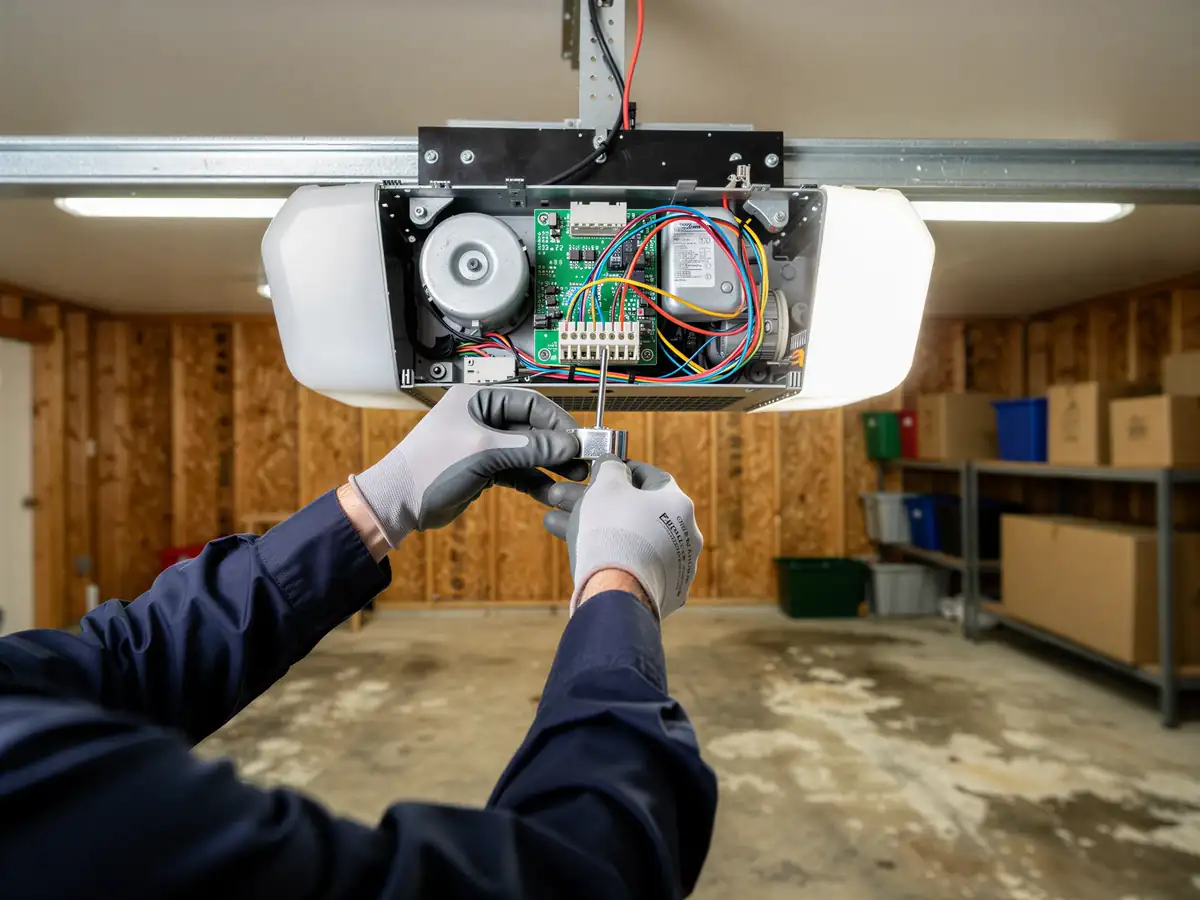
The most common failure we see on doors from this build era is a snapped torsion spring, usually from age rather than any single bad day - the metal just fatigues after decades of daily cycles. Second most common is a bent track from a roller that finally gave out and let the door run off-center. On homes where the opener itself is original, the capacitor or the drive gear wears out well before the motor does, which is why an opener can sound fine for years and then just stop.
What Causes It Around Here
The service area sits in a cold climate zone with harsh seasonal swings, and White Rock's higher elevation means the door hardware goes through more freeze-thaw cycling than you'd see somewhere lower and flatter. Steel contracts in the cold, which tightens tolerances on tracks and rollers that were already worn from fifty years of use. With a median household income of $150,714 in White Rock - more than double the $68,432 median across the wider service area - and a small 2,040-household footprint compared to the area's 10,772, we see fewer deferred-maintenance calls here and more homeowners replacing worn parts on schedule rather than waiting for a failure.