Booking a Visit
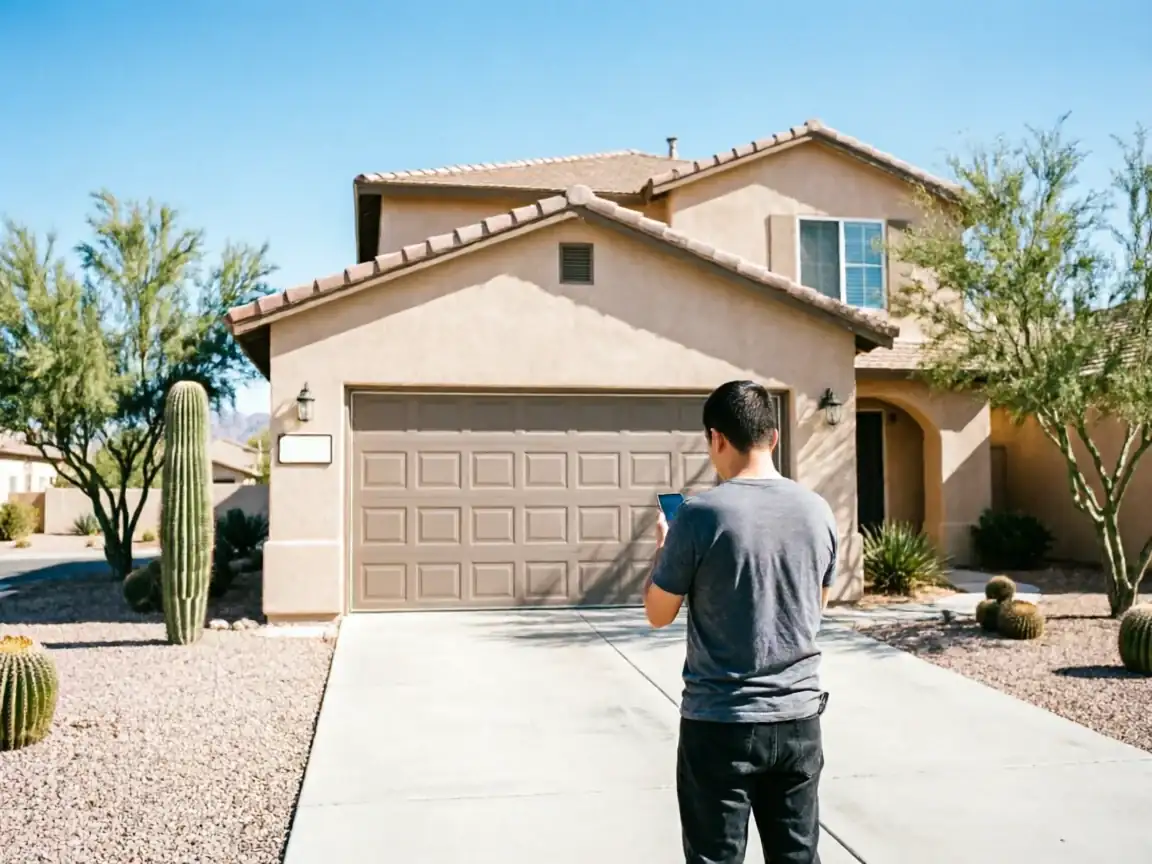
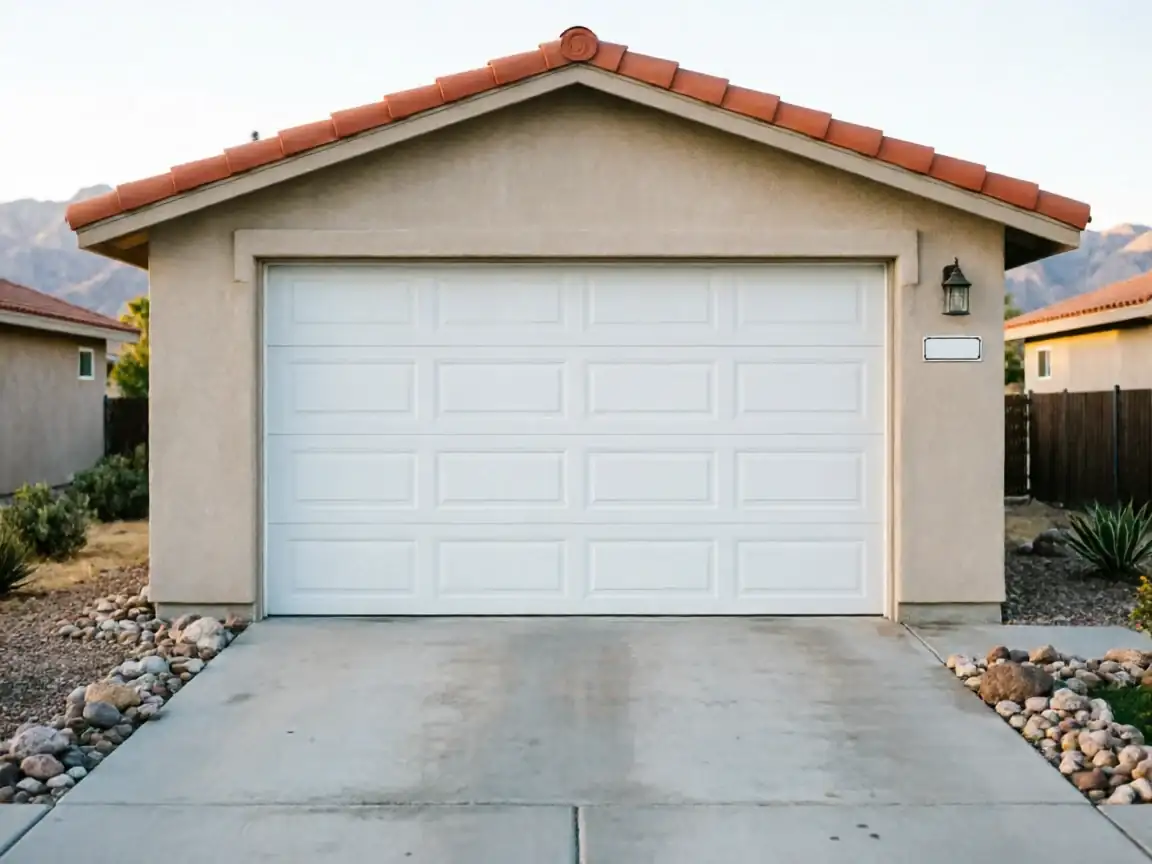
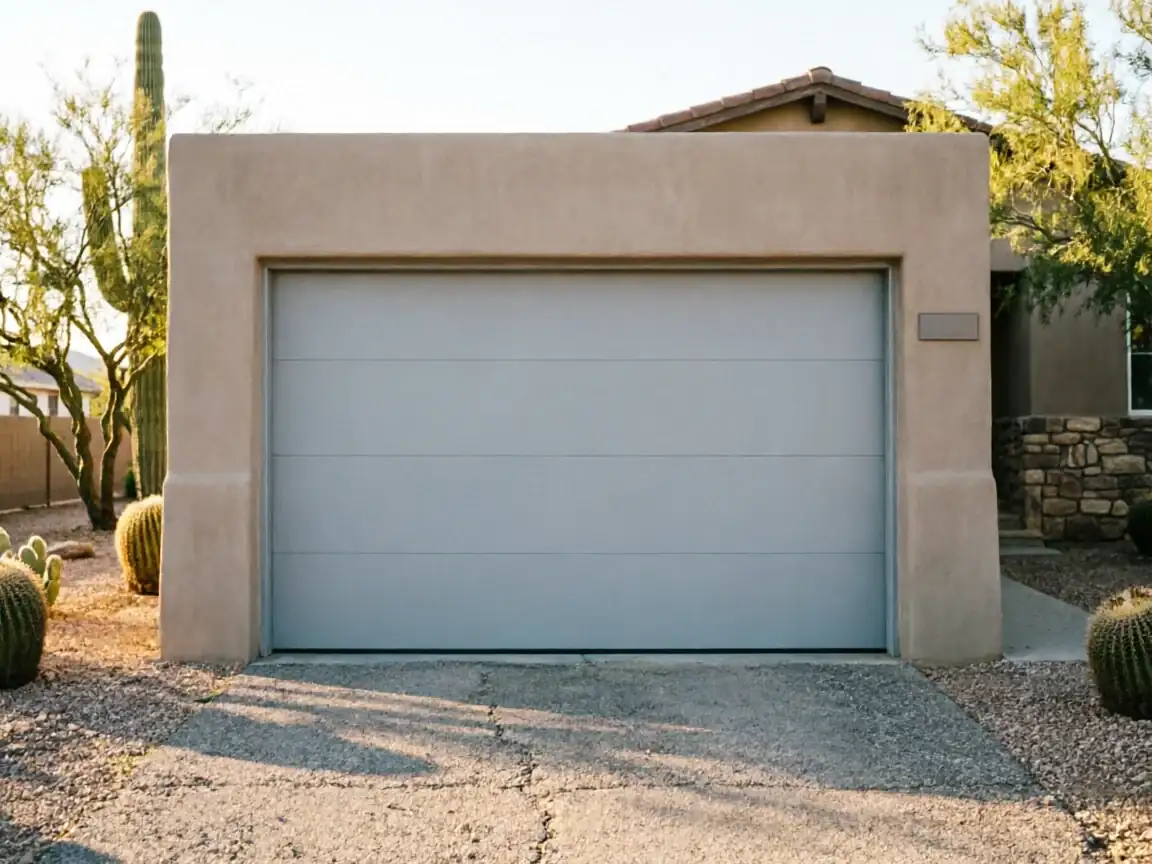
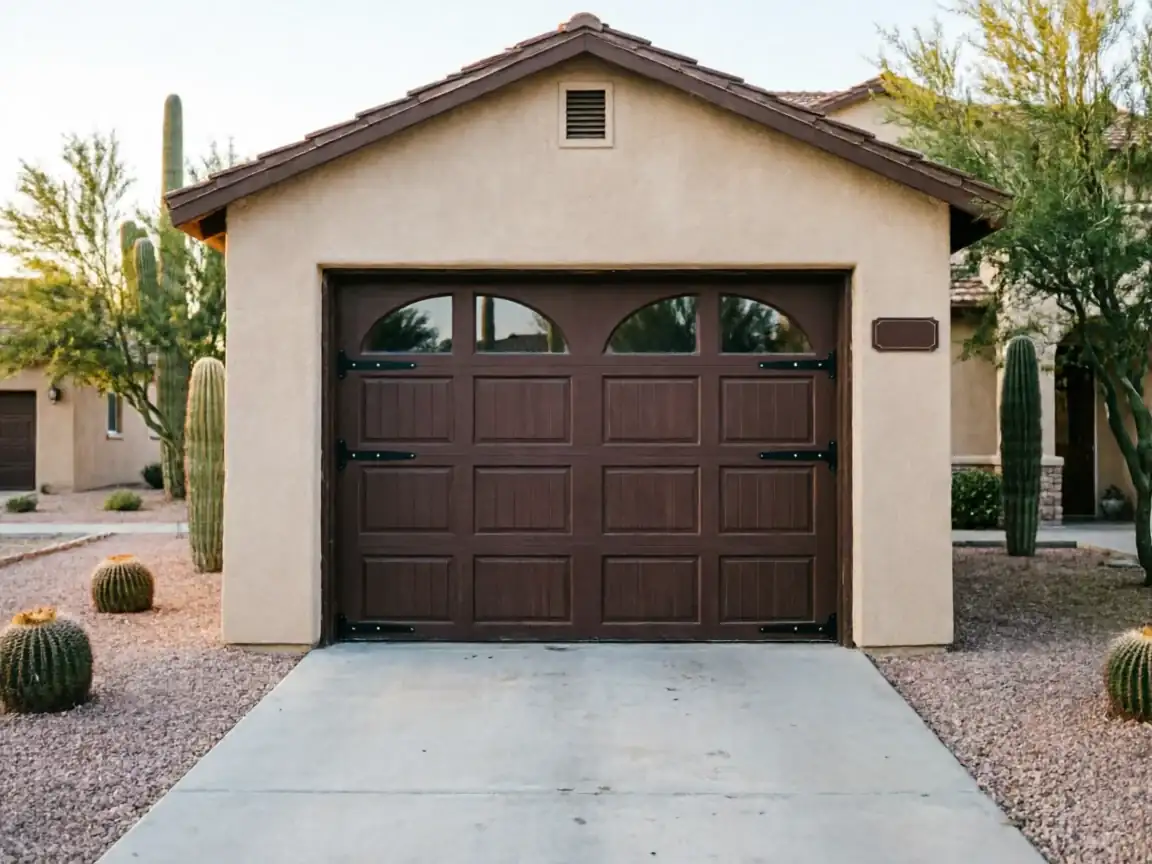
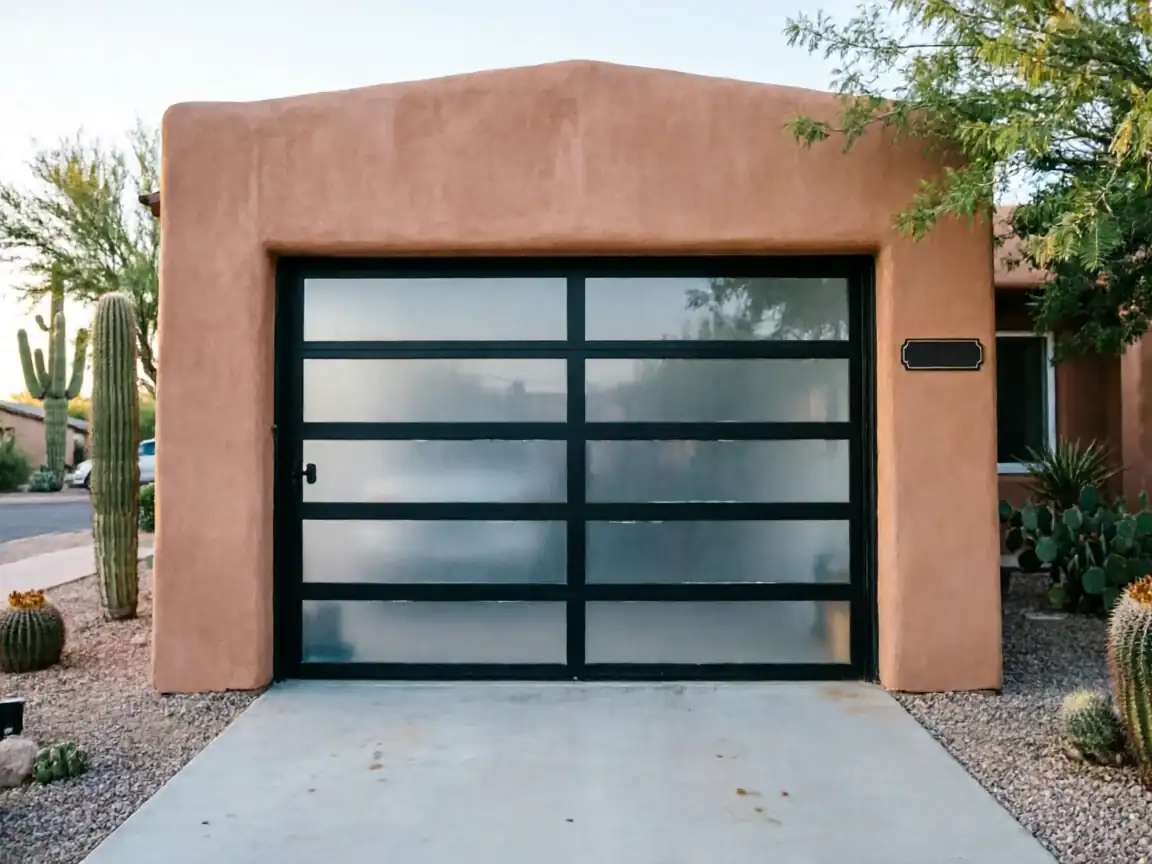
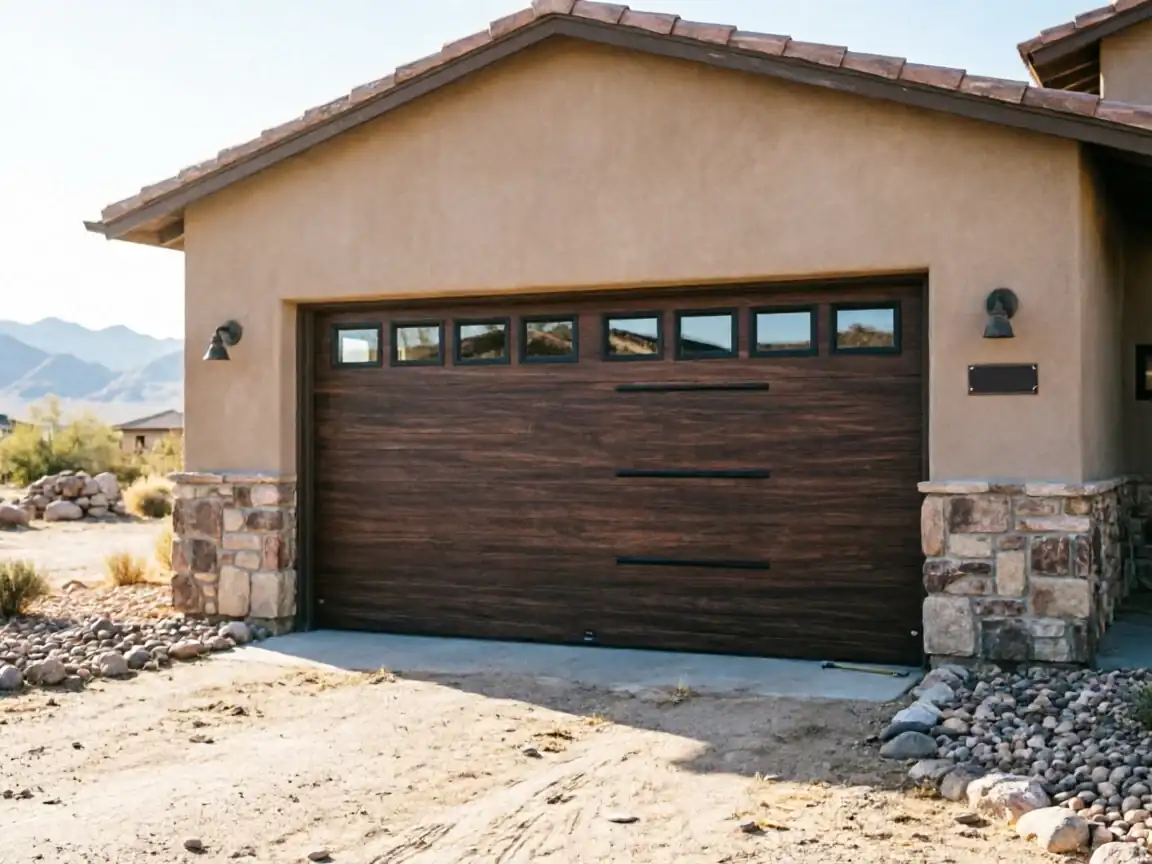
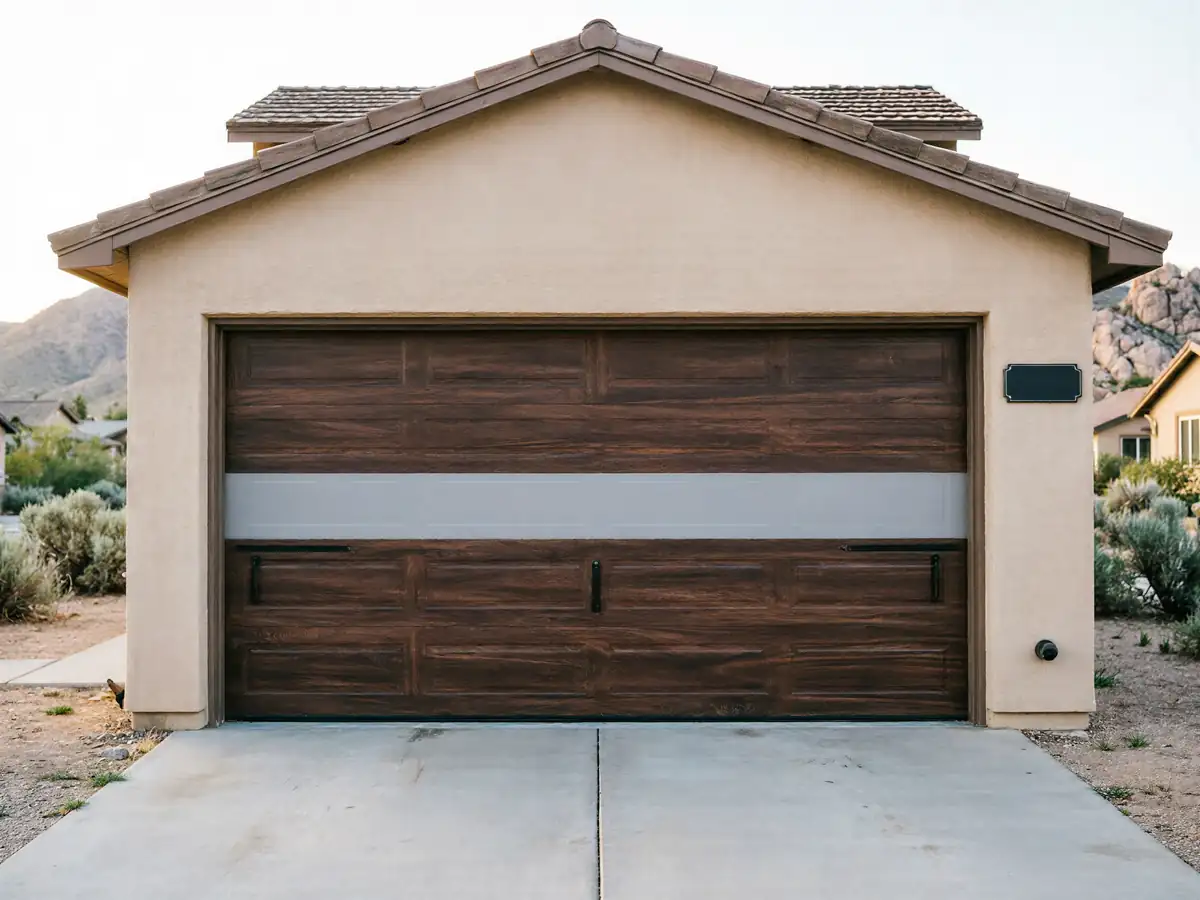
We cover White Rock out of Santa Fe, about 16 miles up the road, so a visit here gets scheduled rather than dropped in on same-day. When you call, tell us the rough age of the house (1973 is a safe bet for a lot of this area) and whether the dented or cracked section is on the bottom, middle, or top - that changes which stiffeners and end caps we bring. If you can get a photo of the full door before we come, even better; panel profiles from the 70s and 80s vary enough that matching by description alone sometimes means a second trip.
What You Are Seeing
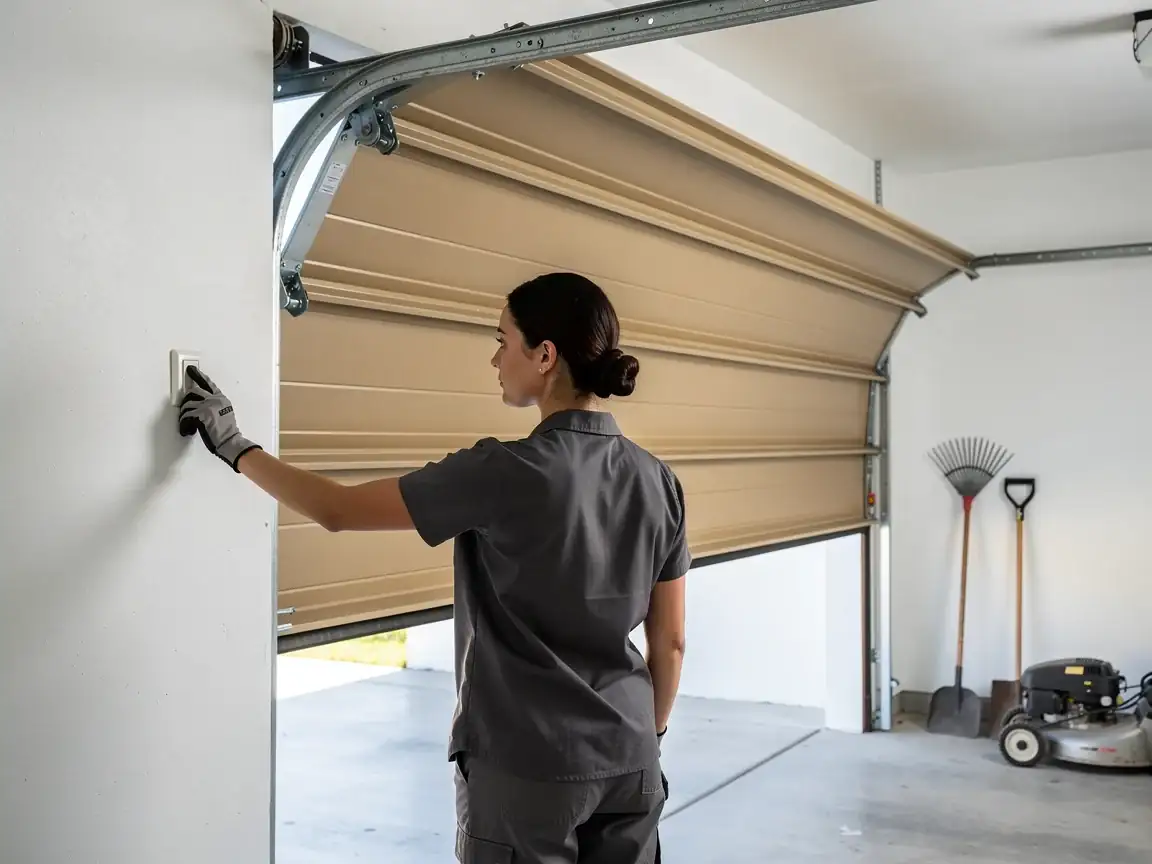
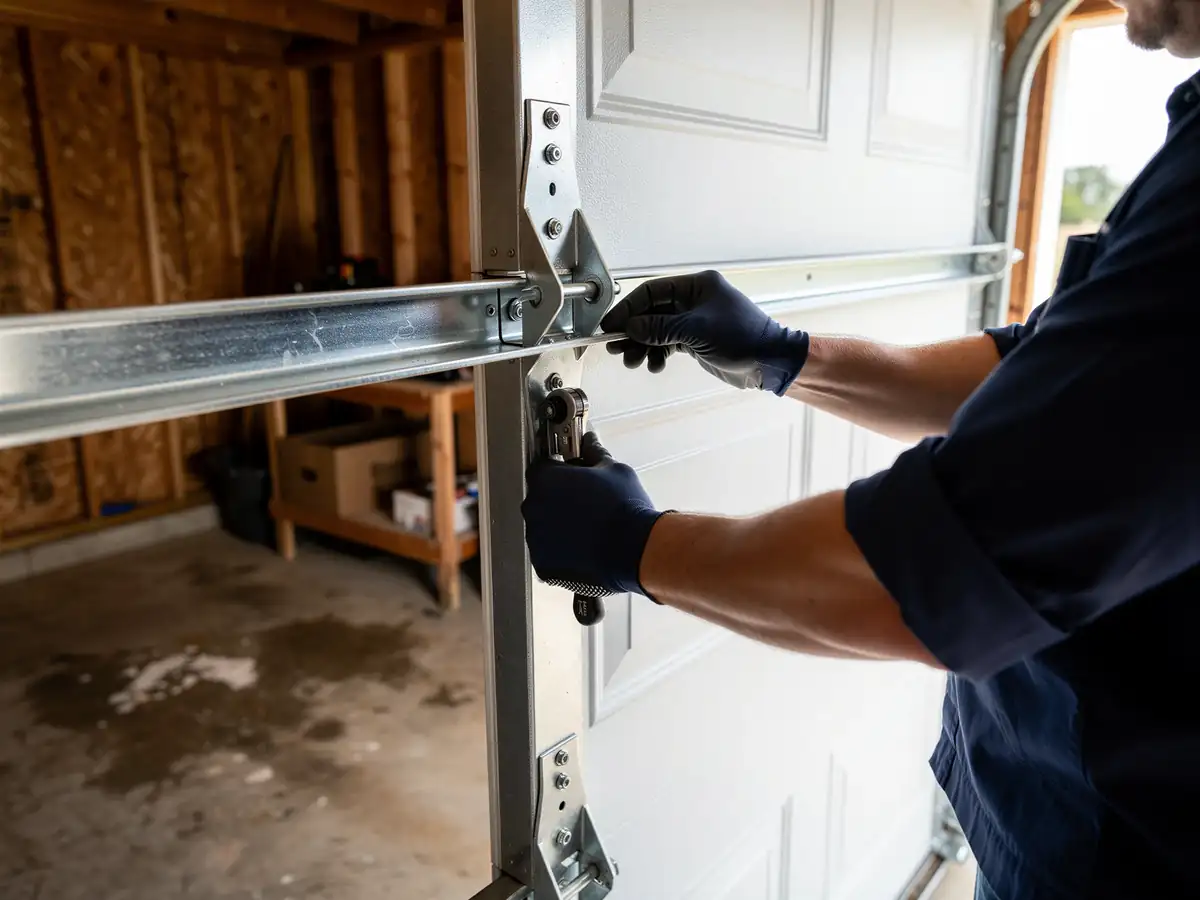
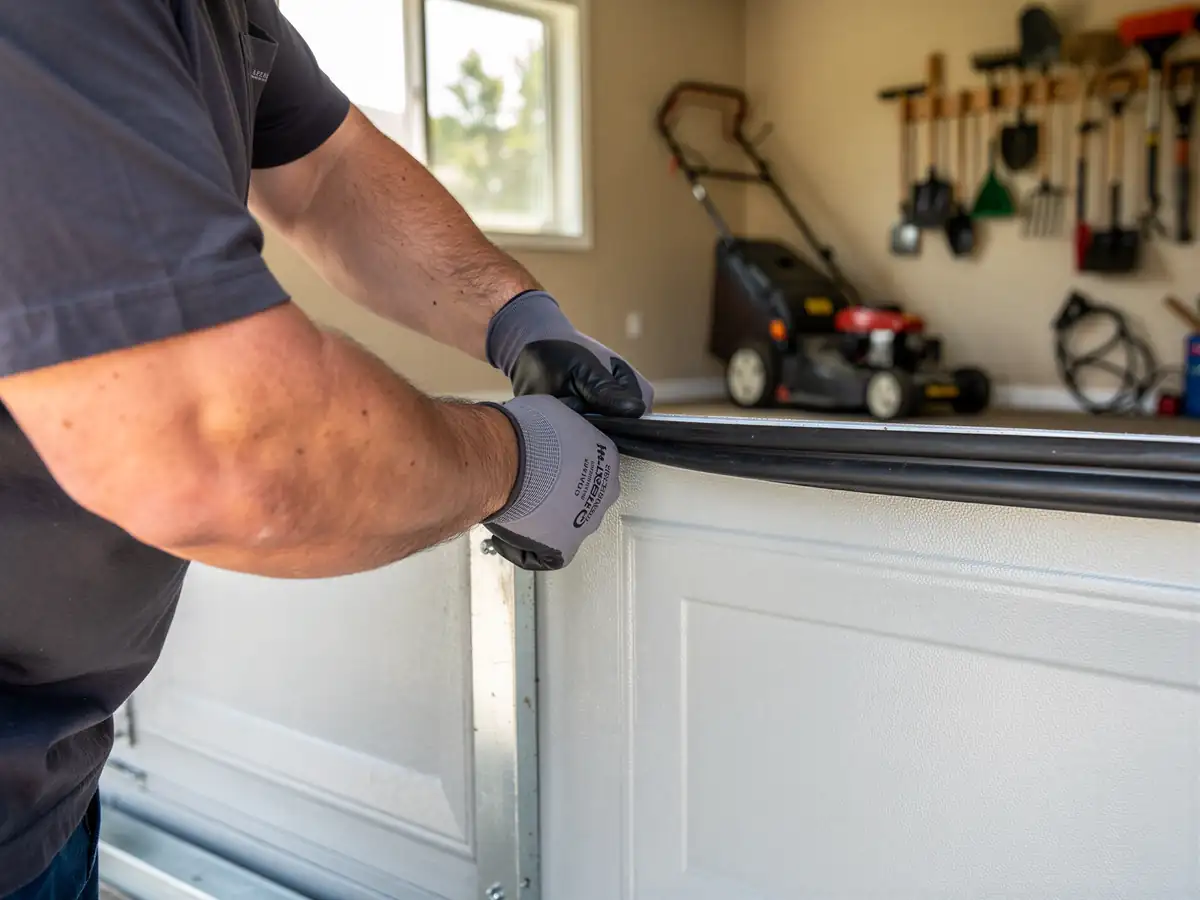
A panel on a door this old usually fails one of three ways: a long horizontal dent from a car bumper, a crack running along a rib where the steel's gone thin from decades of expansion and contraction, or rust blooming at the bottom section where snowmelt sits against the steel. With White Rock's cold winters, that bottom-panel rust is common - moisture gets in at the seam and the paint can't keep up forever. If you're seeing daylight at the edge of a panel when the door's closed, that's not cosmetic; it means the section's warped enough that it's no longer sealing, and it's usually past the point of a patch.
What Can Go Wrong
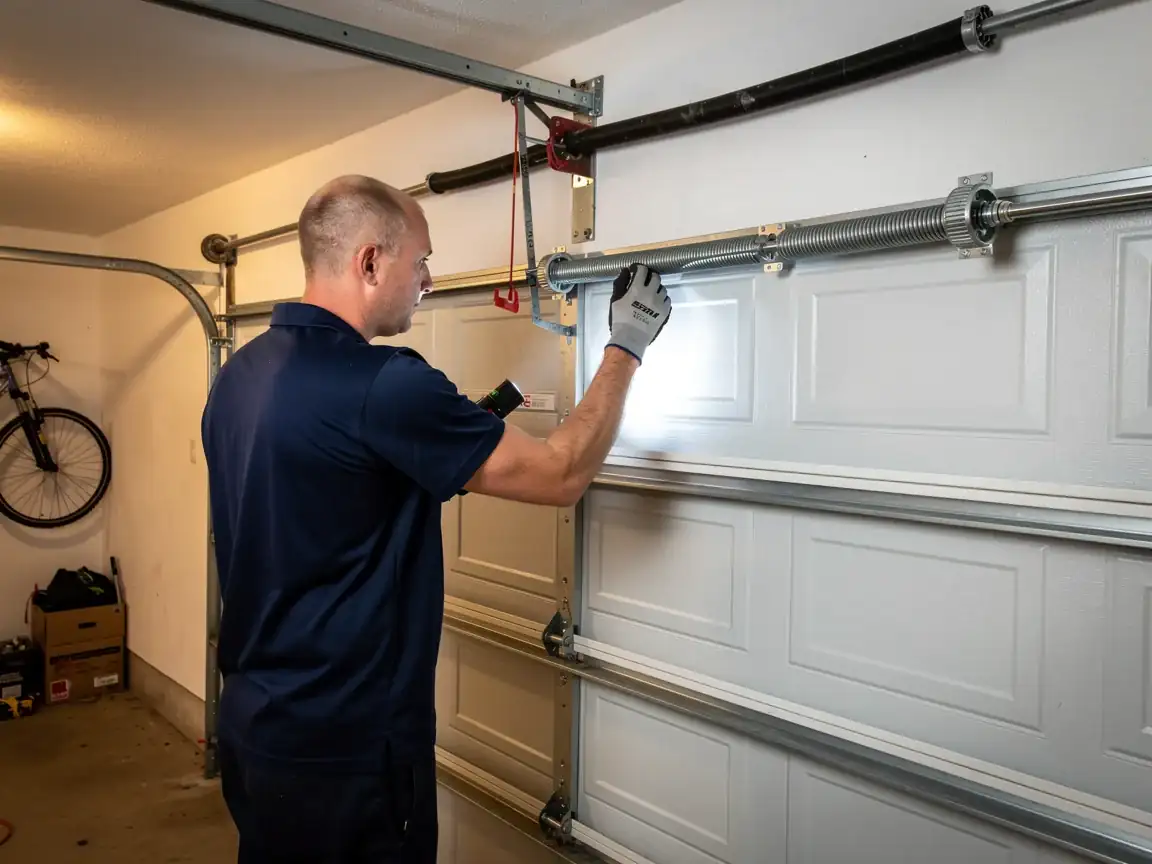
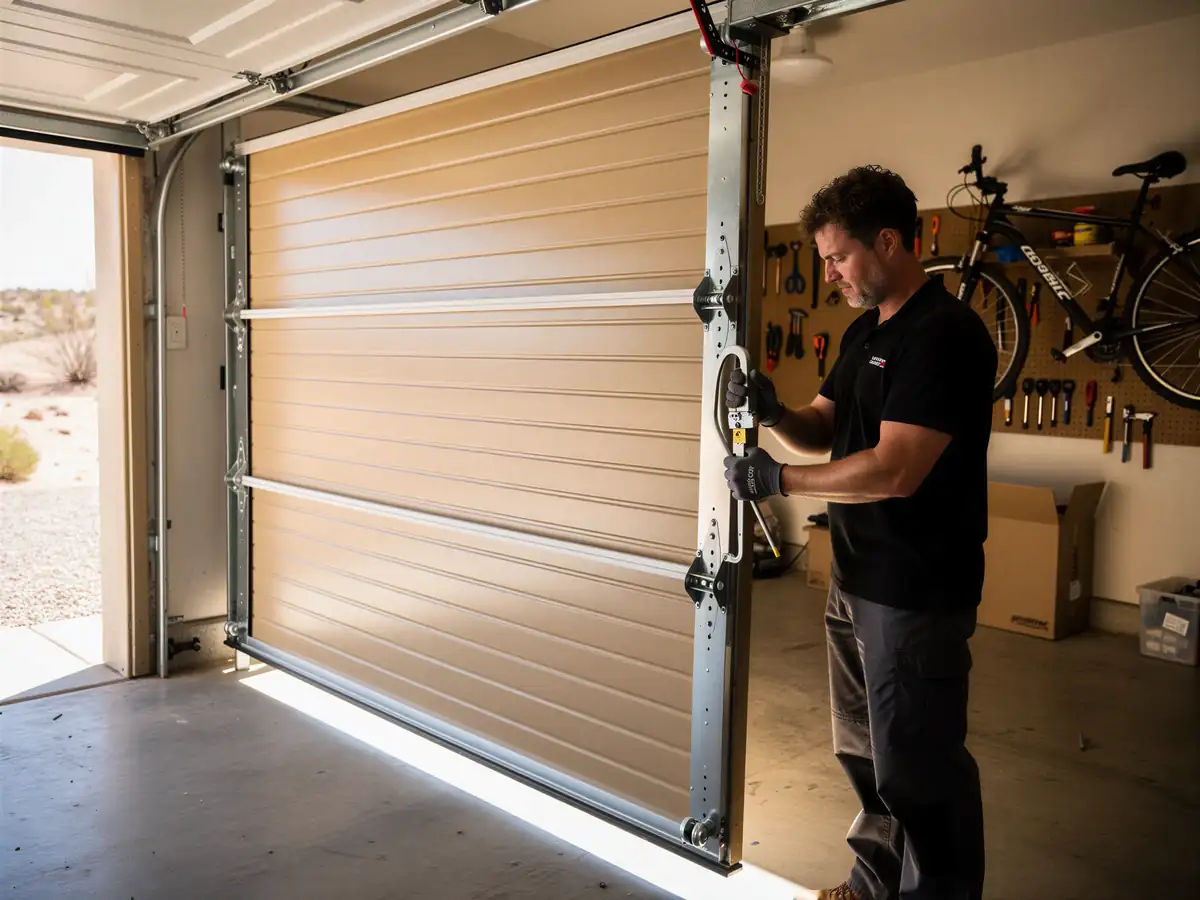
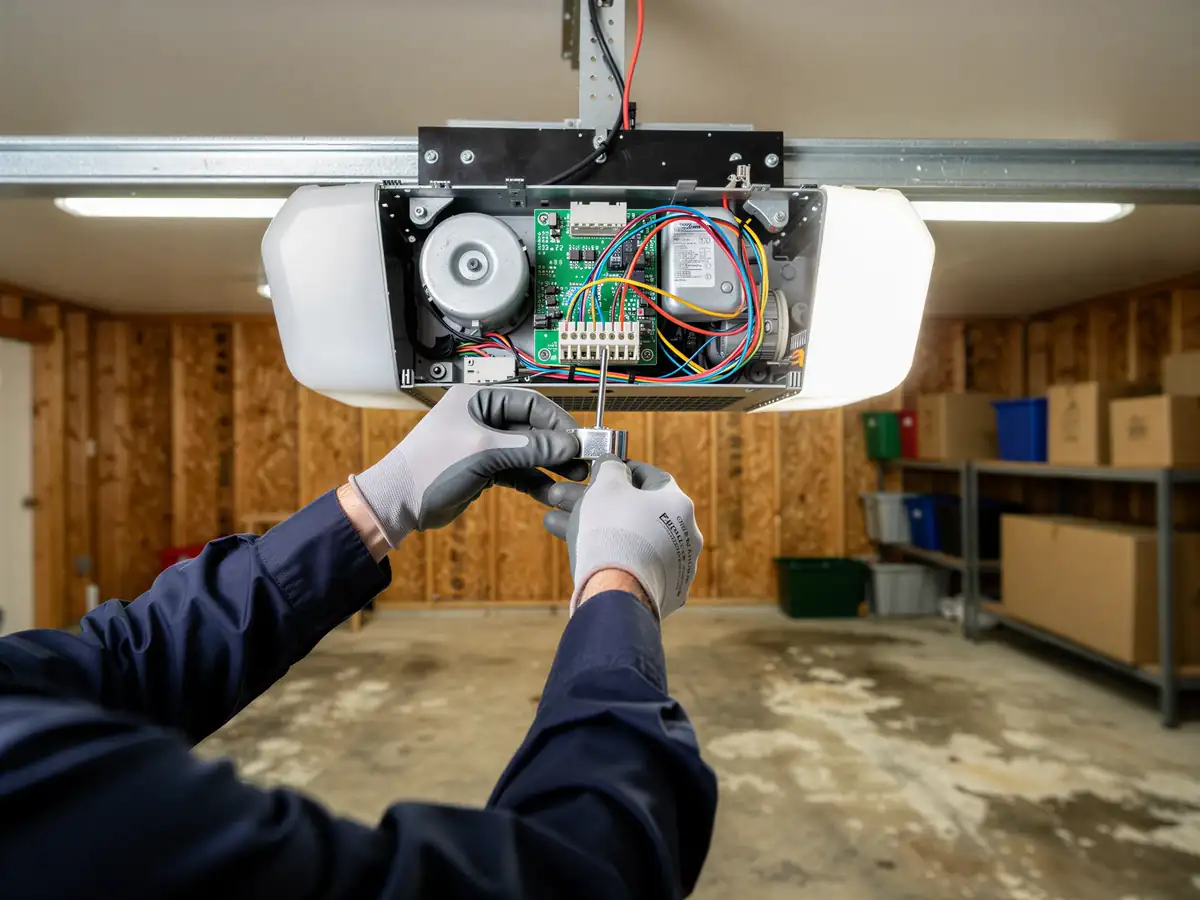
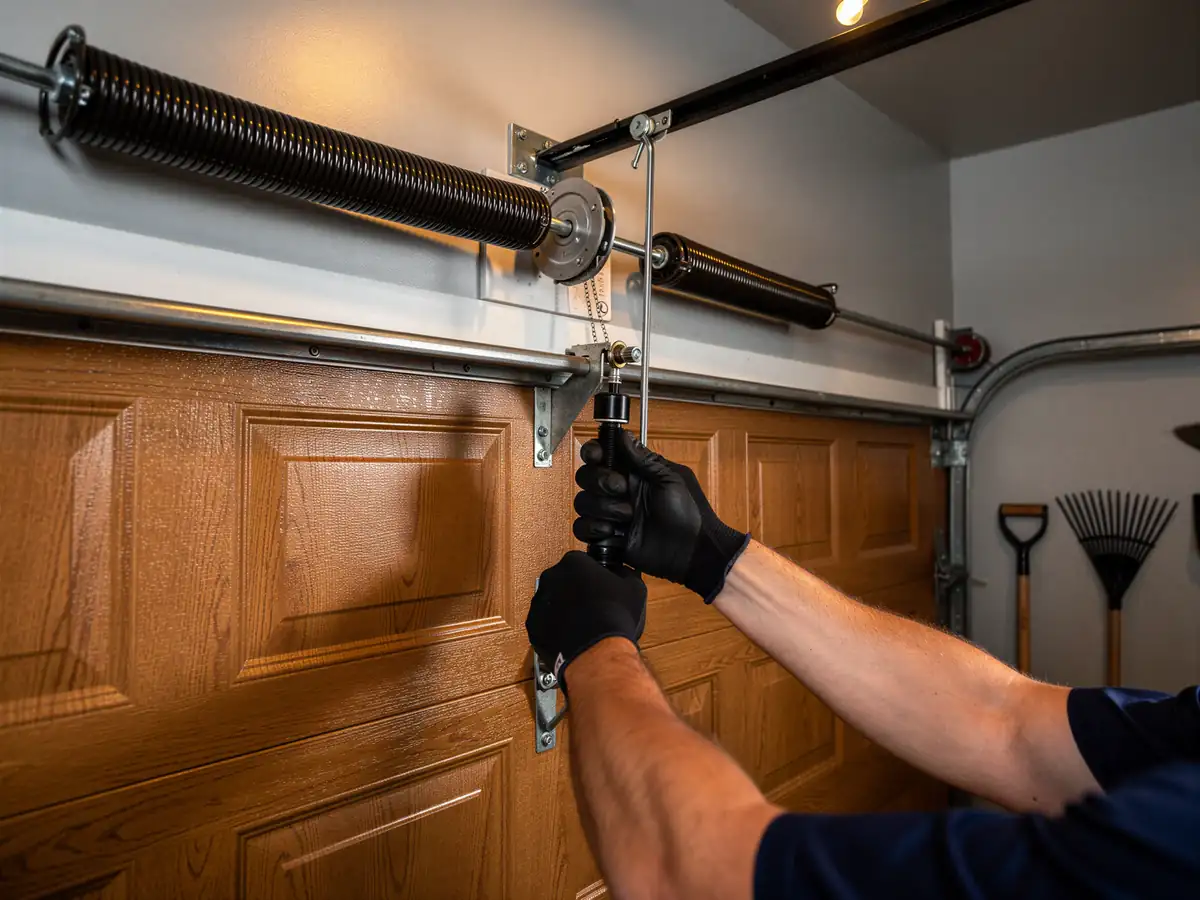
The honest limitation: on doors from the 1973-era stock, we sometimes can't get an exact panel match because the manufacturer stopped making that rib pattern or gauge decades ago. In that case your choices are a visible seam between old and new steel, or replacing the full door. We'll lay out both, including rough cost difference, before any work starts - we're not going to quote a perfect match we can't deliver. Separately, if the opener or springs on the door are also original to 1973, pulling panels can expose how worn those parts already are; that's a different job, and we won't fold it into a panel quote without telling you first.
What Causes It Around Here
Most of the 2,040 households in this part of the service area are sitting in houses built close to that 1973 median, which puts a lot of panel hardware at roughly fifty years old. Combine that with a cold, severe climate band - real freeze-thaw cycles each winter - and steel panels that were painted once in the 70s start showing their age at the seams first. It's less about abuse and more about decades of temperature swing working at a joint that was never going to last forever. Household income here runs well above the wider area's median, which we mention only because it tends to mean owners replace a panel properly rather than patch it and wait.