Serving Santa Fe, NM & nearby
(505) 479-6421
Santa Fe, NM

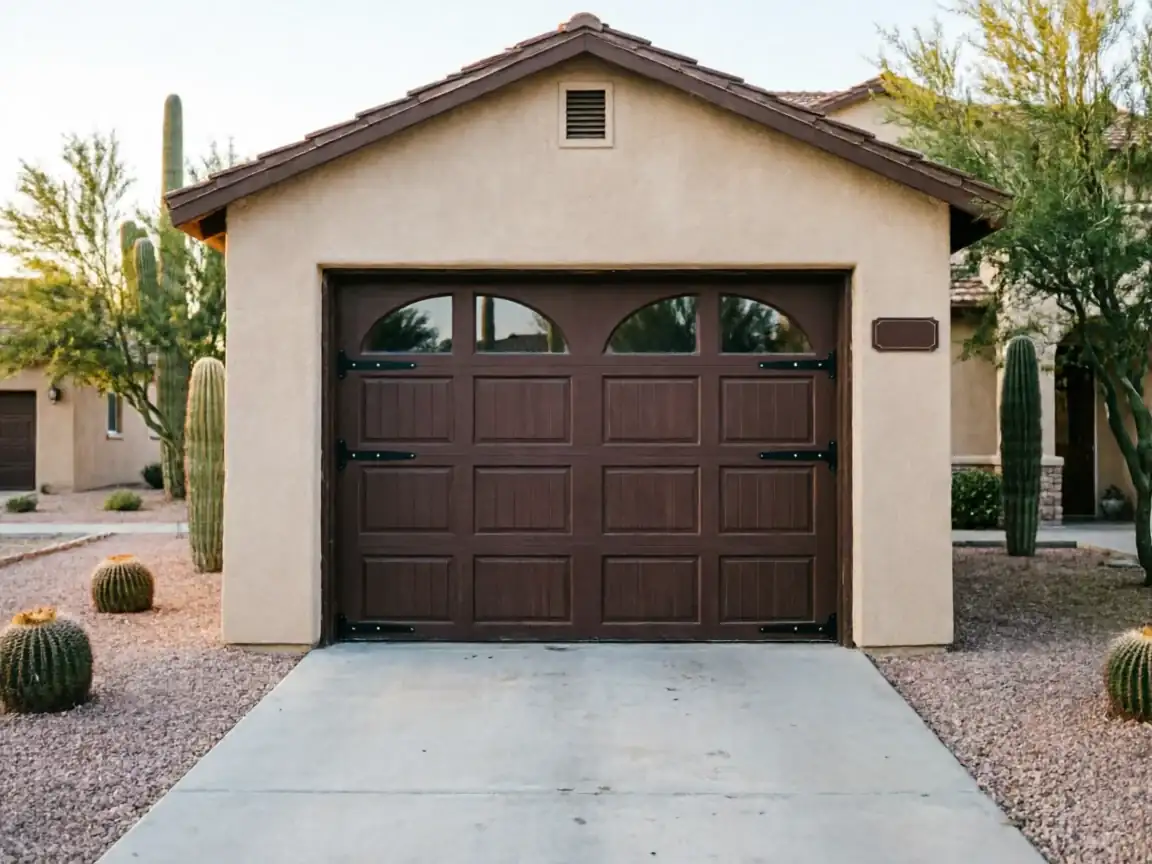
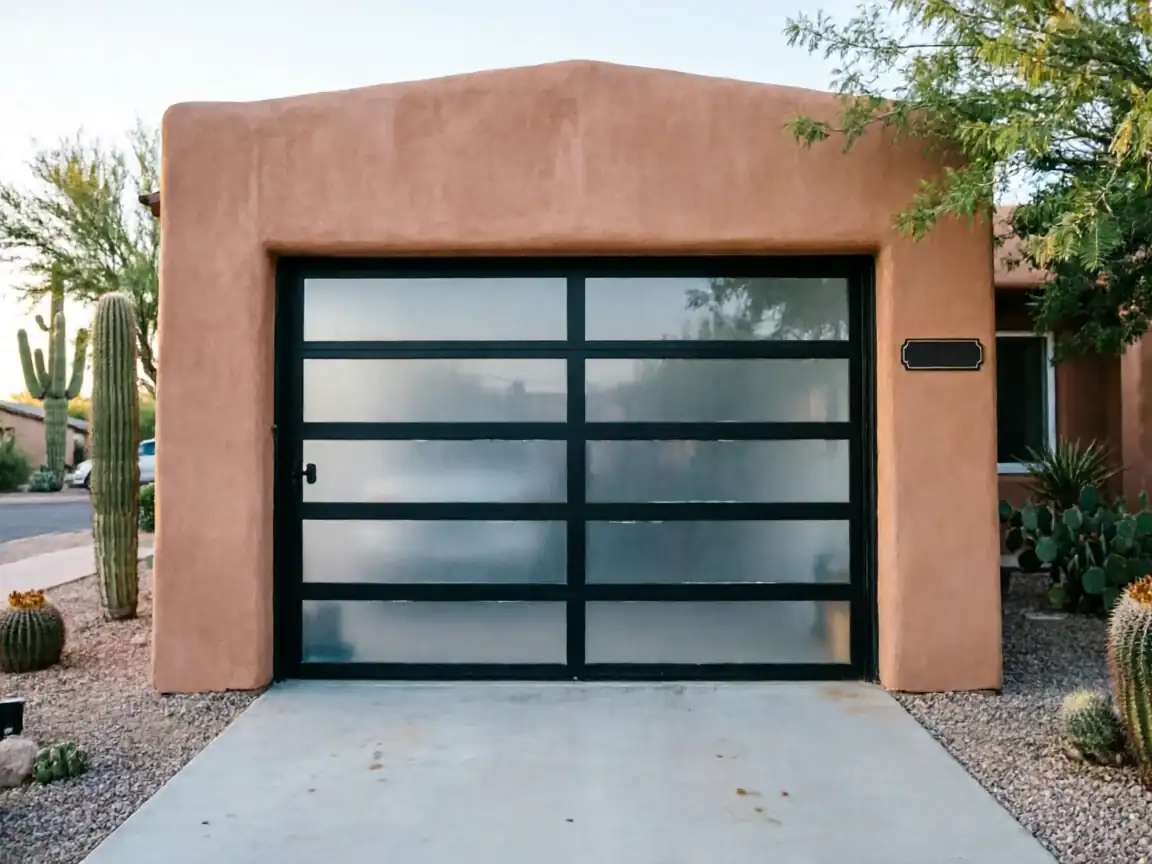
New Garage Door Installation for White Rock Homes

White Rock's houses mostly went up around 1973, a decade before the rest of our service area. That means original doors are reaching the end of their run. We install from Santa Fe.

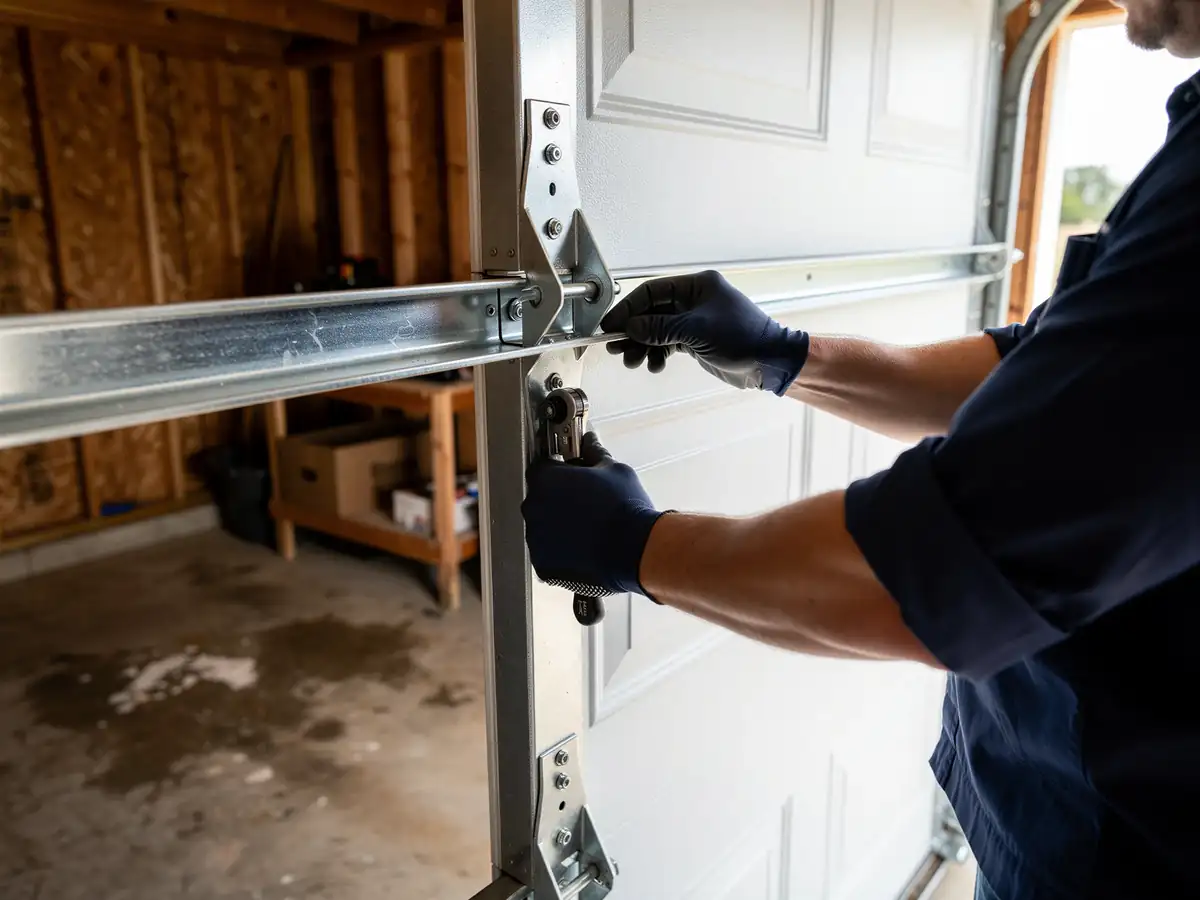
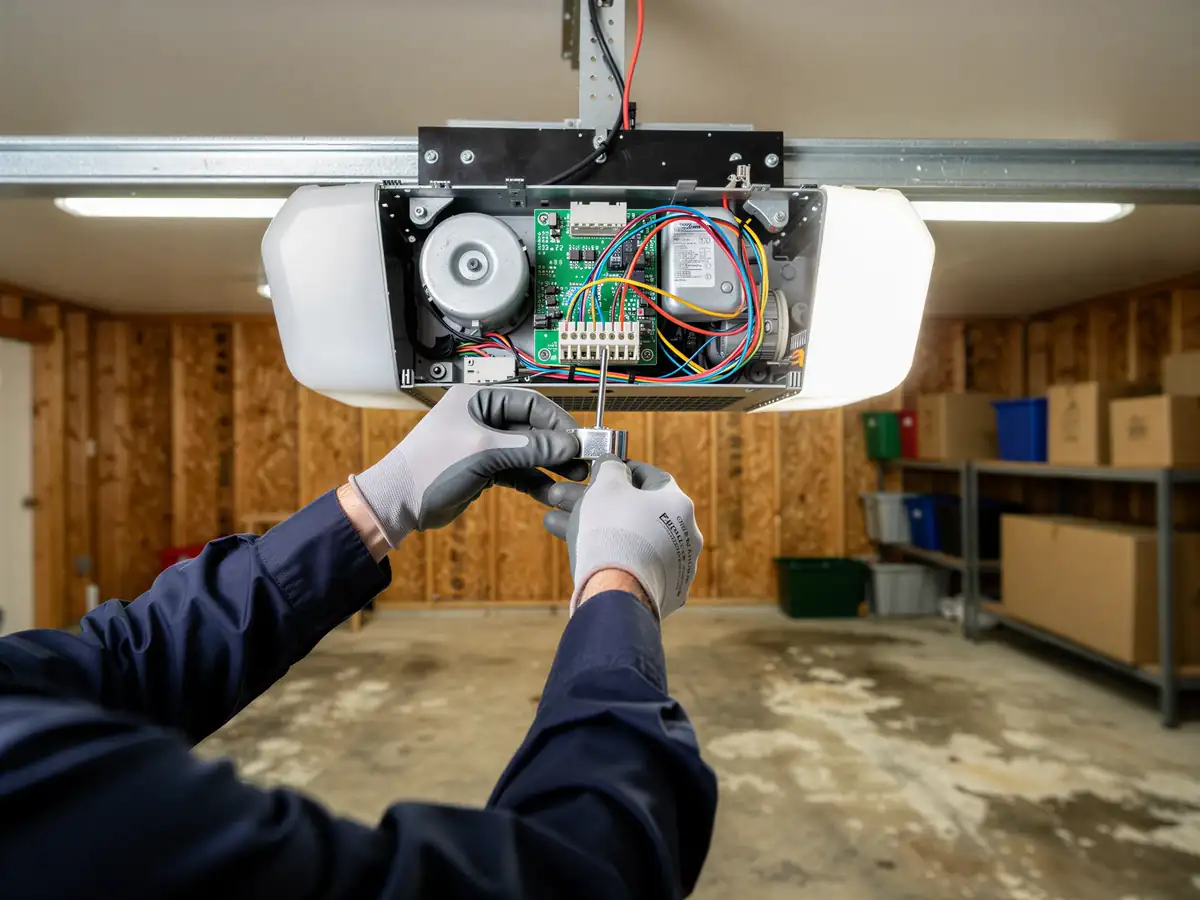
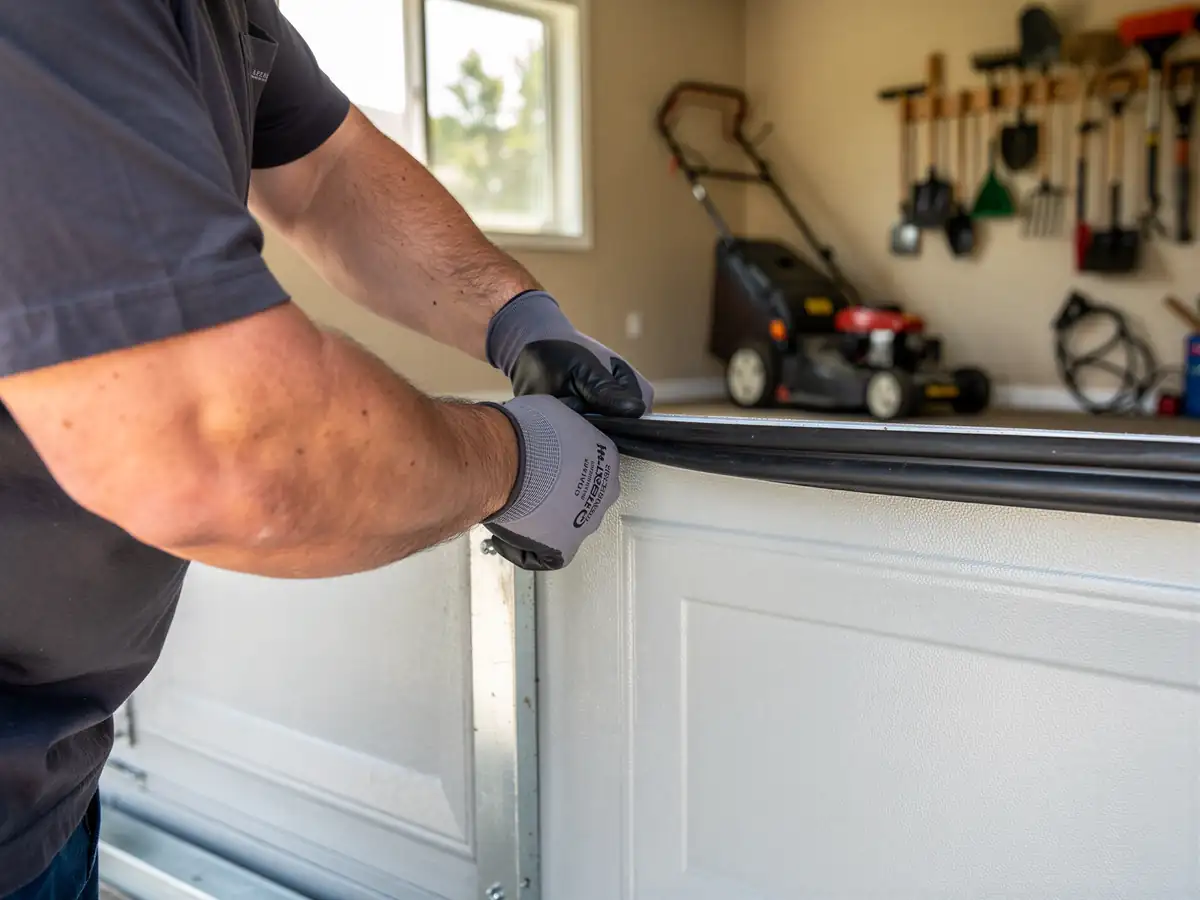
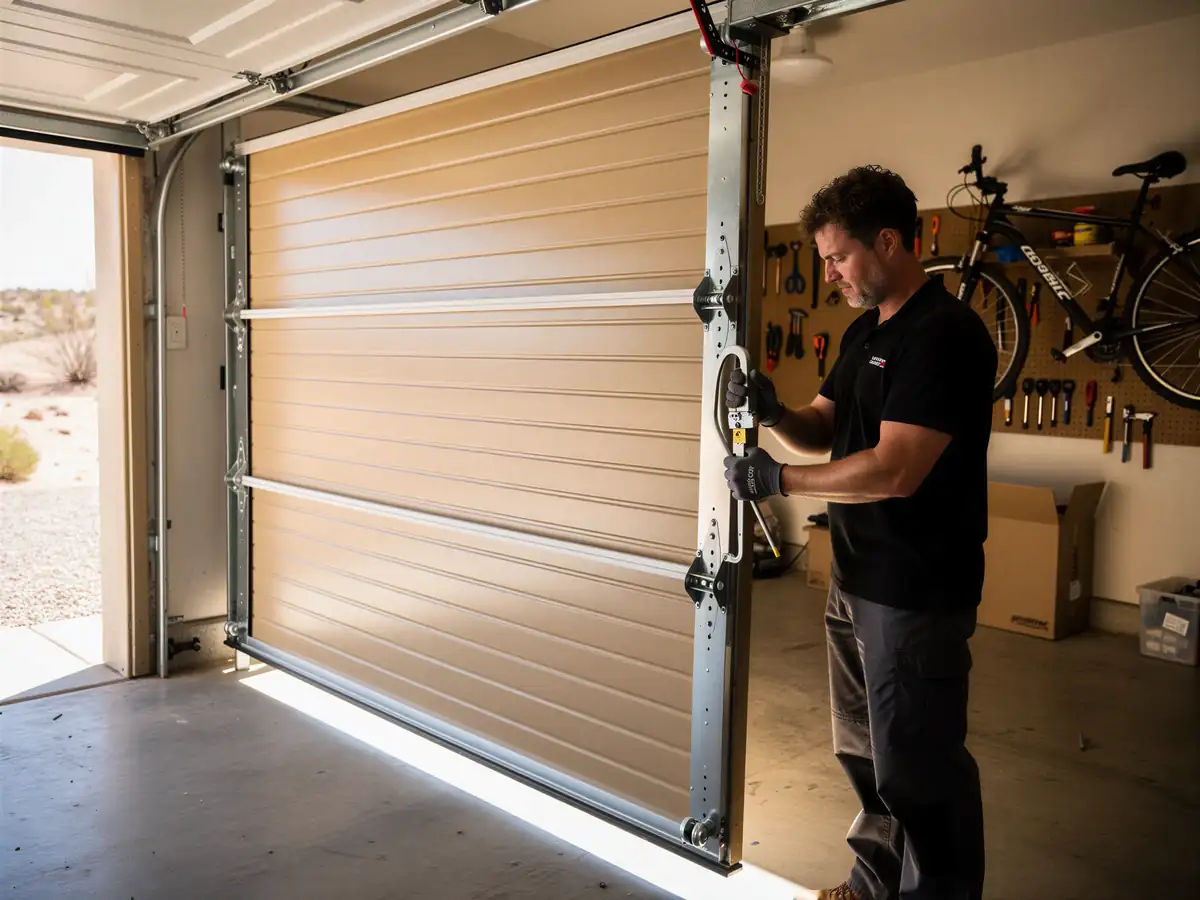
A technician in gloves adjusts a tan garage door inside a garage.
Santa Fe, NM
8 services
5 service areas
Diagnosis first, then the fix

Parts We Carry

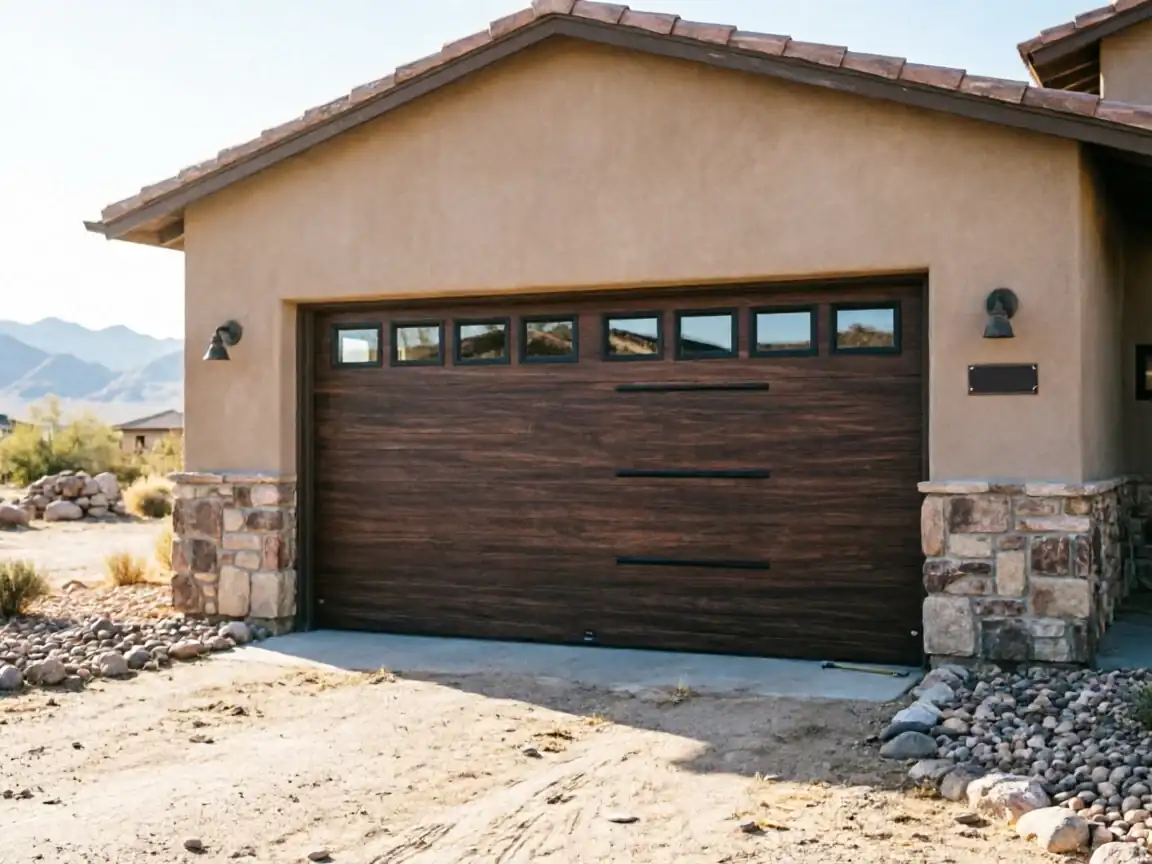
White Rock is a smaller pocket of the area we cover, around 2,040 households, so we don't stock a separate inventory just for it. What we bring on the truck is picked for the houses that are actually here: insulated steel sections rated for a cold, dry climate, torsion springs sized for the wider double doors common on homes from the early 1970s, and openers with battery backup, since this area sees winter outages like the rest of the region. With median household income here running well above the area average, we also see more requests for higher-end door lines - wood-look composite, heavier gauge steel, windows - rather than the builder-grade door that shipped with the house. We'll tell you plainly if a given upgrade is worth the price difference for your situation, and sometimes it isn't.

Booking a Visit

We run installs in White Rock out of Santa Fe, about 16 miles away. There's no local branch here, so a new-door job gets scheduled the same way any out-of-town call does: we confirm measurements and door style over the phone or by photo first, then book the install date once the door is on hand. Because White Rock is a smaller cluster of households than some of the other areas we serve, we're not rolling trucks through here daily, so booking a day or two ahead rather than same-day tends to work better for install jobs specifically - repair calls are a different matter. You can check coverage on our White Rock service area page before you call.

What You Are Seeing

Most houses in White Rock went up around 1973, which puts the original garage doors here close to fifty years old if they haven't already been replaced once. That generation of door is almost always a single-layer steel panel with no insulation, hung on hardware that was never designed for the freeze-thaw cycling this area gets. If your door feels heavier than it should, sags at the bottom panel, or the seams show rust along the edges, that's consistent with original 1970s-era stock reaching the end of its service life rather than a one-off defect. A door from that build era wasn't sized or sprung for the heavier insulated sections homeowners often want now, which is part of why a straight panel swap usually isn't possible - the whole door and sometimes the track has to come out together.

How We Fix It

For a house built around 1973, we're almost never patching the original door - we're replacing it outright, track, springs, and all, because the hardware is old enough that mixing new panels onto a fifty-year-old frame doesn't hold up. We size the new torsion spring to the actual door weight, not a generic chart number, measure the opening fresh rather than trusting old paperwork, and set the opener with the force and travel limits a cold-climate seal needs to close fully without freezing shut. If your current opener is still working fine, we'll say so and leave it, rather than selling you a new one you don't need.

What Can Go Wrong

This area sits in a severe cold climate band, and that shows up in specific ways on an older door. Rubber bottom seals that have hardened over the decades crack and let cold air and moisture into the garage, which then shows up as condensation on stored items or a frozen track edge on the coldest mornings. Steel panels from the early 1970s also don't have thermal breaks, so metal fatigue from repeated cold contraction is common - you'll see it as hairline cracks near the hinge points before anything fails outright. None of this is unique to one house; it's what forty-plus winters do to that generation of door.

What Causes It Around Here

The root cause is the build date more than anything else. A 1973 median construction year means White Rock's garage doors are, on average, older than the doors in several other parts of our service area where houses went up through the 1980s and 90s. Combine that age with a cold, dry climate that stresses seals and steel equally, and you get a predictable failure pattern: hardened weatherstripping first, spring fatigue second, panel cracking last. It's not bad luck or bad installation - it's just what fifty winters do to a door that was never built with insulation in mind. See our full installation page for Santa Fe for the broader picture of what we offer across the service area.
How it works

From “it’s stuck” to “it’s fixed”

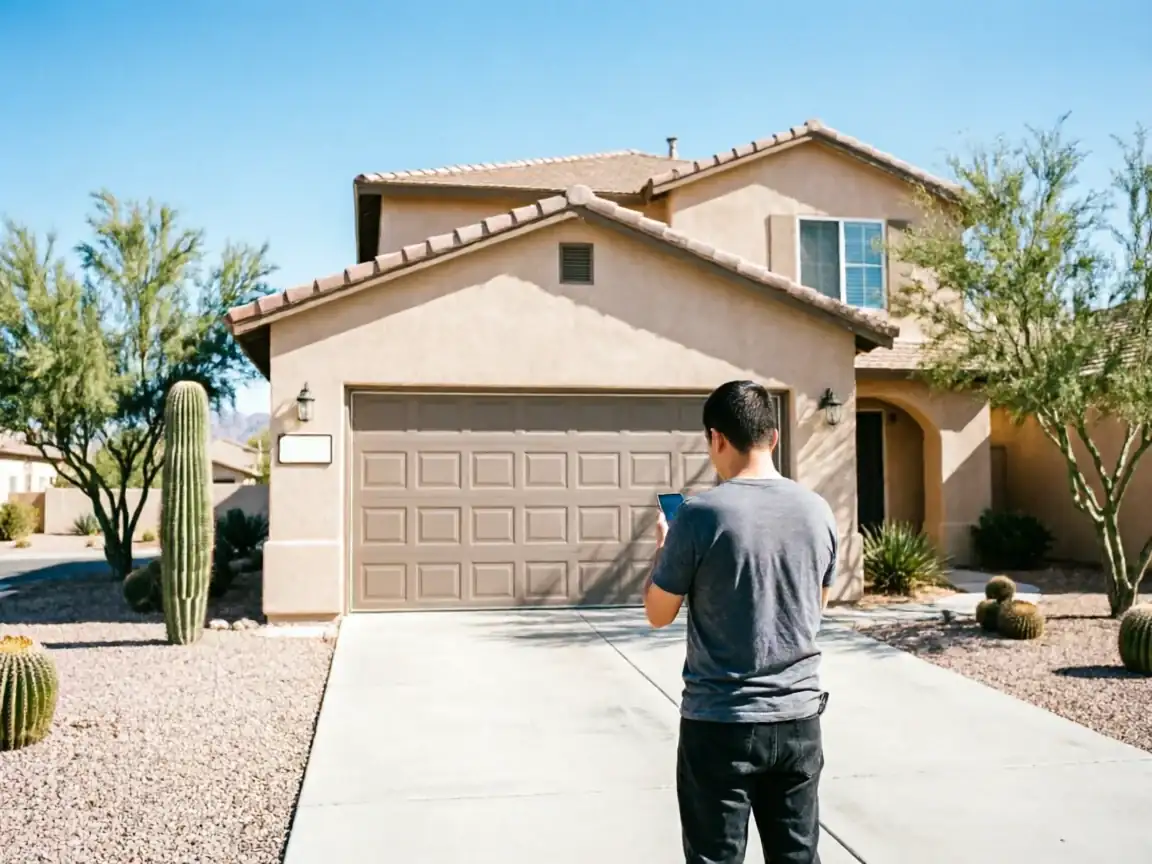
A man stands in a driveway, looking at his phone, facing a closed garage door.

Tell us what’s wrong

Describe the symptom - won’t open, loud bang, opener runs but the door won’t move.

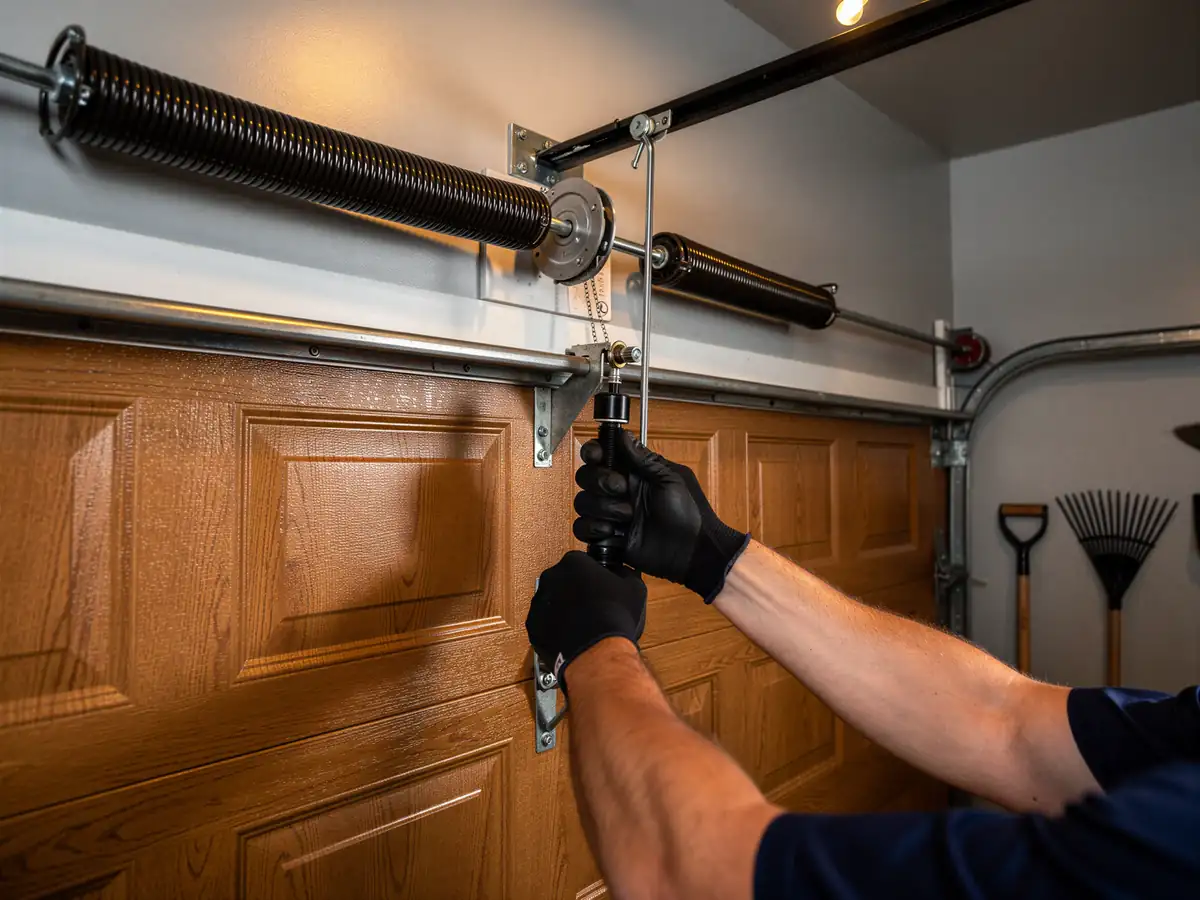
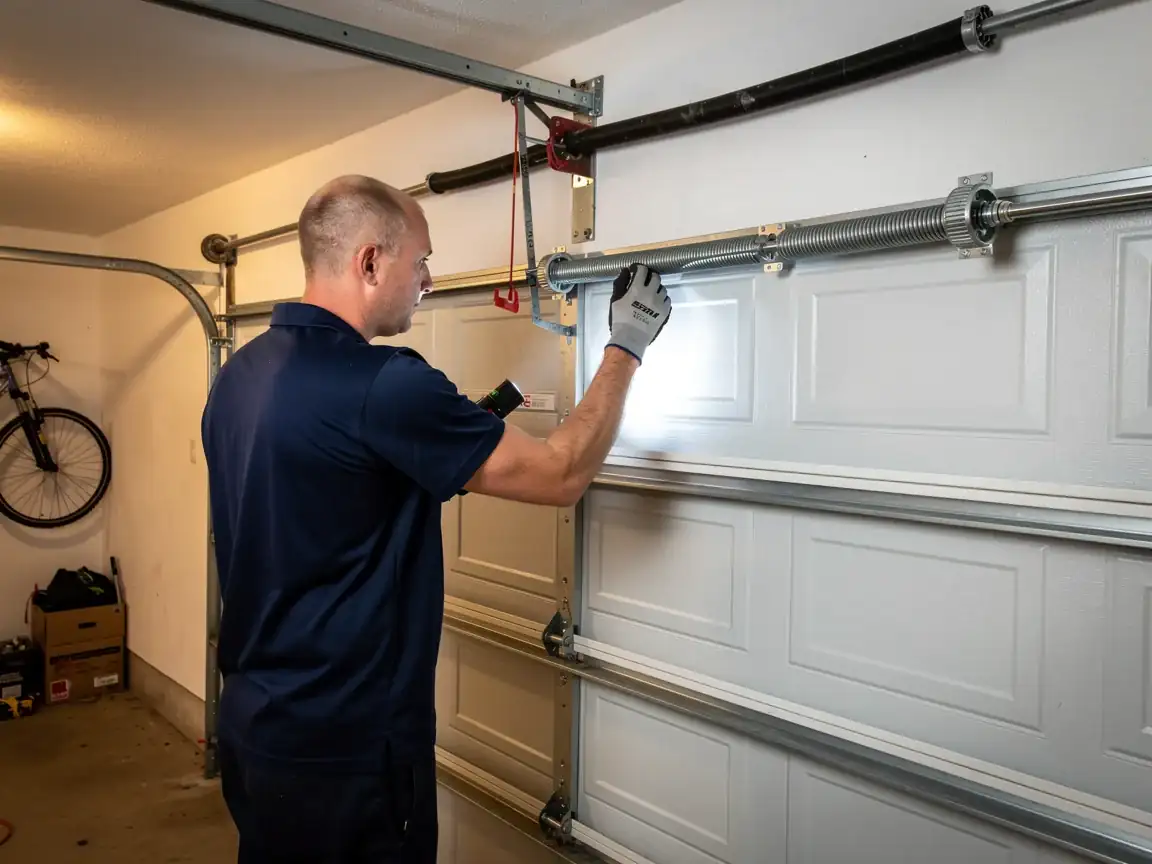
A technician shines a flashlight on a garage door torsion spring.

On-site diagnosis

A technician tests the door under power and by hand and finds what actually failed.

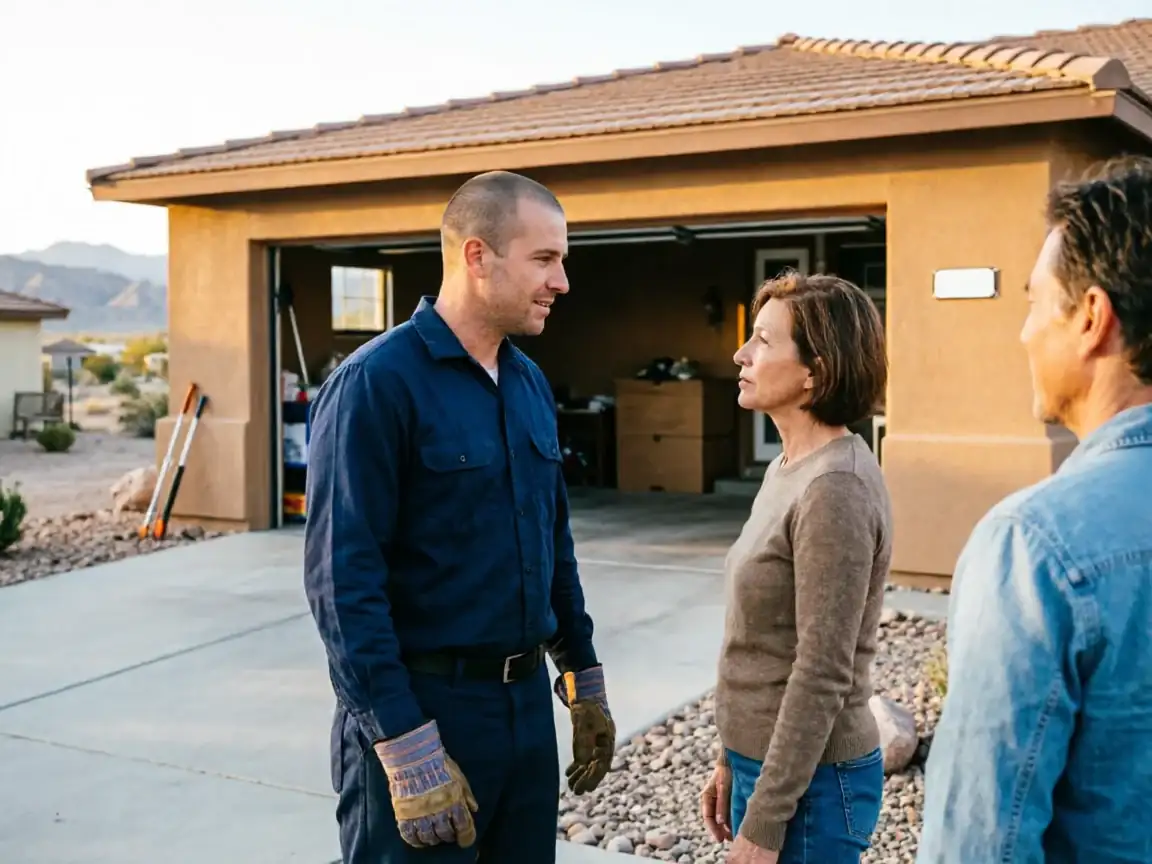
A technician in a blue uniform talks to a woman and a man in front of a garage.

Clear, up-front plan

You get the fix that’s needed and what drives the cost - before any work starts.

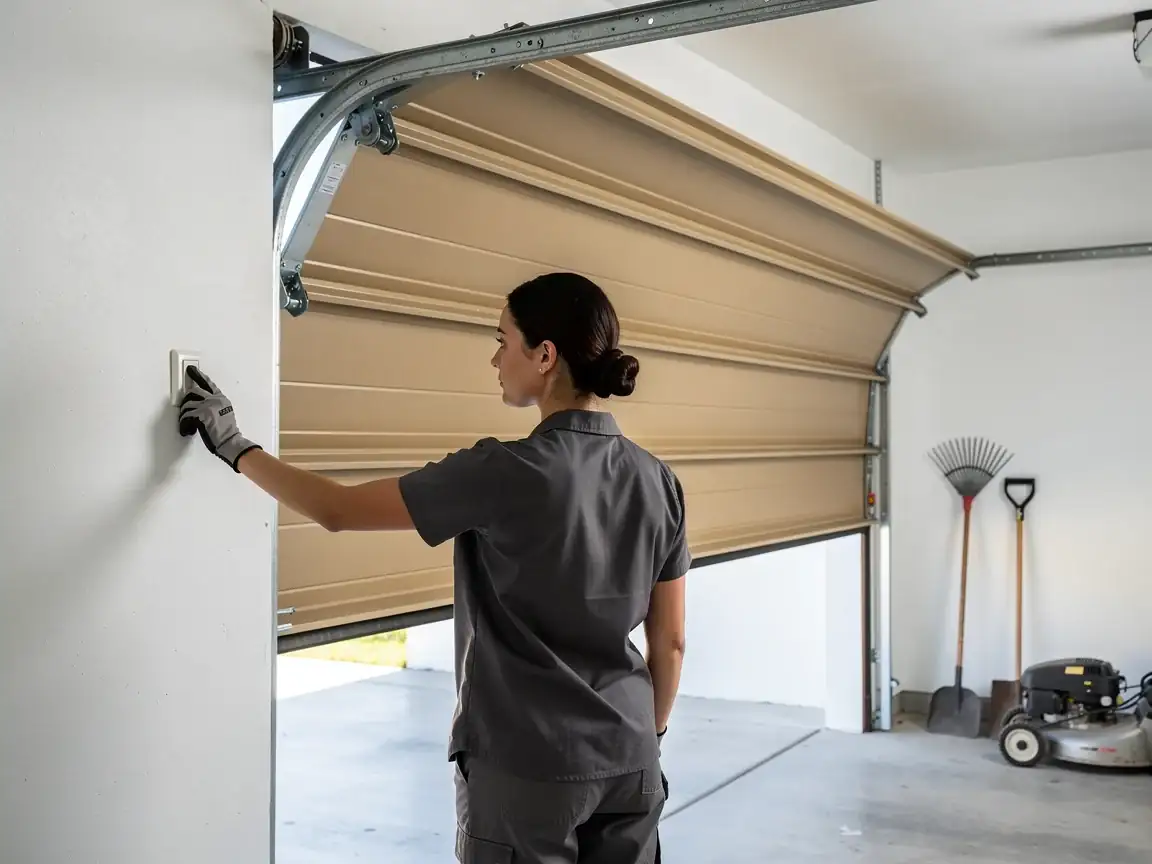
A technician in gray work clothes presses a button to open a tan garage door.

Repaired & tested

The repair is done, the door is set true and tested, and the work area left clean.

Not sure which repair your door needs in Santa Fe, NM? Describe what it’s doing - every job starts with a diagnosis.

How we work

What to expect

Diagnosis firstEvery visit starts by finding what actually failed - not a pre-written parts list.
The right part for the doorSprings and openers matched to the door’s weight and age, so the fix holds up.
Straight answersWhen a repair makes more sense than a replacement - or the reverse - you hear it plainly.
Clean, careful workTension released safely, hardware set true, the door tested under power before we leave.
87,505
Residents in Santa Fe
8Garage door services
5Neighborhoods & suburbs
NMServing Santa Fe, NM
Questions

Frequently asked

Straight answers about garage door repair in Santa Fe. Still unsure? Ask us directly.

Why does my garage door feel so heavy to lift by hand?

On a house from the early 1970s, that's usually a torsion spring that's lost tension over the decades, not a door problem itself. Springs from that era weren't rated for today's heavier insulated panels, and metal fatigue after fifty years of cycling is normal. We check spring size and weight match before touching anything else.

Do you have a branch in White Rock?

No. We install and repair here out of Santa Fe, about 16 miles away. Scheduling works the same as anywhere else we cover - we confirm details ahead of time so the install itself goes in one visit.

Should I replace just the door or the whole system?

If your door dates to the original 1973-era construction, the springs and track are almost always original too, and they're not rated for a new insulated door's weight. We replace the whole assembly together rather than bolting a new panel onto fifty-year-old hardware.

Will an insulated door actually help in this climate?

Given the severe cold here, yes - an insulated steel door with a working bottom seal cuts down on the frozen-track and condensation issues that come with the old single-layer panels common on houses this age. It won't heat the garage, but it stops the worst of the cold transfer.

Ready to get your garage door sorted?

Tell us what it’s doing and where you are in Santa Fe - we’ll take it from there.

Request a QuoteCall