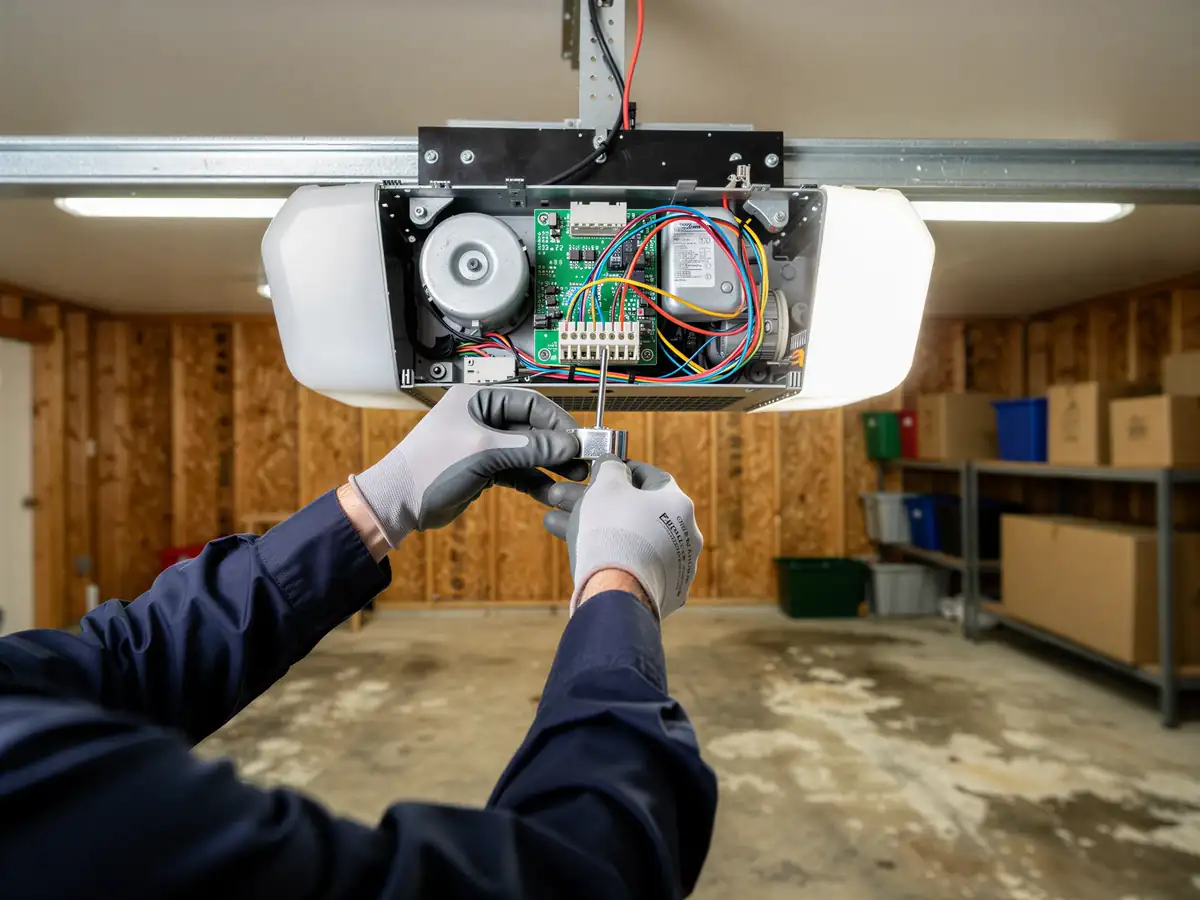
Parts We Carry
We stock the parts that actually fail on openers from houses built around White Rock's median year, 1973
Drive gears for chain and screw-drive units, capacitors, logic boards for the mid-range units that replaced the first wave of mechanical timers, and travel/limit switches. What we don't keep on the truck is obsolete proprietary remotes from early-80s units long out of production - if your opener is original to the house, the remote may need a universal replacement rather than a factory match, and we'll tell you that up front instead of promising a part that doesn't exist anymore.
Belt-drive and modern safety-sensor kits are common stock too
Since a fair share of these houses have already had one opener swap in their lifetime. Given the climate here, we carry heavier-rated gear sets more often than lighter residential ones - a 90s stamped nylon gear that's spent three decades in an unheated garage through severe cold winters doesn't owe anyone a smooth spin anymore.
Booking a Visit
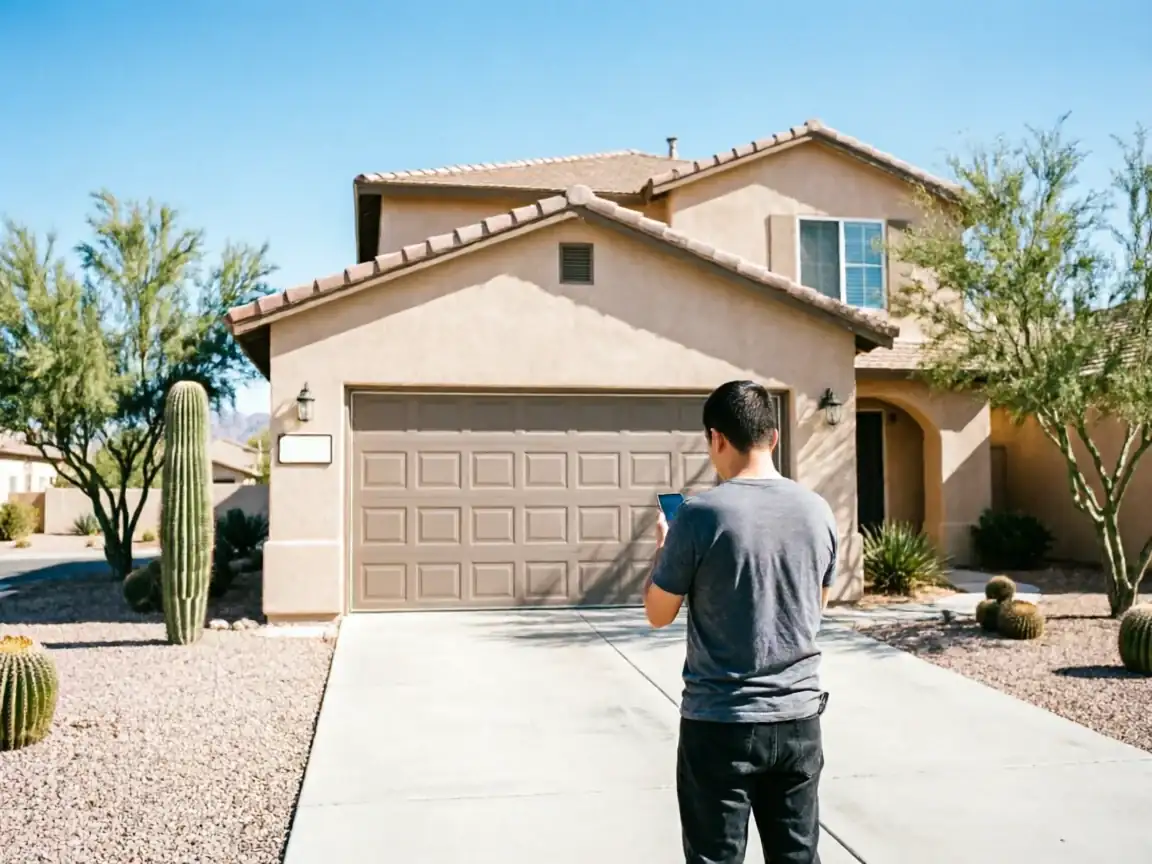
We run out of Santa Fe, about 16 miles from White Rock, so a service call here is a planned trip, not a walk-by. Tell us the opener's age and symptom when you call - grinding, reversing, dead remote, or a door that won't fully close - and we bring the matching parts instead of guessing twice. We don't keep a branch or drop-box in White Rock itself; every job starts from the Santa Fe shop. You can see the areas we reach from there, including White Rock, through our service area page.
What You Are Seeing
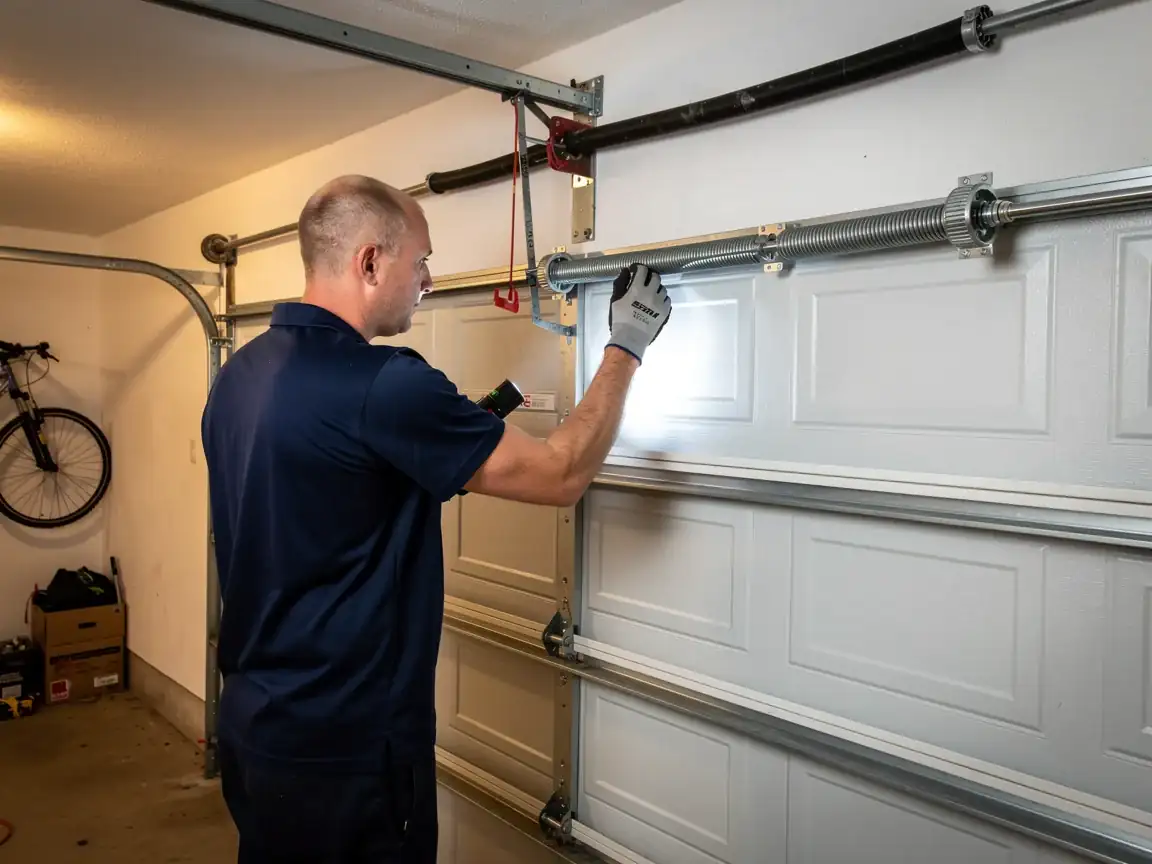
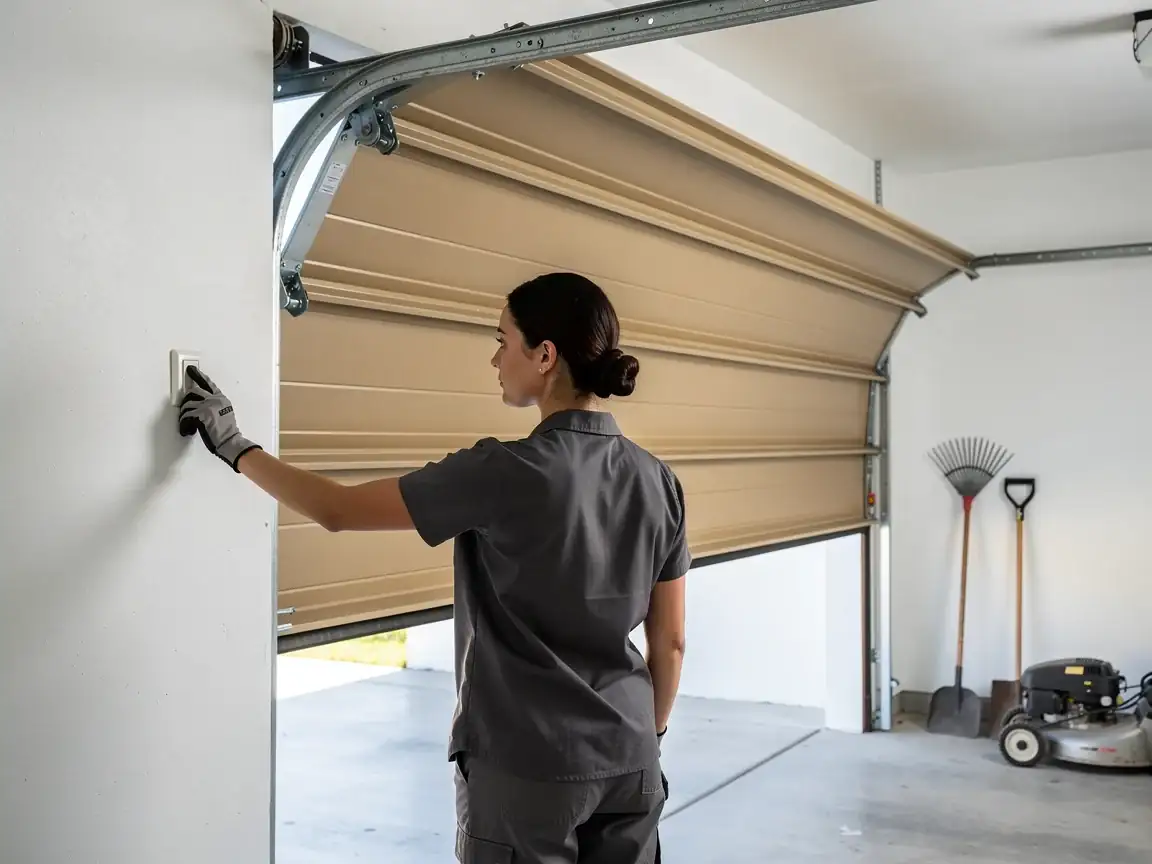
The most common complaint on this circuit: the opener runs, the motor hums, but the door barely moves or stalls partway. On a house built around 1973, that's usually a stripped or worn drive gear - a known weak point on the chain and screw-drive units installed through that era and into the 80s, long before belt-drive became the default. A second pattern: the door reverses right before it touches the floor, which on older units often traces back to a limit switch that's drifted out of adjustment rather than anything electronic.
A smaller number of calls are a dead remote with a working wall button, which usually means the receiver board, not the remote battery, especially on units that predate universal rolling-code systems. None of these are landmark-specific faults; they're what you'd expect from a neighborhood where the opener in the garage is close to as old as the house itself.
How We Fix It
Gear and sprocket failures get a drive-gear kit replacement rather than a full opener swap whenever the motor and logic board still test sound
That's usually the cheaper, faster fix and it holds up fine. If the capacitor is weak (common once a motor starts humming without turning), we replace it on the spot rather than condemning the whole unit.
When the logic board itself has failed
More likely on a unit that's never been replaced since the house was built in 1973 - a straight board swap often isn't possible because the model's discontinued. In that case we're honest that replacement beats repair, and we say so before opening anything up, not after. Limit switch and reversal sensor adjustments are quick, done-that-visit fixes almost every time.
What Can Go Wrong
Cold is the main stress on these openers, more than age alone. In a severe winter climate, grease that was fine in October seizes by January, and a motor fighting stiff grease pulls more current than it's built for - that's what eventually cooks a capacitor or burns a board trace. Garages here are rarely heated, so the opener takes the full swing of outdoor temperature every day.
One honest limitation: if a unit has already had a board failure once, we won't guarantee a second board swap will outlast a full opener replacement. At that point we'll say so rather than sell a second repair on a unit that's circling the drain.
What Causes It Around Here
White Rock's housing is mostly a single generation - median year built 1973 - so the openers in a lot of these garages are either original or a single replacement deep. That's different from the newer pockets elsewhere in the service area where openers are a decade or two younger on average. It means more chain-drive and screw-drive units, more mechanical limit switches, and fewer of the integrated safety-sensor systems that became standard later.
White Rock's median household income, near $150,714, runs well above the wider service area's $68,432, which in practice means more owners choose full opener replacement over a patched repair once a unit is clearly at end of life - a different call than we often make in older, lower-turnover pockets of the service area.