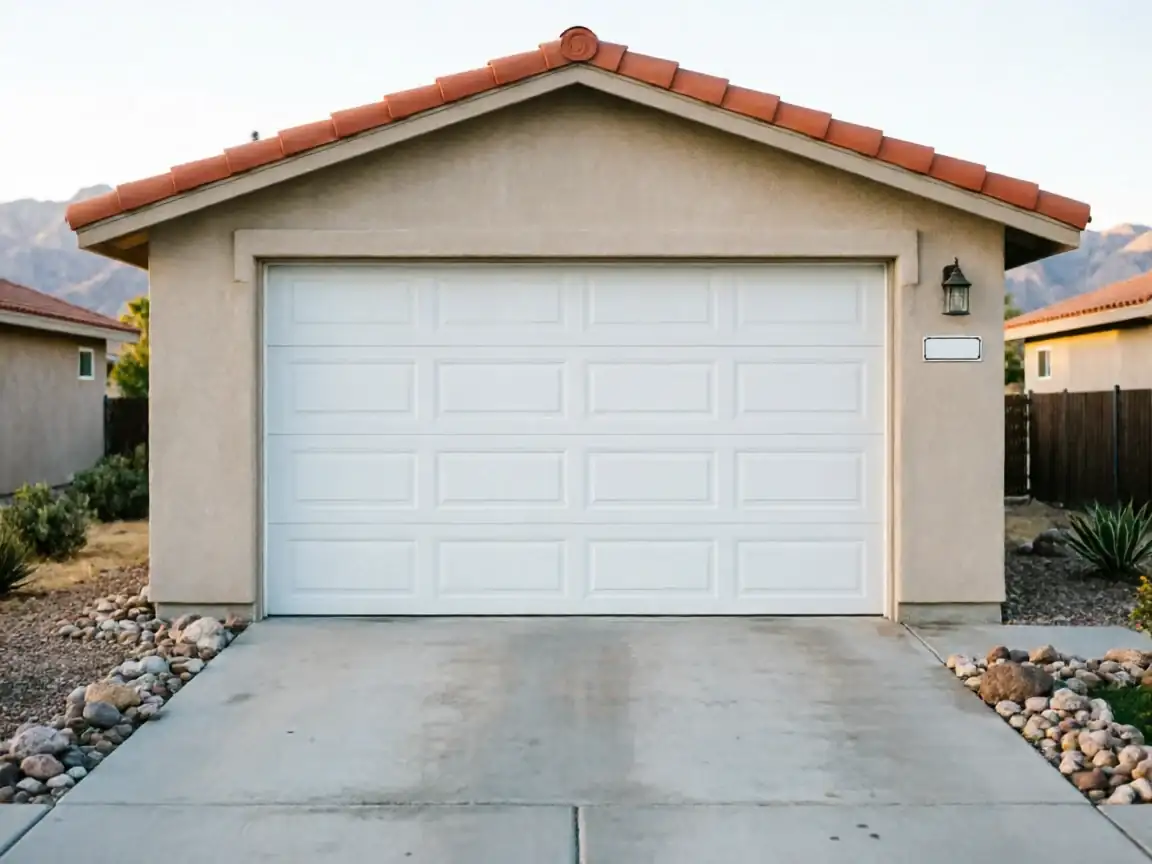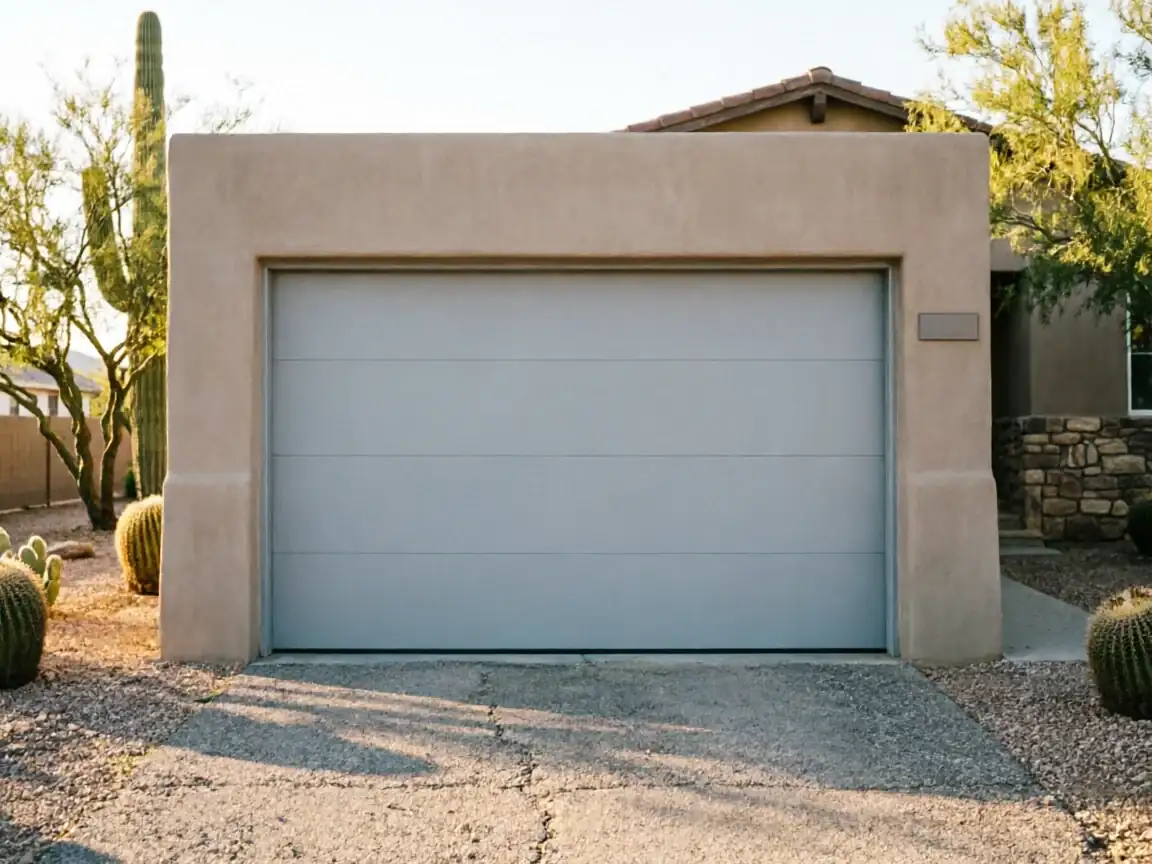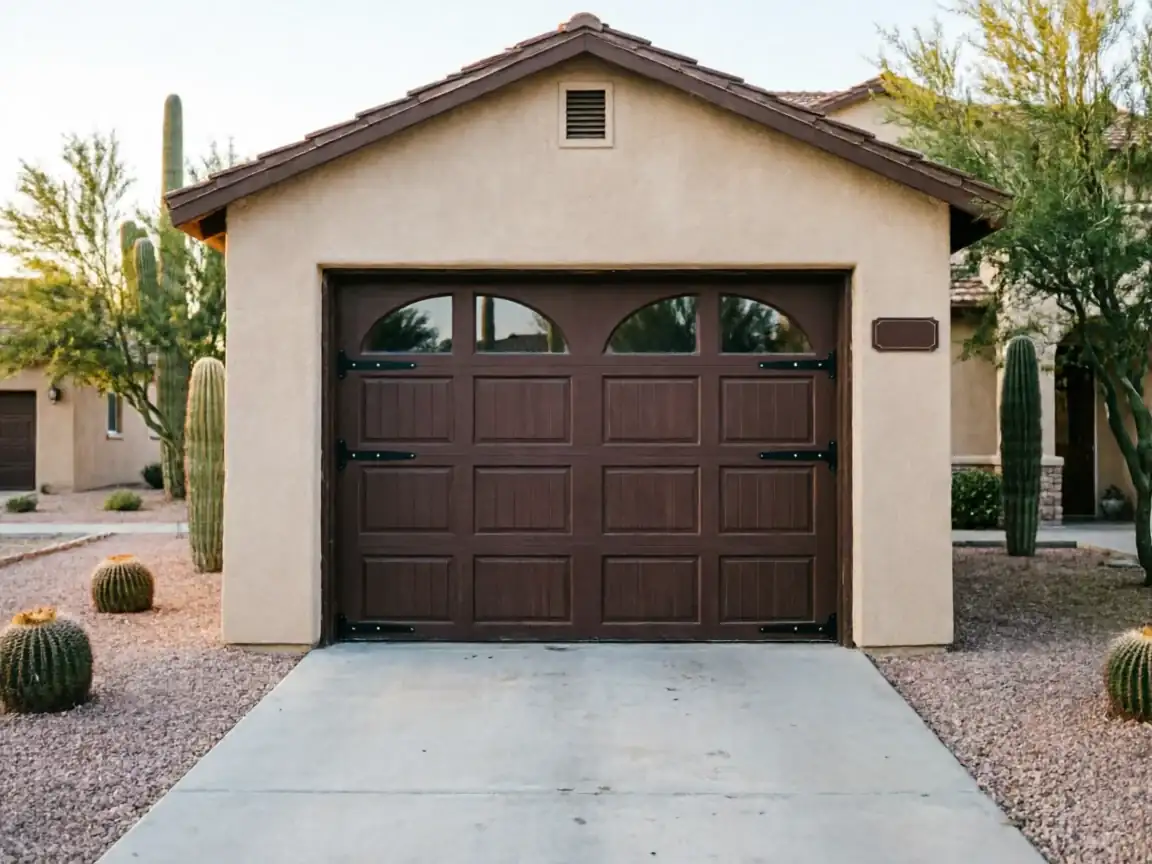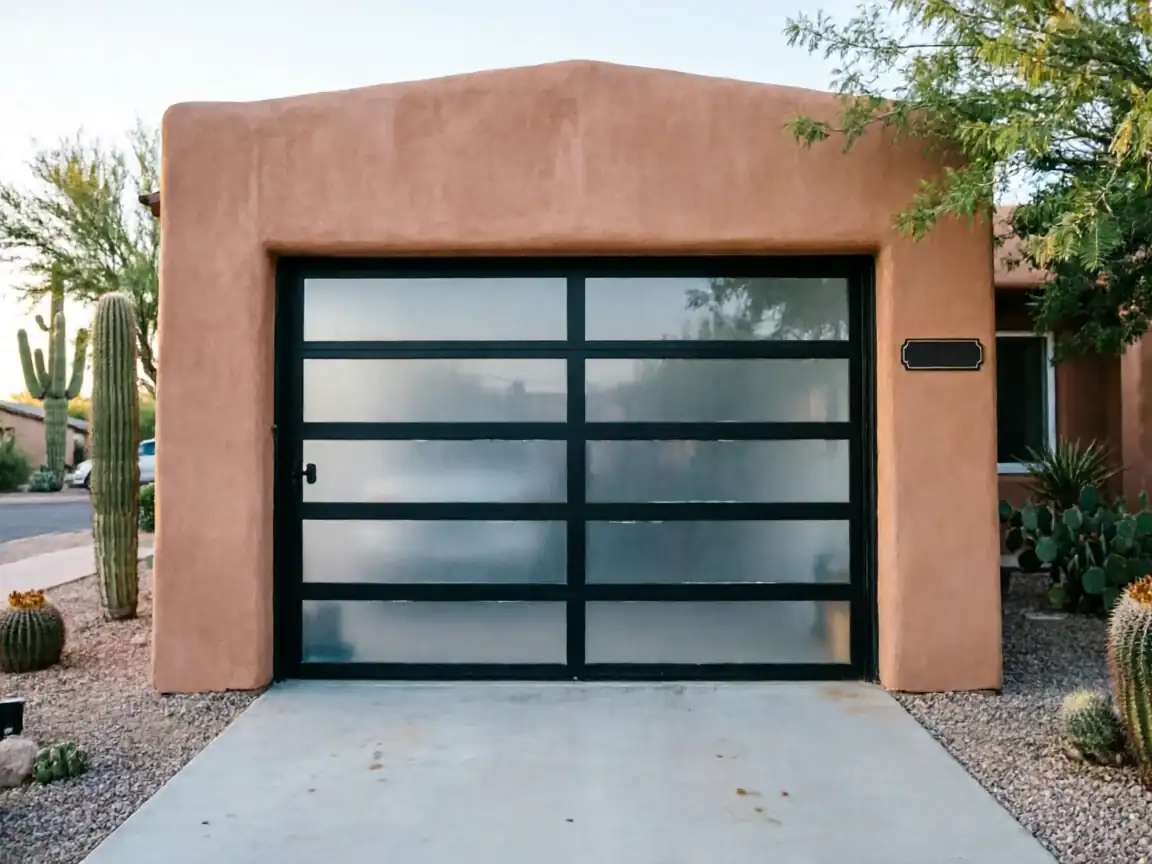
Parts We Carry
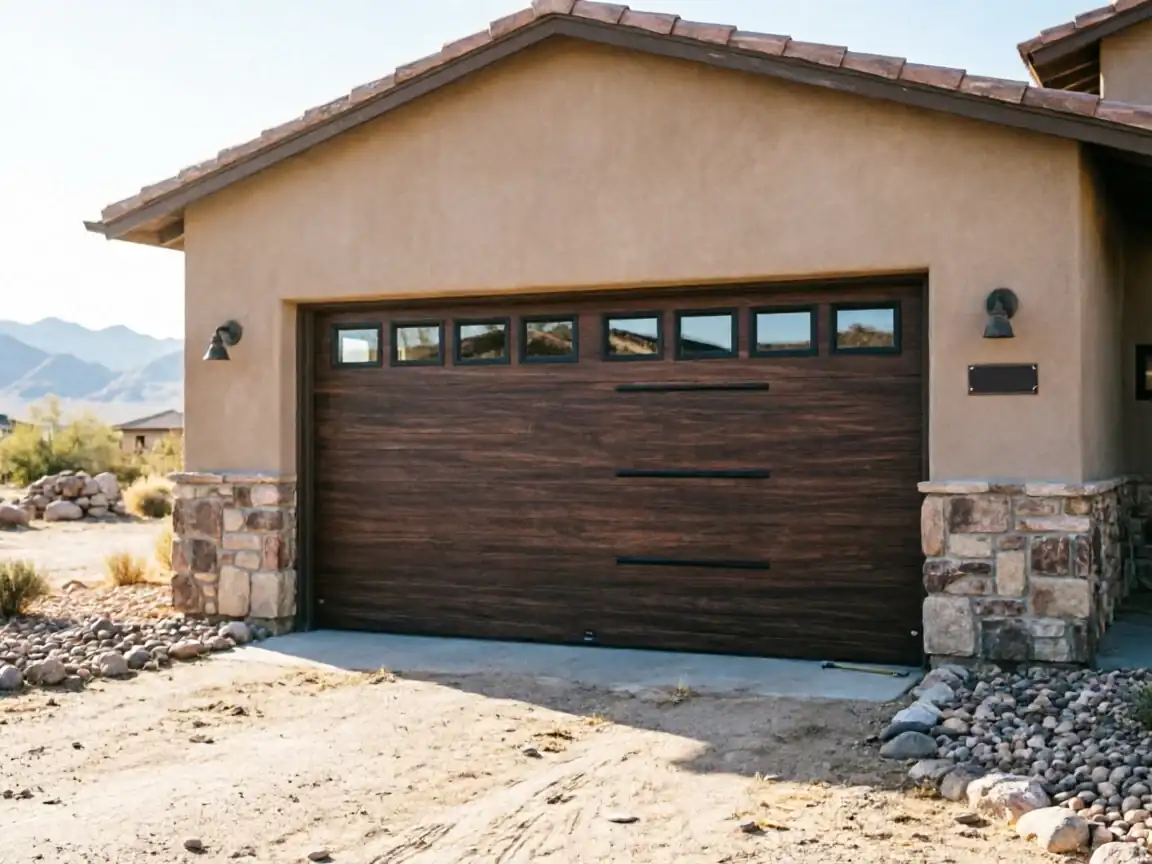
Most garage doors in White Rock went up around 1973
Which puts them at the early edge of the area's 1973-1999 building wave. That means a lot of these houses still carry their first or second torsion spring setup, often on steel sectional doors sized for a single car rather than the wider two-car openings that came later in the boom. We stock standard torsion springs sized for those openings, plus the extension-spring hardware that shows up on some of the older single-bay doors from that same vintage. What we don't keep on the truck is anything oddball - a custom wood door or a discontinued European opener bracket means a special order, and we'll tell you that up front instead of guessing at a fix.
We carry springs rated for the wind load and temperature swings this part of New Mexico sees
Since a spring built for a mild coastal climate doesn't hold up the same way here. If your door's spring broke mid-cycle and the door is stuck halfway, that's usually a sign the spring was already near the end of its rated cycles - not a fluke.
Booking a Visit
We cover White Rock from our base in Santa Fe, about 16 miles out. That's a drive, not a walk-in counter, so we schedule the trip rather than promise a same-hour knock on the door. Tell us the door size, whether it's one spring or two, and roughly how old the opener is - that lets us load the right spring before we leave instead of turning a sixteen-mile trip into two.
We don't carry every spring size on every truck run, so a quick phone description saves everyone time. If you can get a photo of the broken spring or the yellow sticker on the torsion tube, that helps us match the wire size exactly.
What You Are Seeing
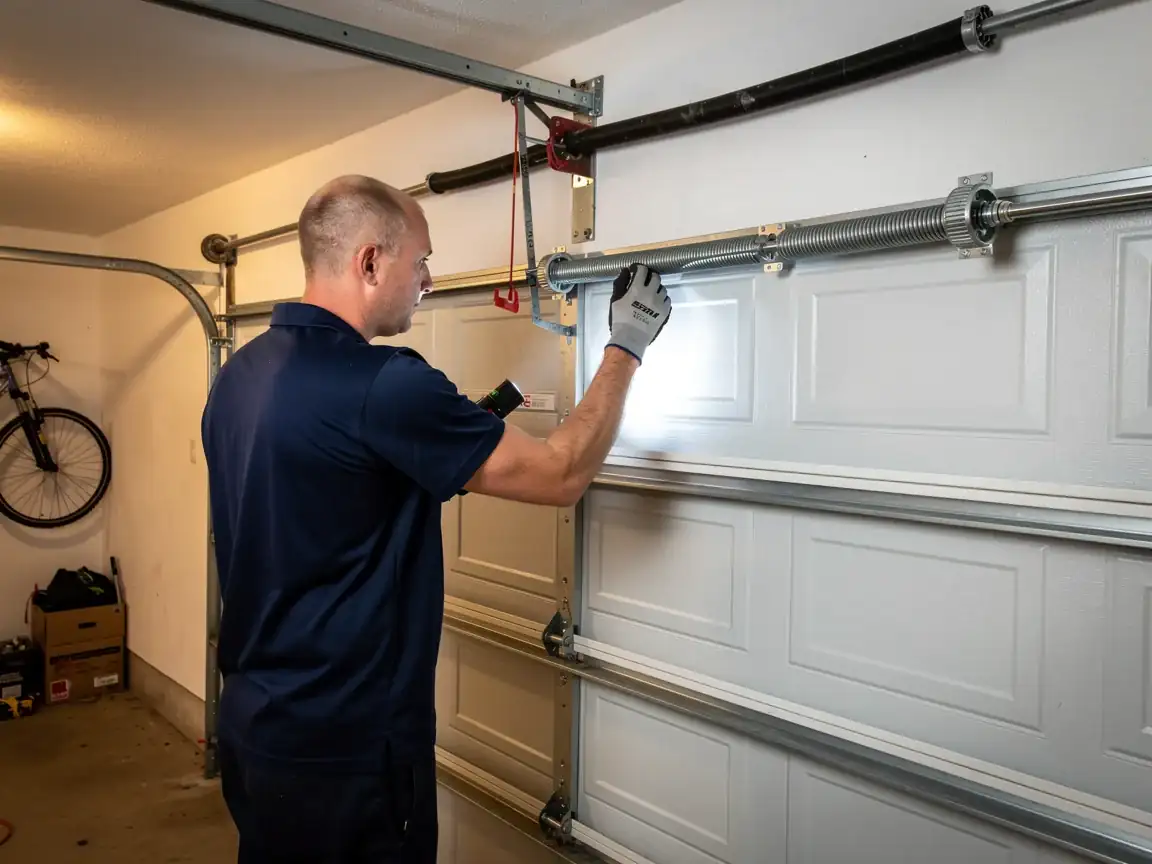
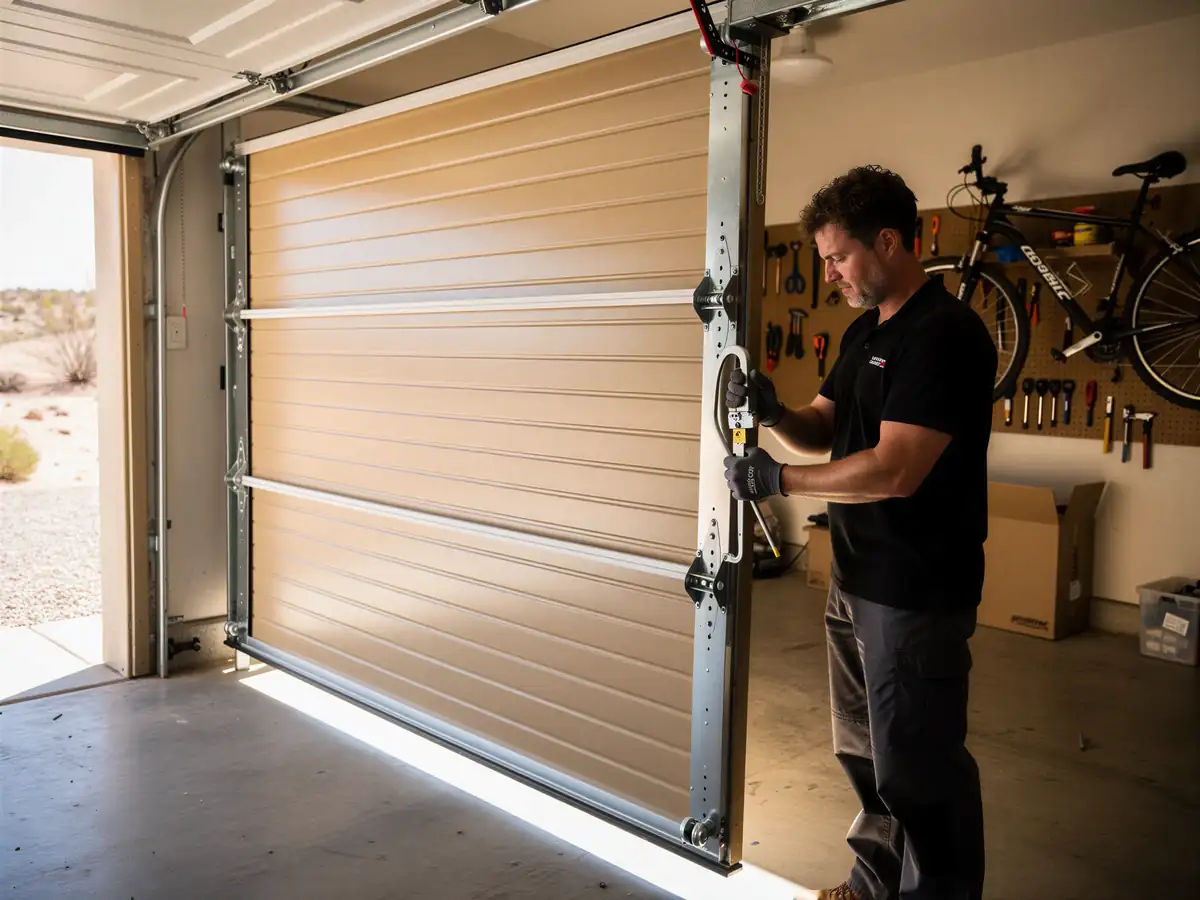
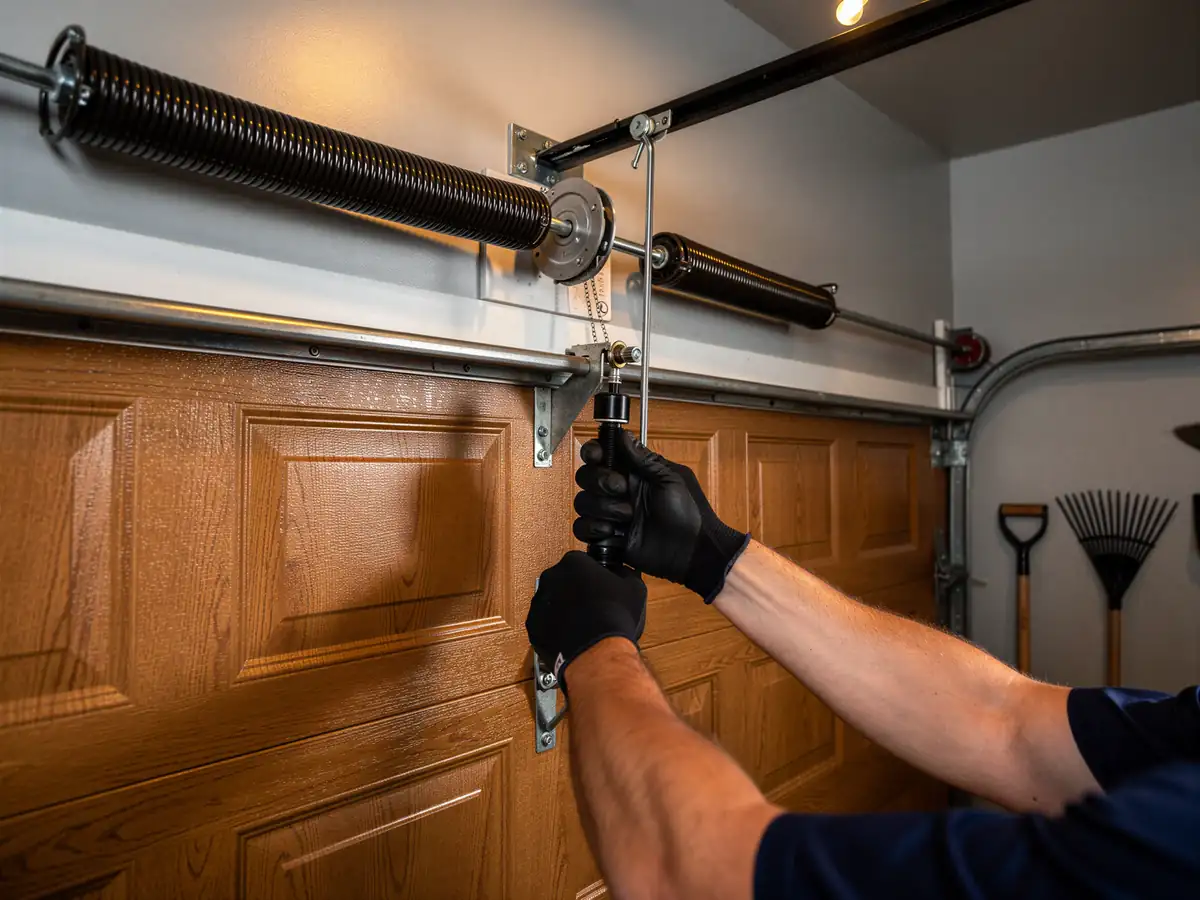
A broken torsion spring usually announces itself with a loud bang from the garage, then a door that won't lift past a few inches or feels like dead weight on the opener. On the 1973-built homes we see out here, the torsion springs are mounted on a single shaft above the door, and when one lets go, the door is now balanced wrong - lifting it by hand or forcing the opener motor through it can bend the track or strip the opener's drive gear.
Extension springs, found on some of the older single-car doors from the same era, fail differently: a frayed or snapped extension spring usually lets one side of the door drop lower than the other, giving the door a visible tilt. Either way, the fix is the same principle - replace the spring, don't try to stretch the life of a worn one with lubricant alone.
How We Fix It
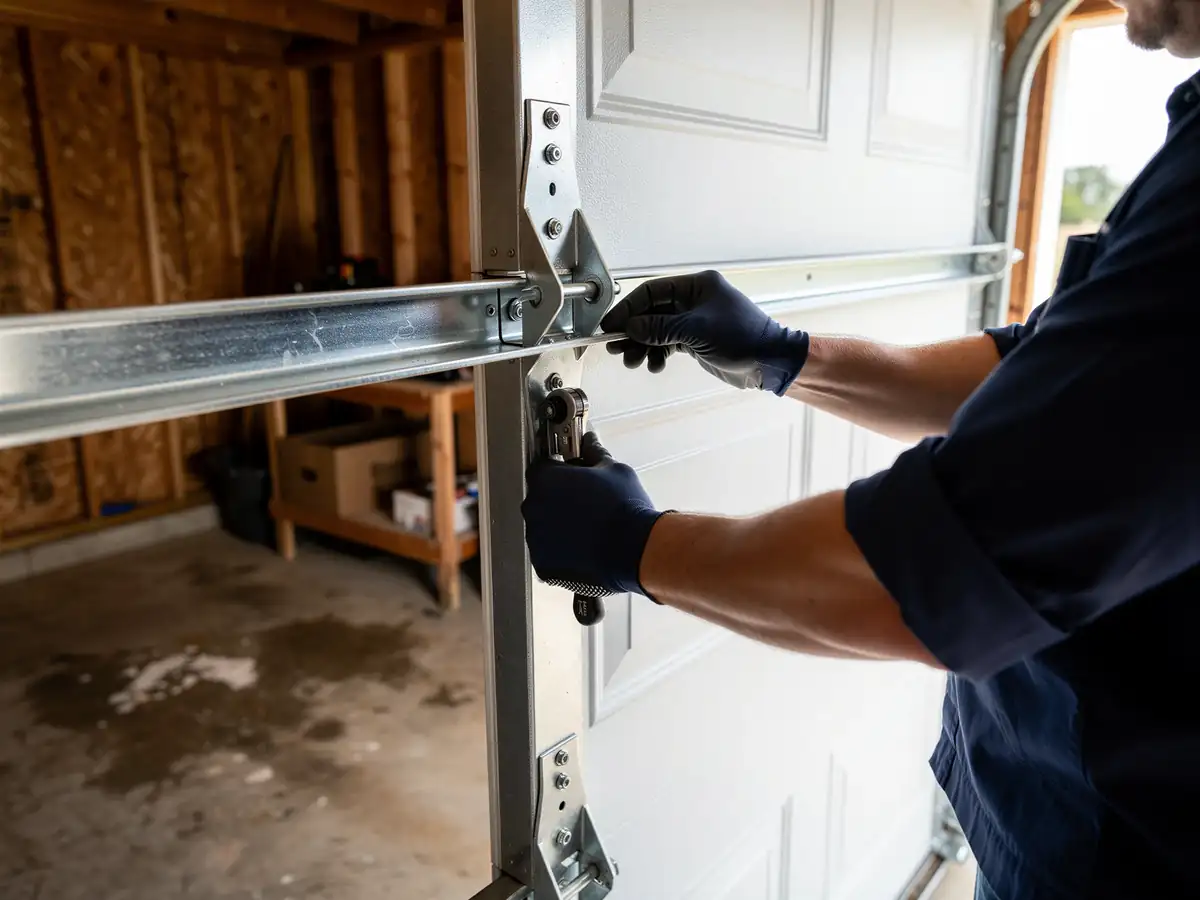
We unwind and remove the broken spring, measure the wire size, length, and inside diameter against the door weight
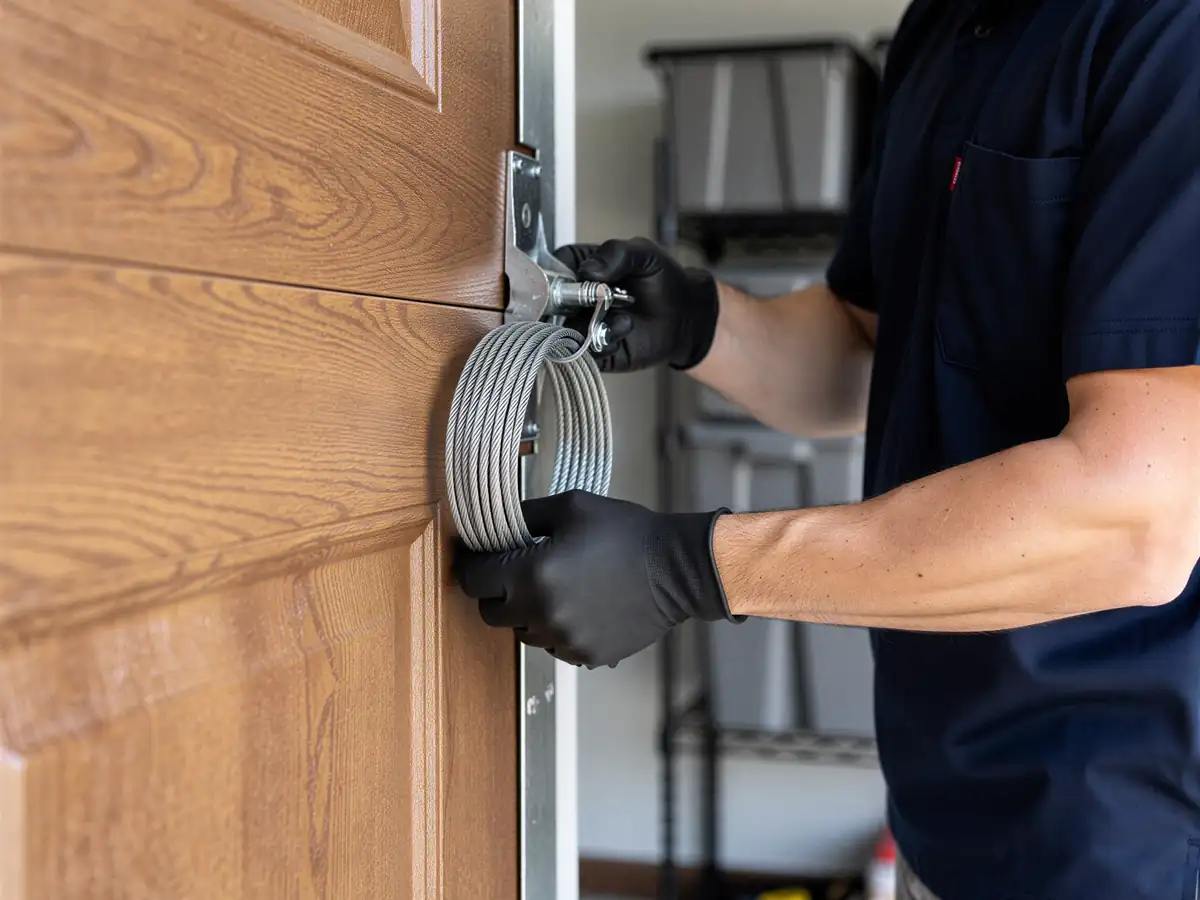
And install a matched replacement - typically as a pair on torsion setups, since one spring at double the original age runs a real risk of being next in line to fail. We check the cables and the drums at the same time, since a spring break under tension can nick a cable or leave a drum out of alignment.
Once the new spring's on, we balance the door by hand before ever running the opener
The door should hold still at waist height with the opener disconnected. If it doesn't, the spring tension still needs adjusting. We won't hand a door back that drifts open or slams shut on its own.
What Can Go Wrong
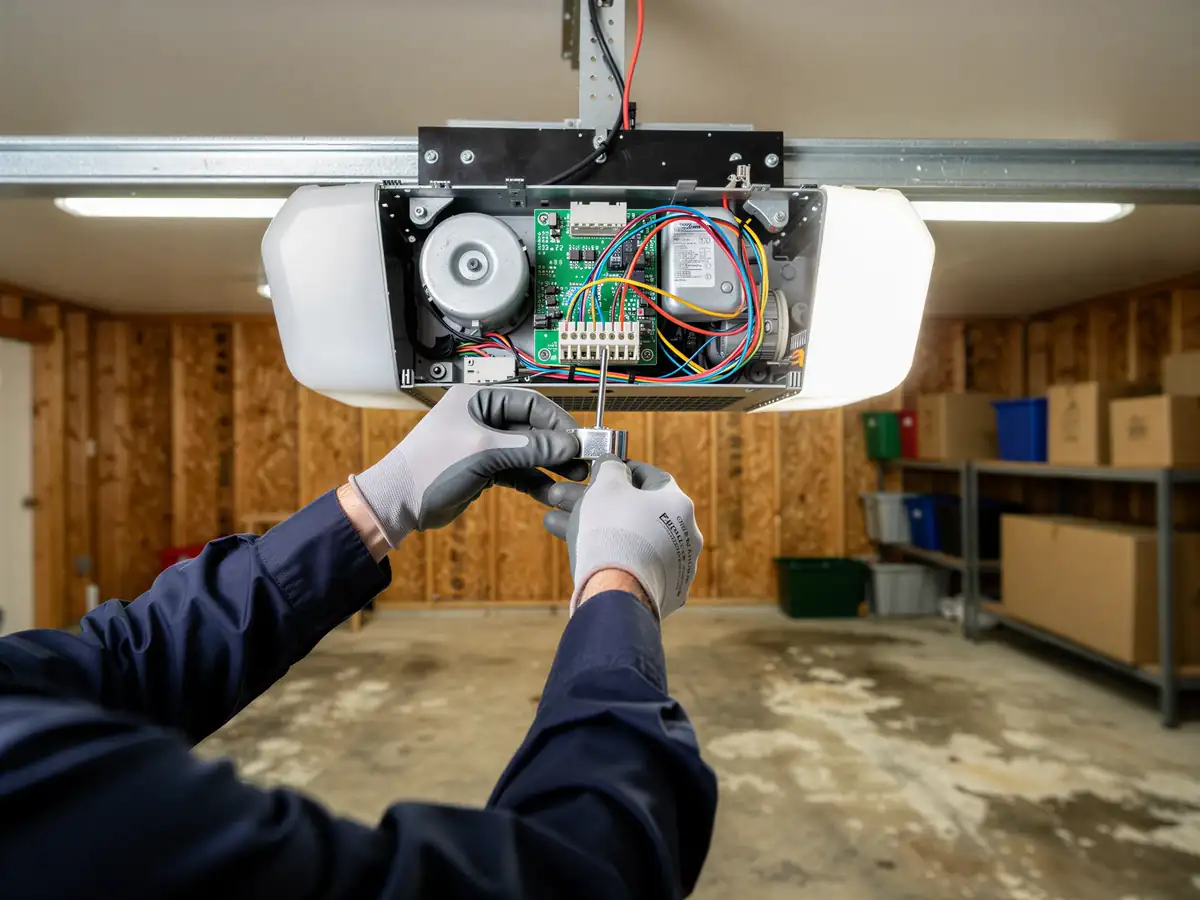
The honest limitation here: if a door has been run on a broken spring for any length of time - someone forcing the opener through it repeatedly - the track, rollers, or even the opener's drive gear can take damage that a spring alone won't fix. We'll flag that during the visit rather than quote a spring-only repair and leave you with a door that still binds.
On these 1973-era doors specifically, original hardware that's sat untouched for decades sometimes has drums or end bearing plates worn past a clean spring swap. If that's the case, replacing those parts alongside the spring costs more than the spring job alone, but running a new spring against a worn drum just wears it out again faster.
What Causes It Around Here
Torsion and extension springs are rated for a set number of open-close cycles, and the cold is what shortens that count. White Rock sits in a severe cold climate band, and steel spring wire stiffens and fatigues faster through repeated hard winter cycling than it would somewhere milder. A spring that might run another year in a warmer climate can snap here on a cold morning instead.
Age plays its part too - a door built around 1973 is now running on a spring that's likely been replaced once already, if it hasn't failed outright. With White Rock's household incomes running well above the wider service area's median, we also see more owners choosing to replace both springs as a pair proactively rather than waiting for the second one to go, which is a reasonable call on a door this old.